
Picture a summer morning in 1975. The screen door slaps shut, a kid heads out with no phone and no set plan, and nobody expects a check-in until the streetlights come on. For many children of that decade, this was ordinary life rather than a special kind of freedom.
Looking back, the list of things kids managed alone is longer than most people remember. Some of it was practical, some of it was risky, and some of it simply reflected how households and neighborhoods worked then. Here are twelve of those responsibilities, described from memory of the era’s common habits rather than from any single study.
1. Walking or biking to school
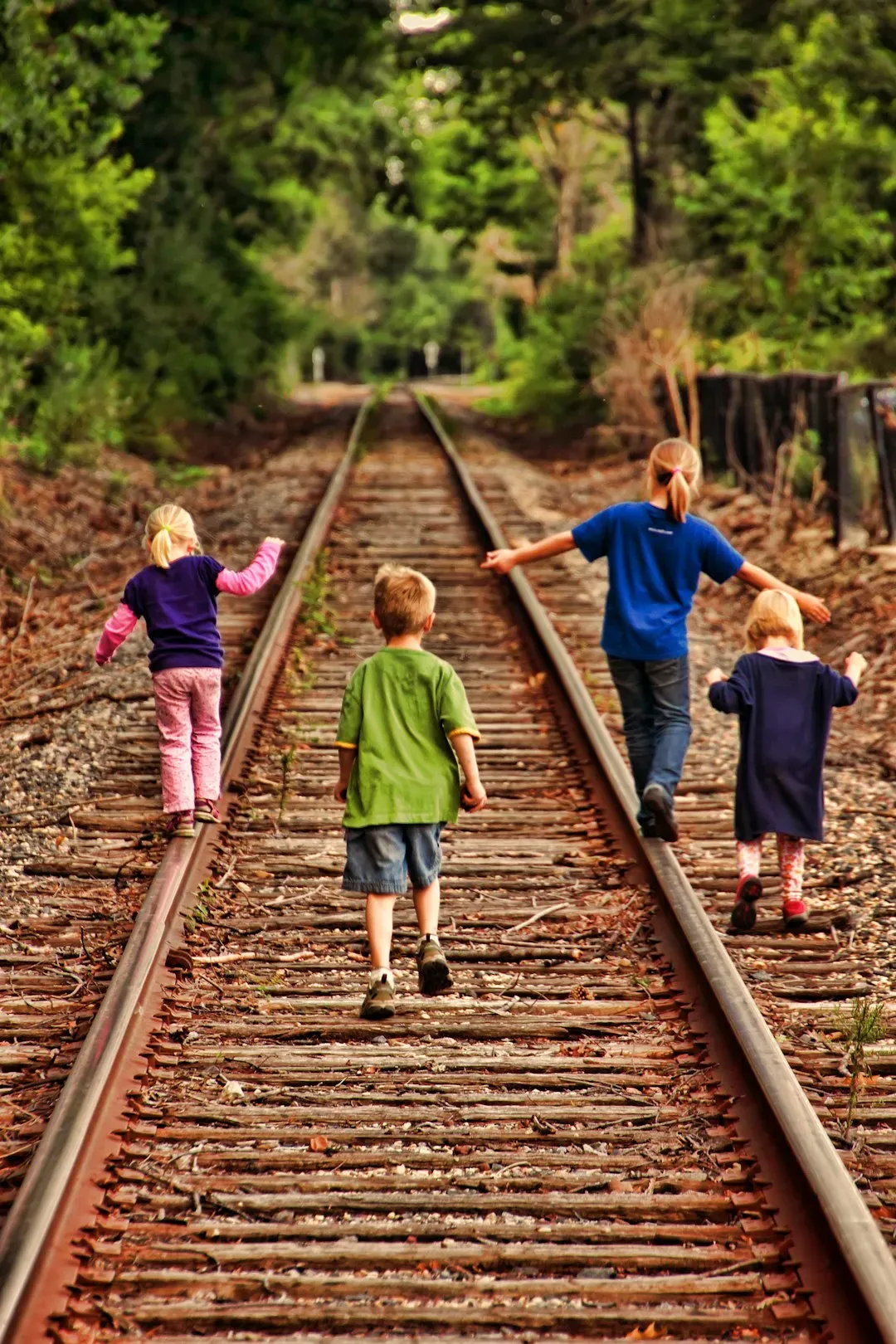
Many kids made the trip to school without an adult, often starting in the early grades. They learned the route by doing it, usually alongside neighbors or older siblings. Crossing streets, watching traffic and arriving on time were simply part of the job.
Public health researchers have long documented how much this has changed. Data from the National Household Travel Survey, summarized by the CDC and Safe Routes to School programs, shows that about half of US students walked or biked to school in 1969, compared with a small fraction today. That is a big shift in a few decades.
2. Playing outside for hours unsupervised
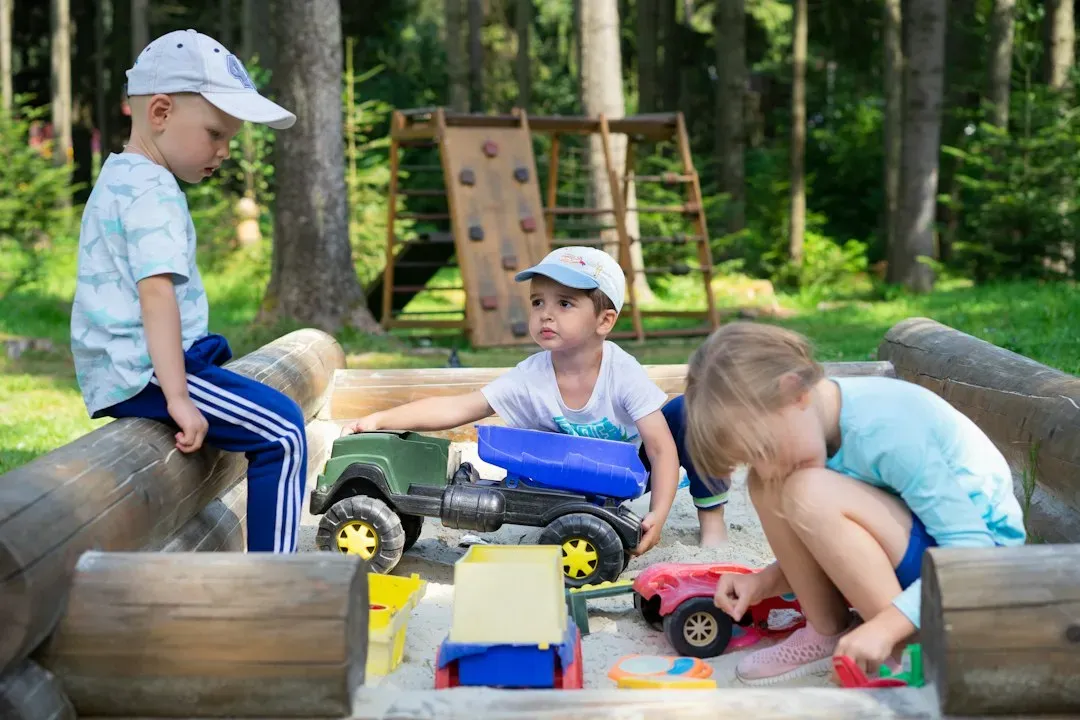
After school and all day on weekends, kids went outdoors and stayed there. They built forts, played pickup games and invented rules as they went. Adults were nearby, but rarely involved.
Unstructured play like this meant children settled their own disputes. Nobody refereed an argument over whether the ball was out. Child development experts often point to this kind of free play as a way kids practice negotiation and problem solving.
3. Coming home as a latchkey kid

As more mothers entered the workforce, the term latchkey kid became common in the 1970s. Children let themselves in with a key, often worn on a string around the neck. They made a snack, did homework and waited for a parent to return.
The phrase drew enough attention that researchers began studying self-care among schoolchildren. Findings were mixed, and outcomes often depended on the child’s age, the neighborhood and how well rules were set. Still, for many families it was simply how the afternoon worked.
4. Making their own snacks and simple meals
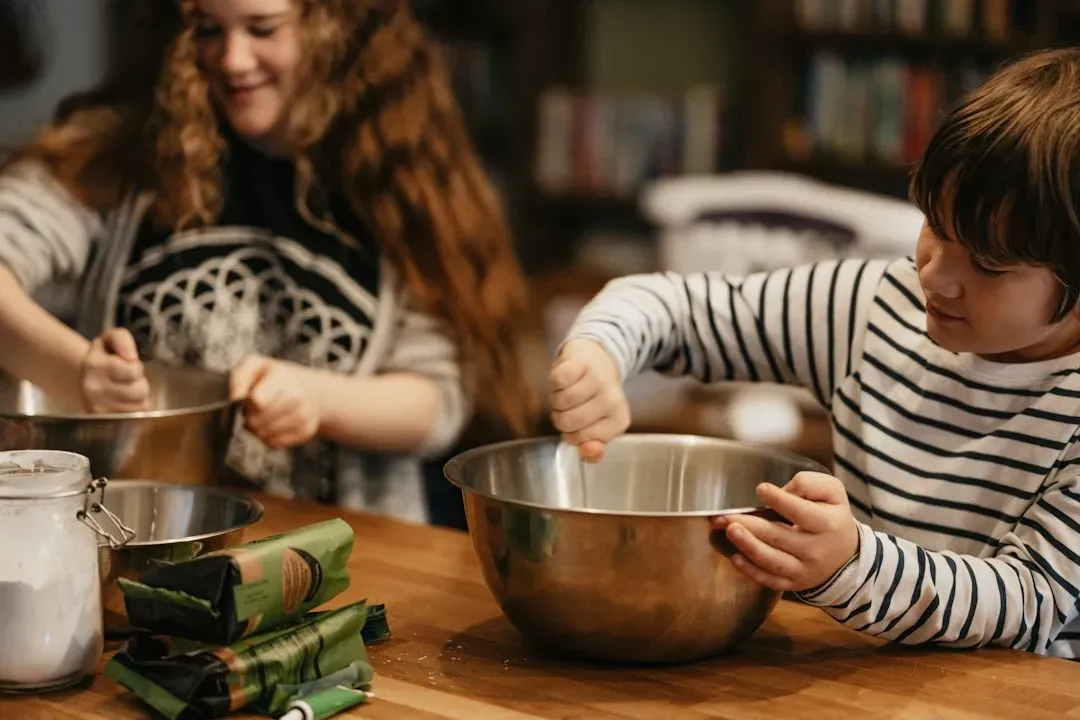
A kid home alone often fixed their own food. That might mean a sandwich, cereal, toast or something heated in a pan. Learning to use the stove or a toaster oven was frequently self-taught.
Cooking wasn’t treated as a special skill. It was a basic piece of getting through the afternoon. Many adults today recall their first kitchen mishaps as small lessons rather than disasters.
5. Using a phone with a cord and a landline

There was no texting, so kids had to call people directly. That meant dialing a number, often speaking first to a parent, and asking politely for a friend. Many also memorized key numbers because nothing stored them.
Answering the home phone while alone was another small test. Kids learned to take messages on scrap paper and decide what to say to unknown callers. Party lines had faded by then in most places, though shared phone etiquette still mattered.
6. Finding their way without a map app

Getting somewhere new meant asking for directions, reading a paper map or simply remembering landmarks. Kids built mental maps of their neighborhoods that were often remarkably detailed. A wrong turn meant figuring out how to correct it.
Older children sometimes took buses across town on their own. They learned schedules, transfers and fare habits through trial and error. Navigation was a skill practiced daily, not an app feature.
7. Handling bumps, scrapes and minor injuries
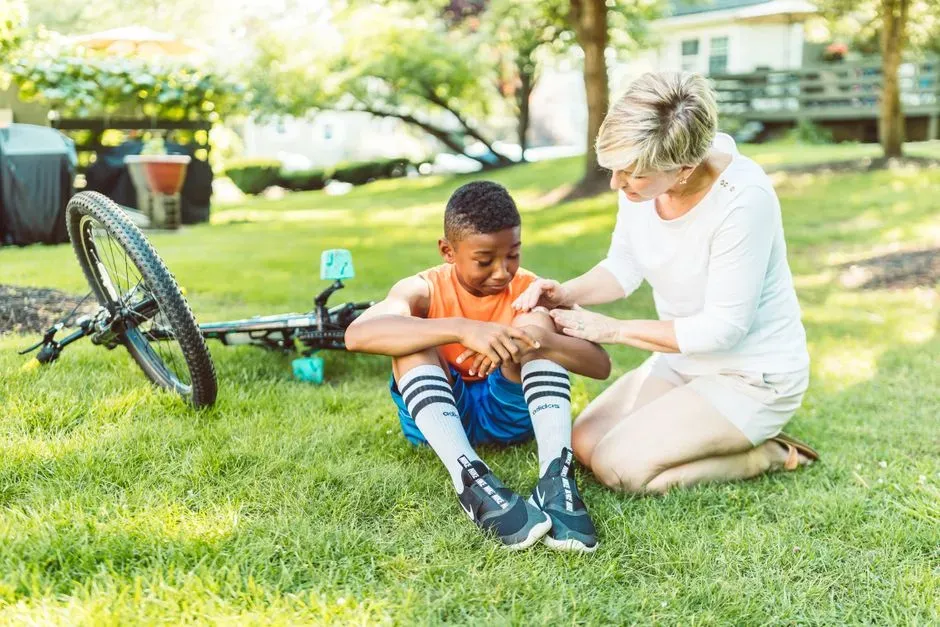
Falling off a bike or skinning a knee usually led to a quick fix at home. A kid washed the cut, applied a bandage and carried on. A trip to a doctor was saved for something more serious.
Standards for safety were different then. Bike helmets were rare, and seat belt use in cars was far lower than it is now. Federal rules and state laws later changed those habits, and the contrast with today is striking.
8. Doing chores without reminders
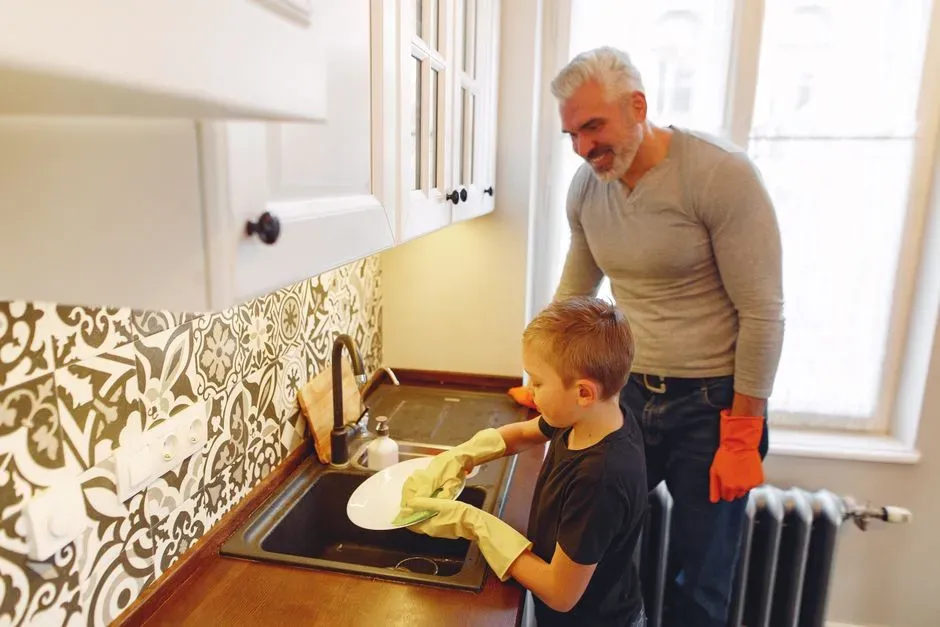
Chores were a regular expectation, from washing dishes to mowing the lawn. Many kids earned a small allowance, but plenty simply did the work because it needed doing. Parents tended to assign tasks and expect them to be finished.
The jobs often grew with age. A younger child set the table, while a teenager might watch siblings or run errands. It gave kids a clear sense of contributing to the household.
9. Earning their own spending money

If a kid wanted a record, candy or a new baseball glove, they often had to find the cash. Paper routes were a classic option, along with mowing lawns and babysitting. Collecting returnable bottles for deposit money was another common way to earn a bit extra.
These jobs taught basic budgeting early. A child learned that savings took time and that customers had expectations. Few parents stepped in to manage the details.
10. Entertaining themselves when bored

Television offered a limited number of channels, and many programs came on at set times. Outside those hours, boredom was just part of the day. Kids read, drew, built things, played cards or invented games.
Nobody was expected to provide constant entertainment. Boredom pushed children toward creativity, whether they wanted it or not. Many adults who grew up then still describe it as oddly useful.
11. Resolving conflicts with other kids

Playground disputes were usually settled by the kids themselves. Teachers and parents stepped in only if things escalated. A child learned how to stand up for themselves, compromise or walk away.
This approach had real downsides. Bullying often went unaddressed, and awareness of its harm was much lower than it is now. Schools in later decades developed formal anti-bullying policies in response.
12. Getting themselves ready and out the door

Waking up, dressing and heading out often fell on the child, with an alarm clock as the only help. Packing a lunch or grabbing lunch money was part of the morning routine. Forgetting something usually meant dealing with the consequences at school.
Parents were present but less hands-on about daily logistics. A missed assignment or forgotten jacket was the child’s problem to solve. That steady, low-key accountability is something many people say shaped their independence.





Leave a Reply