
Walk into a Greek diner and the menu can feel endless. There are laminated pages of breakfast, burgers, pasta, seafood and then a whole section of Greek classics tucked between the milkshakes and the club sandwiches. It’s a very particular kind of American restaurant, shaped largely by Greek immigrants who ran diners across the Northeast and beyond.
So where do you start? Some dishes here are traditional Greek staples, while others are happy hybrids that only really exist in a diner setting. These seven are reliable picks that show off what the genre does best.
Gyro Platter
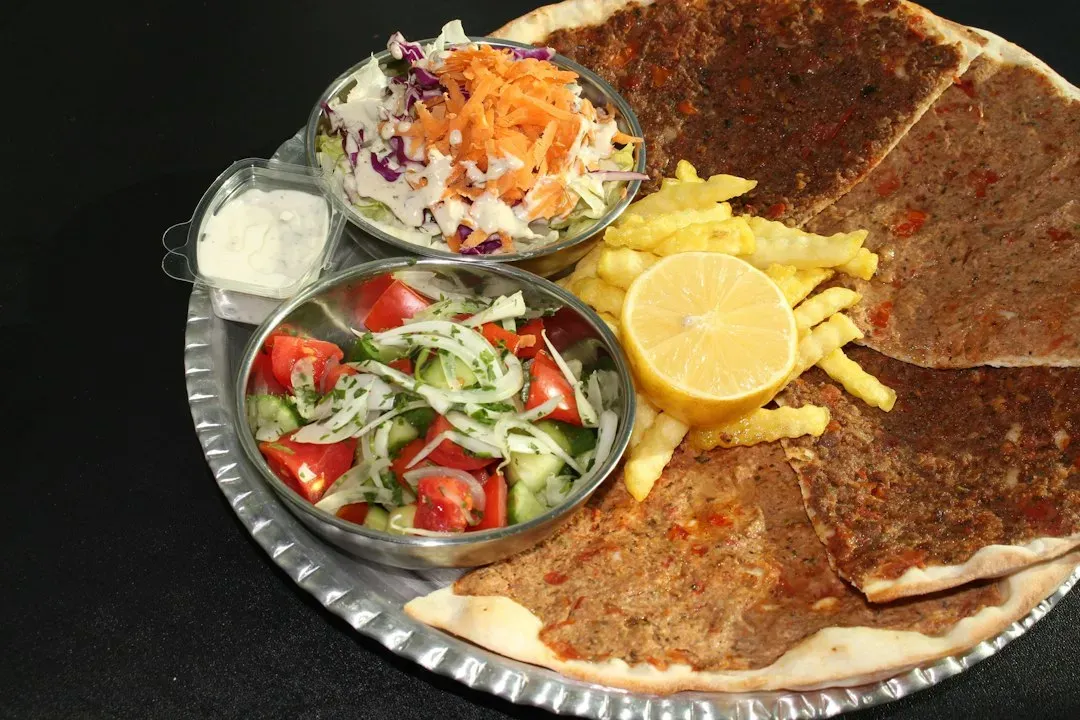
The gyro is probably the dish most people connect with Greek diners. Traditionally it’s made from seasoned meat, often pork in Greece and commonly a beef and lamb blend in the United States, stacked on a vertical spit and shaved off as it roasts. In a diner, it often arrives as a platter rather than a handheld sandwich.
A good platter comes with warm pita, tomato, onion and cool tzatziki on the side. It’s when you want something filling that still feels distinctly Greek. Ask whether the meat is carved from a spit, because that’s what gives the edges their crisp texture.
Spanakopita
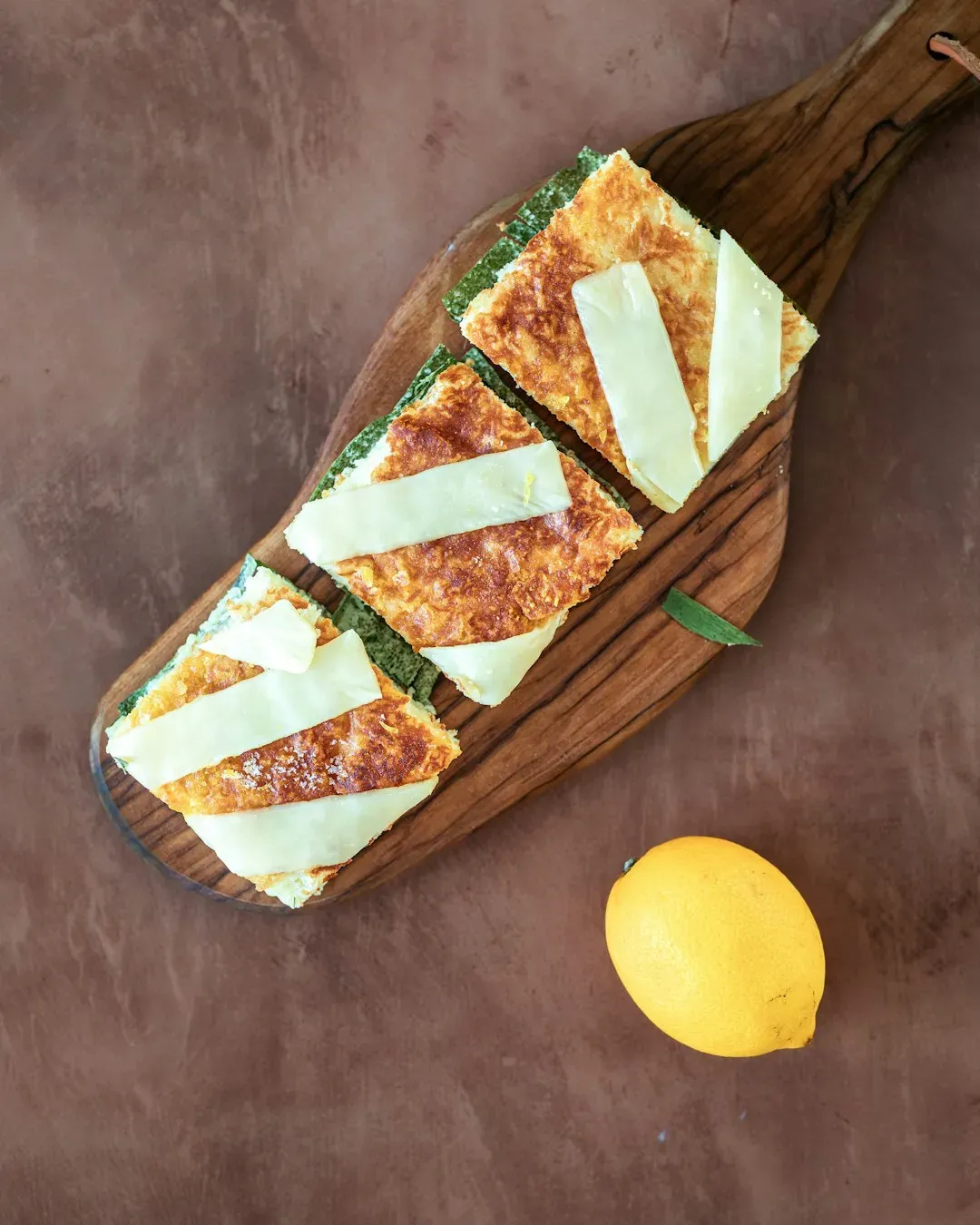
Spanakopita is a savory pie of spinach and feta wrapped in layers of phyllo dough. The best versions shatter slightly when you cut into them, and the filling tastes of dill, scallions and tangy cheese rather than just salt. Many diners bake it in large trays and cut squares to order.
It works as a starter, a side or a light meal with a salad. If you see it listed as made in house, that’s usually a good sign. Phyllo is fussy to work with, so a fresh, flaky slice tells you the kitchen cares.
Greek Salad
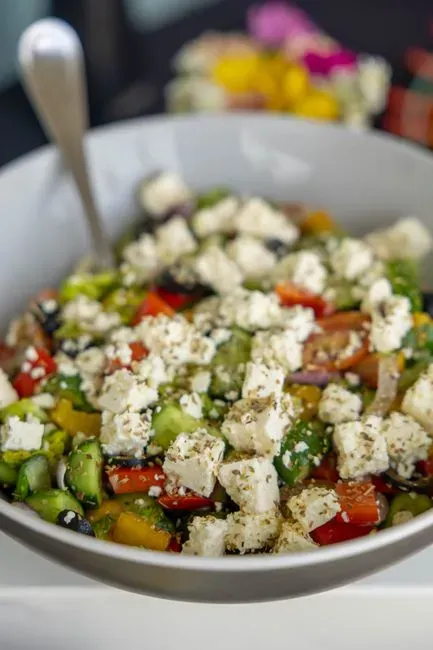
A proper Greek salad is simple: tomatoes, cucumber, red onion, olives, feta and olive oil, often with oregano. In Greece it’s called horiatiki, meaning village salad, and it traditionally skips lettuce. American diners often add greens, pepperoncini and a dressing, which is a fair adaptation even if it’s less traditional.
Order it as a side with something heavier, or add grilled chicken to make it a full meal. The quality of the tomatoes and the feta makes or breaks it. When both are good, it’s one of the freshest things on the menu.
Moussaka
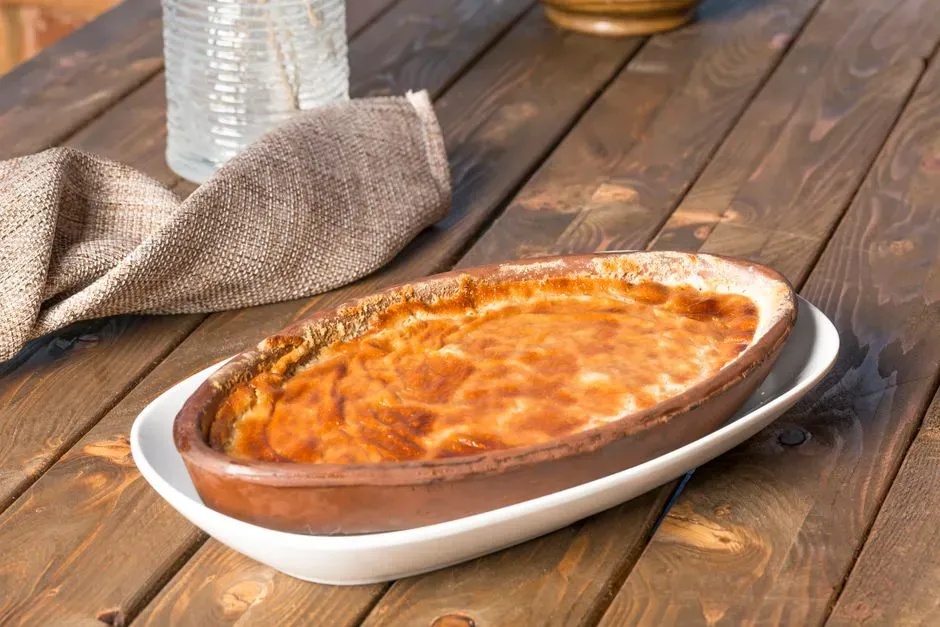
Moussaka is a baked casserole with layers of eggplant, spiced ground meat and a thick béchamel topping. It’s rich, soft and deeply comforting, a bit like Greek lasagna. The seasoning usually leans on cinnamon and tomato, which gives the meat a warm, slightly sweet depth.
This is a dish that tastes best when it has had time to set, so diners that bake it in batches often do it well. Expect a hearty portion with potatoes or rice on the side. It’s a strong choice on a cold evening.
Souvlaki
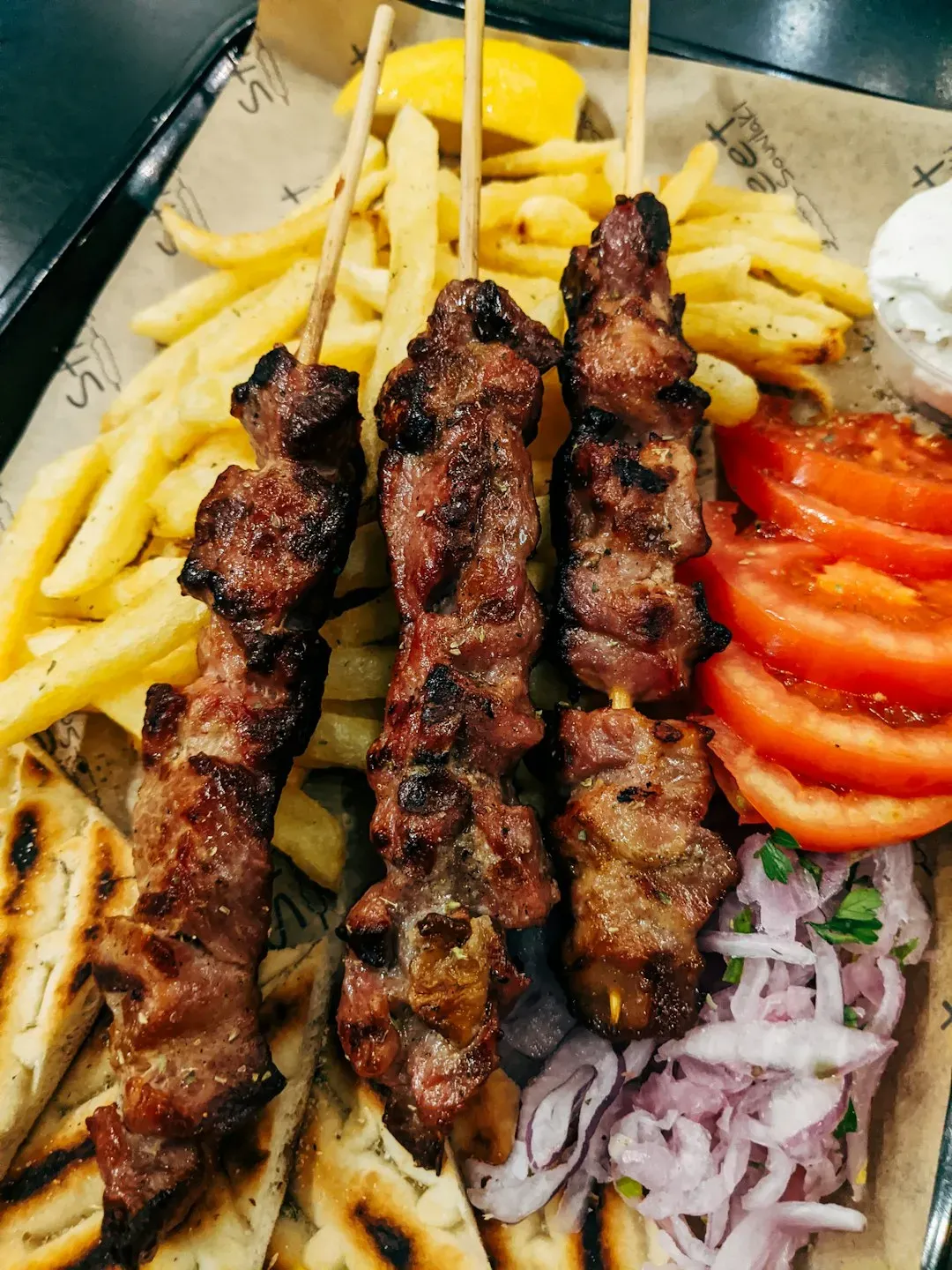
Souvlaki is made of small pieces of meat, usually pork or chicken, grilled on a skewer. It’s simpler than a gyro and relies on good marinade, typically olive oil, lemon, garlic and oregano. Diners often serve it as a plate with rice, potatoes and pita.
The appeal is in the char and the brightness of the lemon. It’s a lighter option that still feels satisfying. Chicken tends to be the safer pick, though pork is the more traditional choice.
Pastitsio
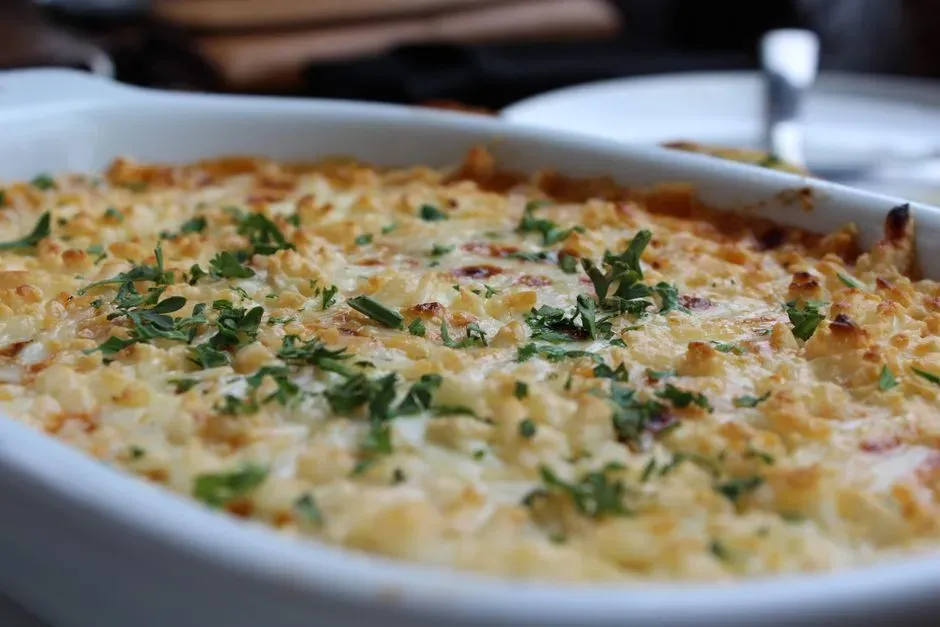
Pastitsio is often described as the Greek answer to baked pasta. Tubular noodles are layered with spiced meat sauce and topped with a creamy béchamel, then baked until golden. It shares a lot with moussaka but swaps eggplant for pasta.
It’s a good order if you want comfort food with a little more character than standard spaghetti. The top should be set and lightly browned, not runny. Portions tend to be generous, so it’s easy to take half home.
Loukoumades or Baklava
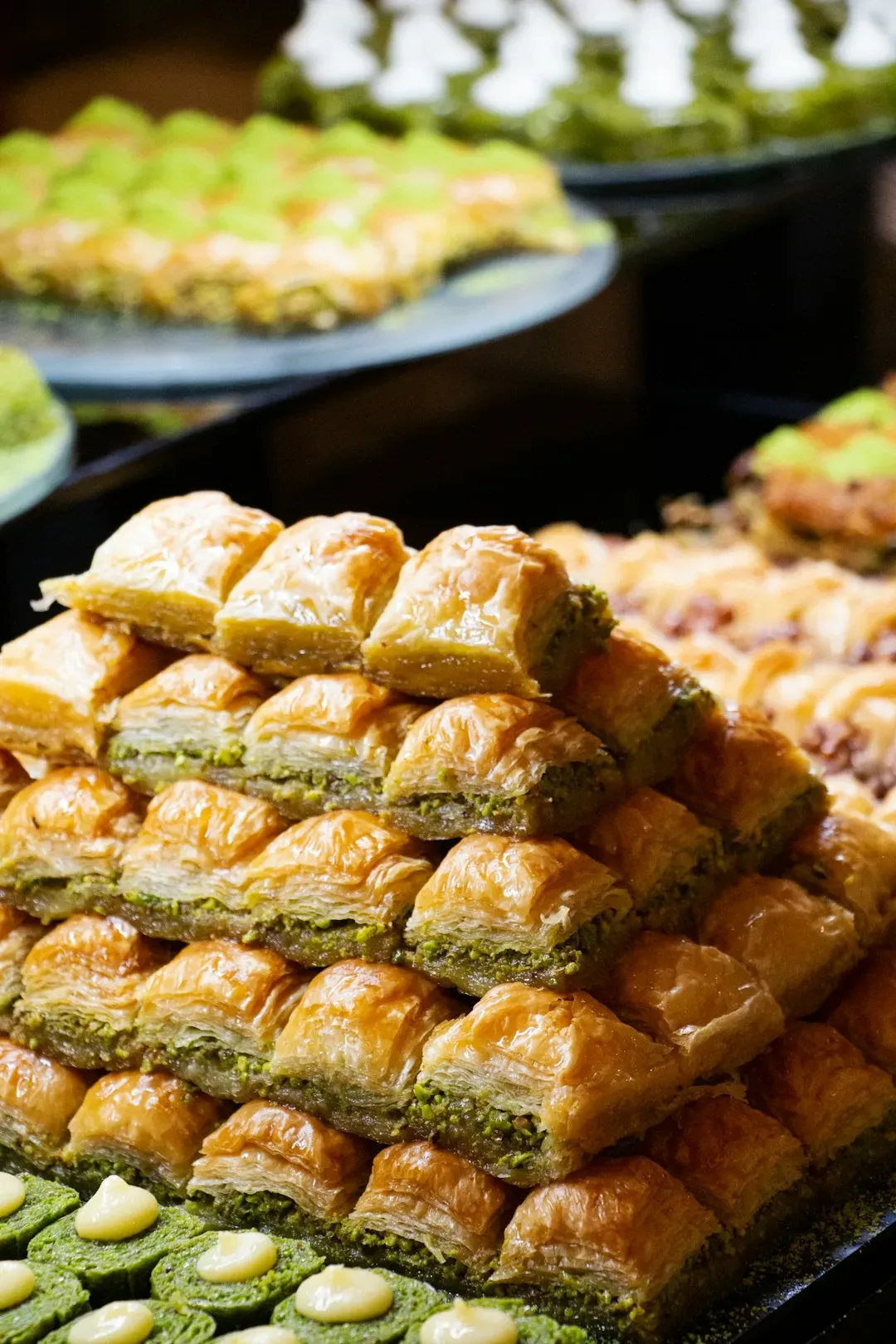
Many Greek diners keep a dessert case near the register, and it’s worth a look. Baklava layers phyllo with chopped nuts and sweet syrup, usually flavored with honey or sugar and sometimes cinnamon. Loukoumades are small fried dough puffs, typically drizzled with honey and dusted with cinnamon.
Baklava is the easier find and holds up well, so it’s a safe bet. Loukoumades are best fresh and hot, so order them only if the diner makes them to order. Either one pairs nicely with a strong coffee.



Leave a Reply