
Money habits get passed down at the kitchen table long before anyone calls them a strategy. Families with tighter margins tend to build routines around them, and those routines can look odd to households where a surprise bill is a minor annoyance.
None of this is a moral ranking, and plenty of wealthy parents are careful with money too. These are general patterns, not rules, and they show how different budgets shape ordinary decisions. Here are fifteen of them.
Comparing grocery prices across stores

Many middle class parents treat the weekly shop like a small research project. They check store flyers, use loyalty apps, and know which chain has the cheapest chicken thighs. The habit pays off because food is a recurring cost that adds up quickly.
Families with large cushions rarely bother. When a few dollars on a bag of groceries has no effect on the month, convenience wins over comparison. The time saved is worth more to them than the savings.
Waiting for sales before buying kids’ clothes

Children outgrow clothes quickly, so many parents buy off season. Winter coats get picked up in spring clearance, and school shoes wait for a back to school promotion. It takes planning, and a good memory for sizes.
Wealthier families can simply buy what a child needs when it is needed. They seldom track clearance calendars, since a full price coat is not a budget event for them.
Accepting and passing on hand me downs

Bags of outgrown clothes move between cousins, neighbors, and friends in many middle class circles. Toys, strollers, and sports gear often follow the same path. It cuts costs and keeps usable items out of the trash.
In higher income households, items are more often donated or replaced outright. The idea of tracking who gets the next size up is not something that crosses their minds much.
Packing lunches and eating at home

Packing a lunch is one of the simplest ways to trim a family budget. A sandwich, fruit, and a reusable bottle cost far less than daily cafeteria or restaurant meals. Many parents build a quick routine around it the night before.
Wealthier families are more likely to treat eating out as a normal part of the week. For them the choice is about taste and schedule, not about the price on the menu.
Learning to fix things at home
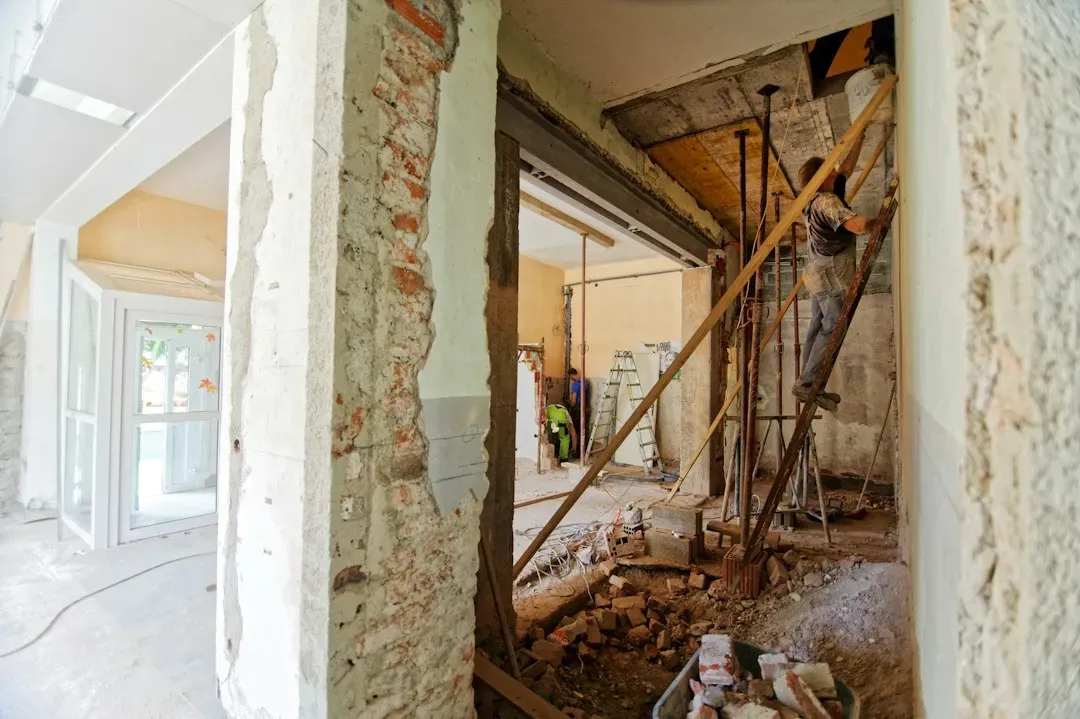
When a faucet drips or a fence panel falls, plenty of middle class parents open a video tutorial before they open their wallets. A weekend and a hardware store trip can replace a plumber’s invoice. Kids often watch, and sometimes help, which teaches practical skills.
Higher income households usually call a professional right away. Their time has a high value, and hiring out the job rarely strains the budget.
Driving a car until it truly gives out

Keeping a vehicle for ten years or more is common among budget conscious families. They stay on top of oil changes, tires, and repairs to avoid a new car payment. A paid off car is a quiet financial win.
Wealthier buyers may lease or trade in every few years for the latest features and safety tech. Depreciation matters less to them because the price is easier to absorb.
Tying allowance to chores and budgets

Many parents use allowance as a teaching tool. Kids earn it by doing household jobs, then decide what to save and what to spend. The lesson is that money arrives in limited amounts.
In some wealthy families, spending is less closely linked to effort or limits. Parents there may need to work harder to create the same sense of tradeoffs, since the real ones are far away.
Encouraging teenagers to get summer jobs

A summer job at a pool, grocery store, or restaurant is a familiar rite for middle class teens. The paycheck often goes toward a phone bill, gas, or savings. Parents also value the discipline of showing up on time.
Wealthier teens may spend summers on unpaid internships, travel programs, or test prep camps. Those paths build different advantages, though they do not teach the same lessons about hourly work.
Picking health insurance by total cost

Middle class parents often study plan details closely. They compare premiums, deductibles, and whether their pediatrician is in network. One surprise bill can disrupt a household budget for months.
Families with large reserves can pick plans based on flexibility and access to specialists. A high deductible is less frightening when the cash to cover it sits in an account.
Keeping an emergency fund and worrying about it

Federal Reserve surveys of household well being have repeatedly found that a sizable share of American adults would struggle to cover an unexpected four hundred dollar expense using cash. Parents who know this build an emergency fund on purpose, often in small automatic transfers. It becomes a safety rail for car repairs and medical bills.
For wealthy families, a four hundred dollar surprise barely registers. Their planning focuses on investments and taxes, not on whether this month’s rent can be paid.
Planning vacations around cost and timing

Family trips often get built around deals. Parents travel in shoulder season, use credit card points, or drive instead of fly. Some pick a rental house with a kitchen so they can cook a few meals.
Wealthier families tend to choose destinations first and prices second. They book when school holidays dictate, even when fares are at their highest.
Filling out financial aid forms early

When college nears, many middle class parents head straight for the FAFSA, the federal aid application. They compare award letters, appeal offers, and calculate net cost rather than sticker price. The process is tedious, yet it can change which school is realistic.
High income families often assume they will not qualify and skip the form altogether. Some pay tuition directly, so the question of aid never really arises.
Weighing student debt against career plans

Parents who cannot write the tuition check think hard about borrowing. They talk with teens about in state schools, community college transfers, and what a degree is likely to earn. Federal loan options, including Parent PLUS loans, are sometimes on the table, and families study the repayment terms.
Wealthier households can fund a degree without debt, so the conversation can focus on fit and interest. Their kids rarely face a monthly loan payment after graduation.
Using free local resources

Libraries, parks, community pools, and town festivals fill a lot of middle class family calendars. Many libraries now lend not only books but also museum passes, tools, and streaming access. It is entertainment and education without a price tag.
Families with more money often pay for private clubs, camps, and lessons. Those can offer polish and connections, but they bypass the community spaces that other parents rely on.
Reviewing bills and subscriptions regularly

A monthly look at the bank statement is a habit many parents swear by. They cancel unused streaming services, renegotiate internet rates, and shop around for car insurance. Small leaks add up over a year.
Wealthier households can let recurring charges drift unnoticed, because a forgotten subscription hardly affects their finances. Careful tracking is a luxury of necessity, and it tends to belong to those who need it.





Leave a Reply