
Nobody announces it at the dinner table. One year the matching pajamas stay in the drawer, and the next year no one brings up the annual photo shoot. Parenting teenagers often means loosening your grip on rituals that once felt permanent.
This isn’t necessarily a sign of drift. Adolescence is a stretch when independence, schedules, and identity all shift at once, and families adjust in small, mostly unspoken ways. Here are seven traditions that many parents say fade out, and why.
The Mandatory Nightly Family Dinner
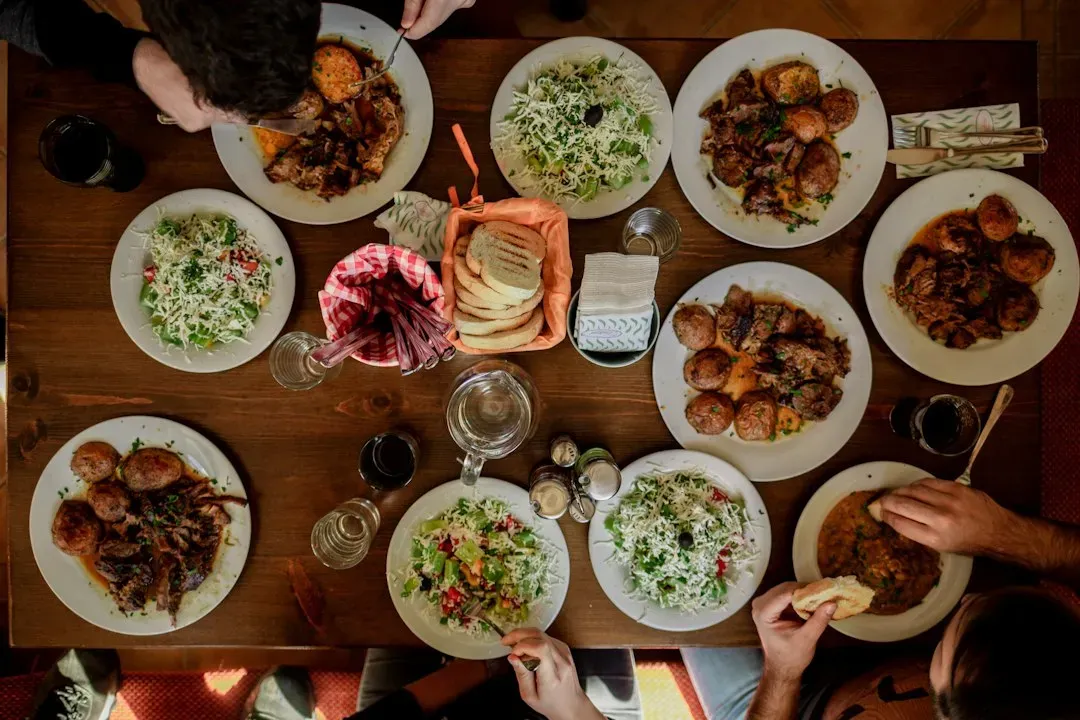
Research has long linked regular family meals with better outcomes for kids, which is why many parents hold onto the idea so tightly. Yet teen life gets in the way. Practices, part-time jobs, homework, and late club meetings push the dinner hour around.
Many families now settle for fewer shared meals, often a couple of anchor nights a week, or swap in breakfast or a weekend meal. The goal shifts from perfect attendance to real conversation. A phone-free twenty minutes tends to beat a stiff hour of obligation.
Matching Holiday Pajamas and Staged Photos
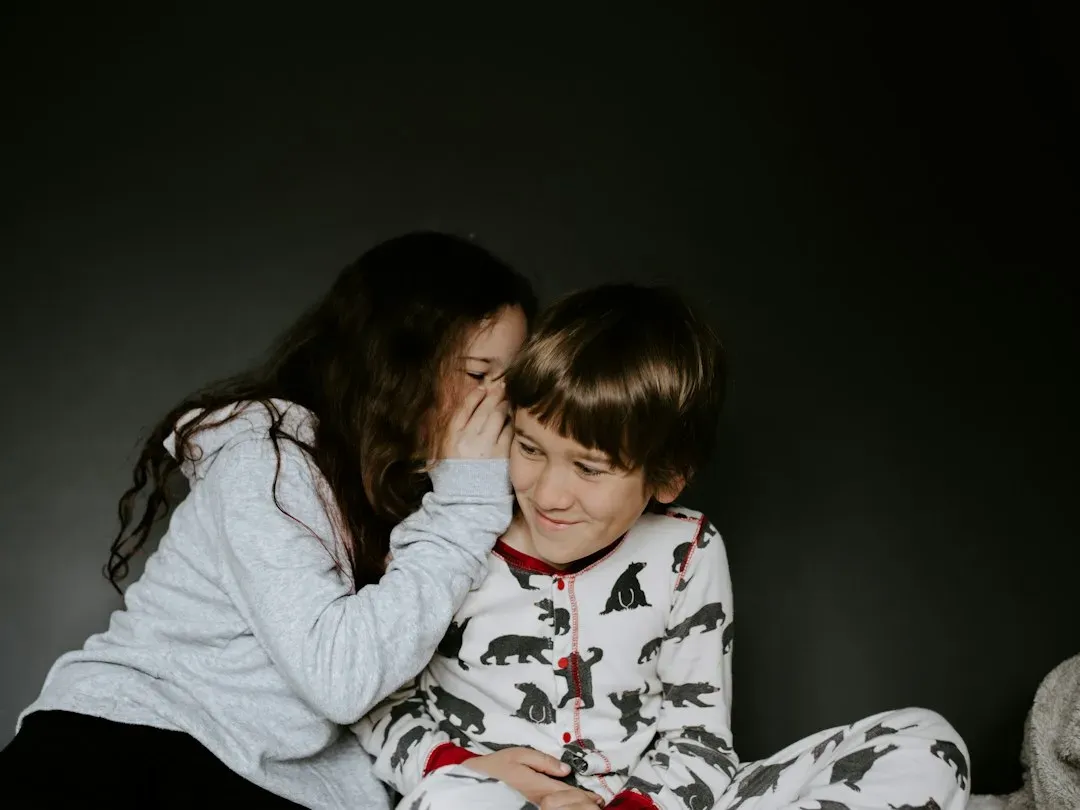
The coordinated outfits that looked adorable on a seven-year-old rarely survive a fifteen-year-old’s opinion about their image. Teens are highly sensitive to how they appear to peers, and posed photos often feel like a performance for them. Parents who push the issue usually get stiff smiles and long sighs.
Many quietly retire the formal shoot. Candid snapshots during an actual activity, like baking or a hike, often replace it. Teens tend to tolerate those far better.
Elaborate Birthday Parties

Themed parties with games, goody bags, and a crowd of classmates fade as kids reach the teen years. Teens usually prefer a small group of close friends, a meal out, or a low-key sleepover. Some would rather skip the fuss entirely.
Parents often respond by shifting to experiences, such as concert tickets or a favorite restaurant. The celebration shrinks, but it can feel more personal. Letting the teen choose the plan is usually what makes it work.
Santa and Other Childhood Holiday Rituals
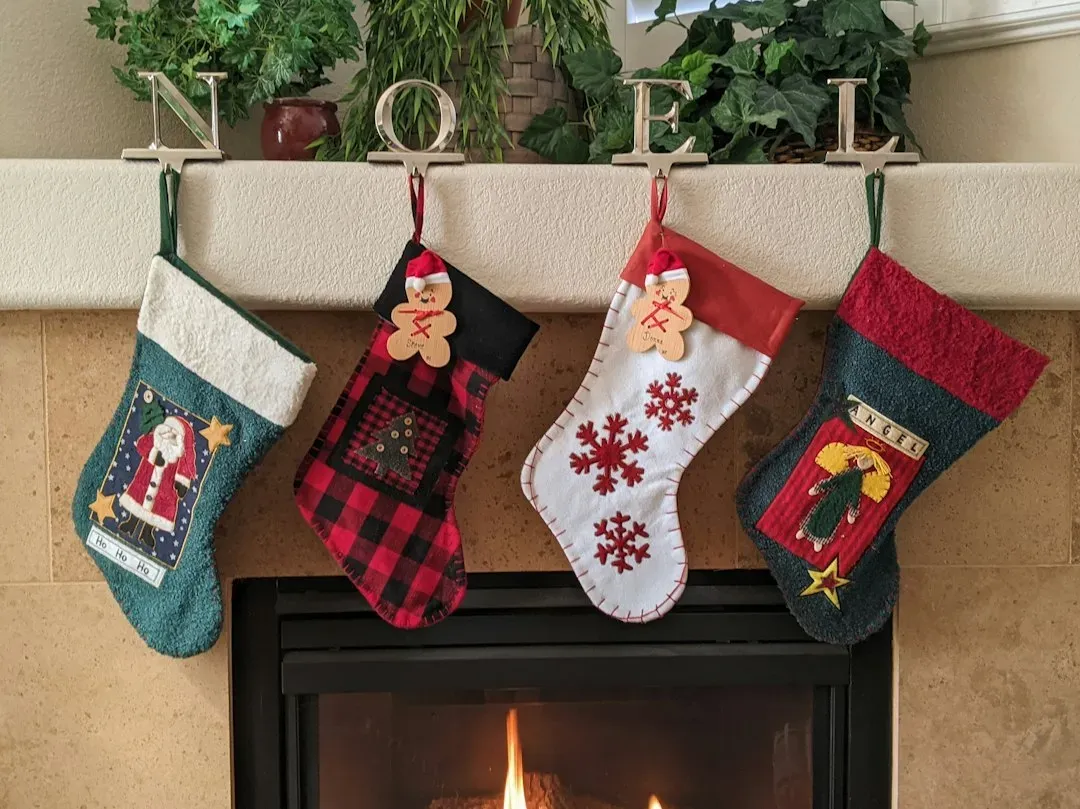
Milk and cookies for Santa, the Elf on the Shelf, and the Easter egg hunt generally wind down once kids age out of the magic. Parents often keep a softened version, like stockings, because the sentimental pull remains. Still, the staged theatrics tend to stop.
Some families transform these rituals instead of dropping them. Teens might help run the egg hunt for a younger sibling, or take over the cooking of a holiday dish. Taking on a role often keeps a tradition alive in a form teens accept.
Annual Family Vacations Planned Entirely by Parents

The one-week trip with a packed itinerary gets harder to sustain when teens have jobs, sports tournaments, and summer programs. Calendar conflicts alone can shrink or cancel a vacation. Teens may also resist spending long stretches away from friends.
Parents increasingly shorten trips, plan around a teen’s availability, or invite them into the planning. Giving a teenager a say, such as choosing one activity per day, can make a smaller trip feel worthwhile. Long weekends often replace the big annual getaway.
Bedtime Routines and Reading Aloud

Tucking in and reading a chapter together are some of the sweetest rituals of childhood, and some of the first to go. Teens need more sleep than they often get, yet they naturally shift to later bedtimes and want privacy at night. A parent hovering at the door can feel intrusive.
Many parents replace the ritual with a quick check-in, a goodnight chat, or a few minutes sitting on the bed when the teen invites it. Those late conversations often turn out to be some of the most open ones. The format changes, but the connection remains.
Weekly Family Game or Movie Night
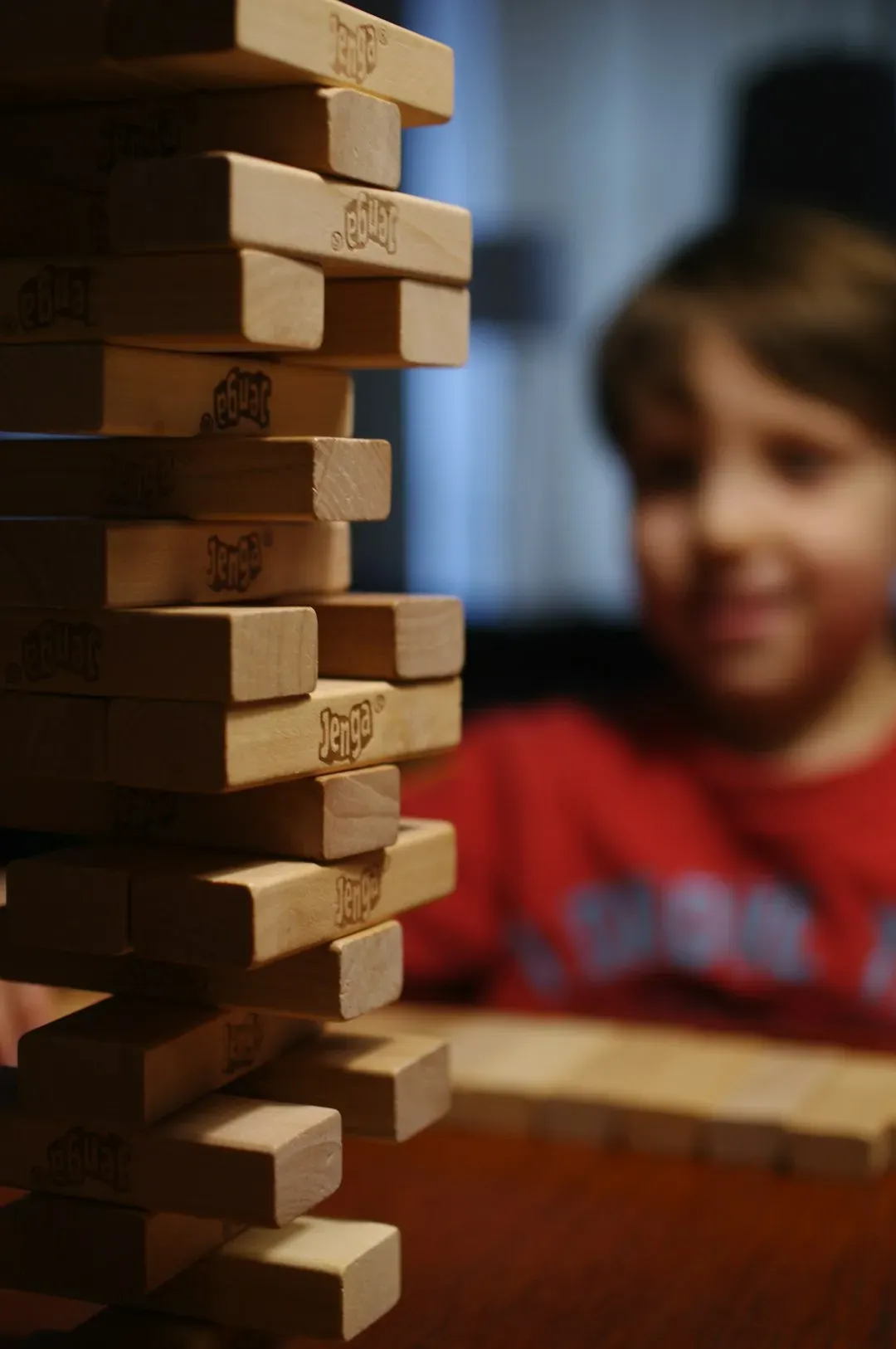
The scheduled Friday night rarely survives a teen’s social calendar. Friends, dates, and part-time shifts compete for the same slot. A fixed requirement can also start to feel like a chore.
Families who keep the habit usually make it flexible, holding it when everyone happens to be home instead of every week. Letting teens pick the film or the game improves the odds they’ll show up. Others replace it with spontaneous moments, like a late-night snack run or a drive together.





Leave a Reply