
Check in at a hotel in Ohio, Minnesota, or Iowa, and you’ll often notice a certain rhythm. The front desk clerk is warm, the lobby smells faintly of waffles, and somebody asks how your day is going before you’ve set down your bag. For visitors from countries where hotel service is more formal or more reserved, this can feel like a lot.
None of it is meant to confuse. These habits grow out of regional hospitality, American hotel norms, and a practical streak that runs through the Midwest. Still, a few of them can leave first-time visitors wondering what exactly is expected of them.
Friendly Small Talk at the Front Desk
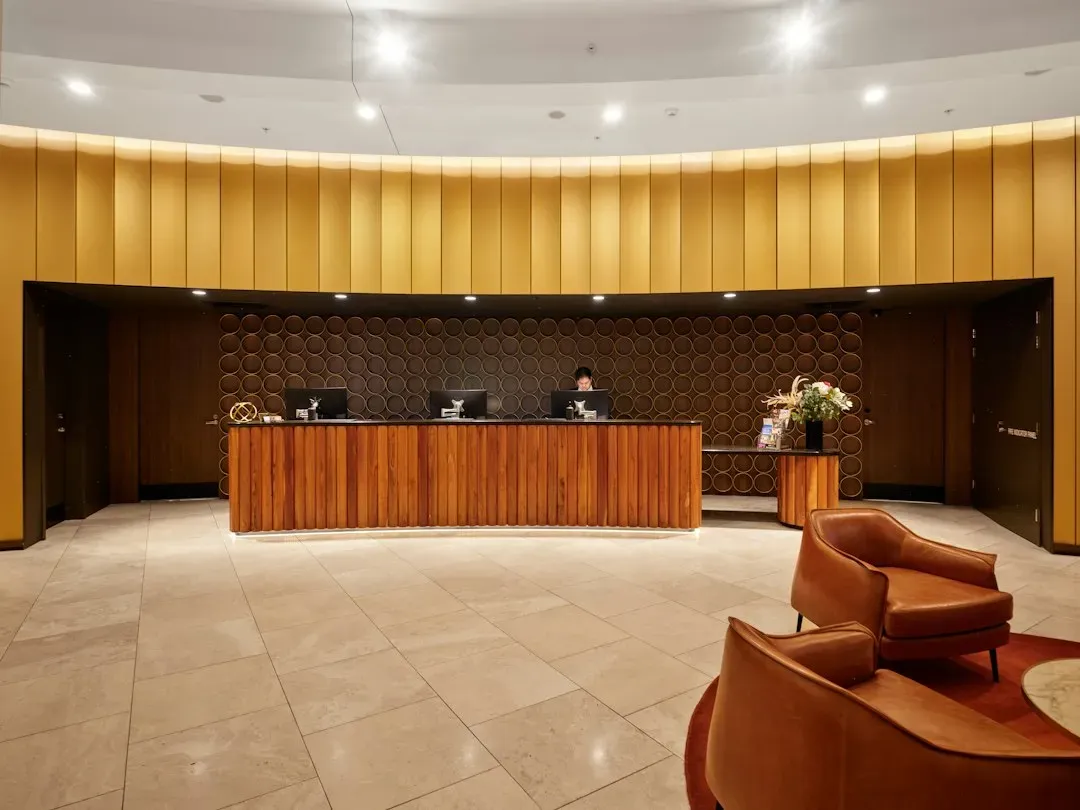
Midwestern clerks often chat while they check you in. They may ask where you’re traveling from, whether the drive was rough, or what brings you to town. Visitors used to quick, businesslike check-ins can wonder whether they’re supposed to answer in detail.
A short, friendly reply is plenty. The conversation is a courtesy, not a test, and nobody is waiting on a long story. Smiling and saying a little about your trip usually does the job.
The Free Breakfast That Isn’t Quite a Restaurant
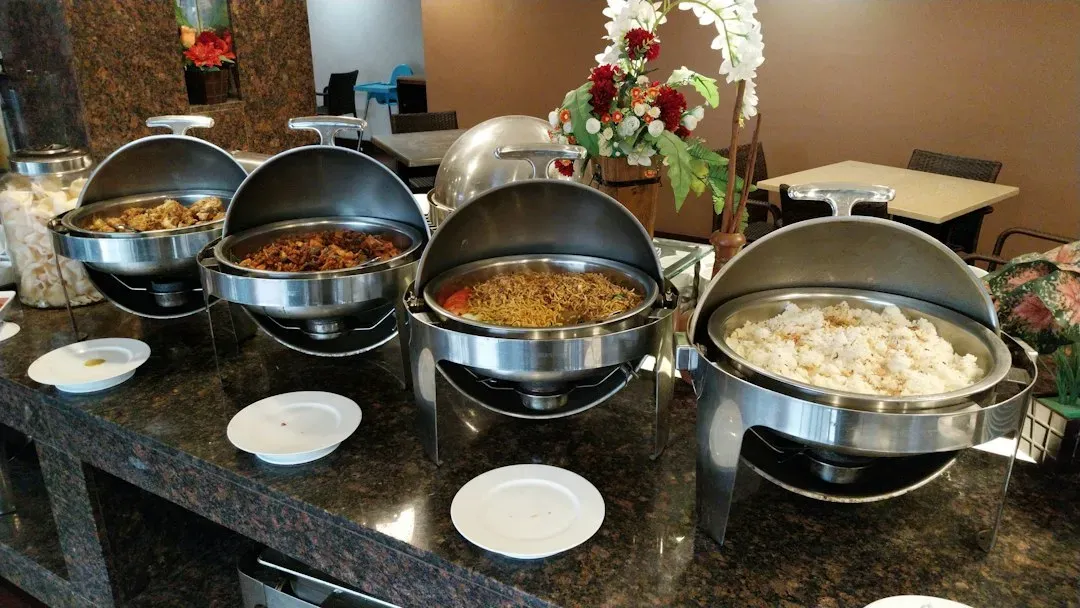
Many midrange hotels across the region include a complimentary breakfast in the price. It’s typically a buffet or self-serve counter with waffle makers, scrambled eggs, cereal, yogurt, and coffee. Guests from places where breakfast means a seated, served meal may be surprised by the paper plates and the DIY approach.
The waffle machine in particular tends to fascinate newcomers. You pour batter into a rotating iron, wait for a beep, and flip it out yourself. It’s casual, a bit chaotic at peak hours, and part of the charm for many guests.
Ice Machines on Every Floor
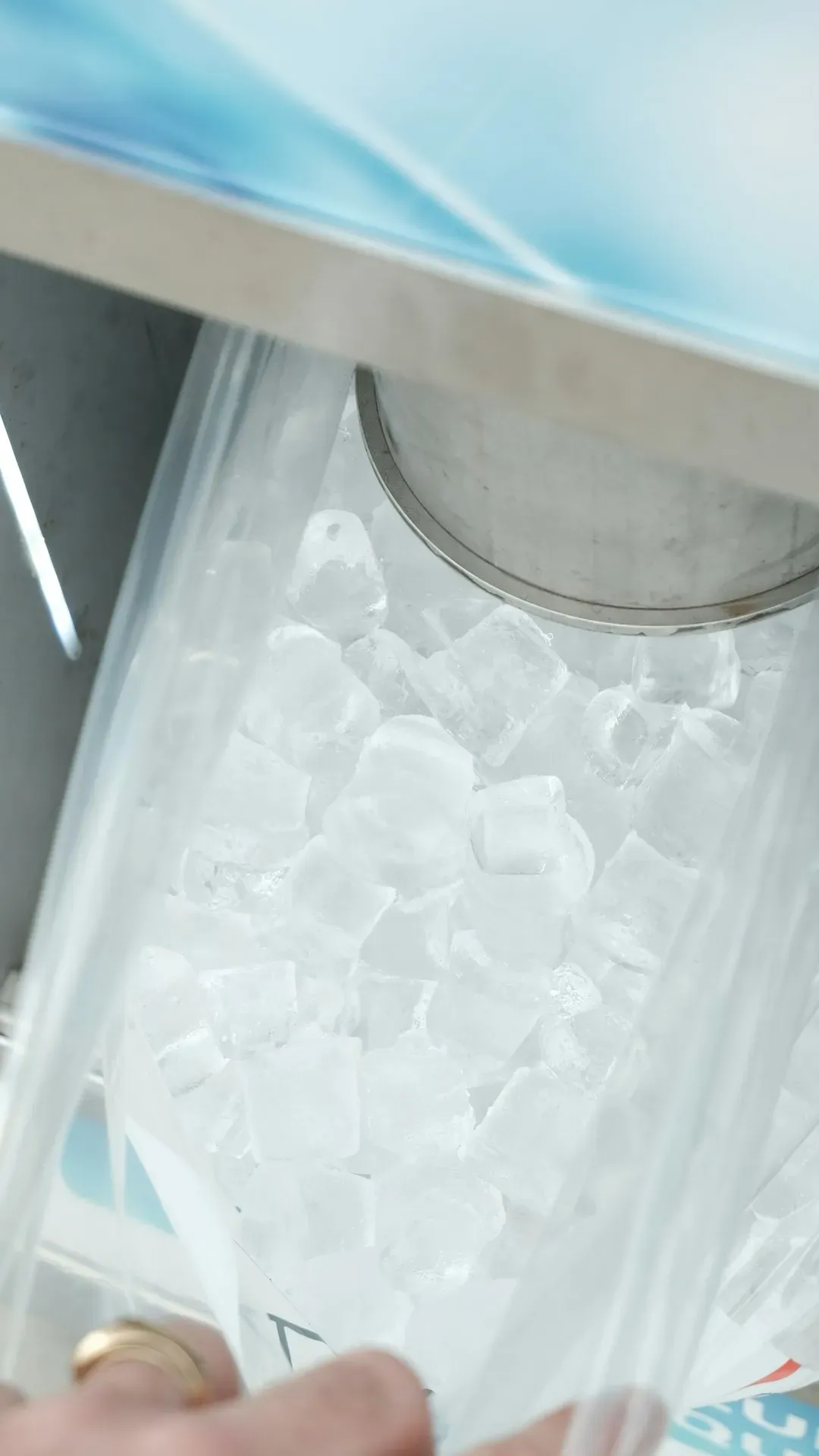
Walk down a Midwestern hotel corridor and you’ll usually find an alcove with an ice machine, and often a vending machine beside it. Ice is a standard expectation in American hotels, and many guests carry it back to their rooms in a plastic bucket. Travelers from regions where drinks are served mostly without ice may not see why it needs such prominence.
The setup is simply a convenience. Guests can chill drinks from the vending machine or keep snacks cold in the room without calling anyone. If you don’t use it, nobody will mind.
Tipping Housekeeping and Staff

Tipping is common in the United States, and hotels are no exception. Many travelers leave a few dollars for housekeeping each day, ideally in a visible spot with a note so it’s clear the money is meant for staff. Visitors from countries where service charges are included, or tipping is unusual, can find this unclear.
Leaving money daily rather than once at the end is often recommended, since different housekeepers may clean the room on different days. Bellhops and shuttle drivers also tend to expect a small tip. Asking the front desk about local custom is perfectly acceptable.
Room Doors That Lock Automatically and Do Not Open Easily
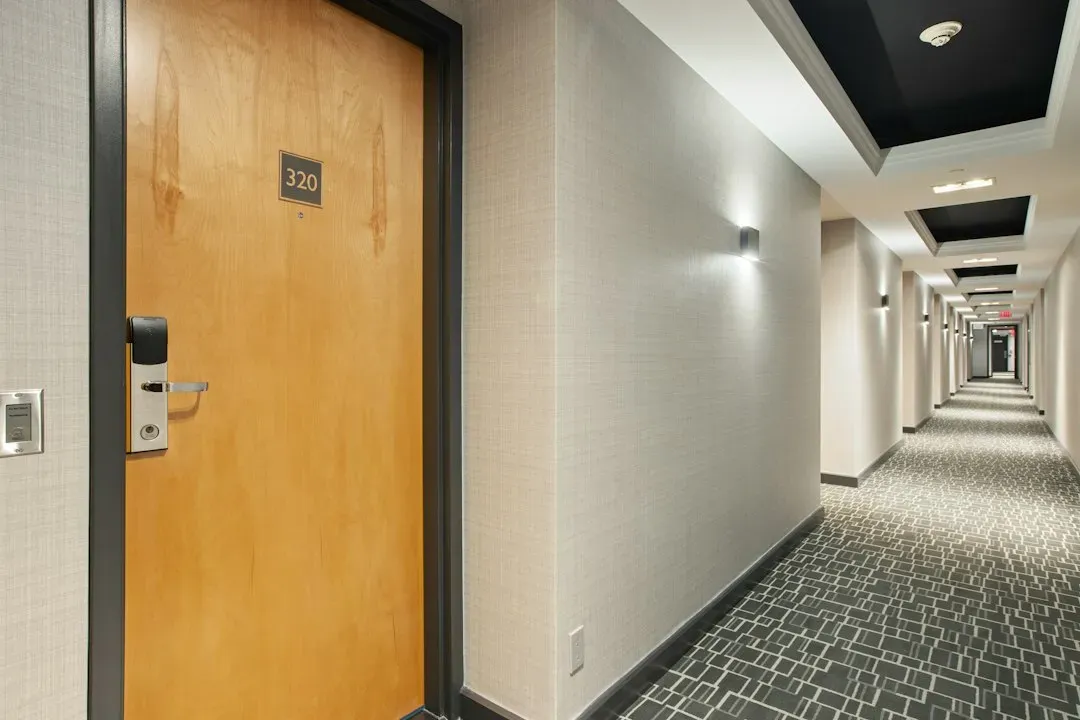
Hotel room doors in the region are typically self-closing and lock behind you. Many also have a deadbolt, a swing bar, and a peephole. Guests used to simpler locks sometimes find the combination more than they expected.
The design is about safety and convenience, but it can lead to a classic moment: stepping into the hallway for ice and realizing your key card is inside. Most front desks will reissue a card quickly. It’s worth carrying the card whenever you leave, even for a short trip.
Pools, Heated Indoors, and Open Late

An indoor pool is a major selling point for Midwestern hotels, given the long, cold winters. Families often treat it as the main attraction, and some properties pair it with a hot tub and a small water play area. International guests might not expect to see swimsuits in the lobby in January.
Rules are usually posted by the entrance. Common ones include no lifeguard on duty, a required room key to enter, and children needing adult supervision. Reading them is a good idea, as hours and limits vary from one hotel to the next.
Quiet Hours and the Polite Complaint
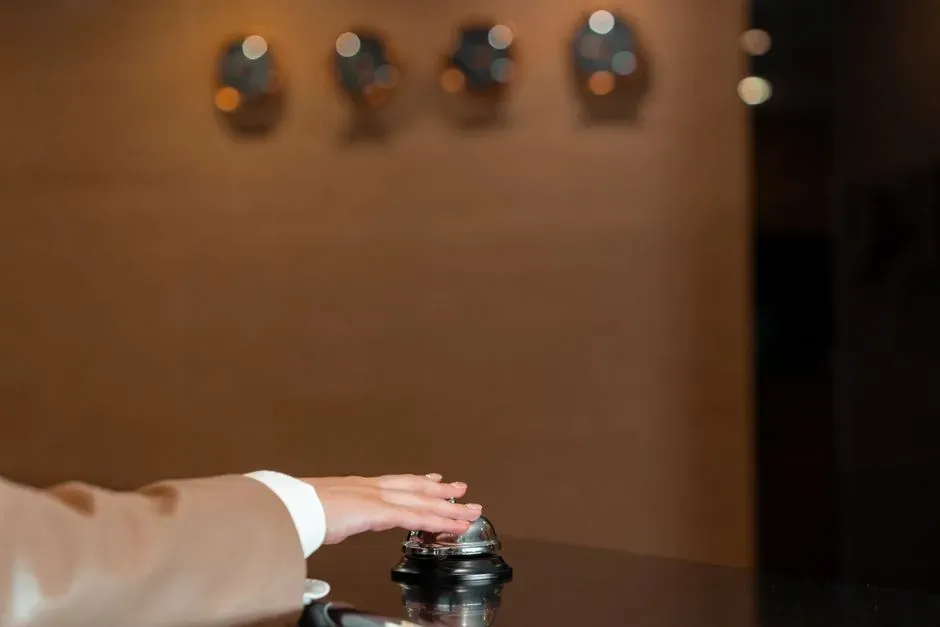
Midwestern guests tend to avoid confrontation, so a noisy neighbor is more likely to prompt a quiet call to the front desk than a knock on the door. Hotels commonly set quiet hours in the evening, and staff will usually handle noise complaints discreetly. Visitors accustomed to directly addressing a problem may find the indirect route puzzling.
If something bothers you, calling the desk is the normal step. Staff generally respond with a polite call or visit to the other room. Expect an apologetic tone, and sometimes an offer to move you if the issue continues.





Leave a Reply