
Picture a kitchen from 1985. There’s a wall phone with a long curly cord, a casserole dish cooling on the stove, and a TV humming from the next room. Dinner then ran on different rules, different gadgets, and a different sense of what counted as a normal weeknight meal.
Plenty of today’s habits have roots in that decade, and plenty have faded. Here are twelve ways the 1980s family dinner stood apart from the way many of us eat now.
The Microwave Moved Into the Kitchen
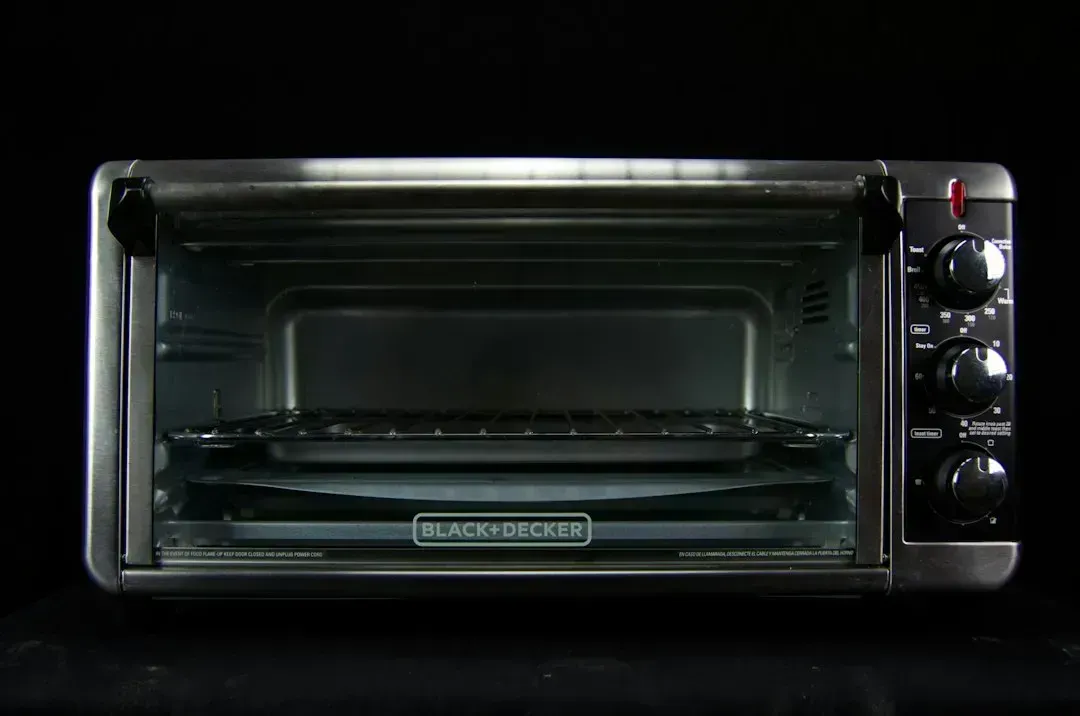
Microwave ovens had existed for years, but the 1980s were when they became ordinary household equipment. Prices fell during the decade, and by the end of it most American homes had one on the counter.
Families used them to reheat leftovers, melt butter, and cook frozen meals in minutes. Popcorn in a paper bag became a typical household snack. Some cooks even tried to roast whole dinners in them, with mixed results.
Casseroles Ruled the Weeknight
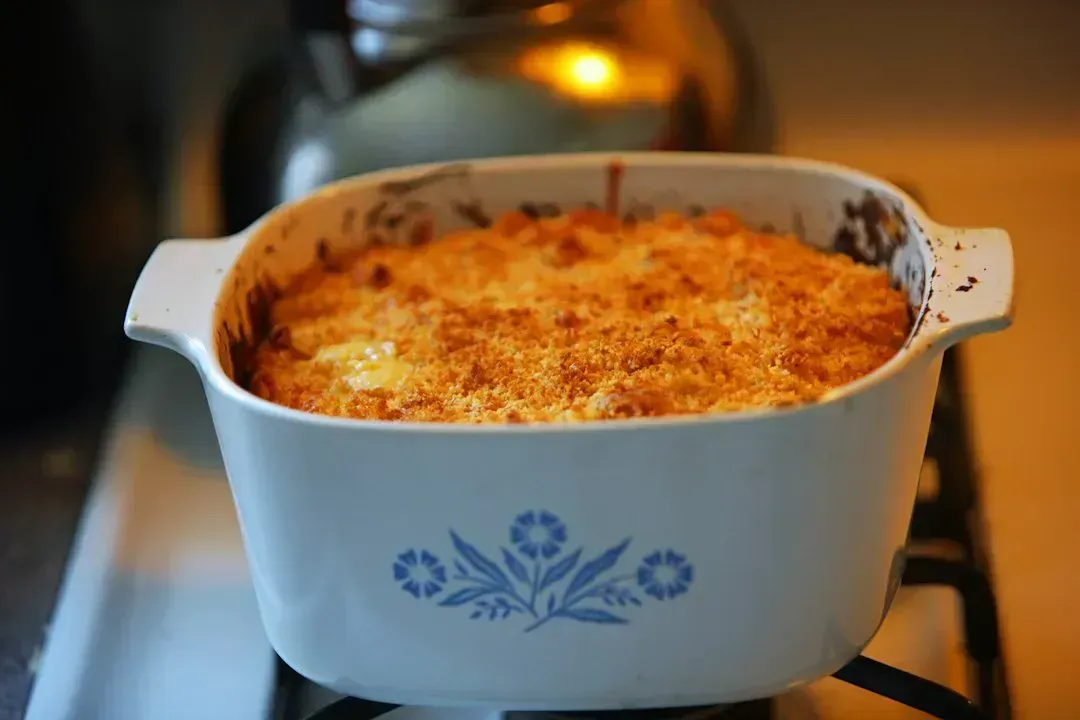
The casserole was a workhorse of 1980s home cooking. Many recipes leaned on canned condensed soup as a quick sauce, mixed with pasta, rice, or vegetables and topped with cheese or crushed crackers.
The appeal was practical. You assembled it in one dish, baked it, and fed a crowd on a budget. Tuna noodle bake and chicken and rice dishes showed up on a lot of family tables.
Boxed Helpers Became a Pantry Staple
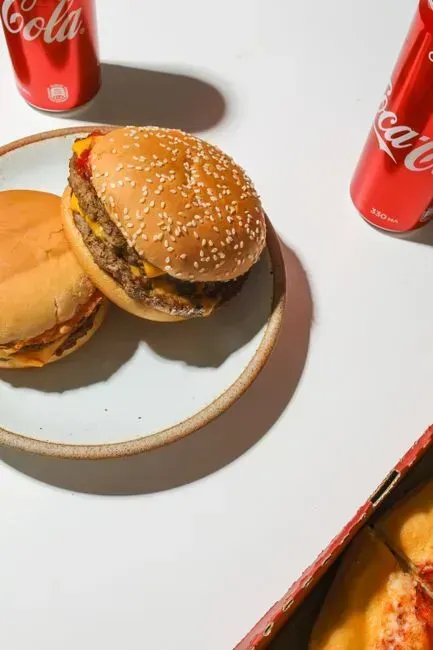
Packaged dinner kits grew popular as a shortcut for busy parents. Hamburger Helper, which had launched in the early 1970s, was still a fixture, and similar boxed meals filled grocery shelves.
You browned some ground beef, stirred in a pouch of seasoning and pasta, and dinner was done in under half an hour. It wasn’t fancy, yet it solved a real problem for households juggling work and kids.
TV Trays and Dinner in Front of the Screen
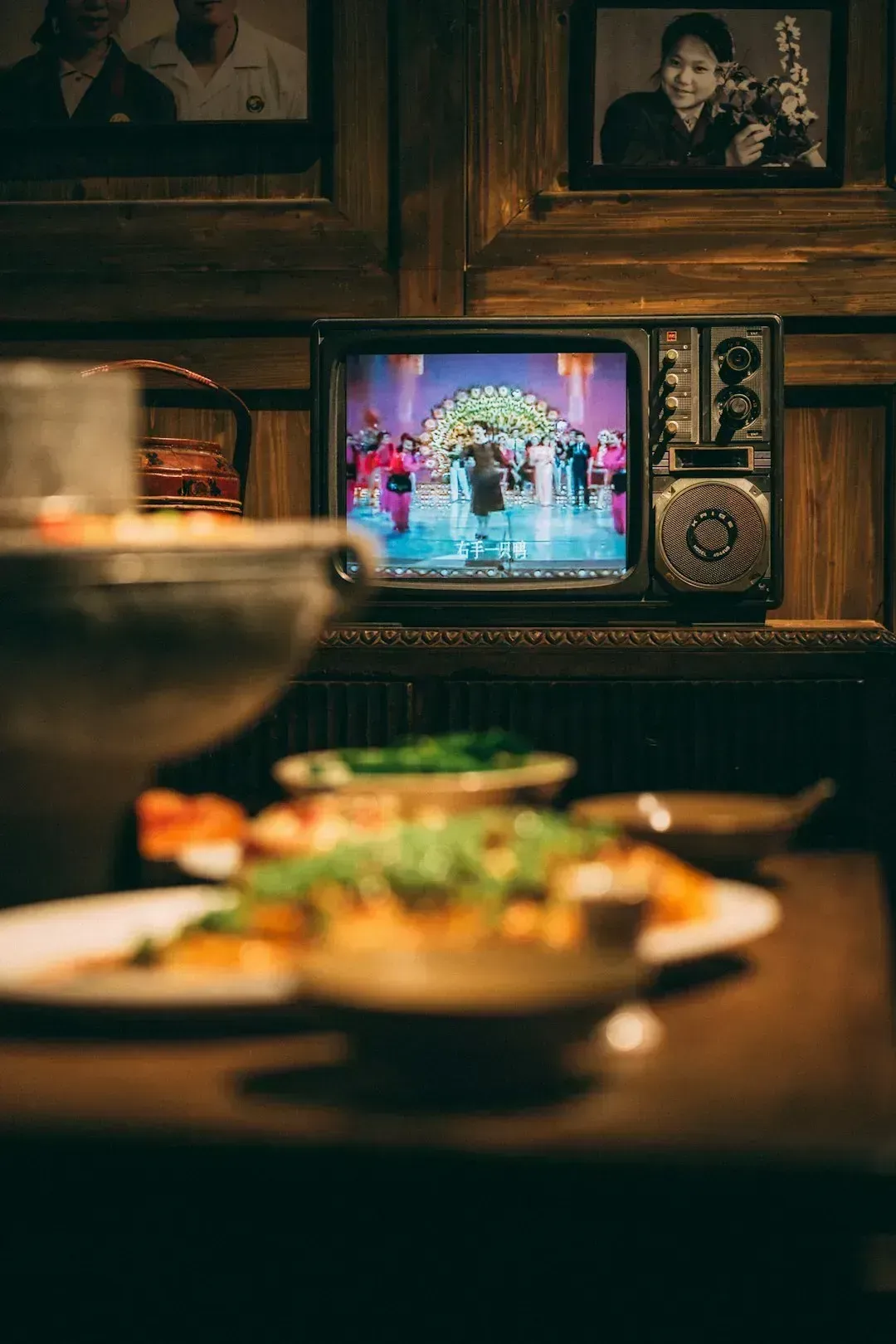
Folding TV trays were a familiar piece of furniture in many homes. Some families ate at least a few meals a week in the living room, plates balanced on their laps or on a tray.
The set was usually one big cabinet or console model with only a handful of channels. When the evening news or a favorite sitcom came on, dinner often adjusted to fit the schedule. Nobody was holding a personal screen, though, so the whole family watched the same thing.
The Phone Was on the Wall, and It Rang During Dinner

Most homes had a landline, often attached to the kitchen wall. A ringing phone at dinnertime could pull someone away from the table, which led many parents to set rules about calls.
Answering machines became more common as the decade went on. They let families let the phone ring without missing a message. That small change gave some households a bit more peace during the meal.
Frozen Dinners Got a Makeover
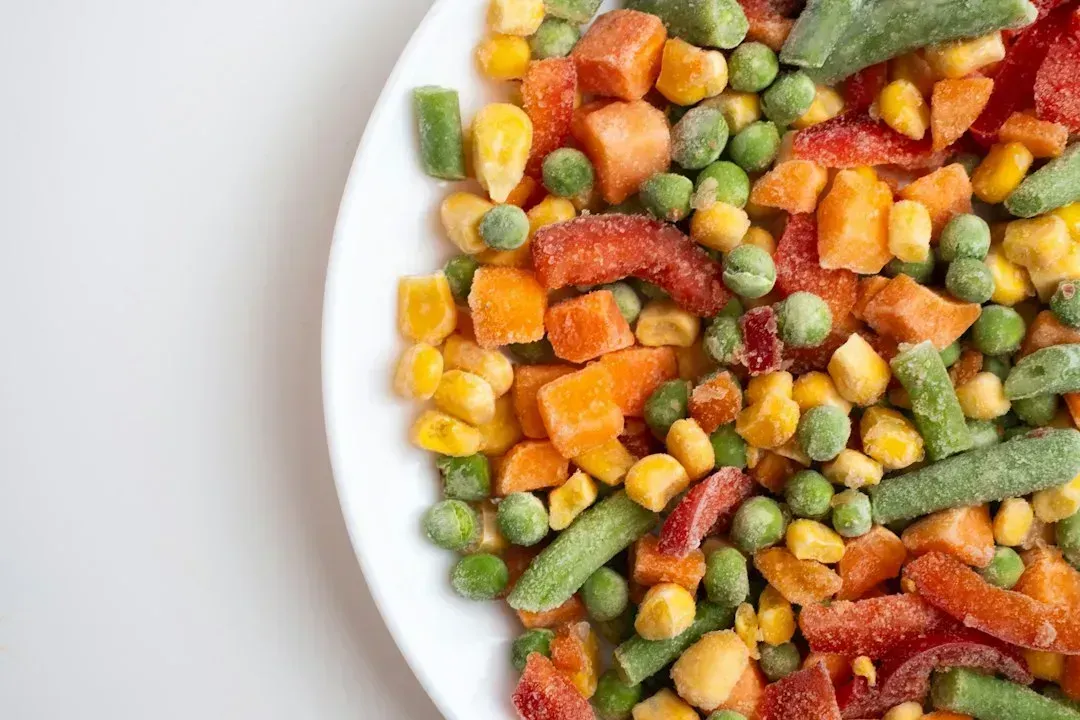
Frozen meals were not new, since TV dinners dated back to the 1950s. In the 1980s, they changed with the times, and Lean Cuisine arrived in 1981, aimed at people watching their calories.
Frozen entrees were no longer only for kids or bachelors. They turned up in family freezers as a backup plan for nights when no one had time to cook. Paired with the microwave, they made a hot meal almost effortless.
Fast Food Was a Treat, Not a Routine
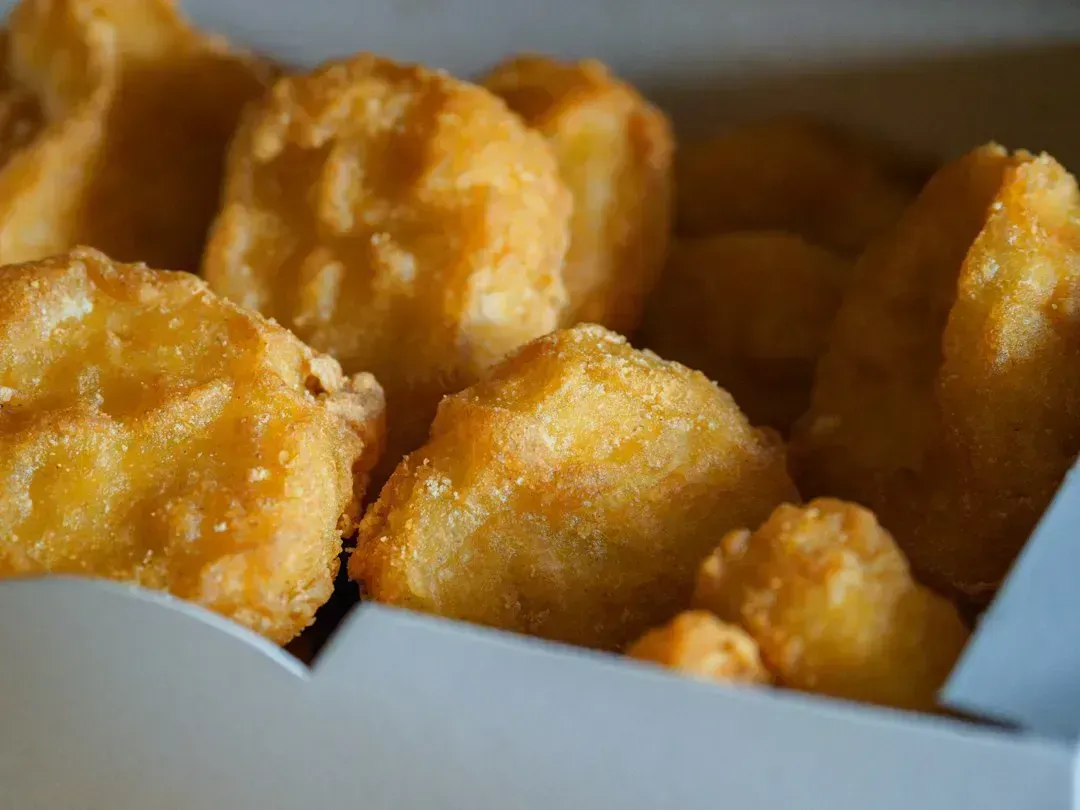
Fast food was growing quickly in the 1980s, and McDonald’s introduced Chicken McNuggets nationally in 1983. Even so, eating out was often considered an occasional reward rather than a weekly default.
Delivery options were also much narrower than today. Pizza was the main food brought to the door, and chains competed on speed. There were no apps, so you called in your order and waited by the phone.
Jell-O Salads and Canned Vegetables Hung On
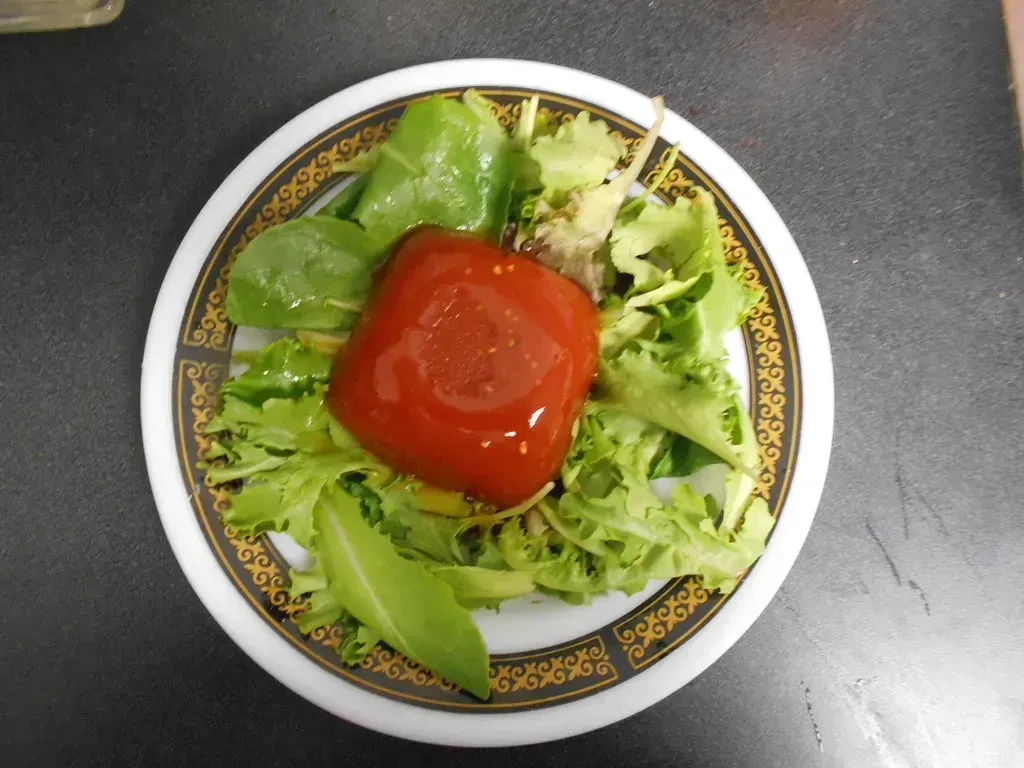
Many 1980s tables still carried traces of mid century cooking. Gelatin salads with fruit or even vegetables suspended inside appeared at holidays and potlucks, and canned corn, green beans, and peas were everyday sides.
Fresh produce was less varied in the average supermarket than it is now. Iceberg lettuce was the standard salad base, and fresh herbs or unusual greens were harder to find. Canned and frozen options filled the gap reliably.
More Mothers Worked, and Dinner Adapted

The number of women in the paid workforce had been rising for years, and that shaped how dinner got made. Shortcuts, slow cookers, and make ahead meals grew in popularity because fewer households had someone home all afternoon to cook.
Many children came home to an empty house after school, and the term latchkey kid entered common talk. Dinner might be started by a kid following a note, with a parent finishing it when they got home. Responsibility for the meal was slowly starting to spread across the family.
The Table Had Firmer Rules
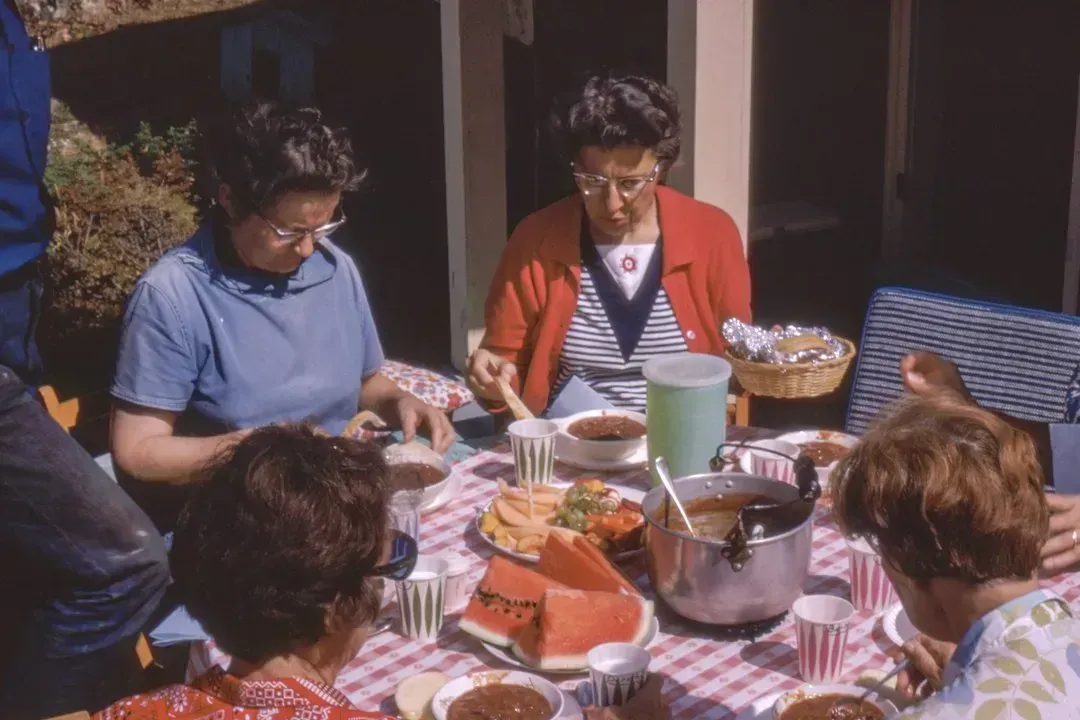
Plenty of 1980s parents expected the family to sit down together, wash up beforehand, and stay until the meal was over. Finishing what was on your plate was a common expectation, sometimes tied to dessert.
Milk was a standard drink for kids, and adults might have coffee or a cocktail afterward. Smoking indoors was still common in many homes, so the end of dinner could look quite different than it does today. Manners were taught at the table, mostly by repetition.
Health Trends Showed Up on the Plate

Nutrition advice shifted during the decade, with a strong focus on cutting fat and cholesterol. Late in the 1980s, oat bran became a short lived craze, showing up in muffins, cereals, and even snack foods.
Low fat margarine, diet products, and fiber cereals started filling carts. Some of the advice has since been revised, and nutrition science has moved on. Still, the decade marked a moment when ordinary families began reading labels more closely.
Recipes Came From Cards, Cookbooks, and Magazines
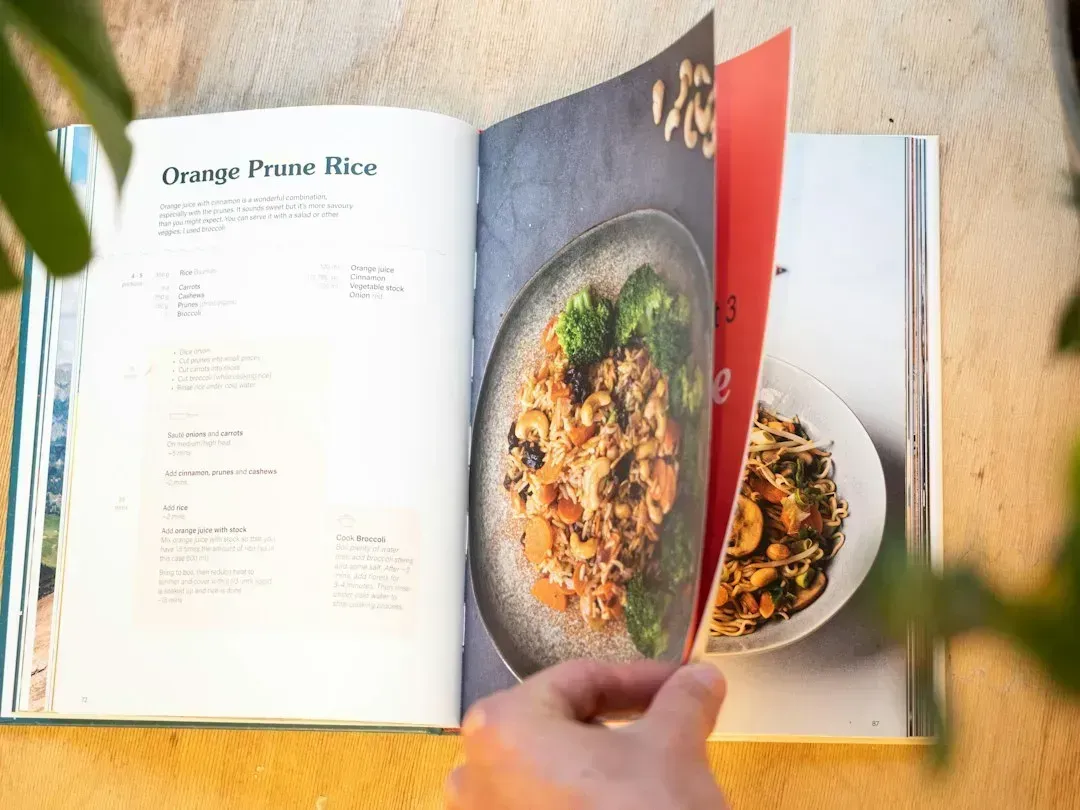
With no internet to search, cooks relied on recipe boxes, handwritten cards, and cookbooks from brands like Betty Crocker. Women’s magazines and the food section of the newspaper also supplied new ideas each week.
Grocery trips followed a written list, and meal planning often came from a rotation of familiar dishes. Cooking shows on television were fewer, so friends and relatives passed along favorites by hand. That slower flow of ideas helps explain why so many 1980s tables looked alike.





Leave a Reply