
1. Rinsing raw chicken under the tap
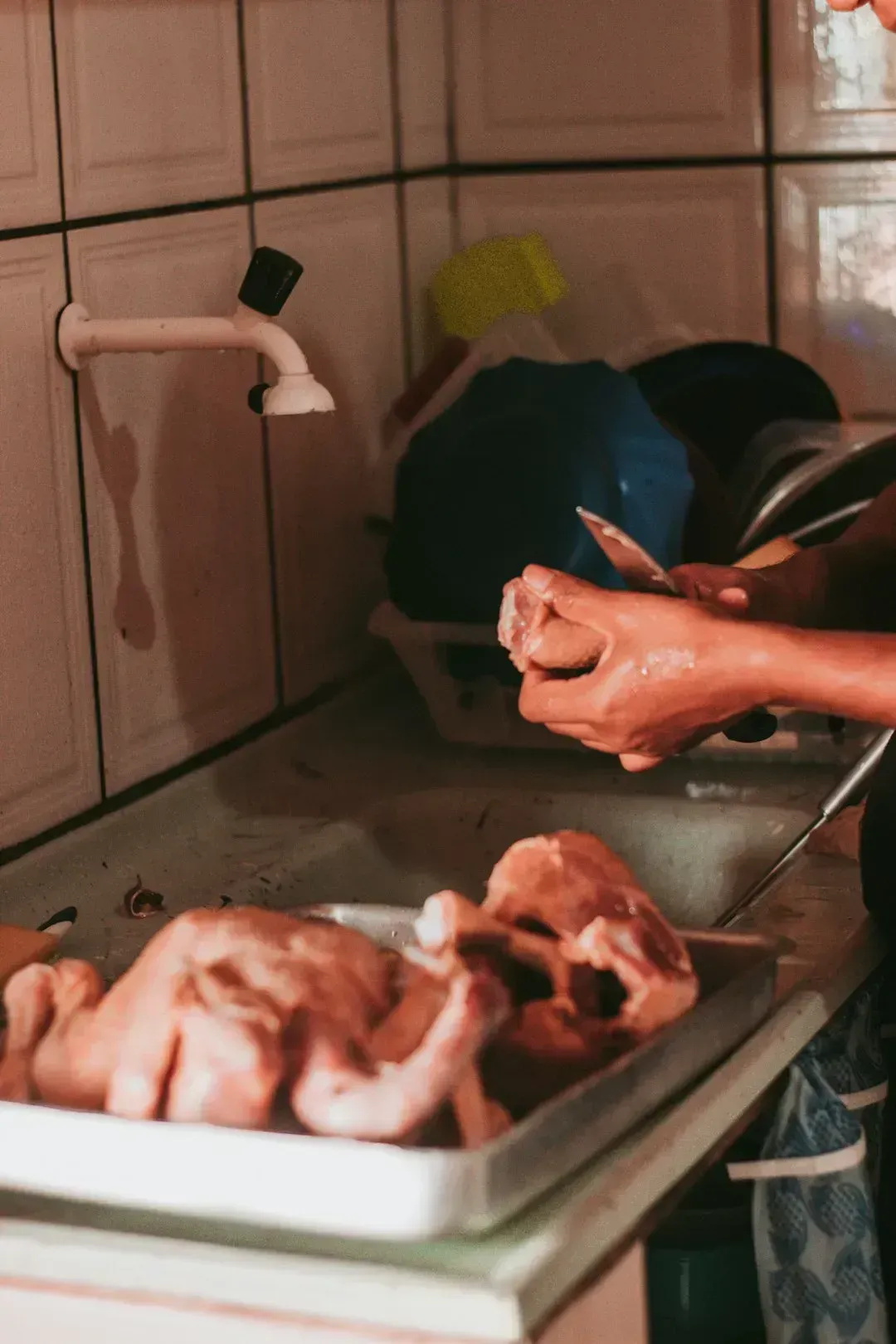
This is probably the single habit that makes professional cooks and food safety experts wince the hardest. USDA research has found that washing or rinsing meat or poultry increases the risk for cross-contamination in the kitchen, which can cause foodborne illness, and washing raw poultry before cooking is not recommended as the safest method. The instinct makes sense on the surface. It feels cleaner. It just isn’t.
The problem is what happens to the water. Research shows that washing meat or poultry in water spreads bacteria throughout the kitchen onto countertops, other food, towels and you, and water can splash bacteria up to three feet surrounding the sink. Chefs know that heat, not water, is what actually kills salmonella, so they skip the rinse and go straight from package to pan.
2. Using one cutting board for everything
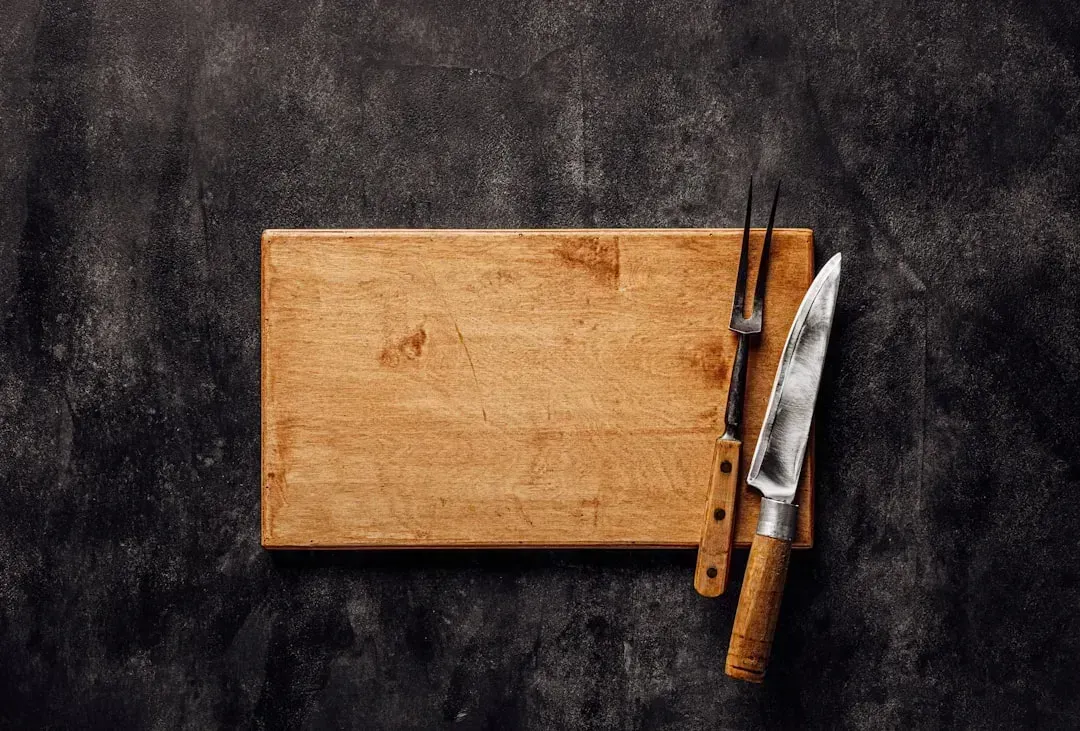
A single board for chicken, vegetables, and bread might feel efficient, but it’s one of the fastest ways to spread illness in a home kitchen. Food safety guidance recommends using one cutting board or plate for raw meat, poultry, and seafood and a separate cutting board or plate for produce, bread, and other foods that won’t be cooked. Professional kitchens take this further with color-coded systems that leave no room for guessing.
It’s not just about the board’s surface either. Every time someone switches from chopping raw meat to slicing fresh vegetables, they risk transferring harmful bacteria, since pathogens like salmonella and E. coli can linger on grooves and scratches in a cutting board. A chef watching someone flip a board over and keep chopping, without washing it, will notice immediately.
3. Skipping handwashing between raw meat and other tasks
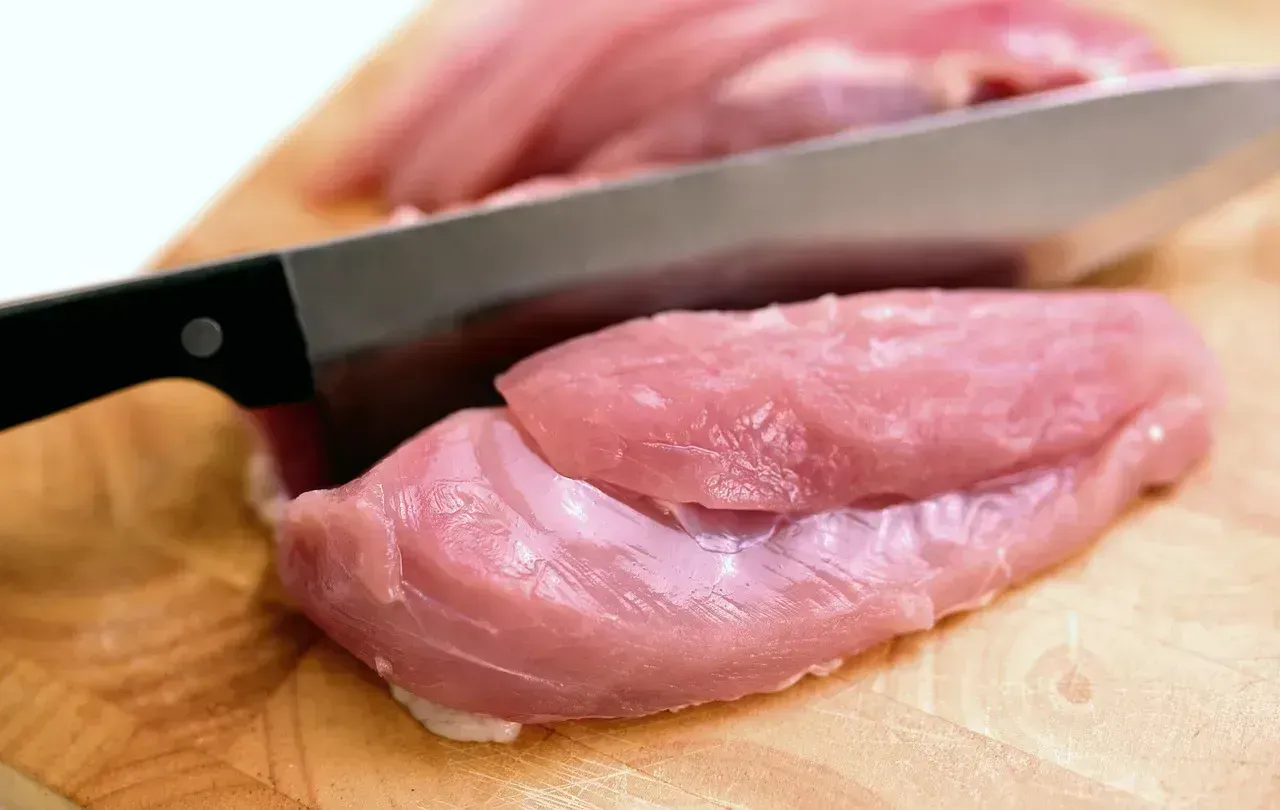
Touching raw chicken, then grabbing a spice jar or a phone without washing hands first, is a habit almost everyone has fallen into at some point. It sounds minor, but it’s a direct transfer route for bacteria. Health officials recommend washing hands immediately after handling raw meat and poultry, wetting hands with water, lathering with soap, and scrubbing for twenty seconds.
Chefs are trained to treat this almost like a reflex, not an afterthought. In professional kitchens, a hand that’s touched raw protein doesn’t touch anything else until it’s been washed properly. Watching someone skip that step at home, especially right before they handle a salad or bread, is one of the quicker ways to lose a chef’s confidence in the meal.
4. Double-dipping the tasting spoon
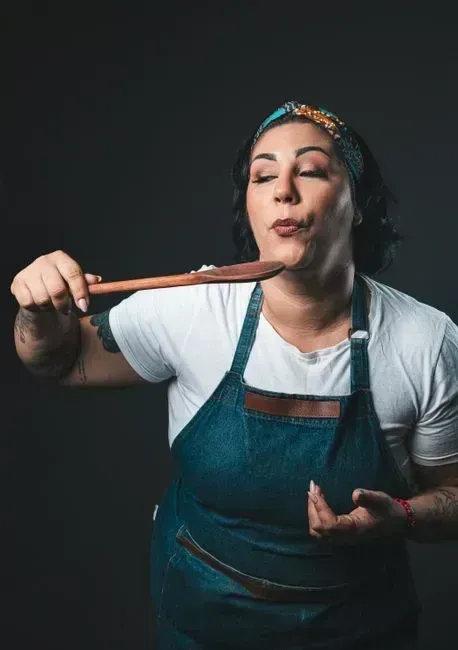
Tasting as you cook is good practice. Tasting with the same spoon, then dipping it straight back into the pot without rinsing it, is where things go wrong. Saliva introduces bacteria into a shared pot, and if that pot sits at a warm temperature for a while, those bacteria have time to multiply.
It’s a small thing, but chefs notice it because it reflects a broader habit of cutting corners under time pressure. The fix costs almost nothing: keep a small cup of clean spoons nearby, or rinse the one you’re using between tastes. It’s one of those habits that separates a careful cook from a rushed one.
5. Letting food cool on the counter before refrigerating
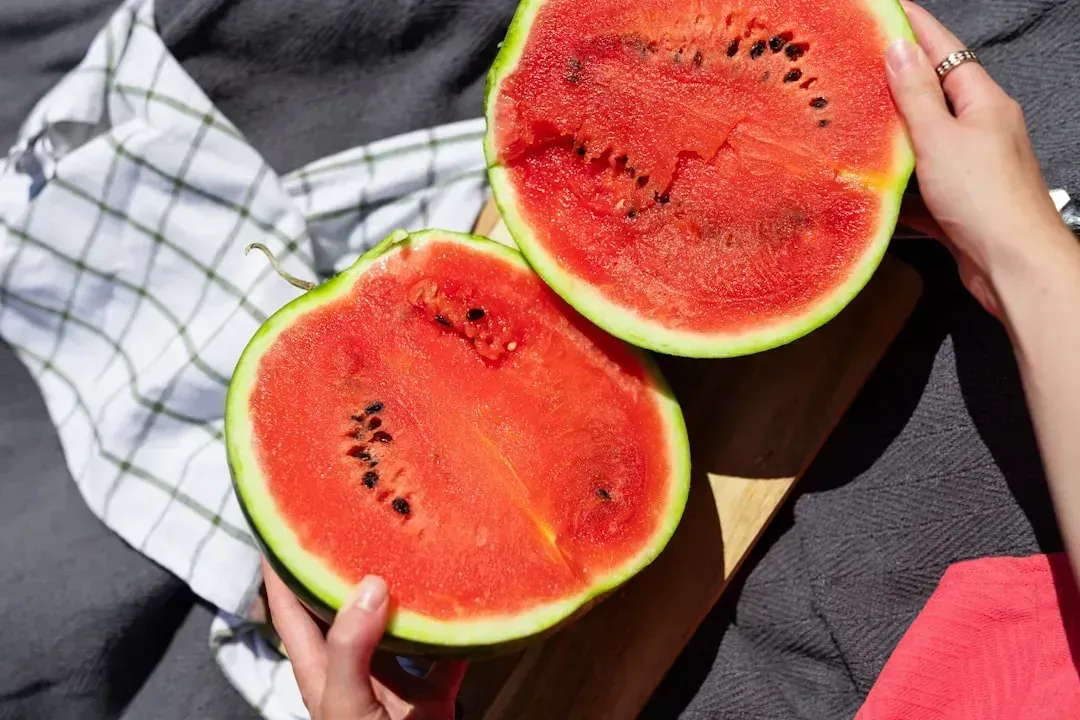
Waiting for a pot of soup or a tray of roasted vegetables to cool fully before putting it away feels considerate, almost like giving the fridge a break. Unfortunately, it gives bacteria a longer window to grow. Perishable food including meat, seafood, dairy, cut fruit, some vegetables, and cooked leftovers should be refrigerated within two hours.
Chefs generally split hot food into smaller, shallower containers specifically so it cools faster once refrigerated, rather than waiting for it to cool on the stove first. That two hour window matters more than most people realize, especially in a warm kitchen during summer months. It’s a habit that’s easy to fix once you know the reasoning behind it.
6. Overcrowding the pan
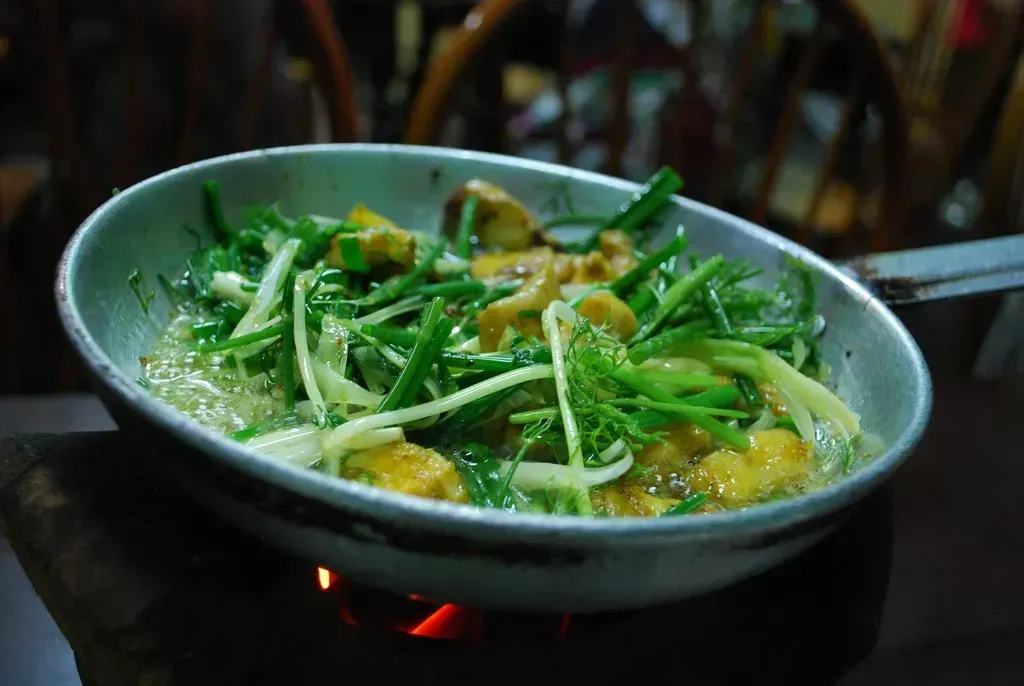
Tossing a whole package of mushrooms or a full batch of chicken pieces into one pan at once is one of the most common habits in home kitchens, and one that chefs immediately spot from across a room. Crowding a pan traps steam, drops the pan’s temperature, and turns what should be a sear into something closer to a boil. The result is pale, soggy food instead of the browned, caramelized edges that actually build flavor.
Chefs work in batches for a reason. It takes a few extra minutes, but the payoff in texture and taste is significant. Watching someone dump everything into a pan at once tells a chef that speed is being prioritized over the actual outcome of the dish.
7. Cooking in a cold pan
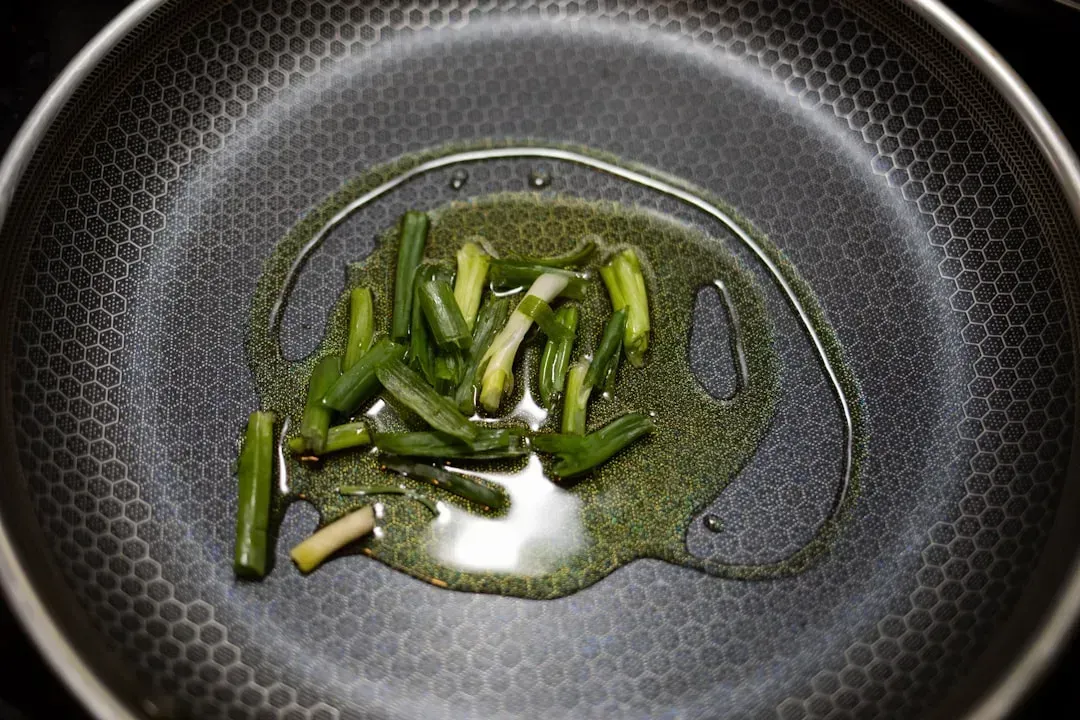
Adding oil and food to a pan before it’s properly heated is a habit that quietly ruins a lot of home cooking. Meat sticks, vegetables release excess moisture, and nothing develops the browning that gives a dish depth. It’s one of the more invisible mistakes, since the person cooking usually doesn’t realize why the results feel flat.
Professional kitchens almost always preheat pans before anything goes in, testing heat with a drop of water or a flick of oil. It’s a simple habit, but it changes texture and flavor more than most seasoning choices do. Chefs who see a cold pan being loaded up know the dish is already starting on the wrong foot.
8. Working with dull knives
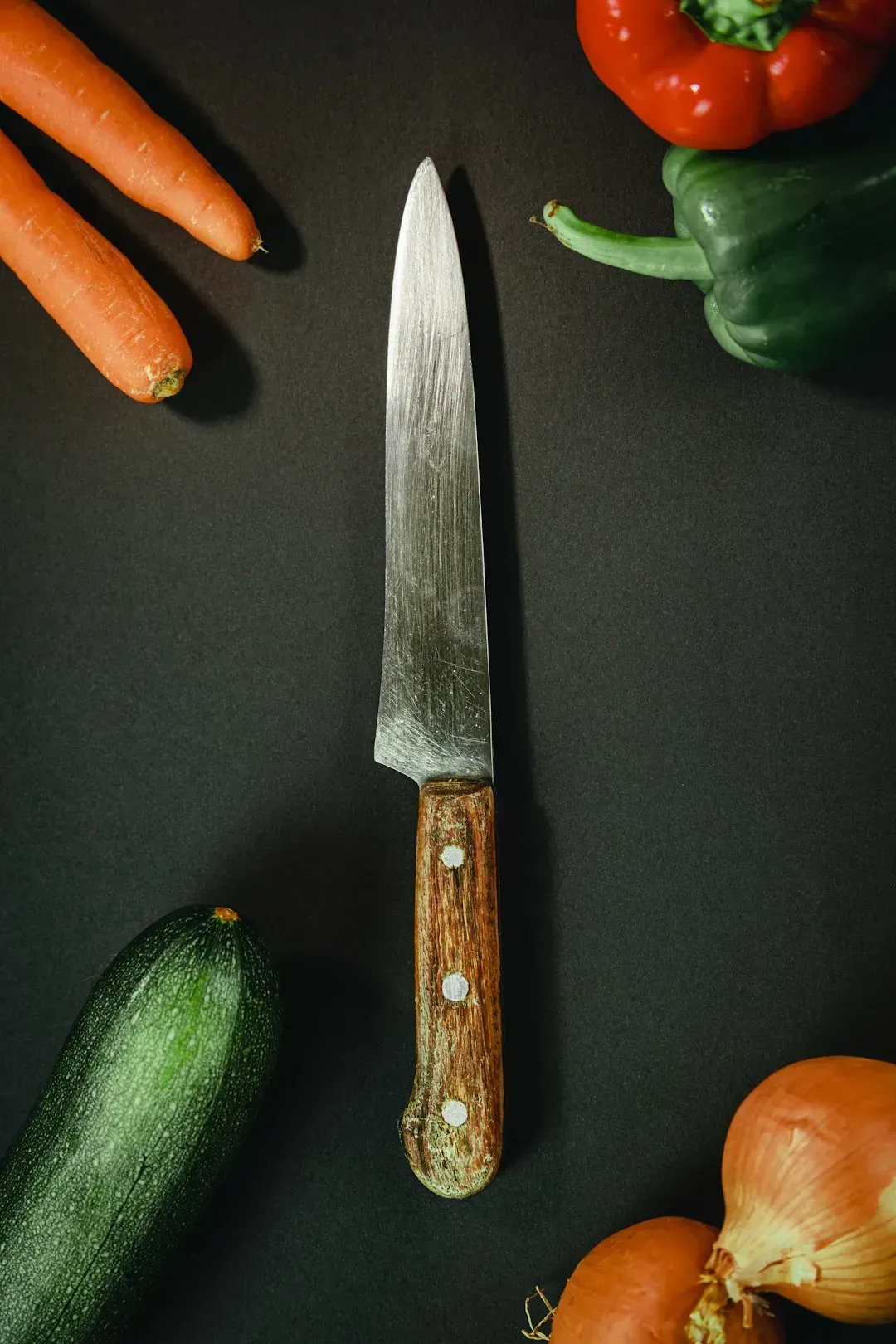
A blade that hasn’t been sharpened in months, sometimes years, is one of the quieter habits that unsettles chefs, mostly because it’s also one of the more dangerous ones. Dull knives require more pressure to cut through food, and that extra force is exactly what leads to slips and injuries. It’s counterintuitive, but a sharp knife is generally safer than a dull one.
Beyond safety, a dull blade also crushes rather than slices, which affects everything from onion texture to how evenly meat cooks. Chefs sharpen or hone their knives constantly, often daily, treating it as routine maintenance rather than an occasional chore. Watching someone saw through a tomato with a blunt knife is a small moment that says a lot about kitchen habits overall.
9. Storing raw meat on the wrong fridge shelf
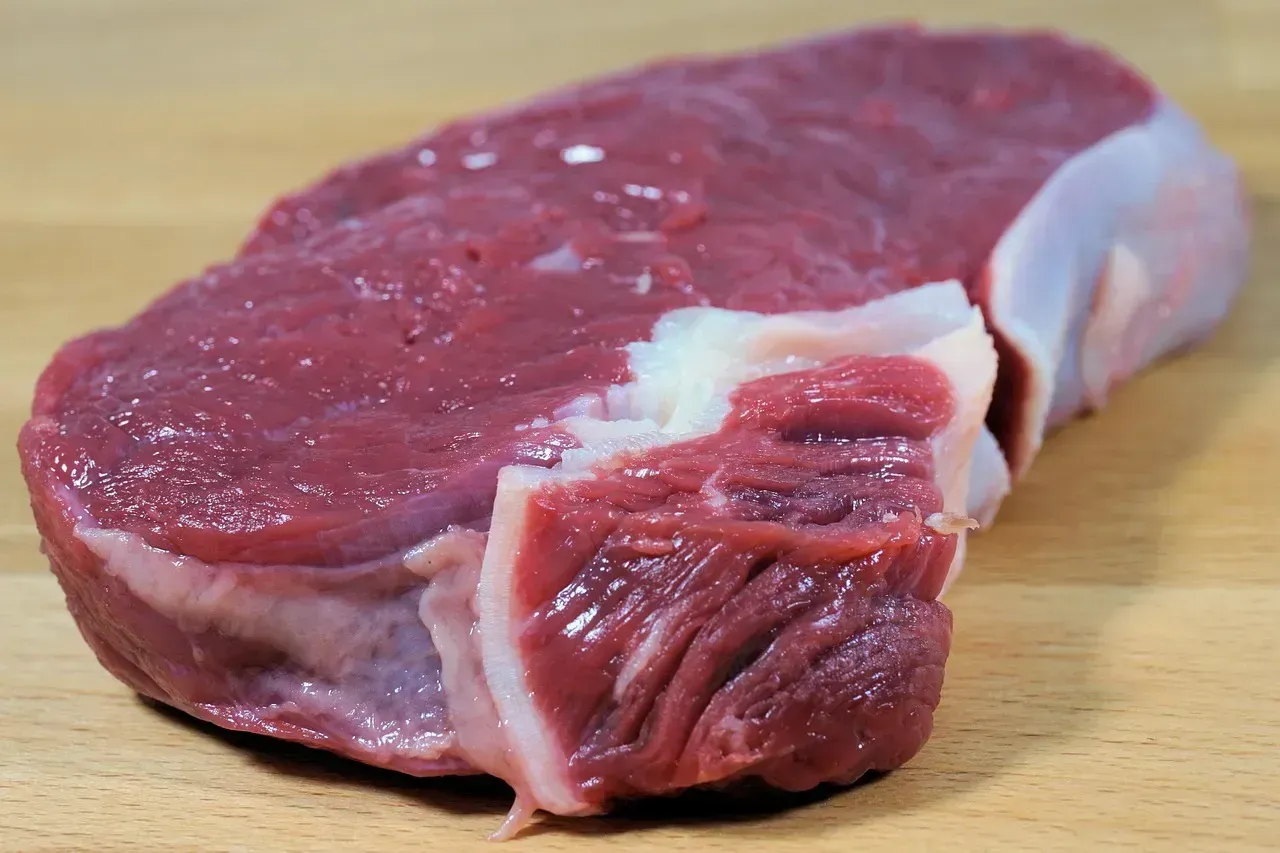
Where meat sits in the refrigerator matters more than most people assume. Raw chicken or other meat should be kept stored on the lowest shelf of the freezer or refrigerator, so that none of the juices potentially carrying bacteria can drip out of the packaging and onto other food. Placing raw meat above vegetables or ready-to-eat leftovers sets up a drip hazard that’s easy to avoid.
Sealed containers help too, and most food safety guidance backs this up directly. Raw or marinating meat, poultry, seafood, and eggs should be kept separate from all other foods, stored in sealed containers or wrapped securely so juices don’t leak onto other foods. It’s one of those organizational habits that takes almost no extra effort but prevents a real risk.
10. Skipping the resting time for meat
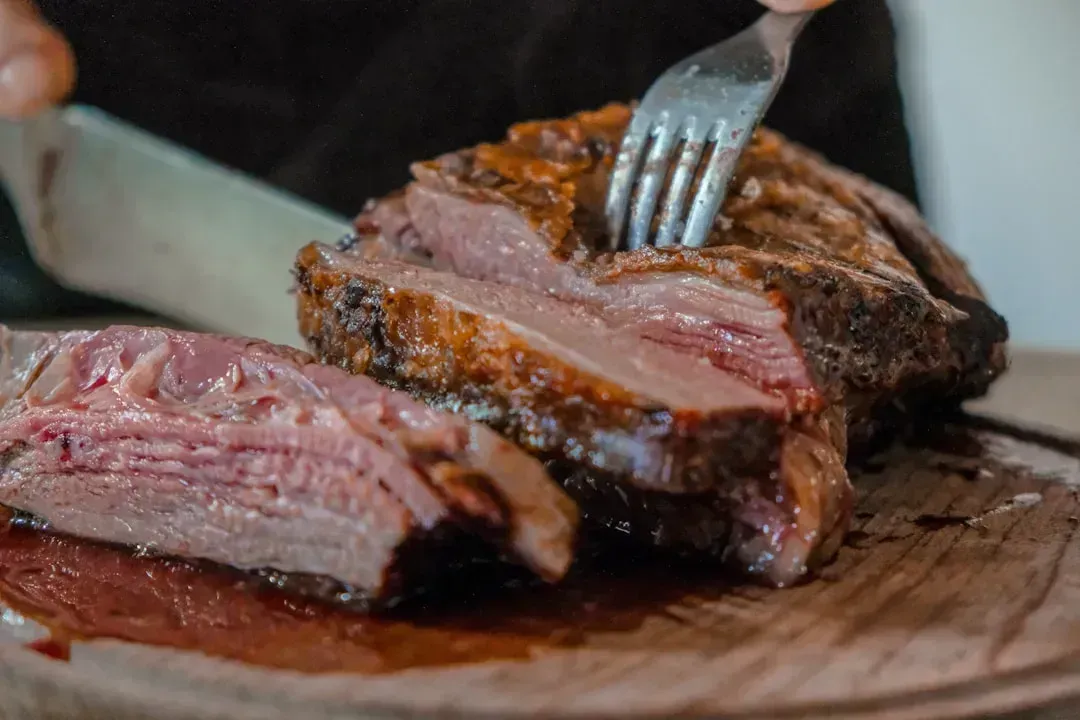
Cutting into a steak or a roast the moment it comes off the heat is a habit born of impatience more than anything else. For safety and quality, meat should be allowed to rest for at least three minutes before carving or consuming. Skipping that pause means the juices that should redistribute through the meat end up pooling out onto the cutting board instead.
Chefs treat resting time as part of the cooking process itself, not an optional extra step. It’s easy to underestimate how much difference a few quiet minutes make to texture and moisture. Watching someone slice into meat straight off the grill, then wonder why it tastes dry, is a familiar scene in most professional kitchens’ experience of amateur cooking.
11. Salting only at the very end
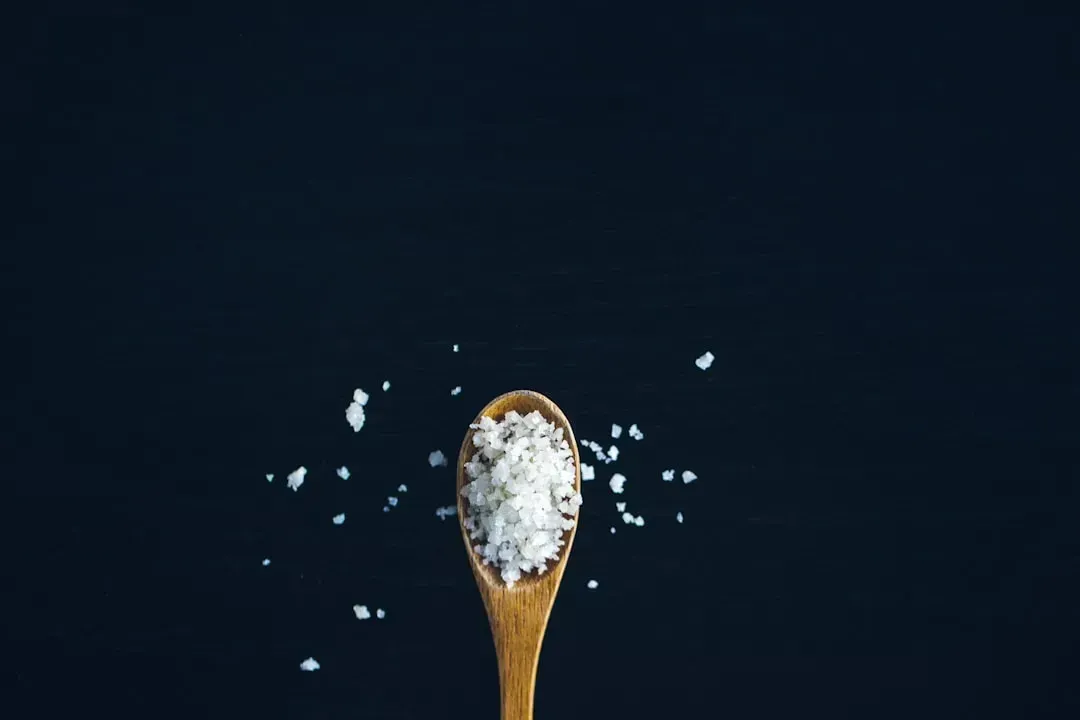
Seasoning a dish only in the final minute, rather than building flavor throughout cooking, is a habit that tends to produce food that tastes flat no matter how much salt gets added at the finish. Salt needs time to penetrate and interact with ingredients, especially with proteins and vegetables that benefit from seasoning at multiple stages. Adding it all at once, right before serving, just isn’t the same as layering it in.
Professional cooks season as they go, tasting and adjusting along the way rather than treating salt as a single, final gesture. It’s a habit that takes some practice to build, since it requires tasting food throughout the process rather than trusting a recipe’s measurements blindly. Chefs can usually tell within one bite whether a dish was seasoned in stages or all at once.
12. Reusing raw marinade as a finishing sauce
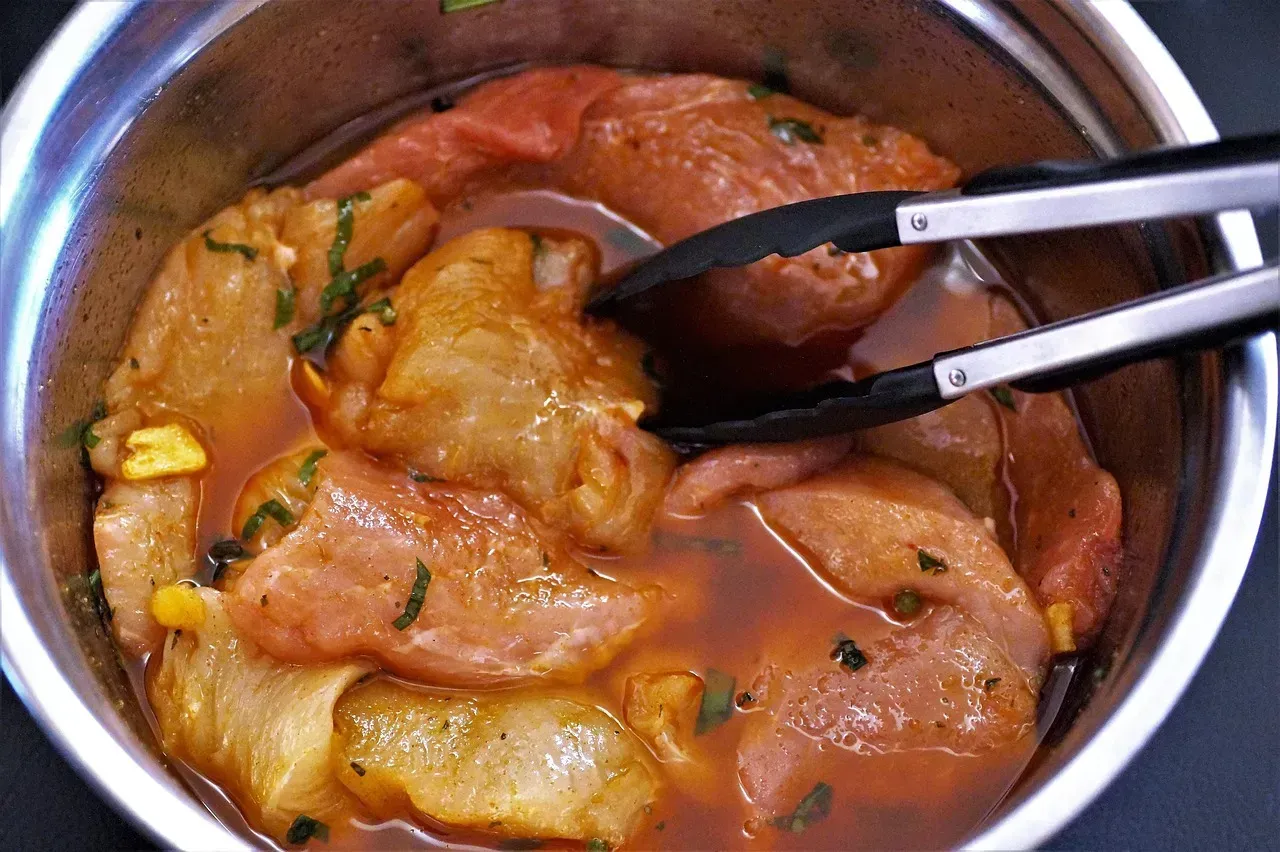
Pouring the liquid that raw chicken or beef soaked in back over the cooked dish, without boiling it first, is a habit that quietly undoes all the safe cooking that came before it. That marinade has been in direct contact with raw protein, which means it’s carrying the same bacteria the meat itself did before it hit the heat. Using it straight as a sauce reintroduces exactly what cooking was supposed to eliminate.
The fix is simple: if the marinade is going to double as a sauce, it needs to be brought to a boil first to kill off anything harmful. Chefs who see raw marinade poured casually over a finished plate know it’s a habit that probably slipped through without anyone thinking too hard about it. It’s an easy mistake to make and an easy one to correct once it’s pointed out.
13. Never tasting the dish while it cooks
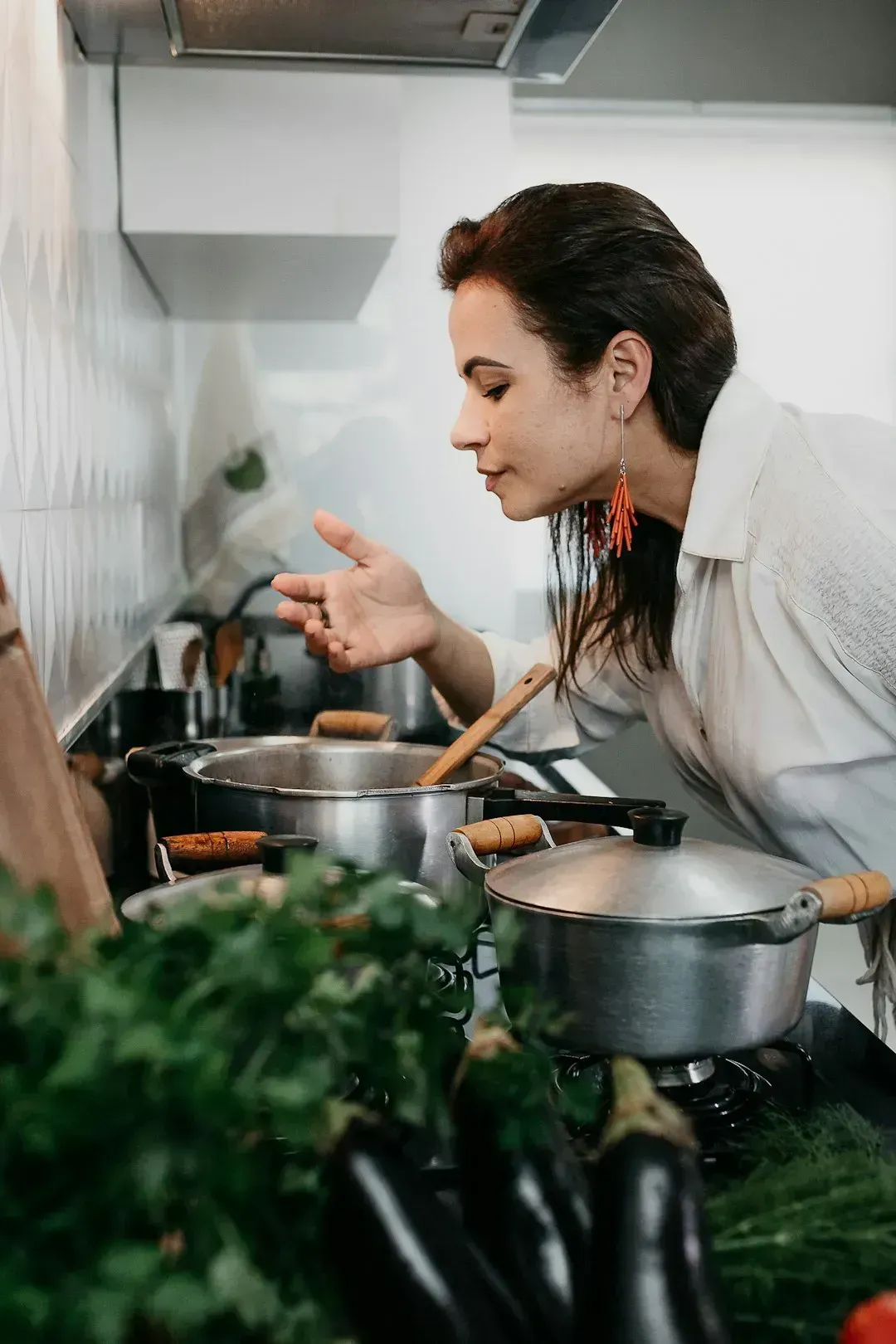
Following a recipe to the letter and never once tasting along the way is a surprisingly common habit, and one that puzzles most professional cooks. Recipes are guides, not guarantees, since ingredients vary in strength, saltiness, and acidity from one batch to the next. A dish that’s never tasted mid-process is essentially being cooked blind.
Chefs taste constantly, adjusting salt, acid, or heat as they go rather than waiting until the very end to find out something’s off. It’s a habit rooted in trust of the process over trust in a printed measurement. Skipping it doesn’t ruin a meal outright, but it does mean missing the small corrections that separate a good dish from a forgettable one.




Leave a Reply