
Open a drawer in almost any kitchen and you’ll probably find something designed in the postwar years. The 1950s were a busy time for home cooking, with new plastics, new metals and new appliances moving from factories into ordinary houses.
Many of those inventions stuck around, and they’ve changed less than you’d expect. Here are eight that still earn their space on shelves and counters.
Tupperware Containers
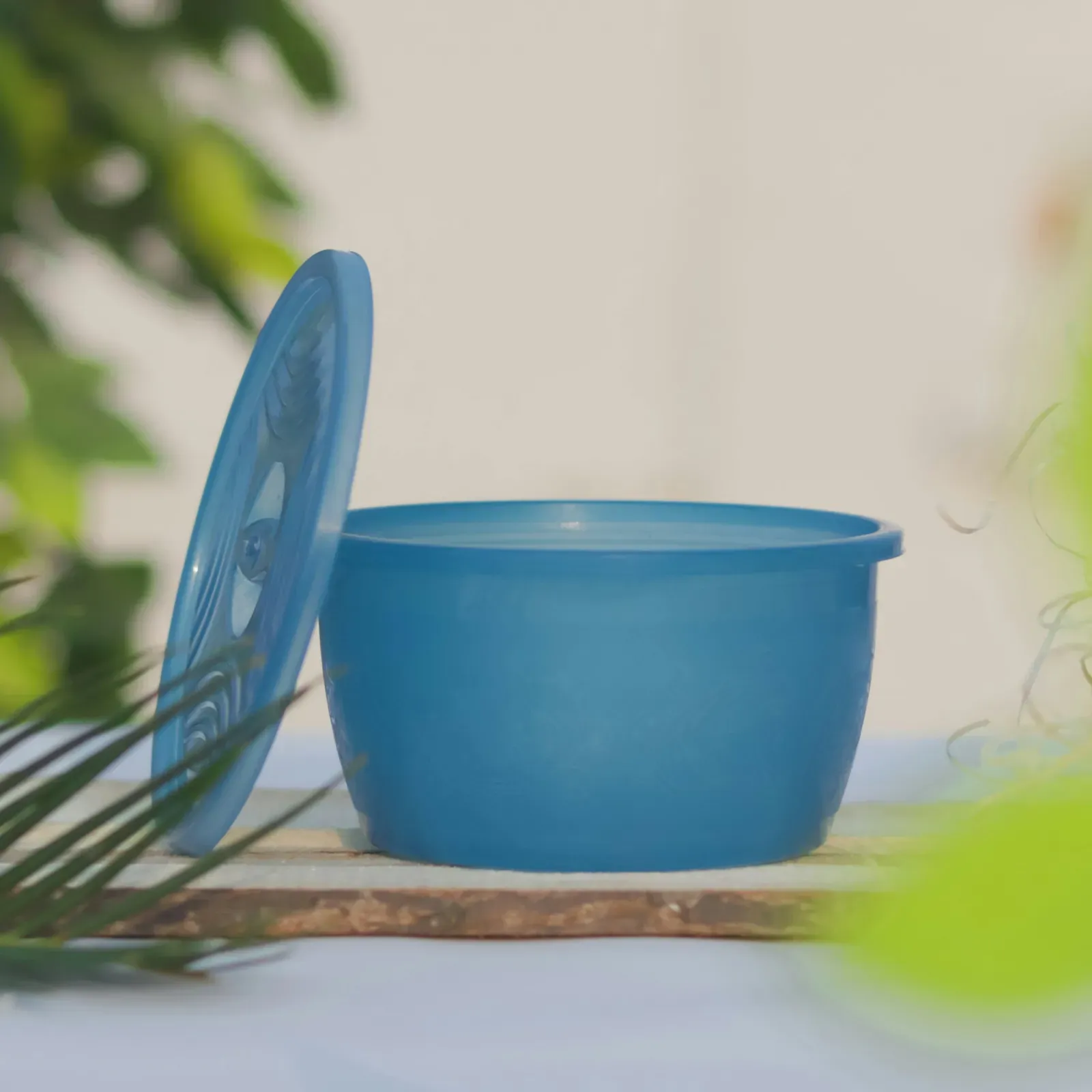
Earl Tupper developed his polyethylene food containers in the 1940s, and the airtight seal was inspired by the lid on a paint can. At first they sold slowly in stores, since shoppers didn’t understand how the lids worked.
The 1950s turned that around. Home demonstration parties, led by Brownie Wise, let hosts show the seal in person, and the brand became a fixture of American kitchens. Plastic storage containers are now so ordinary that few of us think about where they came from.
The Bundt Pan
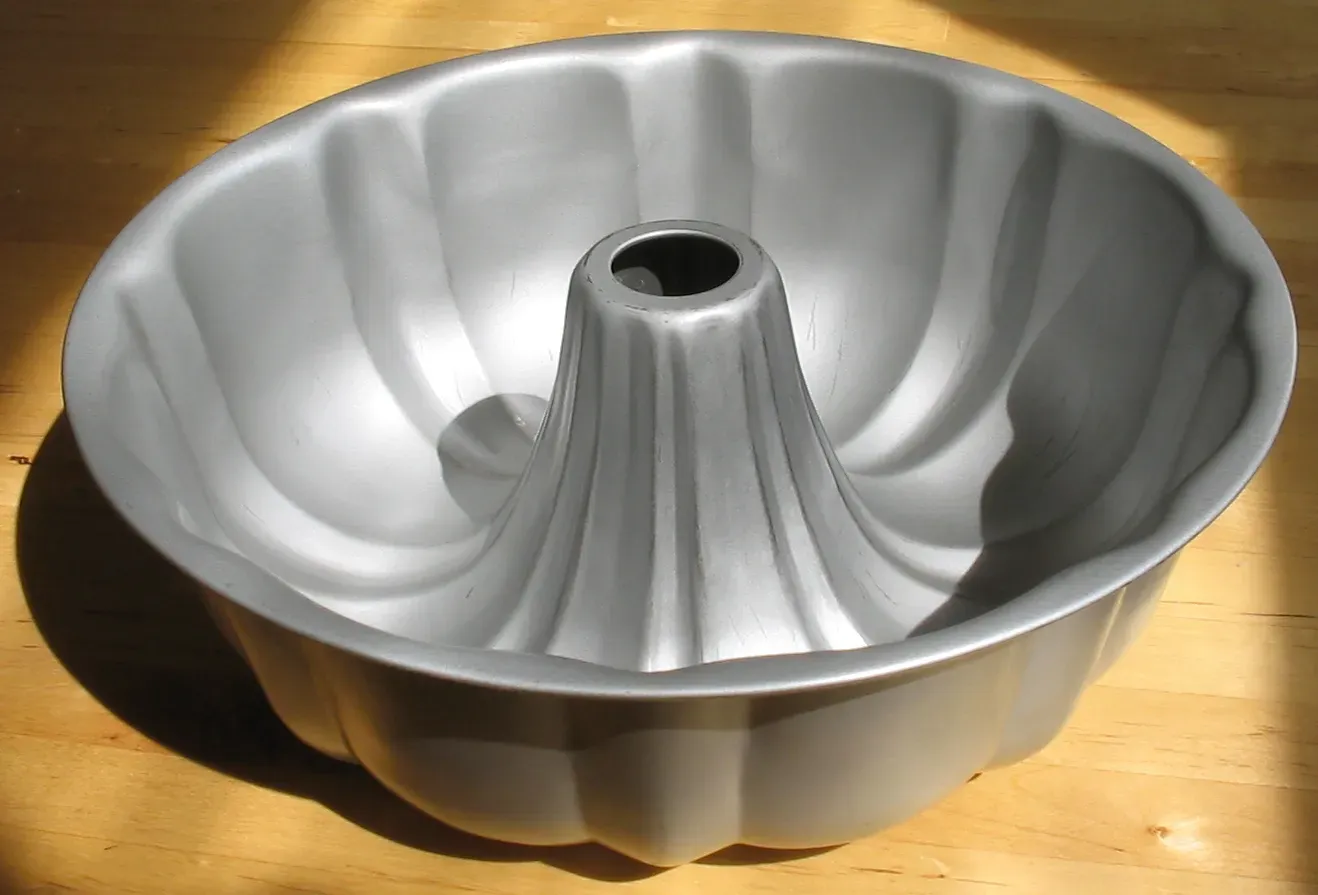
Nordic Ware of Minneapolis introduced the Bundt pan in 1950. H. David Dalquist designed it at the request of members of a local Hadassah group, who wanted a cast aluminum version of the heavy European ceramic pan used for dense, fruit filled cakes.
Sales were modest for years. The pan became a household name in the 1960s after a Bundt cake won a major baking contest. Nordic Ware still makes Bundt pans today, and the fluted shape remains a favorite for pound cakes and holiday bakes.
Saran Wrap

Saran resin was developed by Dow in the 1930s and 1940s, and it was first used for military and industrial purposes. Dow brought a version to household kitchens in 1953.
Plastic wrap changed how people covered bowls and wrapped sandwiches. Today the product has been reformulated several times, but the basic idea of a clinging, see through film hasn’t changed. Most home cooks reach for some kind of plastic wrap every week.
Reynolds Wrap Aluminum Foil

Reynolds introduced its household aluminum foil in 1947. It spread through grocery stores and kitchens during the 1950s, as suburban cooking grew and families bought more refrigerators.
Foil now lines baking sheets, covers casseroles and wraps potatoes for the grill. It’s cheap, flexible and fits almost any pan. Few other pantry items have such a long working life with so little redesign.
The Nonstick Frying Pan
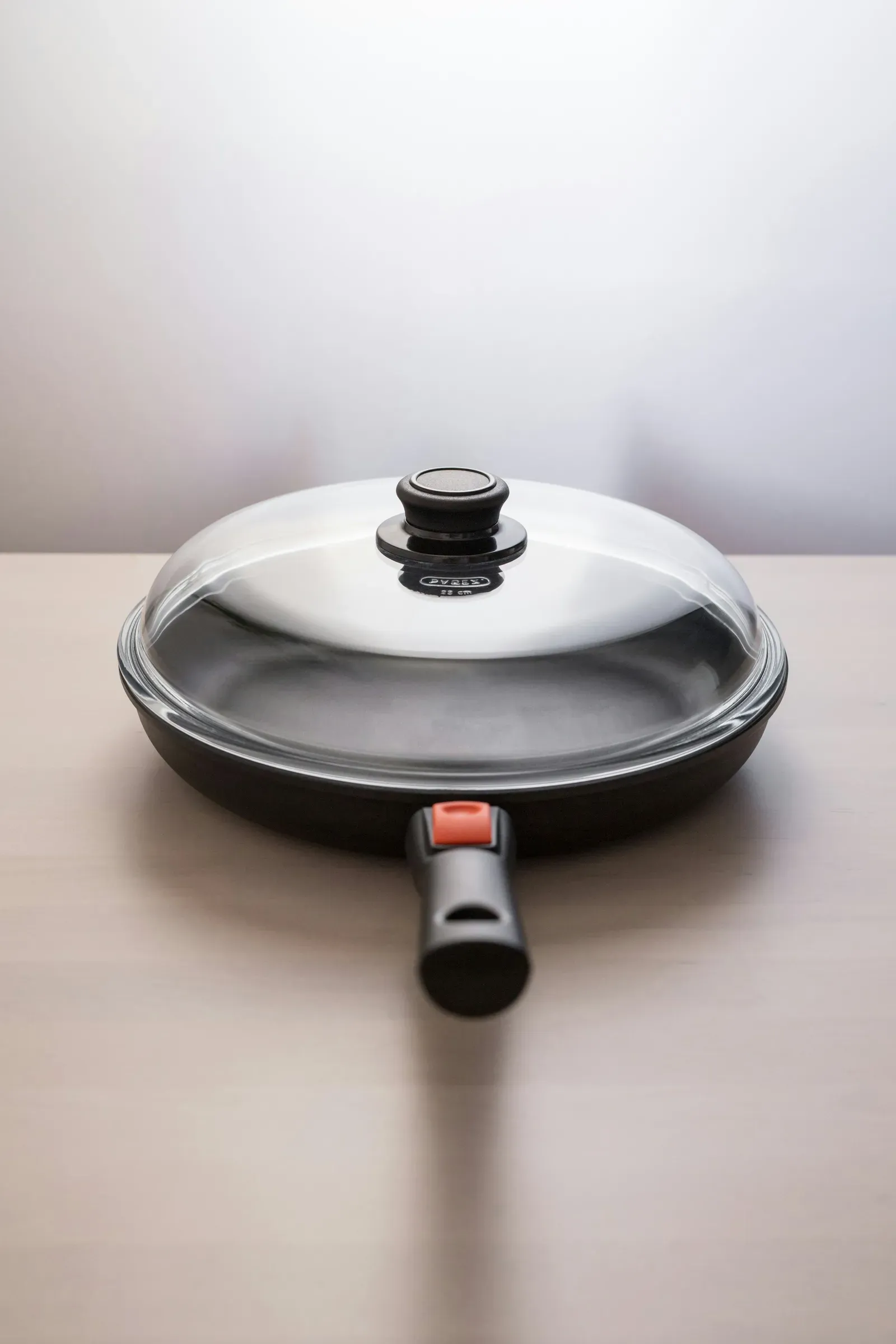
French engineer Marc Grégoire patented a method for bonding a PTFE coating to aluminum in 1954. The story goes that his wife Colette pushed him to try it on her cookware after he’d used the coating on fishing tackle. The Tefal company followed, and its first nonstick pans reached shoppers in the mid 1950s.
Nonstick skillets are now the default pan for eggs and pancakes in many homes. The coatings have gone through changes over the decades, including the move away from certain chemicals used in manufacturing. The central appeal, food that releases easily with little oil, is the same one that sold the first pans.
CorningWare Bakeware
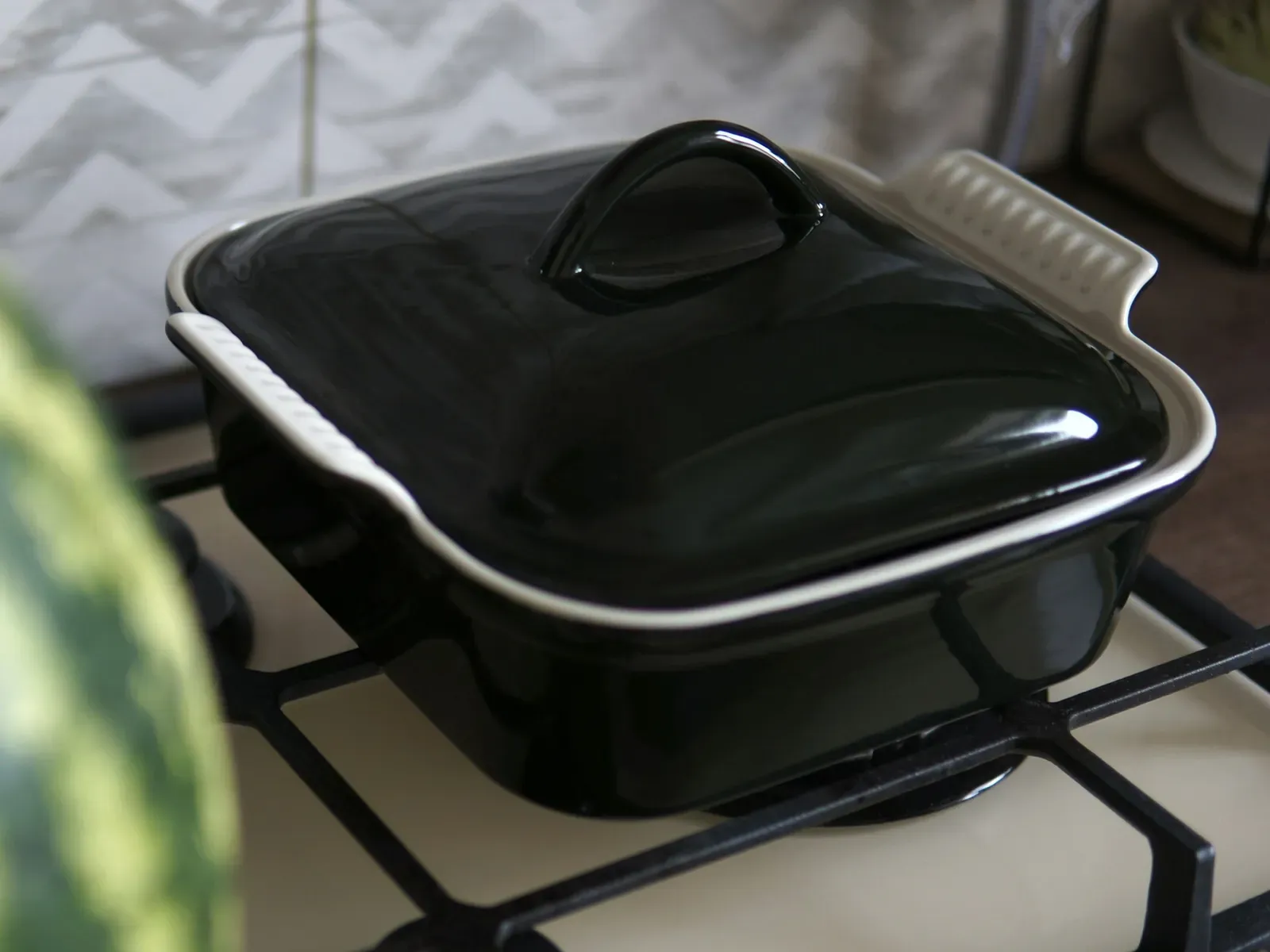
CorningWare launched in 1958. It was built on a glass ceramic material discovered by Corning scientist S. Donald Stookey, and it could go from freezer to oven to table.
The classic white dishes with the blue cornflower pattern became a wedding gift staple. Vintage pieces are still in use in many households, and the brand continues to sell bakeware today. Plenty of cooks hold on to an old casserole dish for exactly that reason.
The Electric Skillet
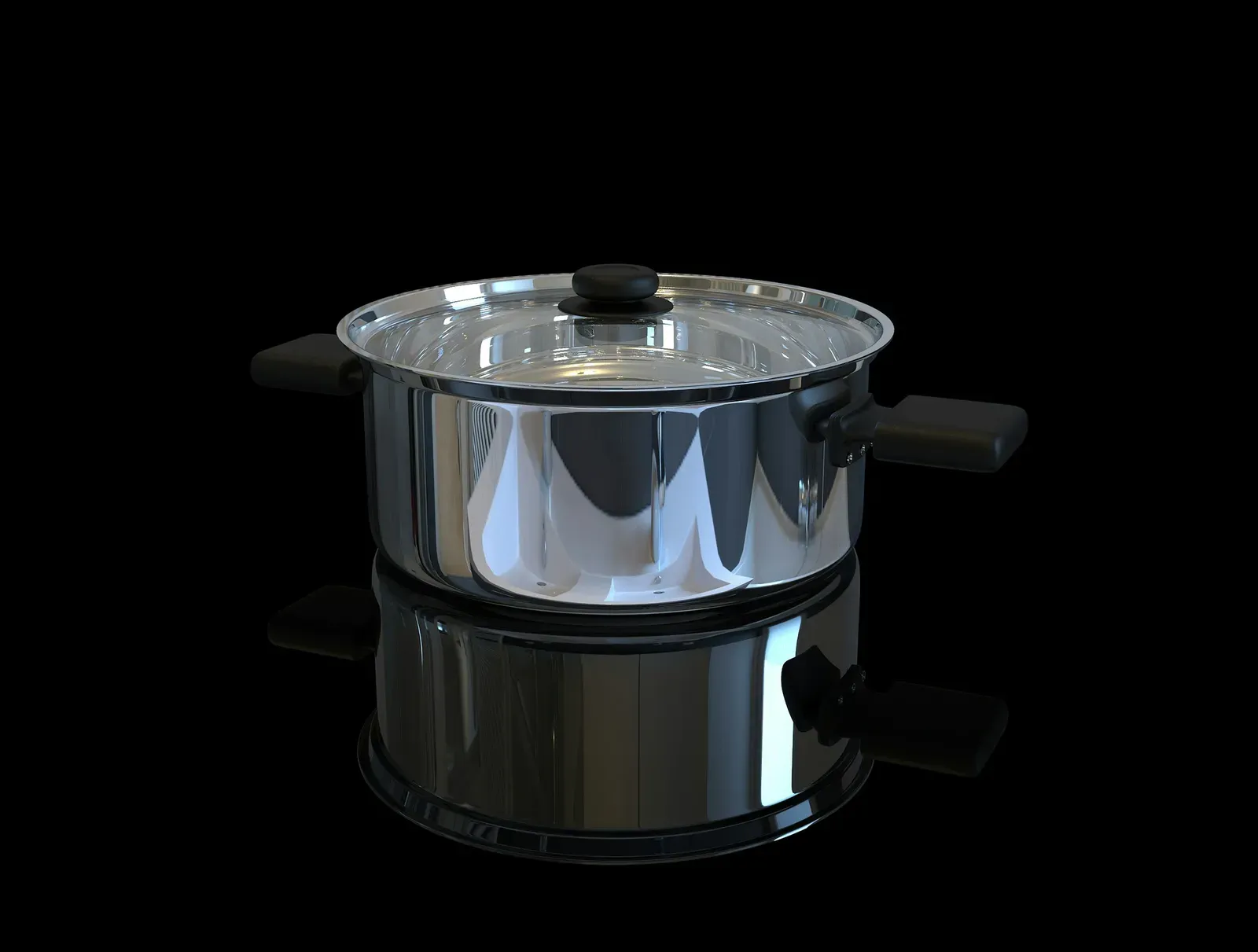
Electric frying pans took off in the early 1950s, and Sunbeam was among the best known makers with its temperature controlled model. The heating element sits in the pan itself, with a detachable cord and a thermostat control.
That design is still sold, and you’ll find it at potlucks, on small counters and in dorm kitchens. It’s useful when the stove is full or when you need a portable cooking surface. The shape and function haven’t changed much since the first versions.
The Kenwood Chef Stand Mixer
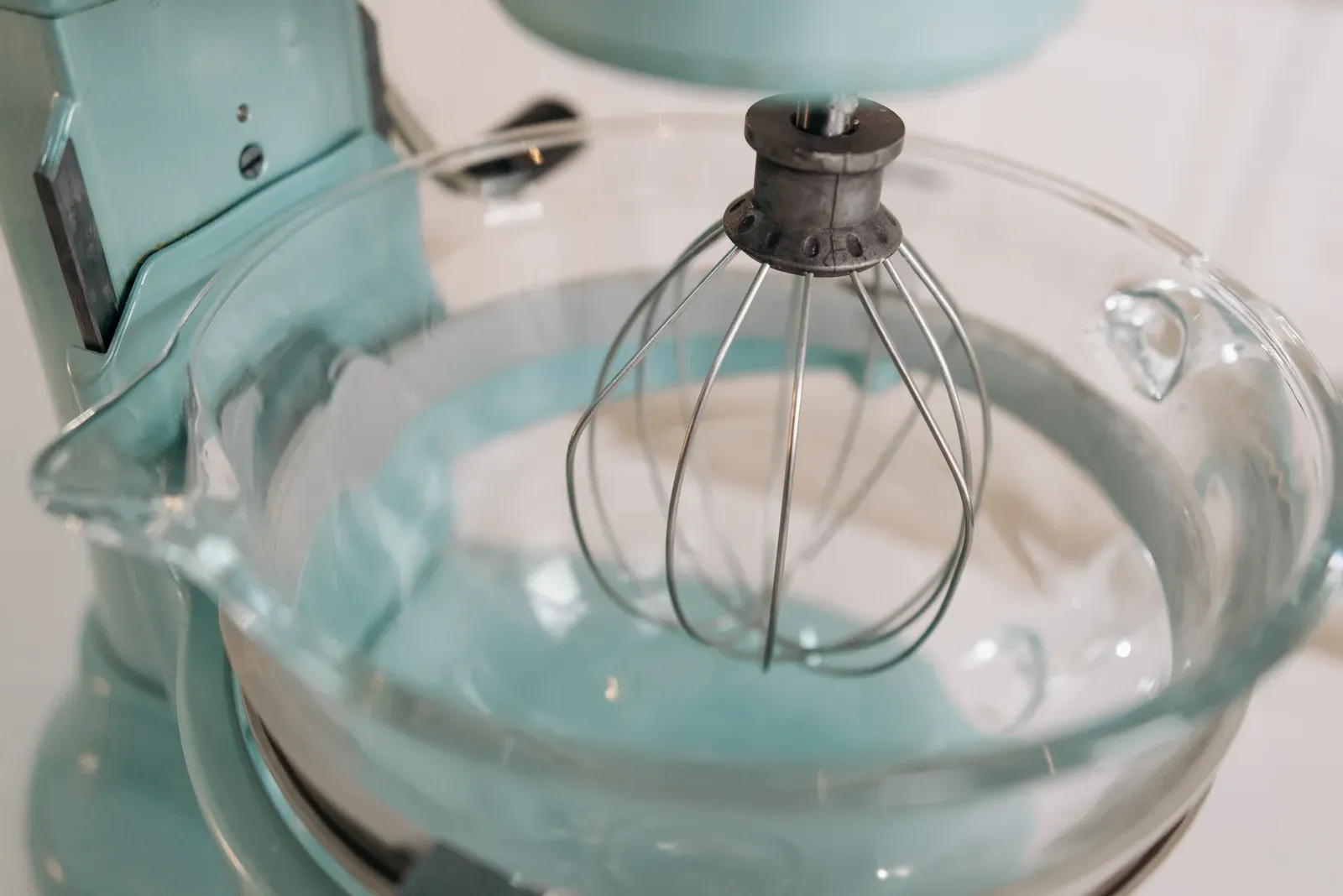
Kenneth Wood introduced the Kenwood Chef in Britain in 1950. It was a stand mixer with a motor that could also power attachments such as mincers and blenders, and that idea of one base with many tools proved lasting.
Kenwood still sells stand mixers under the Chef name, and modern models trace their lineage to that first design. The concept is widely copied. Today’s stand mixers, from many brands, owe a good deal to the multi attachment approach that took hold in the 1950s.


Leave a Reply