
Open the pantry of a working cook, and you’ll often find something a little humbling. Next to the good olive oil and the flaky salt sit a few dented cans that have been there a while.
Canning isn’t glamorous, but it’s practical. Food is cooked and sealed at its peak or close to it, and it keeps for a long time. Here are nine canned staples that professional kitchens lean on, and the reasons they earn their shelf space.
Whole Peeled Tomatoes
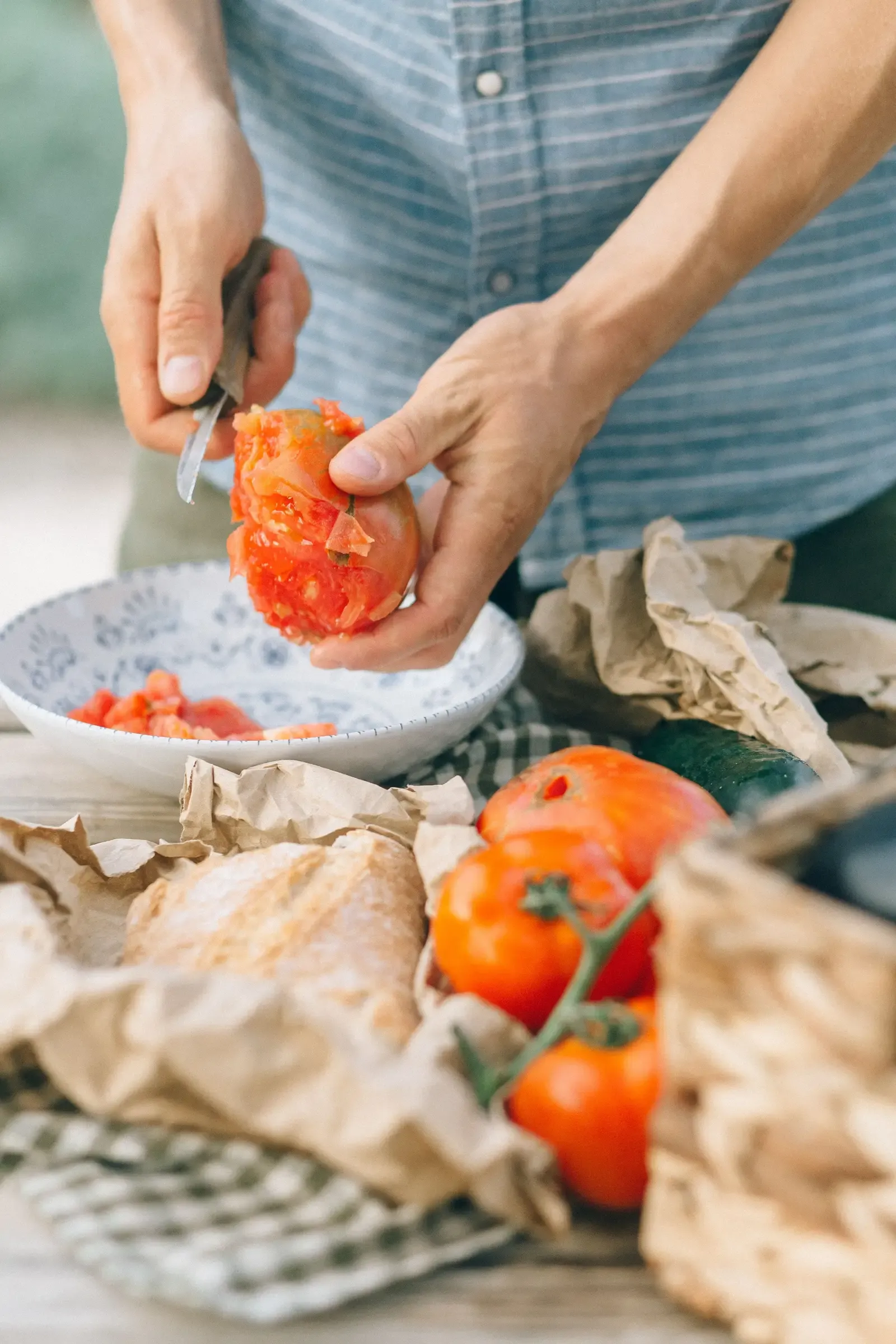
If a chef could keep only one can, this would be the likely pick. Tomatoes are usually canned soon after harvest, so they often taste better in the colder months than the pale fresh ones in the produce aisle. Whole peeled tomatoes also give you control, because you can crush them by hand, blend them smooth, or simmer them down.
Many cooks favor San Marzano style plums for sauces, and the real ones carry a protected designation of origin from Italy. Labels can be misleading, so it’s worth checking for that certification if authenticity matters to you. Either way, a can of good tomatoes is the base of countless sauces, braises, and soups.
Chickpeas
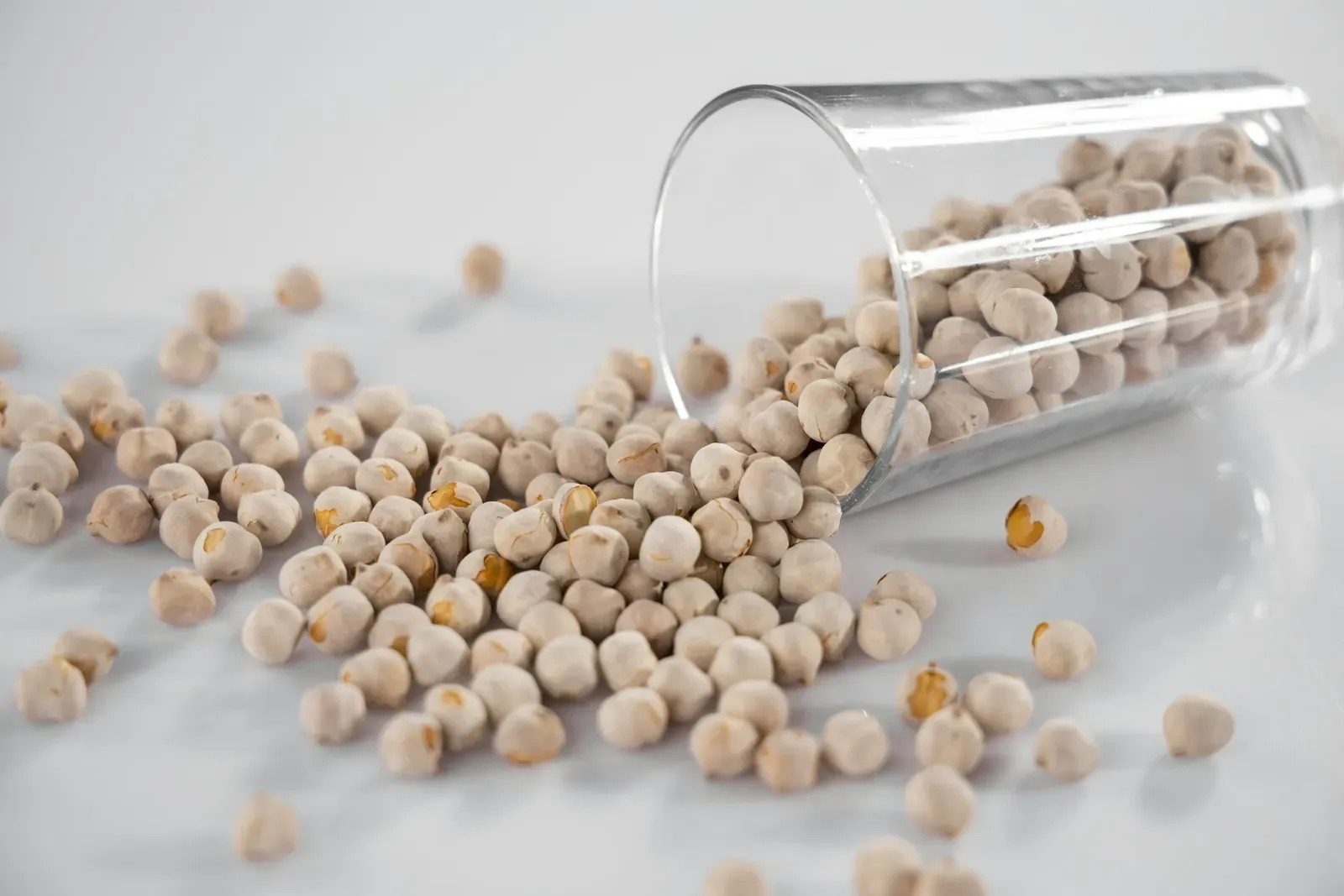
Canned chickpeas are about as versatile as pantry food gets. They’re already cooked, so they can go straight into a salad, a curry, or a quick stew. A chef working a busy service can’t wait hours for dried beans to soften.
The liquid in the can, known as aquafaba, is a handy bonus. It can be whipped into foam and used as an egg white substitute in vegan cooking. Drain and rinse the chickpeas for most dishes, since that removes some of the extra salt.
White Beans
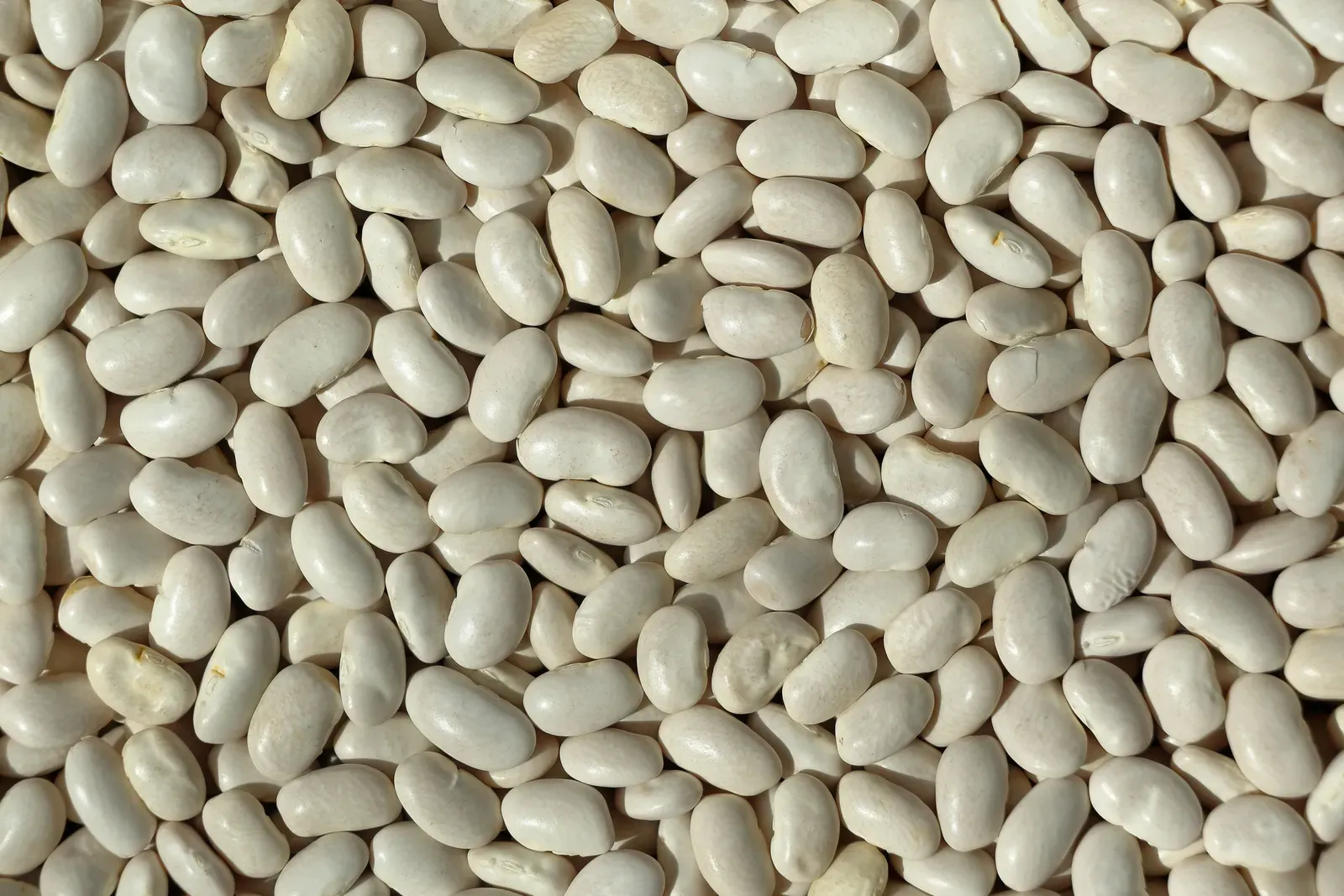
Cannellini and great northern beans are creamy and mild, which makes them easy to work with. Cooks stir them into soups, mash them onto toast, or simmer them with garlic and herbs for a quick side. They soak up flavor without fighting it.
They’re also a cheap way to make a dish feel more substantial. A handful blended into a soup adds body without cream. Canned beans are fully cooked, so they just need warming through and seasoning.
Coconut Milk
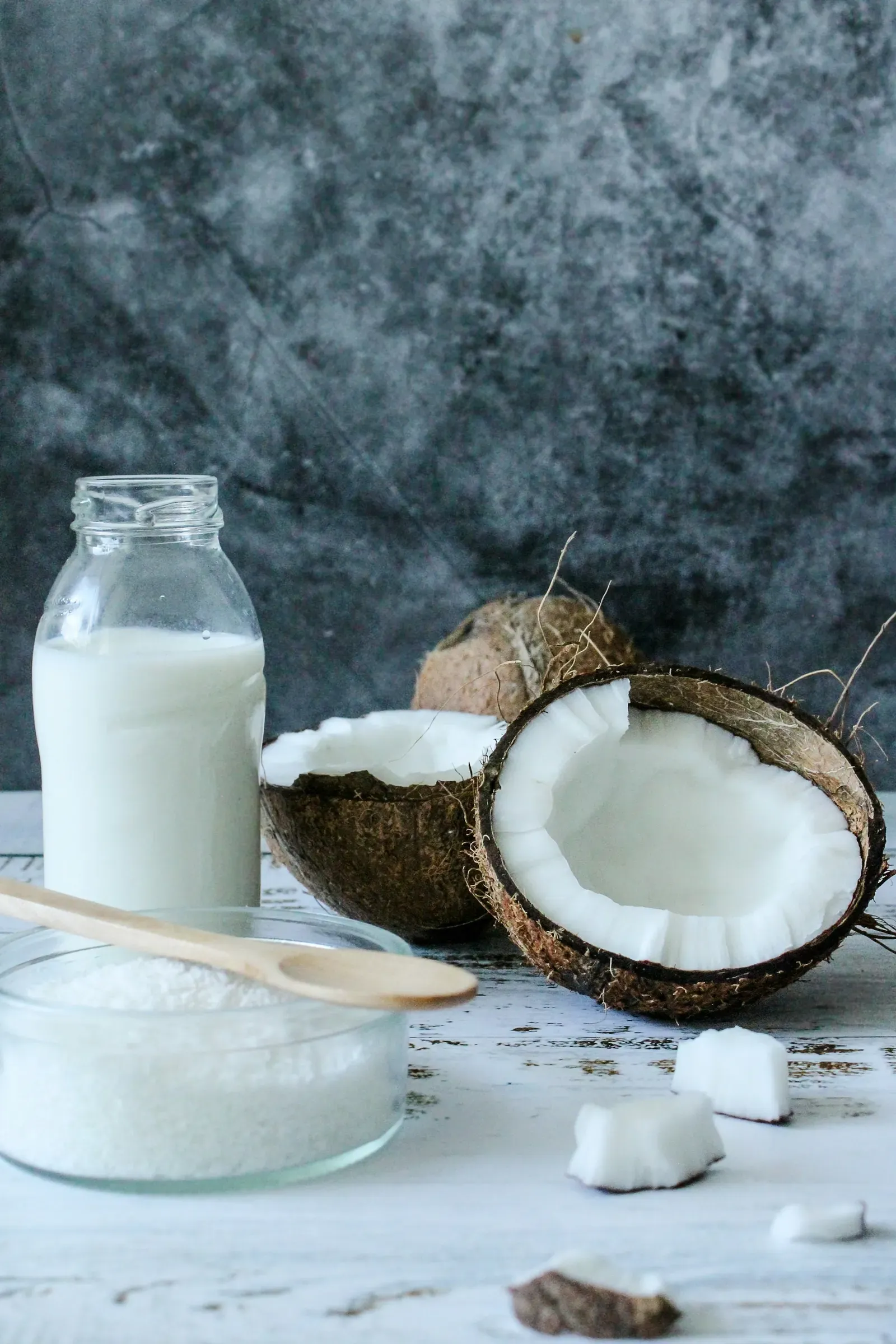
Full fat canned coconut milk is a staple in Thai, Indian, Caribbean, and many other kitchens. It brings richness to curries and braises, and it works in desserts too. Chefs often use it as a dairy free way to add silkiness.
Many cans separate, with thick cream rising to the top. That layer can be scooped off and fried with curry paste, which builds deeper flavor, or whipped for a dessert topping. Shake the can before opening if you want a smoother, more uniform result.
Anchovies
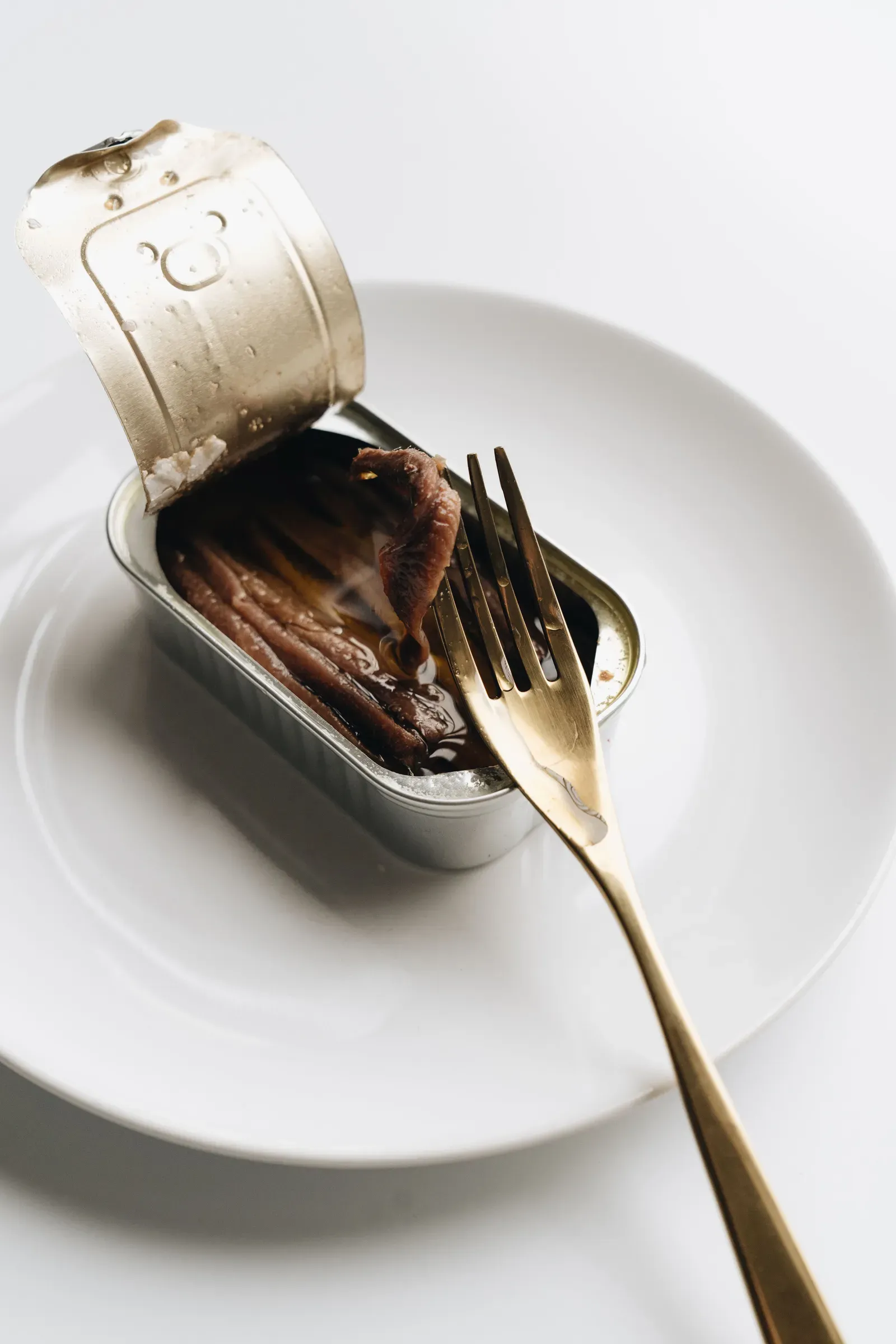
Anchovies are a favorite for a reason. Tinned or jarred, they melt into hot oil and disappear, leaving savory depth rather than a fishy taste. Cooks use them in pasta sauces, dressings, braises, and even with roast lamb.
A few fillets can do the work of a lot of salt and seasoning. They’re also the classic backbone of Caesar dressing and puttanesca. Once opened, leftovers should be refrigerated and covered in oil.
Oil Packed Tuna
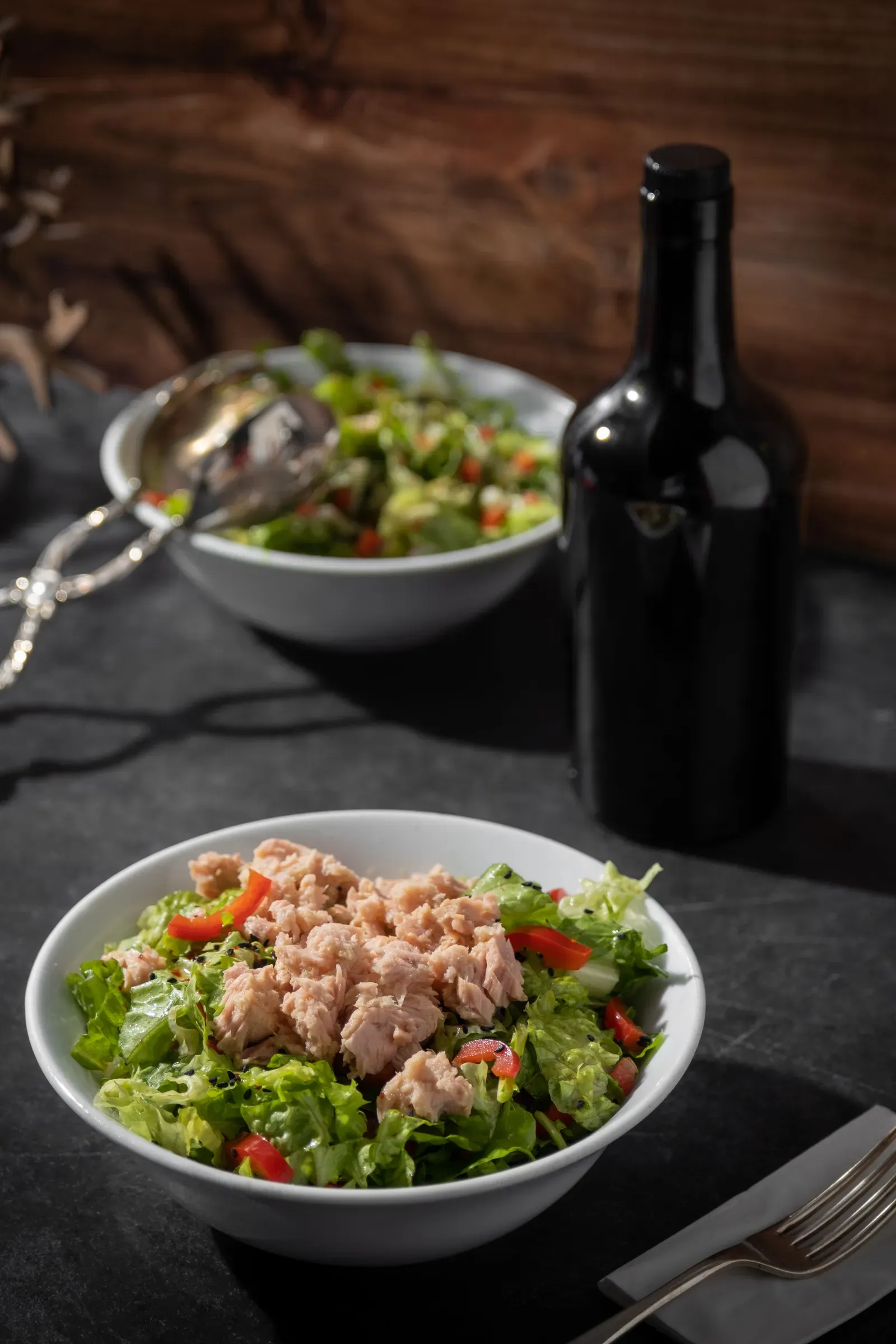
Tuna packed in olive oil has a richer texture and more flavor than the water packed kind. Chefs reach for it in pasta, white bean salads, and sandwiches. A good tin of it can turn a plain pantry meal into something satisfying.
Quality varies a lot between brands, so it pays to look for fillets or large pieces rather than flaked bits. Sourcing matters too, and some buyers look for sustainability certifications on the label. Hold the oil back for dressings, since it carries plenty of flavor.
Sardines
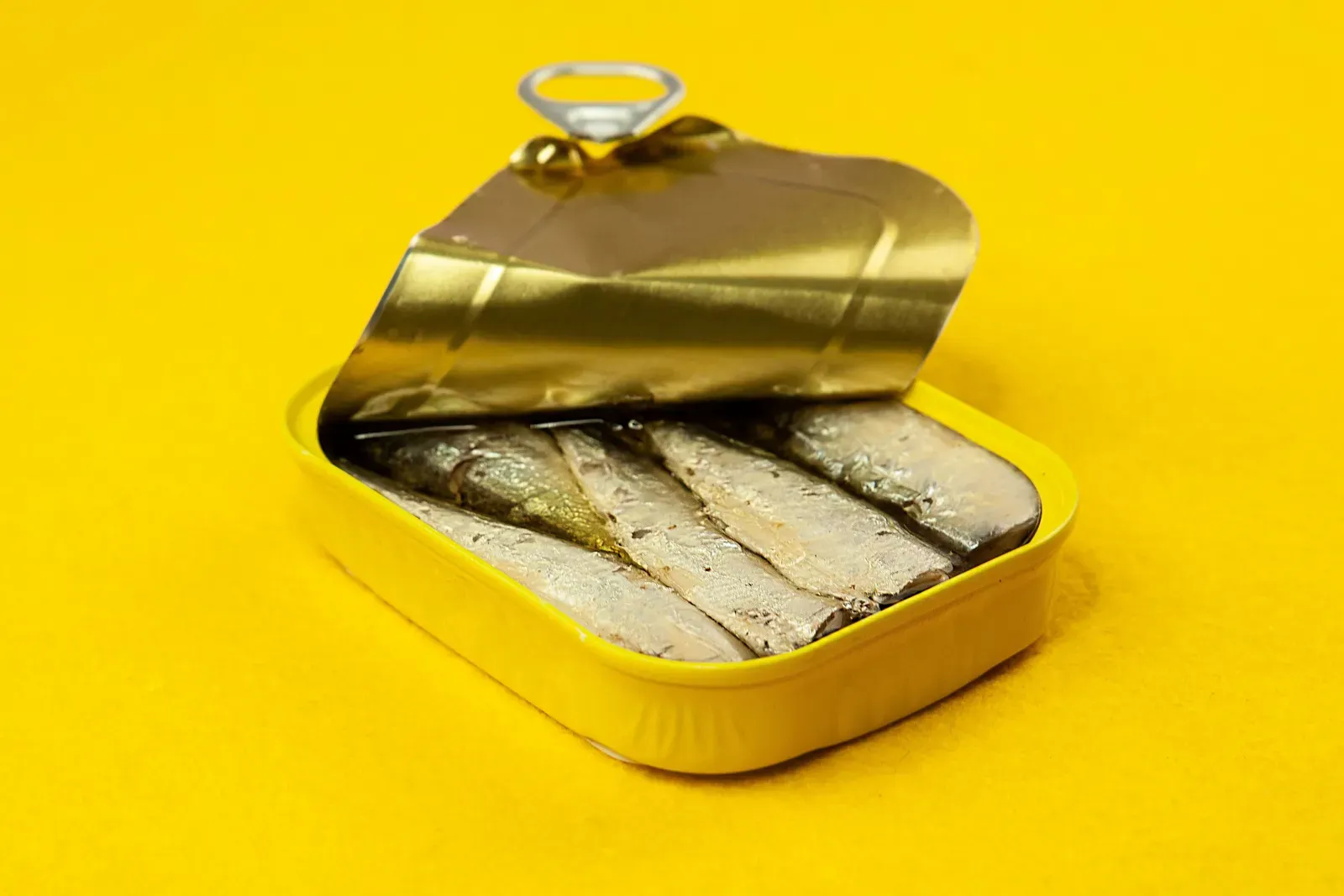
Tinned sardines have gone from sailor’s snack to restaurant menu item. They’re rich in flavor and, like other oily fish, a natural source of omega 3 fatty acids. A chef might serve them on toasted bread with lemon and a bit of chili.
They also work mashed into pasta or tucked into a salad. Choose boneless and skinless if you’re nervous, though many people like the bones, which soften and are edible. Keep a few tins around for the nights when you need a meal in five minutes.
Chipotle Peppers in Adobo
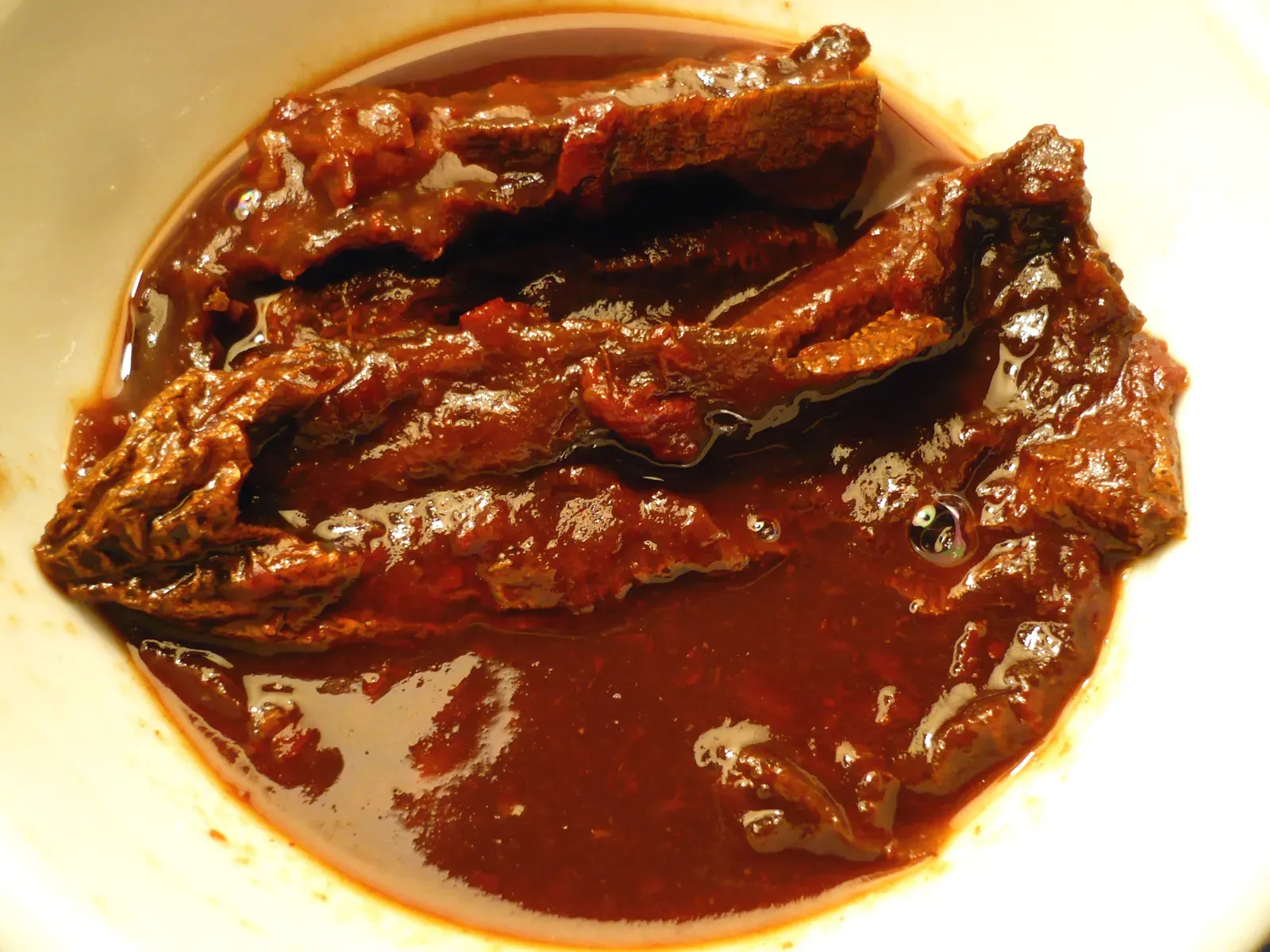
These smoked jalapeños come packed in a tangy, spicy red sauce, and a small amount goes a long way. Chefs blend them into marinades, mayonnaise, soups, and barbecue sauces. They add heat and smoke at the same time, which is hard to get otherwise.
Most recipes only call for one or two peppers, so the rest of the can can be a problem. A common trick is to blend the leftovers into a paste and freeze it in small portions. That way you can drop in a spoonful whenever a dish needs it.
Artichoke Hearts
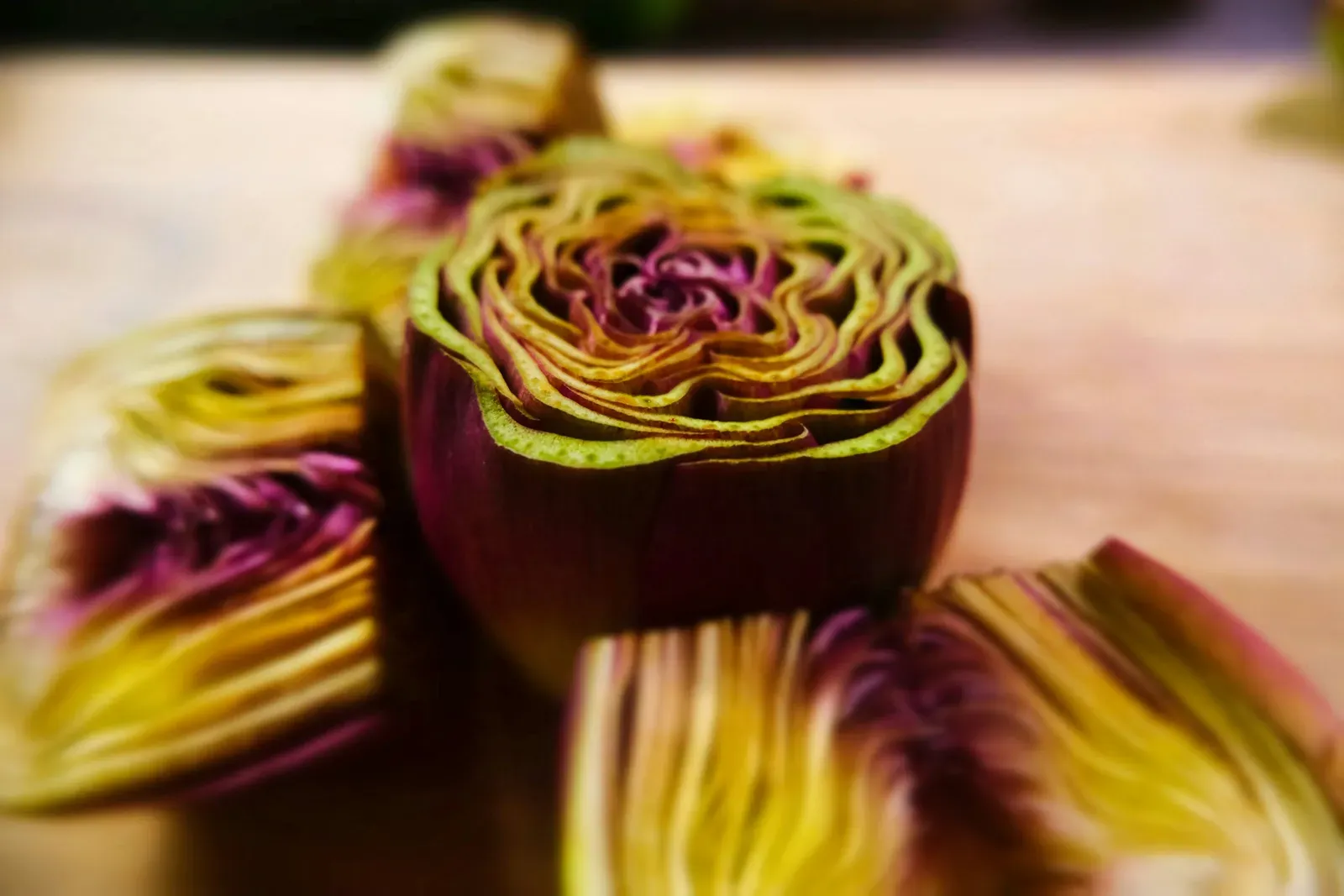
Fresh artichokes take real effort to trim and cook, which is why many kitchens keep canned or jarred hearts nearby. They bring a tender texture and a gentle, slightly nutty taste. Cooks add them to pizzas, pastas, dips, and grain salads.
Look for hearts packed in water or brine rather than marinated, if you want more control over seasoning. Drain them well and pat them dry before roasting or pan searing, so they brown properly. They’re a small luxury that costs little and saves a lot of prep time.





Leave a Reply