
Charleston has a reputation for manners, pastel facades and very good shrimp and grits. It’s also a working city where people commute, walk dogs and try to find a parking spot on the same narrow streets that visitors photograph all day.
Most tourists mean well, and most small frustrations come from not knowing how the place runs. A few adjustments make a trip smoother for everyone involved, including the visitor.
Leave the Rental Car Parked
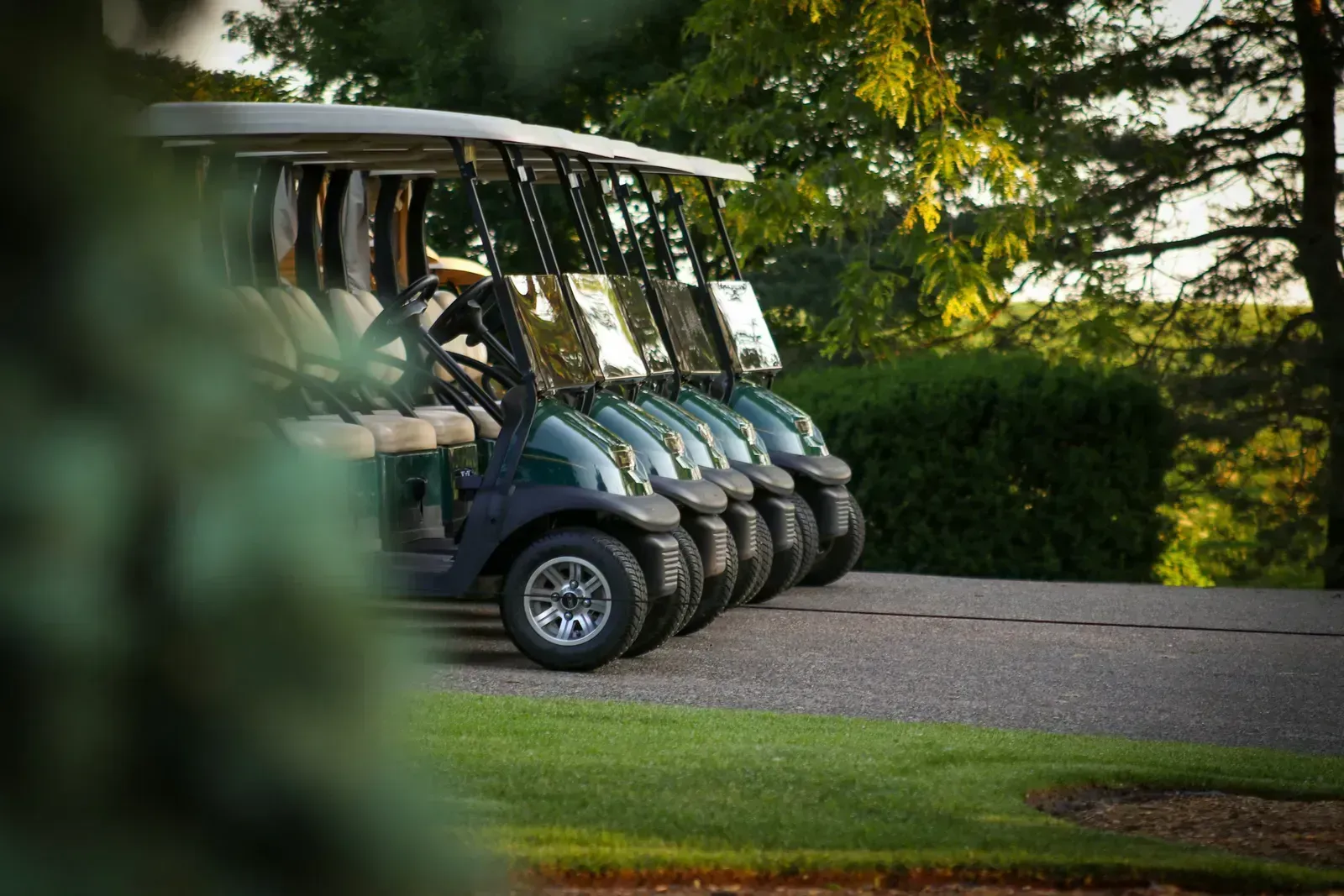
The historic peninsula wasn’t built for modern traffic. One long-running local travel guide notes that street parking is expensive and hard to find. That’s a big part of why you’ll see so many golf carts around town.
A 2026 visitor guide on managing tourist flow advises travelers to avoid driving private rental cars into the historic center. Locals would happily second that. Park once, then walk, since the downtown core is compact and rewards people on foot.
Skip the Midday Tour Crush
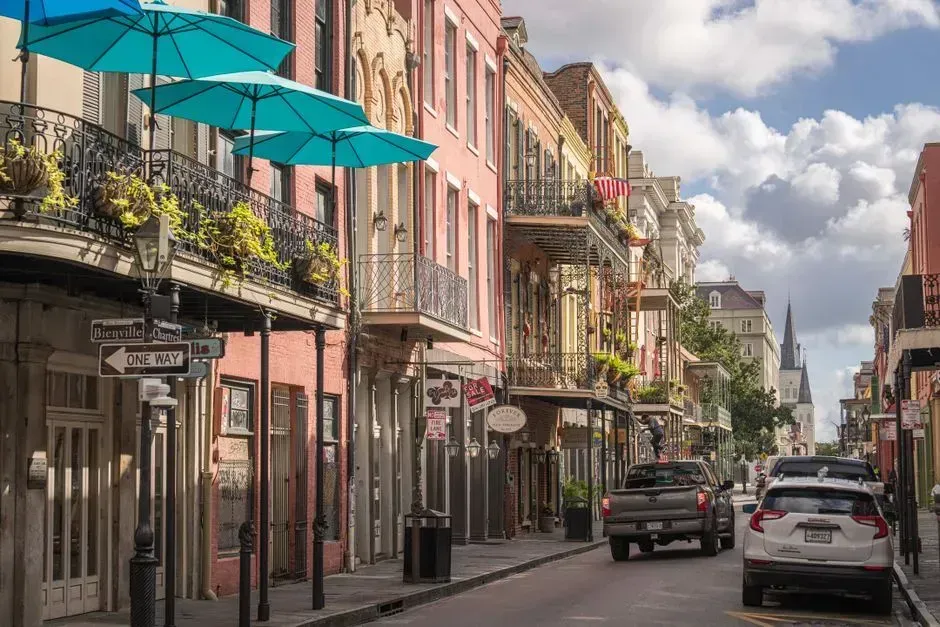
Walking and carriage tours cluster at the same hours. One 2026 guide puts the heaviest traffic in the French Quarter and South of Broad between 10:30 a.m. and 14:30 p.m. That’s when sidewalks clog and residents on those blocks feel the squeeze.
The same guide suggests saving architectural walks for early morning, when residential streets are quiet and the temperature is mild. You’ll get better photos with fewer people in them. Locals get a little breathing room too.
Treat Historic Buildings as Places That Are Still in Use
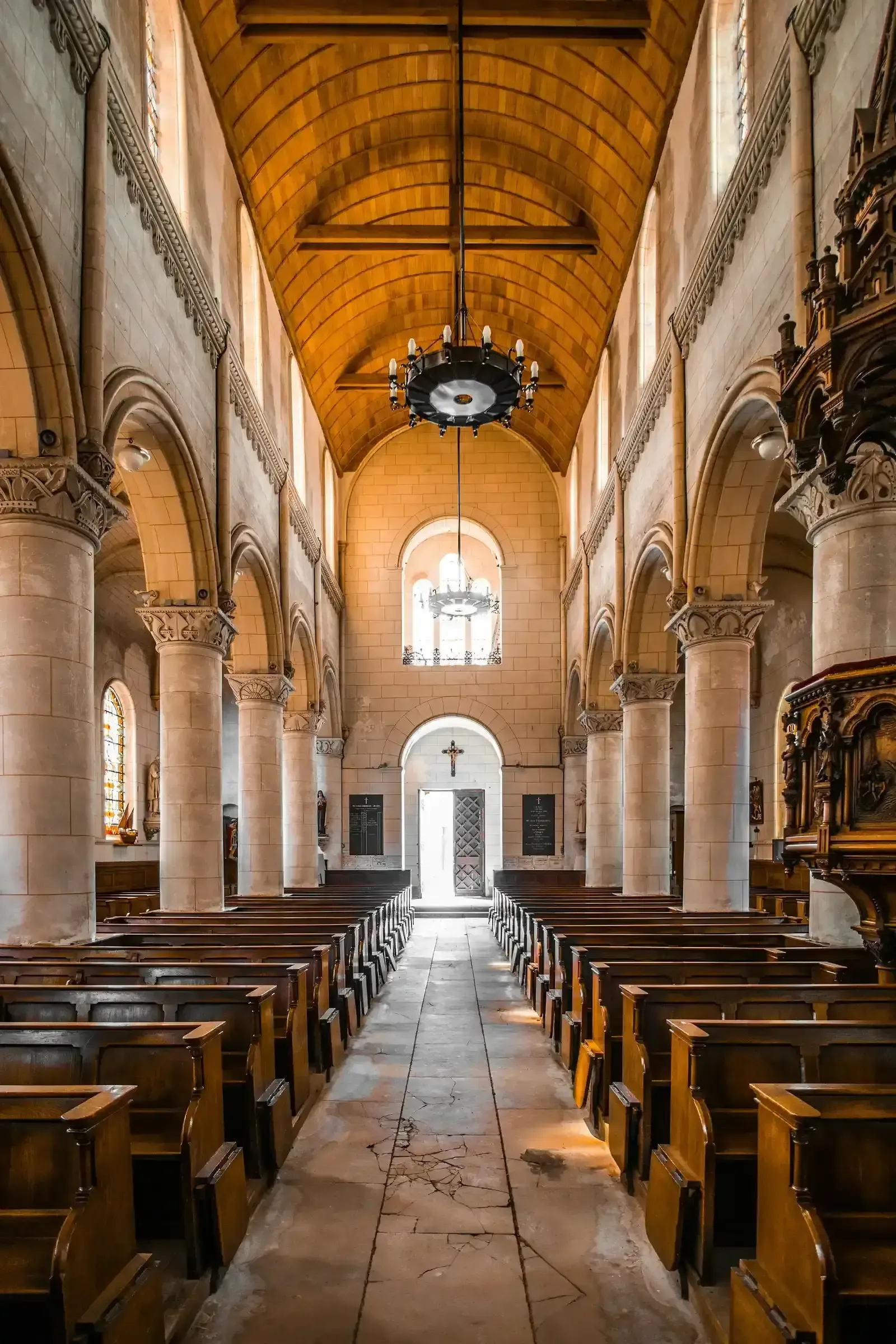
Many of Charleston’s old houses, churches and public buildings aren’t museum pieces. The official visitors guide points out that many historic houses, churches and public buildings are still in daily use. People worship, work and live in them.
The same guide encourages visitors to dress appropriately when going inside. Locals would add a simple courtesy for the sidewalks. Keep your voice down near private homes, and don’t wander into gardens or onto porches just for a better picture.
Engage Honestly With the City’s Hard History
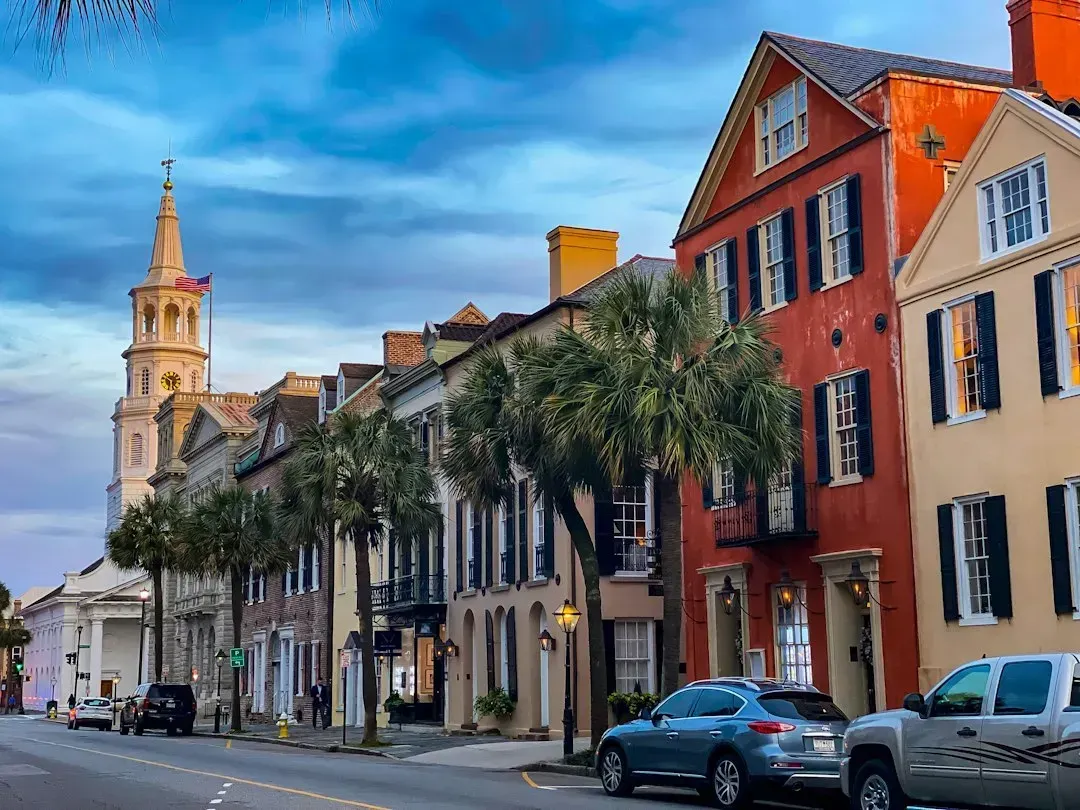
Charleston’s beauty is tied up with slavery and the Civil War, and residents tend to notice when visitors treat that history as mere scenery. One 2026 travel overview says the city’s past demands respectful engagement at plantation sites, historic homes and Civil War landmarks. Many attractions now interpret both the architecture and the human suffering behind it.
The International African American Museum is one place where this history is told directly. The official guide describes it as a new offering set to shine. Spending real time there, rather than rushing through, is the kind of effort locals appreciate.
Book Dinner Before You Arrive
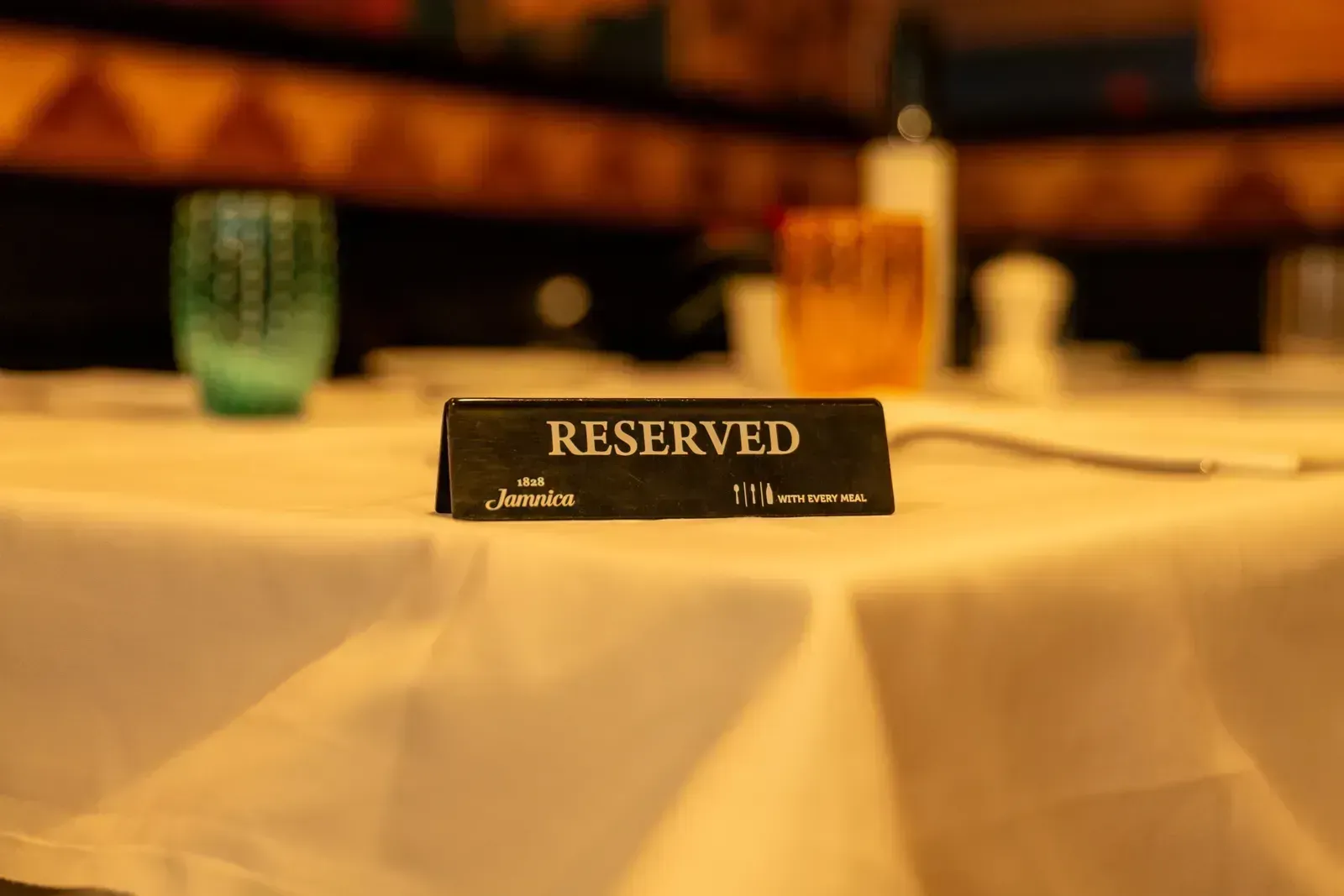
Charleston’s restaurant scene is a major draw, and everyone knows it. One 2026 planning guide warns against showing up without reservations in the busy seasons of March through May and September through November. Popular restaurants can book solid weeks in advance, and walk in tables at well known spots are scarce.
Locals feel this crunch too, since a crowded dining room means longer waits for everyone. Reserve early, and show up on time. If your plans change, cancel so someone else can have the table.
Venture Beyond the Tourist Map
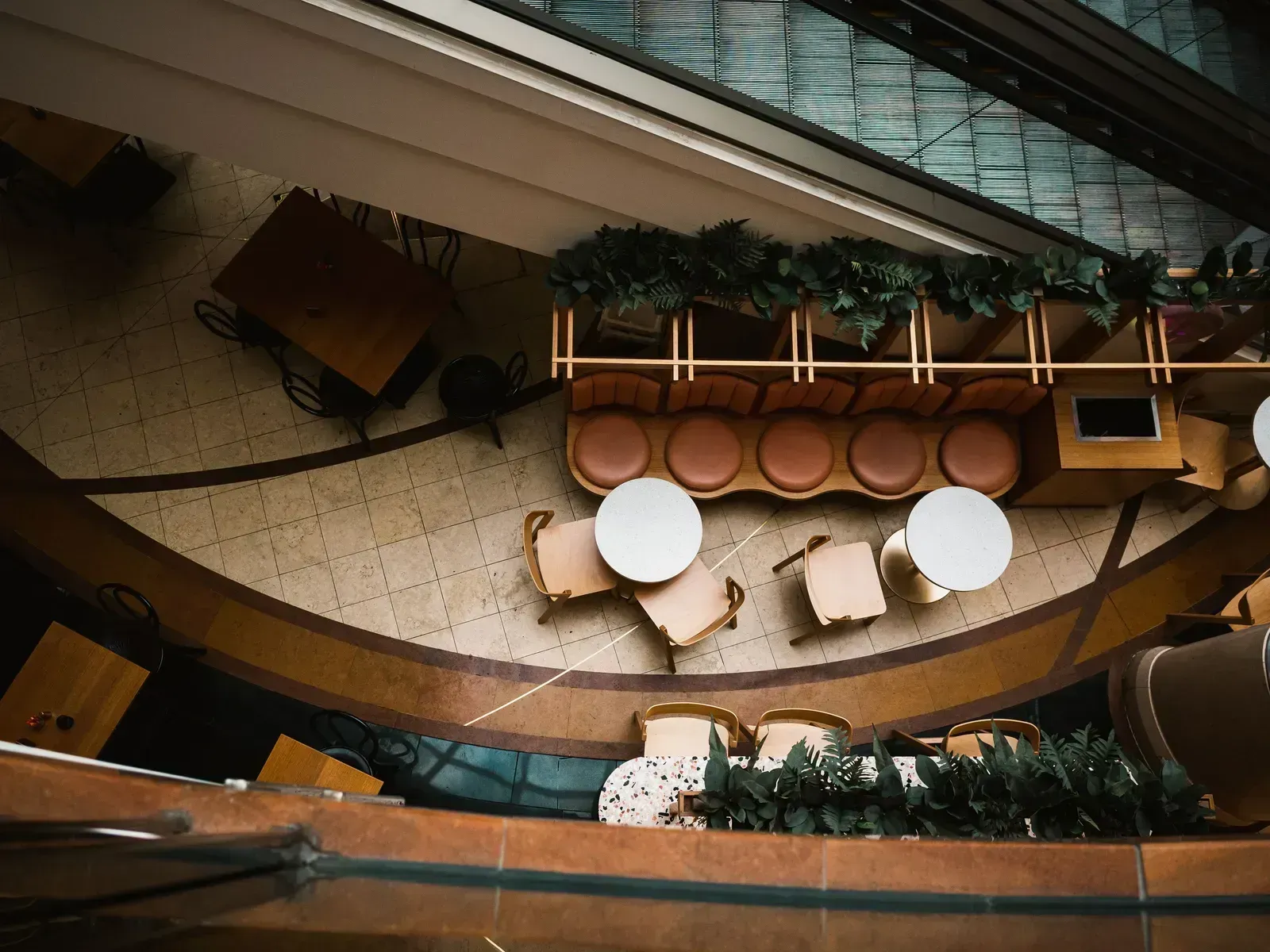
The peninsula gets nearly all the attention, though plenty of locals eat and drink elsewhere. A Tripadvisor contributor recommends going beyond the usual tourist map, with Park Circle’s heritage driven Chinese American restaurant Jackrabbit Filly as one example. The official guide also points to craft beer from a Park Circle brewpub.
Spreading out helps the crowded downtown streets and puts your money into neighborhoods that see fewer visitors. It also tends to make for a more interesting trip. Ask someone who lives here where they’d go on a Tuesday night.
Respect the Heat and the Water
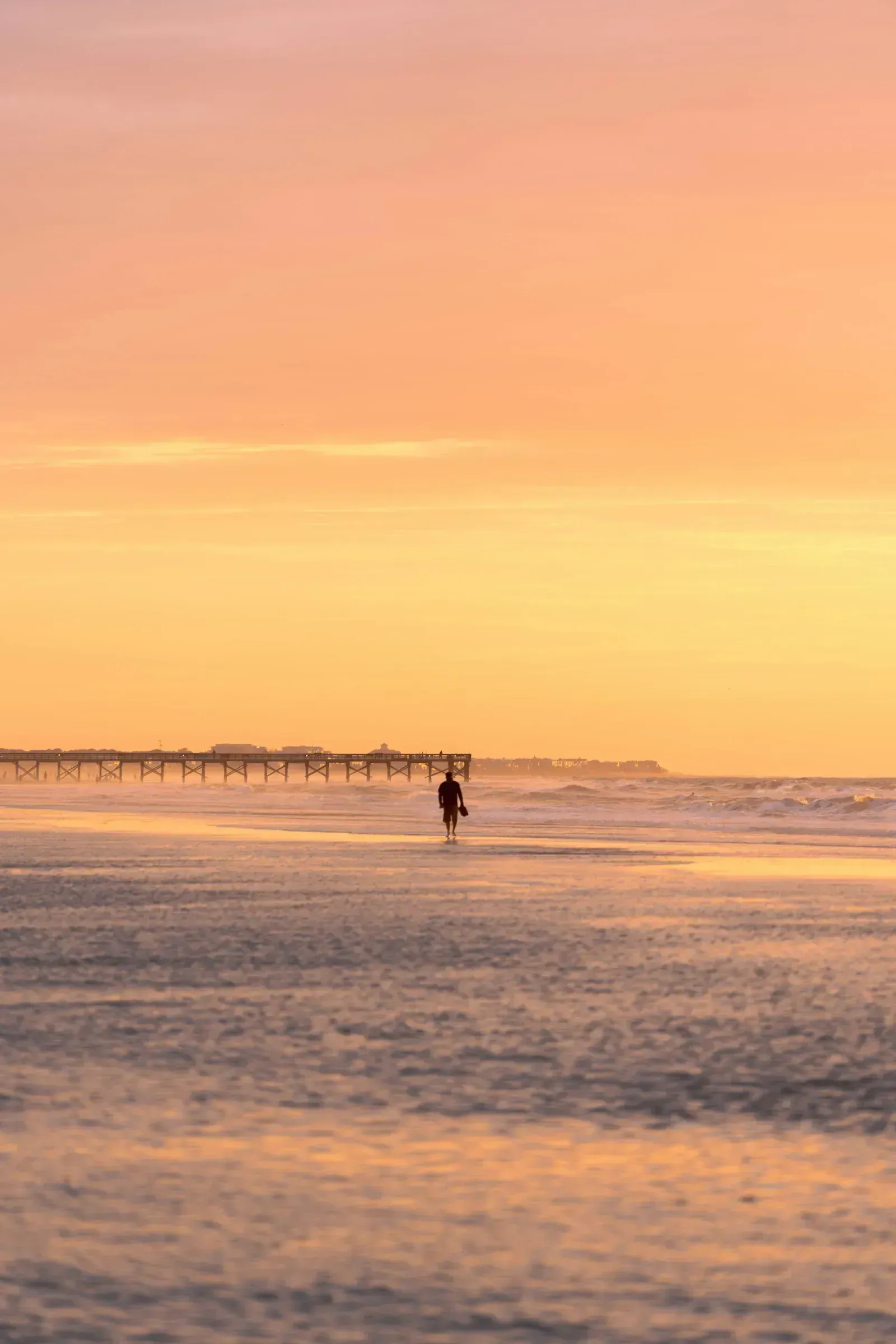
Summer in Charleston is no joke. One 2026 guide says that in July and August, afternoon temperatures regularly reach 90 to 95 degrees, with humidity that makes outdoor exploring uncomfortable. Another suggests flipping the day, with beach mornings, indoor museums or shaded tours in the afternoon, and dinner downtown after sunset.
The water deserves care too. A Charleston native who writes a visitor guide warns not to swim on the southern end of Sullivans Island or near Breach Inlet, because the currents are extremely dangerous. Locals would rather you enjoy the beach safely than turn into a rescue story.

Leave a Reply