
Picture a mid century kitchen table, set for a weeknight supper. There’s a meatloaf or a pot roast in the middle, and somewhere near the salt shaker sits a small crowd of jars and bottles. Most of them didn’t get moved to the fridge until the meal was over, if they were refrigerated at all.
Many of those labels are still on store shelves in 2026, which says something about how well they’ve aged. Here are nine condiments that a typical 1970s dinner table might have held, along with a little history on each, and a nudge to check your own fridge door.
Heinz Ketchup
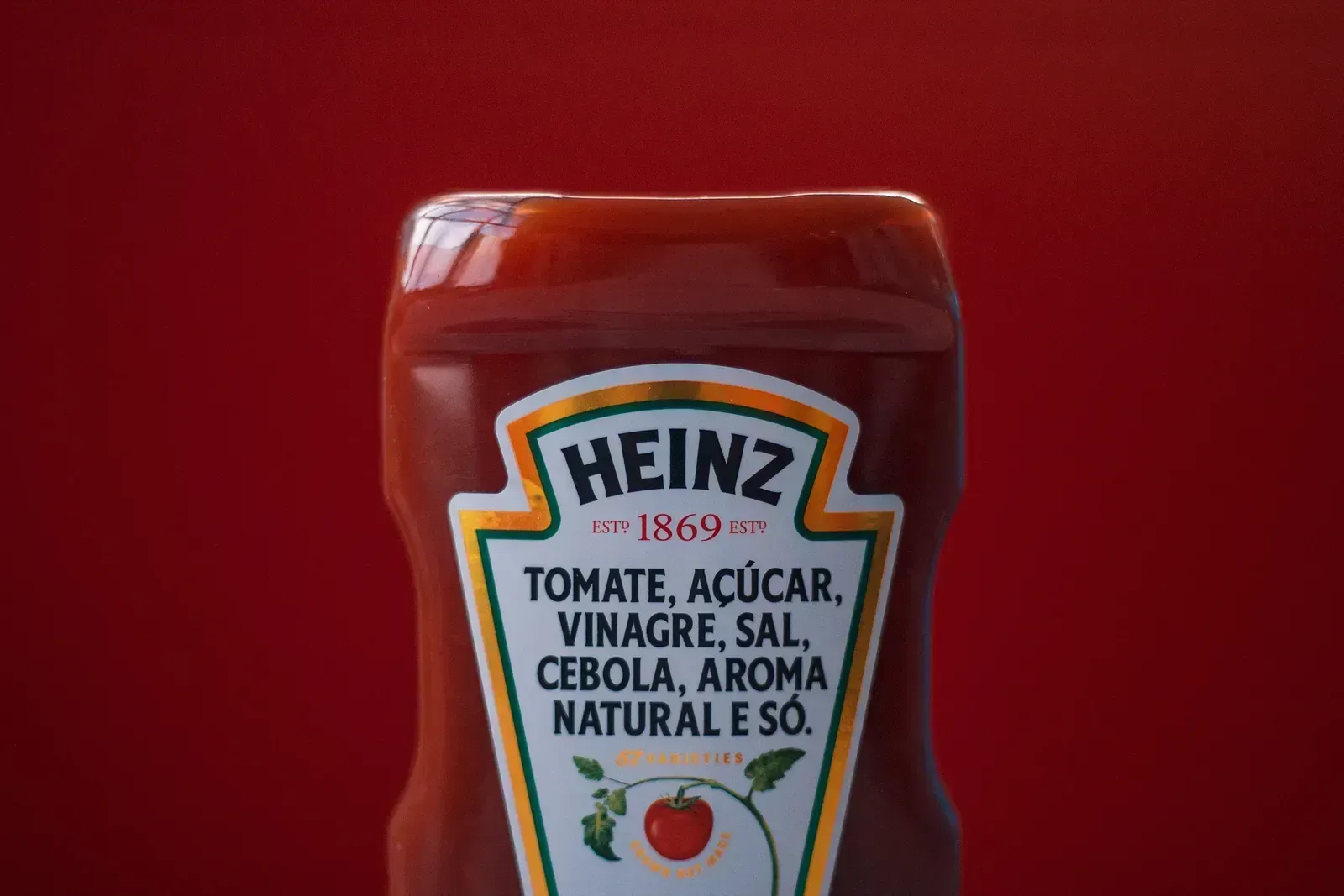
Ketchup was the one bottle nobody questioned. Heinz began selling its tomato version in 1876, and by the 1970s it was a fixture next to burgers, fries and meatloaf. Older recipes for ketchup often used mushrooms or fish brine, so the tomato style we know today is a later development.
The modern bottle is a simple blend of tomato concentrate, vinegar, sugar and spices. Heinz has also long promoted its thick texture, which is why the glass bottle needed that famous tap on the neck. If your fridge has only one condiment, it’s probably this one.
Yellow Mustard
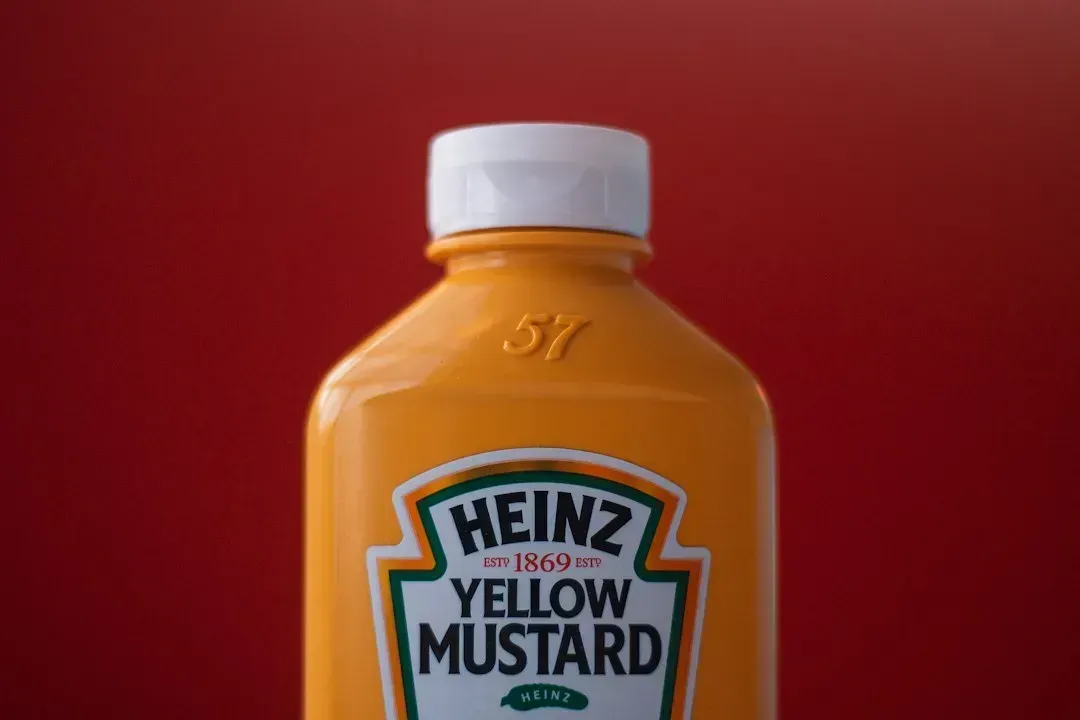
Bright yellow mustard was the standard companion to hot dogs and ham. French’s introduced its mild prepared mustard in 1904, and the brand has said it debuted at the St. Louis World’s Fair alongside the hot dog. The vivid color comes from turmeric, not from the mustard seeds themselves.
Its flavor is tangy rather than fiery, built on ground mustard seed, vinegar and spices. Because the vinegar acts as a preservative, a jar tends to last a long time. Grandpa likely kept one on the table and another backup in the pantry.
Mayonnaise
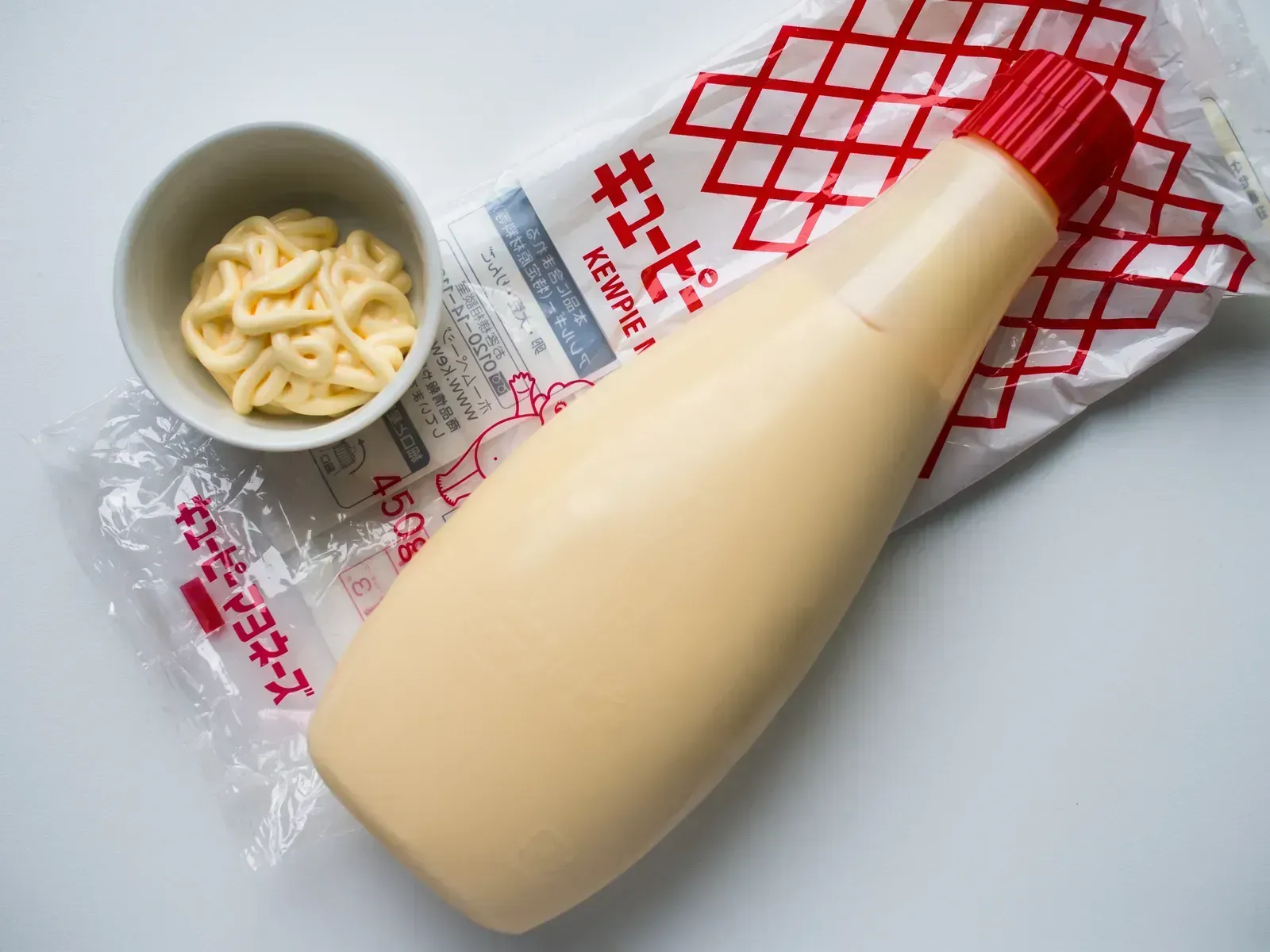
Mayo turned up in potato salad, egg salad, tuna sandwiches and coleslaw. Hellmann’s traces its origins to a New York deli run by Richard Hellmann, who began selling the spread in the early 1900s and started bottling it in 1912. Today the brand is sold as Best Foods west of the Rocky Mountains.
At its core, mayonnaise is an emulsion of oil, egg yolk and an acid such as vinegar or lemon juice. Commercial jars use pasteurized eggs, which is part of why they’re considered safe, but they should be refrigerated after opening. A summer picnic left in the sun is another matter entirely.
Miracle Whip
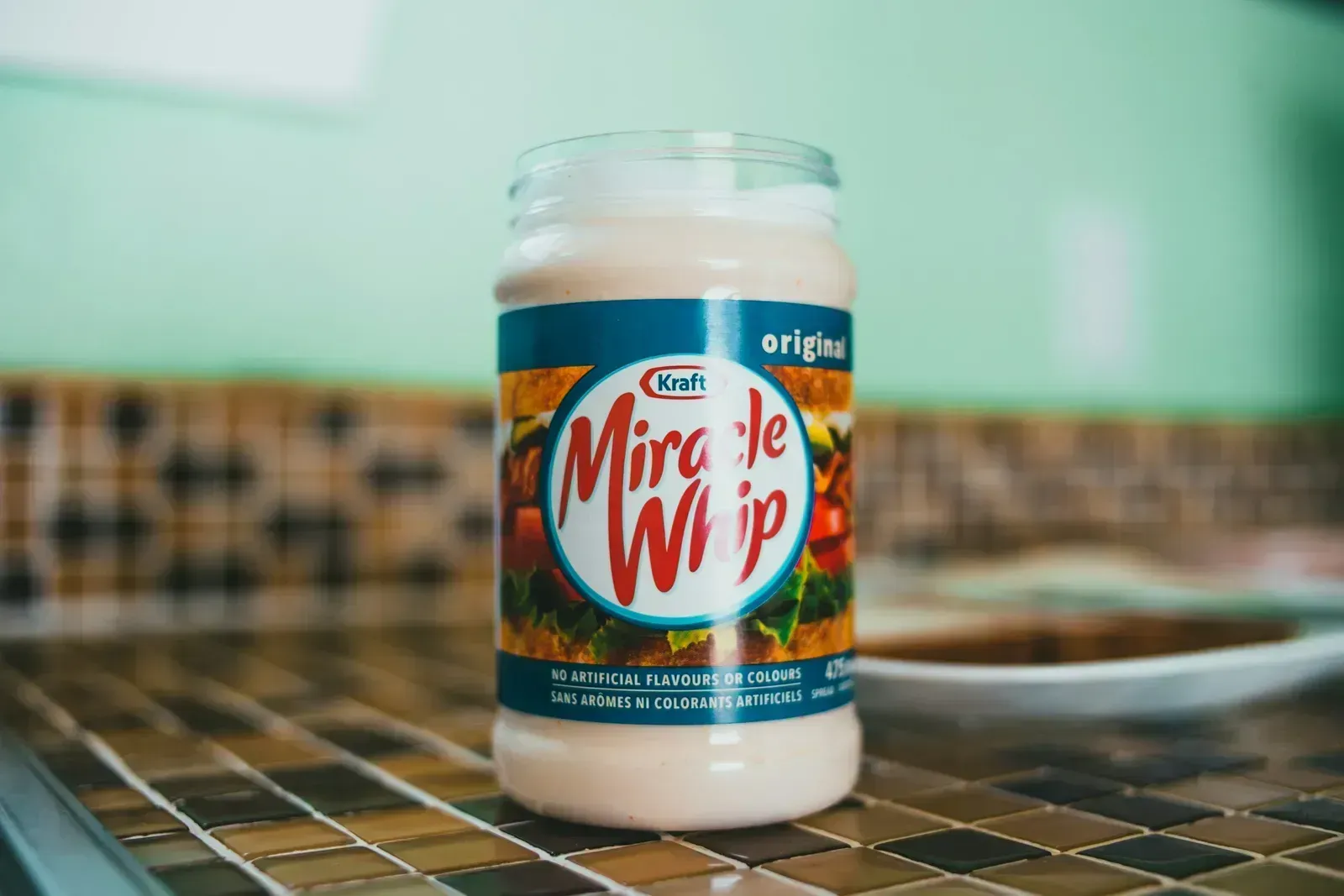
Plenty of households chose Miracle Whip over mayonnaise, and the loyalty ran deep. Kraft introduced it in 1933 at the Chicago World’s Fair as a cheaper alternative to traditional mayo during the Depression era. It was sweeter and tangier, with a spreadable texture that suited sandwiches.
The product is technically labeled a dressing rather than mayonnaise, since its recipe differs from the standard definition. Fans of one rarely switch to the other, which has made it one of the more cheerfully divisive jars in the fridge. It’s still sold widely in the United States.
Worcestershire Sauce
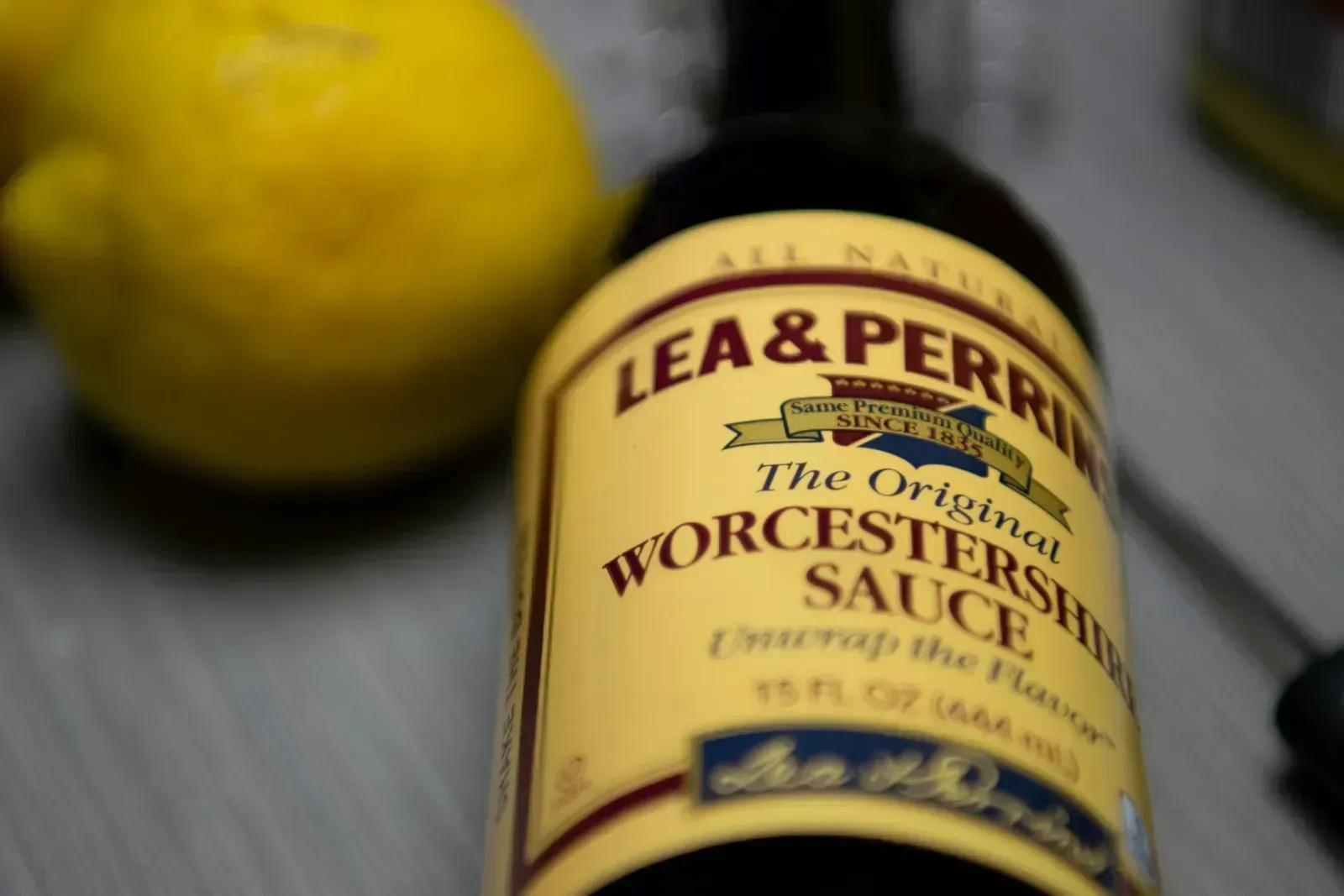
A dark, thin bottle of Worcestershire sauce often lived near the pepper, ready to be shaken onto steaks, burgers and gravies. Lea and Perrins first bottled its version in England in 1837. The ingredients include vinegar, molasses and anchovies, and the sauce is aged to develop its savory depth.
It’s an umami booster more than a table sauce, and many 1970s recipes relied on it. Meatloaf, Bloody Marys and Caesar style dressings all called for a few dashes. A single bottle can last for years, which explains why so many pantries still hold one.
Prepared Horseradish
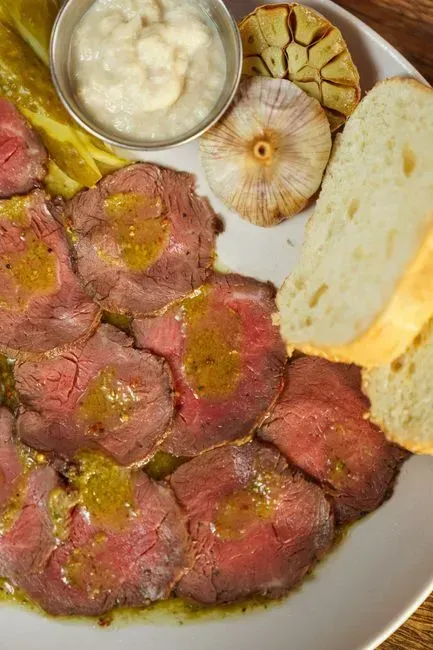
A small jar of horseradish sat beside roast beef for a lot of families, especially on Sundays and holidays. It’s made from grated horseradish root mixed with vinegar, and the sharp heat comes from natural compounds released when the root is cut or ground. That heat hits the nose more than the tongue, which surprises first timers.
Vinegar helps preserve the flavor, though the bite fades gradually after a jar is opened. Many cooks mix it with sour cream or mayonnaise for a milder sauce. It’s also a familiar part of the Passover seder plate and of classic shrimp cocktail sauce.
Sweet Pickle Relish
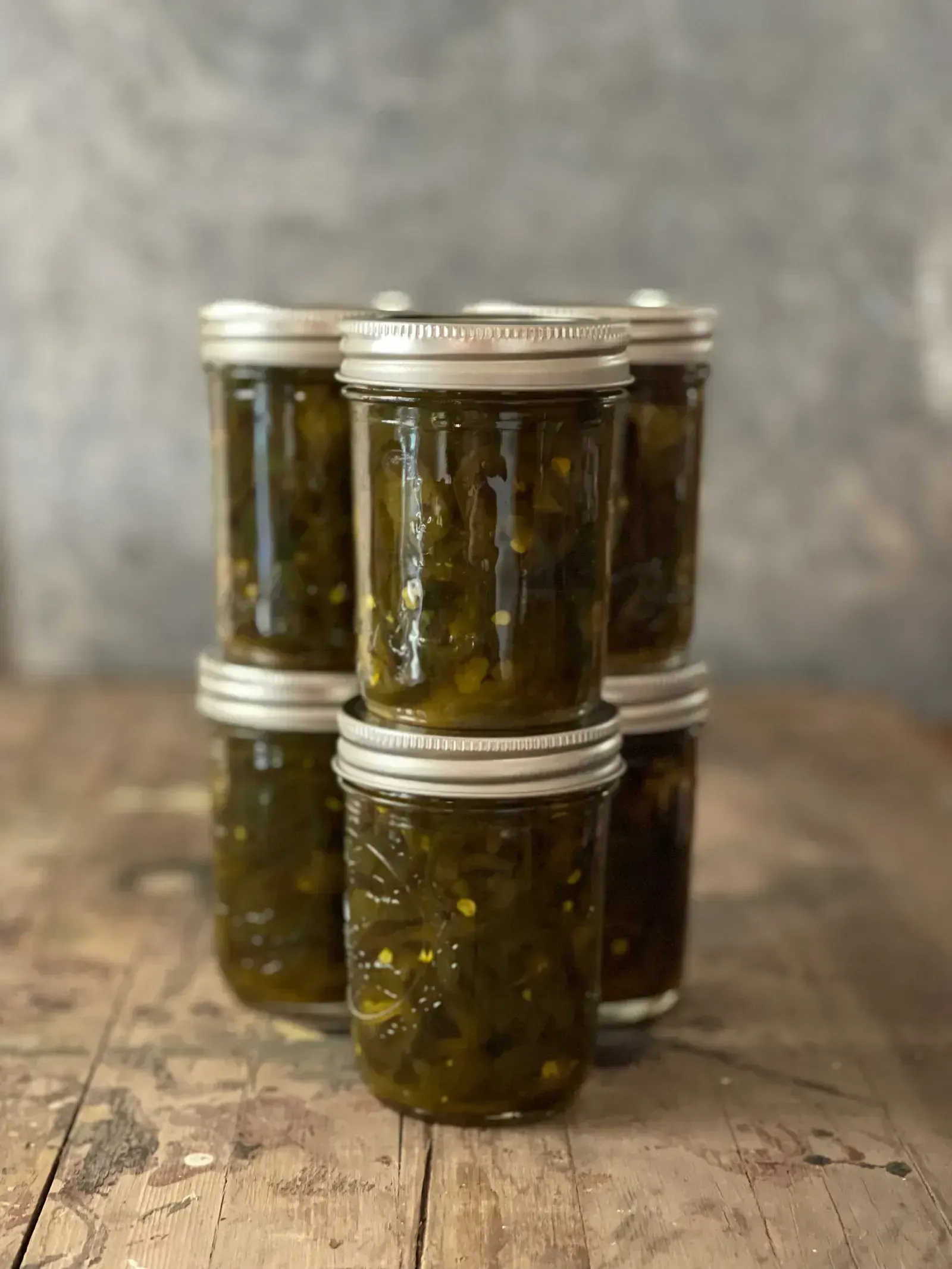
Chopped sweet relish was a staple for hot dogs, burgers and homemade tartar sauce. It’s made from finely diced pickled cucumbers, sweetened with sugar and seasoned with vinegar and spices. Some jars add bits of red pepper for color.
Relish also played a big role in picnic fare like macaroni salad and deviled eggs. A spoonful stirred into mayonnaise made a quick sandwich spread. Dill relish exists too, though sweet was the version many American tables favored.
A.1. Steak Sauce
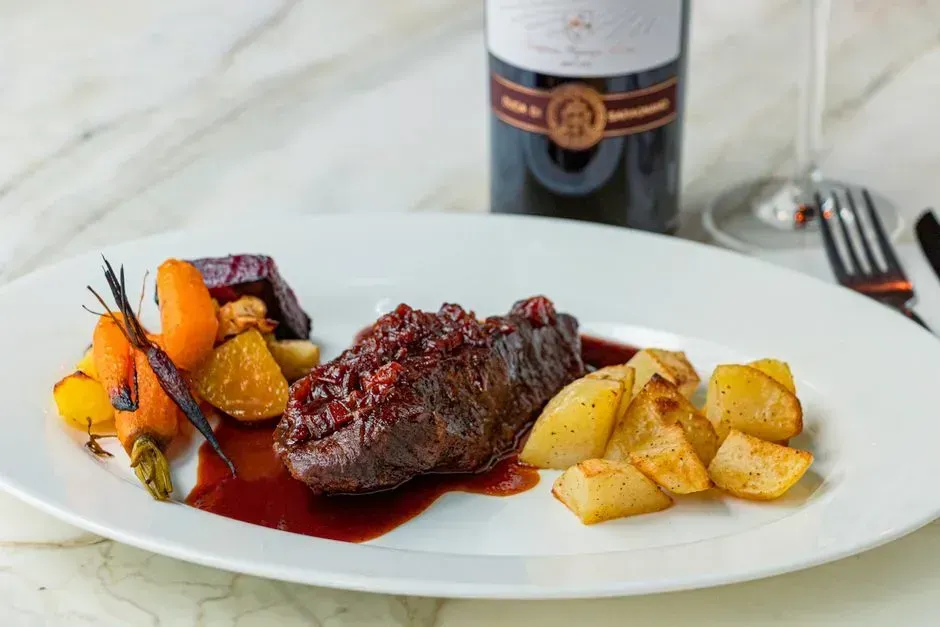
When steak was on the menu, A.1. often joined it. The sauce dates back to 1824 in Britain, where it was created by Henderson William Brand, a royal chef to King George IV. The American company Heublein later brought it to the United States, and it’s now part of Kraft Heinz.
The flavor is tangy and slightly sweet, with notes of raisin, vinegar and spices. Some steak lovers consider it a bit too heavy handed, and others wouldn’t eat a ribeye without it. Either way, the distinctive bottle has barely changed its look in decades.
Tabasco Pepper Sauce
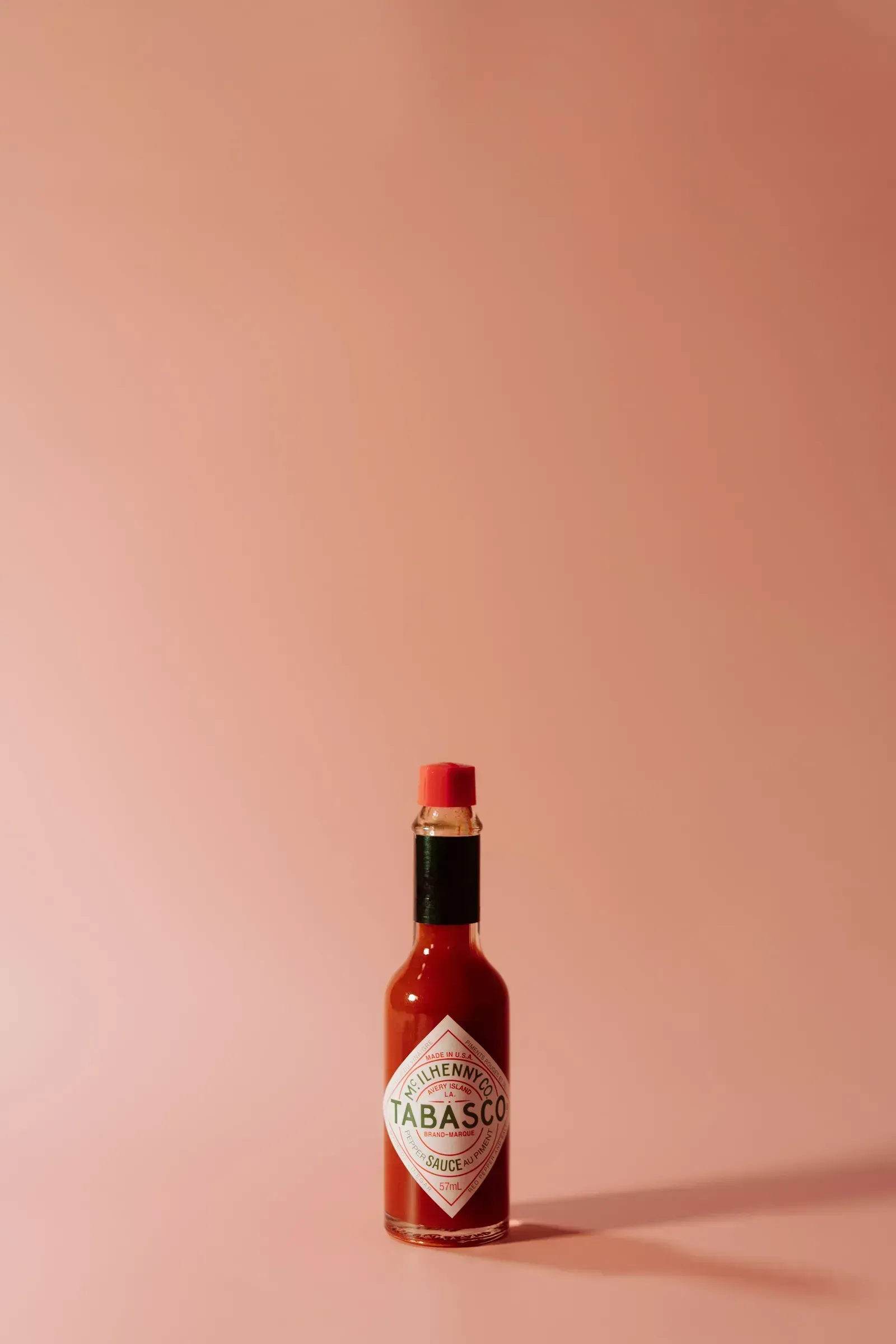
The tiny bottle with the red cap was the hot sauce of choice at many diners and dinner tables. McIlhenny Company has made Tabasco on Avery Island, Louisiana, since 1868. The recipe is famously short, built on red peppers, vinegar and salt, with the pepper mash aged in barrels for years before bottling.
Its thin, vinegary heat works on eggs, oysters, soups and beans without overwhelming them. A few drops go a long way, so a single bottle can last through many meals. Grandpa probably had one within reach of his plate, just in case dinner needed a little kick.

Leave a Reply