
Open a drawer in an older relative’s kitchen and you’ll probably find a few odd tools that look like they belong in a museum. Many of them were retired for good reasons. A surprising number of them, though, solved real problems so well that modern versions still copy the basic idea.
This list covers fourteen vintage designs that earned their reputation. Some are still sold in nearly their original form, and others live on inside the appliances we use every day.
The hand crank rotary egg beater
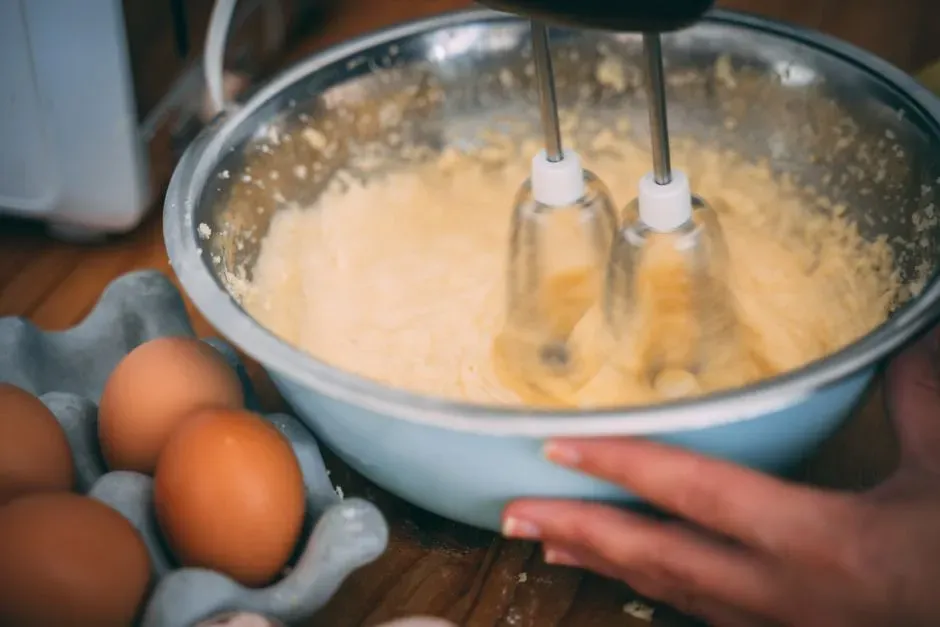
Rotary egg beaters appeared in the mid 1800s, and the basic design was patented in the United States in the 1850s. A hand crank turns a gear, which spins two interlocking beaters at high speed. One turn of the handle produces many rotations of the blades.
That gear ratio is the clever part. It meant a cook could whip eggs or cream without electricity and without tiring quickly. Hand cranked beaters are still sold today, and they remain handy for small jobs where dragging out a mixer feels like overkill.
The wheel style can opener

Canned food existed for decades before anyone made a good tool for opening it. Early cans were often hacked open with a knife or chisel. In 1870, William Lyman patented a can opener with a rotating cutting wheel, which is the ancestor of the wheel openers still used now.
The wheel rolls along the rim and cuts as it goes, so the user doesn’t have to stab and saw. Later versions added a gear and a crank for smoother, safer cutting. It’s a small mechanical idea that made a whole food category practical.
The pressure cooker
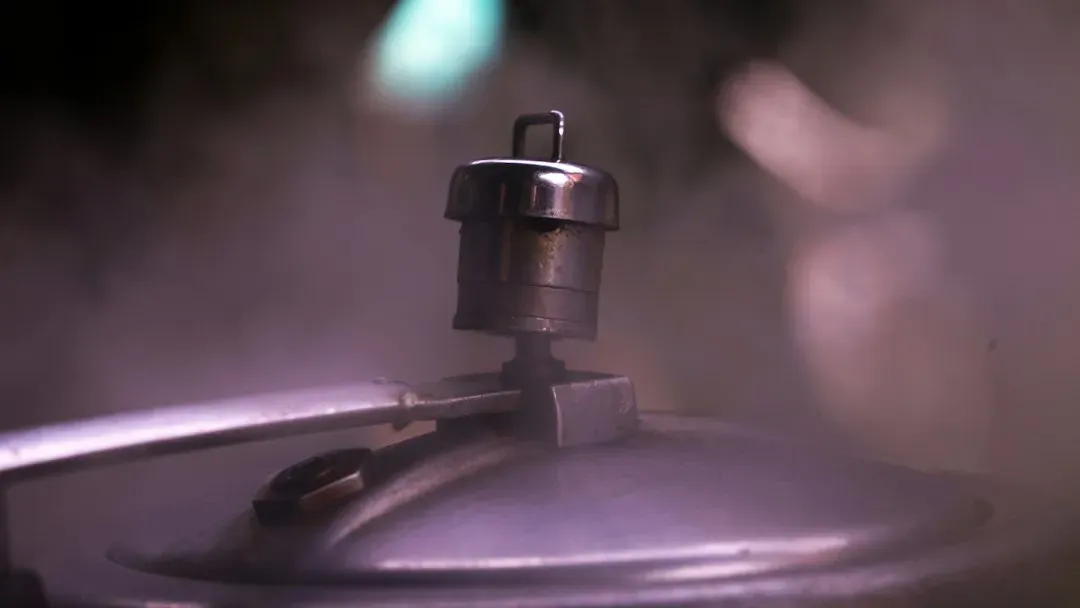
The idea goes back to 1679, when French physicist Denis Papin demonstrated his steam digester. It trapped steam in a sealed pot, raising the pressure and the boiling temperature of water. Food cooks faster at those higher temperatures.
Home pressure cookers became popular in the twentieth century, and the electric multicookers of today rely on the same physics. The principle hasn’t changed, only the safety features around it. Few kitchen inventions have stayed relevant for more than three centuries.
The Mouli food mill

French inventor Jean Mantelet introduced the Mouli Légumes in 1932, a hand cranked food mill with a flat blade that presses food through a perforated disc. He later built the Moulinex company on this success. It purees soups, tomatoes, and potatoes while leaving skins and seeds behind.
Many cooks still prefer a food mill for mashed potatoes because it avoids the gluey texture a blender can create. It also has no motor to clean and nothing to plug in. Simple and sturdy, it has barely needed redesigning.
The crank apple peeler and corer
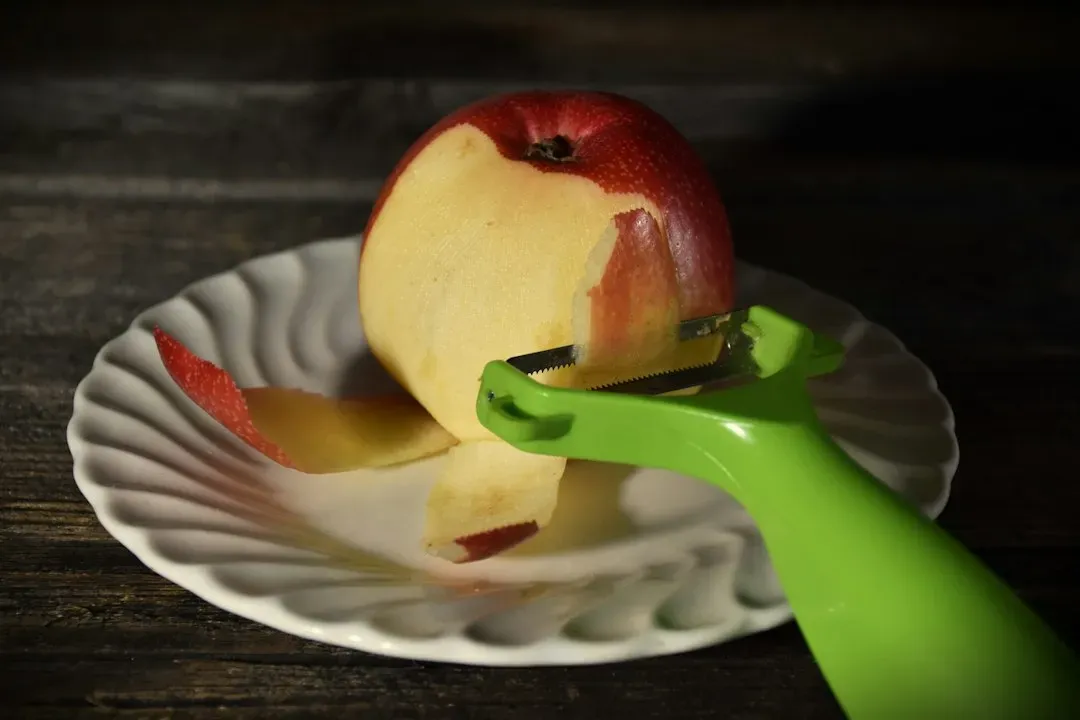
Mechanical apple parers were popular in nineteenth century American homes, especially in fall when families processed large amounts of fruit. The apple is spiked onto a fork and turned with a crank while a blade follows its curve. In seconds, the fruit is peeled, cored, and often sliced in a continuous spiral.
Anyone who has peeled a bushel of apples by hand understands the appeal. Cast iron versions from that era are collected today, and modern clamp on versions still sell steadily in autumn. The design works because it matches the apple’s round shape.
Pyrex glass bakeware
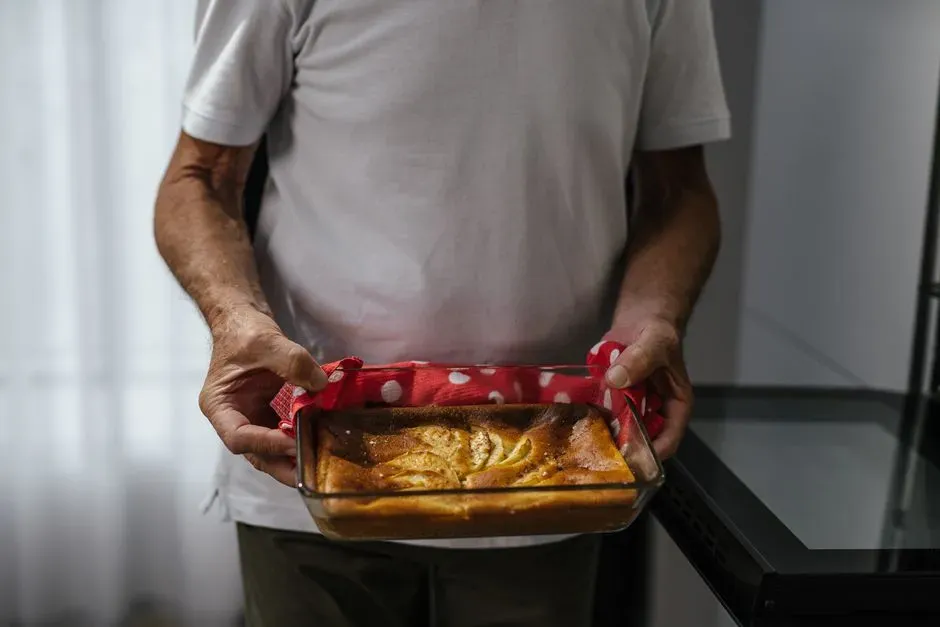
Corning Glass Works launched Pyrex in 1915, adapting heat resistant borosilicate glass that had already been used in railroad lanterns. Cooks could finally bake in a clear dish and watch the browning without opening the oven. Glass also doesn’t react with acidic foods like tomatoes.
The vintage pieces are popular with collectors, and many people still cook in dishes that were made decades ago. One caution is worth knowing: sudden temperature changes can crack any glass bakeware. Treat it gently and it can outlast most modern cookware.
The Bialetti Moka Express
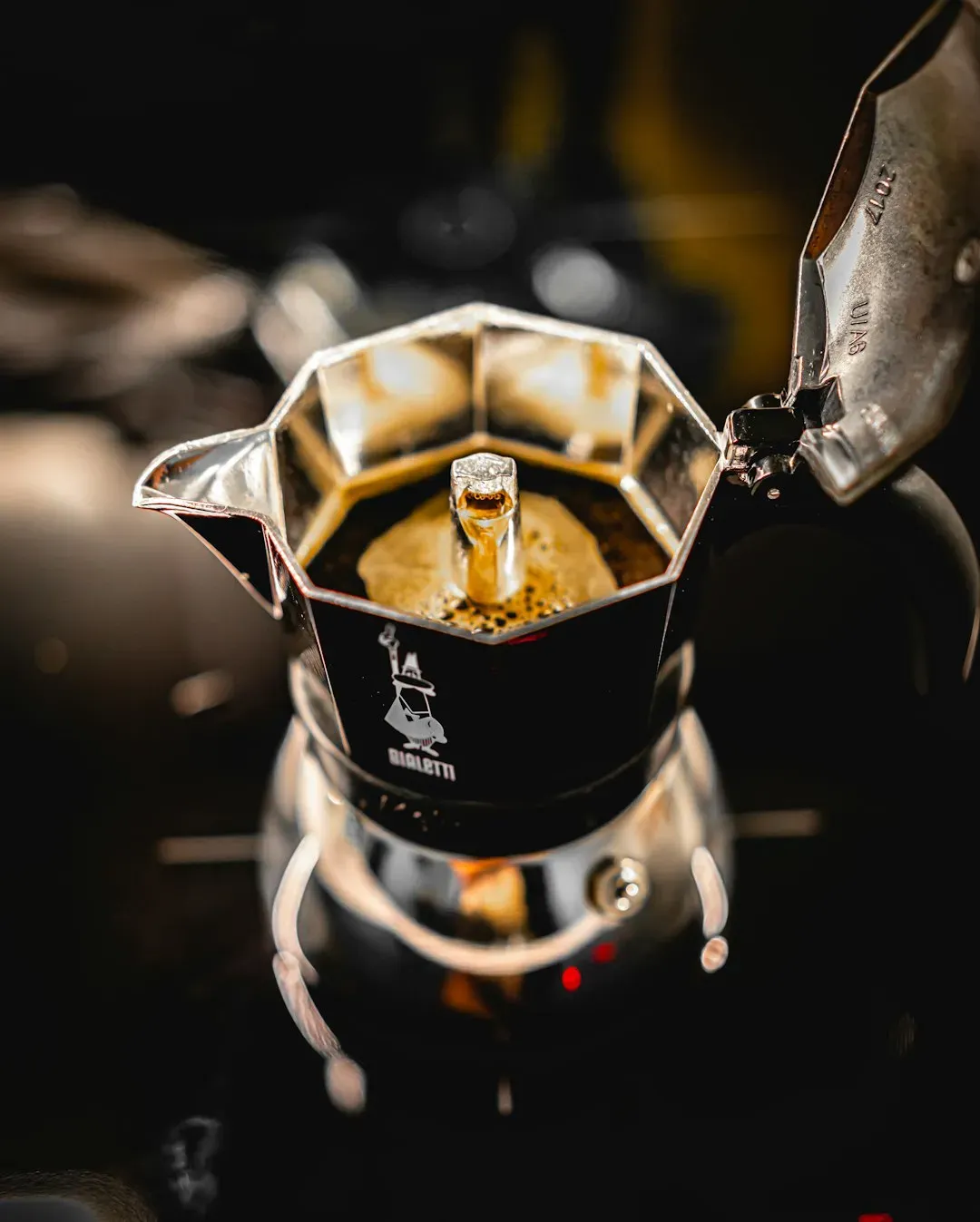
Alfonso Bialetti introduced the Moka Express in Italy in 1933. The octagonal aluminum pot uses steam pressure to push hot water up through ground coffee. The result is a strong, espresso like brew without a machine.
Its three part design is easy to understand and has almost no parts to break. Millions of Italian households have used one, and the shape is recognized worldwide. Replacing a worn gasket now and then is typically all the maintenance it needs.
The KitchenAid stand mixer
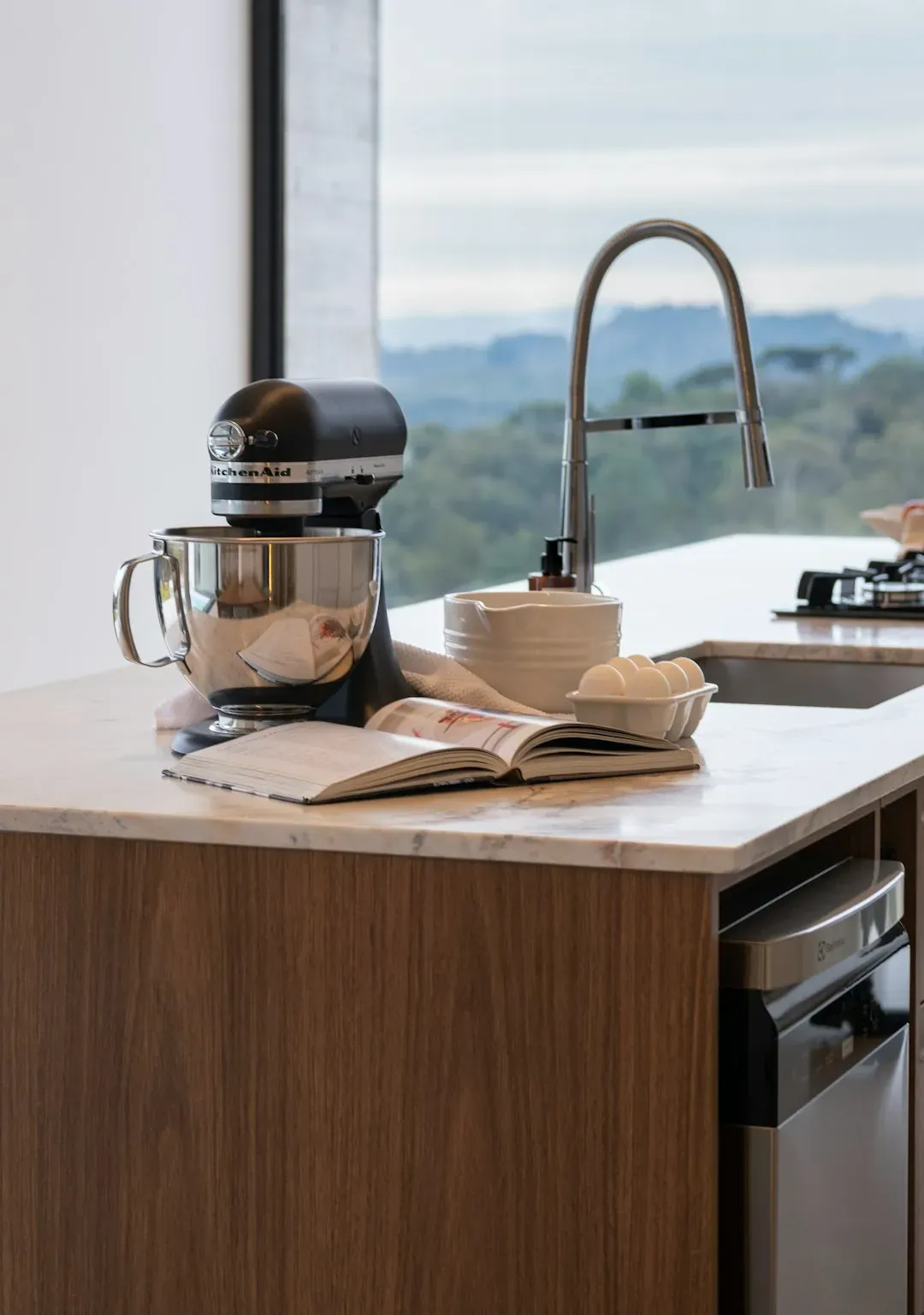
Hobart’s engineers developed the first KitchenAid stand mixer, the Model H, around 1919 for commercial kitchens. A home version followed in the 1920s. Its planetary action, where the beater spins while orbiting the bowl, reaches every part of the mixture.
That motion is why the design has stayed so recognizable for about a century. The heavy motor also takes on stiff bread dough that would exhaust a hand cranked mixer. Many owners report using the same machine for decades.
The pop up toaster
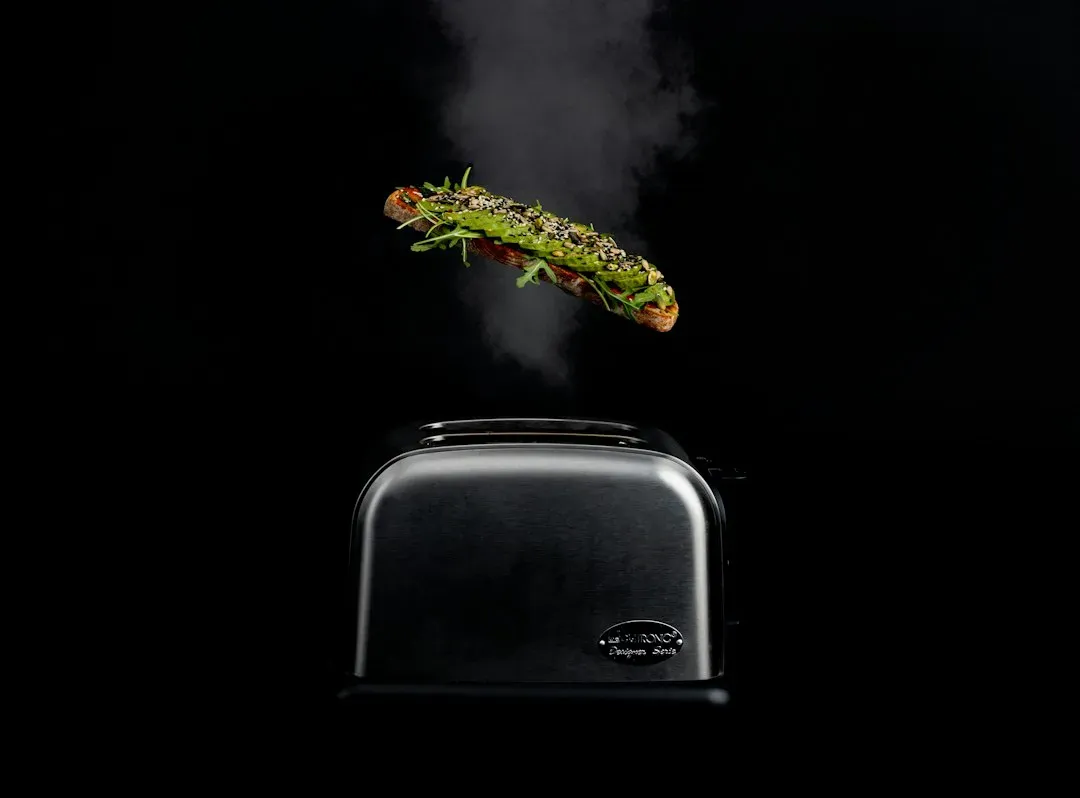
Charles Strite patented a pop up toaster in 1919, aiming to solve the problem of burnt toast in busy restaurant kitchens. It used a timer and a spring to eject the bread once it was done. Earlier toasters needed a person to watch and flip the slices.
A home model followed in the 1920s, and the format spread quickly. Today’s toasters add wider slots and electronic controls, yet the central idea is the same. Pushing a lever and walking away was a real change in daily routine.
Tupperware and the airtight seal
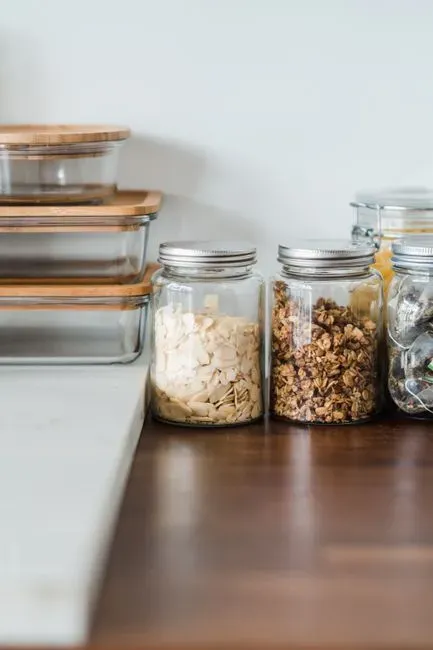
Earl Tupper developed his plastic food containers in the 1940s, and he patented an airtight seal in 1947 inspired by the lid of a paint can. The lid pressed down and released air, creating a tight closure. That helped keep food fresher in the refrigerator.
The product took off after the company shifted to home sales parties in the 1950s. The concept of a sealed, reusable, stackable container is now standard in every kitchen. Many people keep decades old pieces still in daily use.
The mechanical ice cream scoop
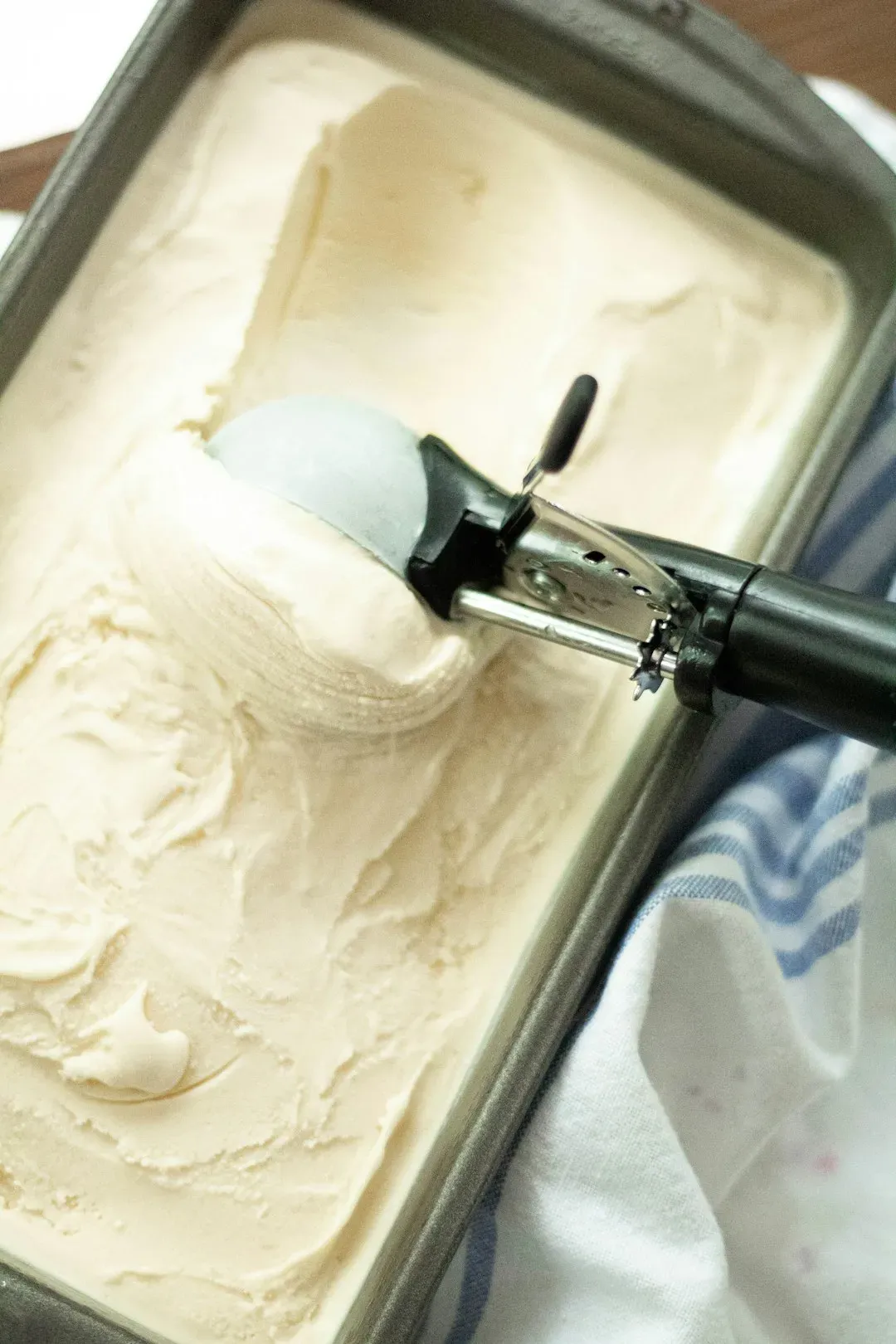
Alfred L. Cralle, an African American inventor, received a patent in 1897 for an ice cream mold and disher. It held a sweep inside the bowl that could be moved to release a neat round scoop with one hand. Before that, serving ice cream was a messier, two handed job.
The spring or lever style scoop you see in shops and kitchens follows that same approach. It saves time during busy service and gives portions a consistent size. The idea proved useful enough to outlast the era that created it.
The Mason jar

John Landis Mason patented his threaded screw top glass jar in 1858. The threads and a sealing lid made home canning far more reliable than the wax and cork methods used before. Families could preserve summer produce for winter.
Mason jars are still used for canning, though modern guidance stresses using tested recipes and fresh lids. They’ve also become drinking glasses, storage containers, and lunch jars. Few vintage tools have found as many new uses.
The Bundt pan
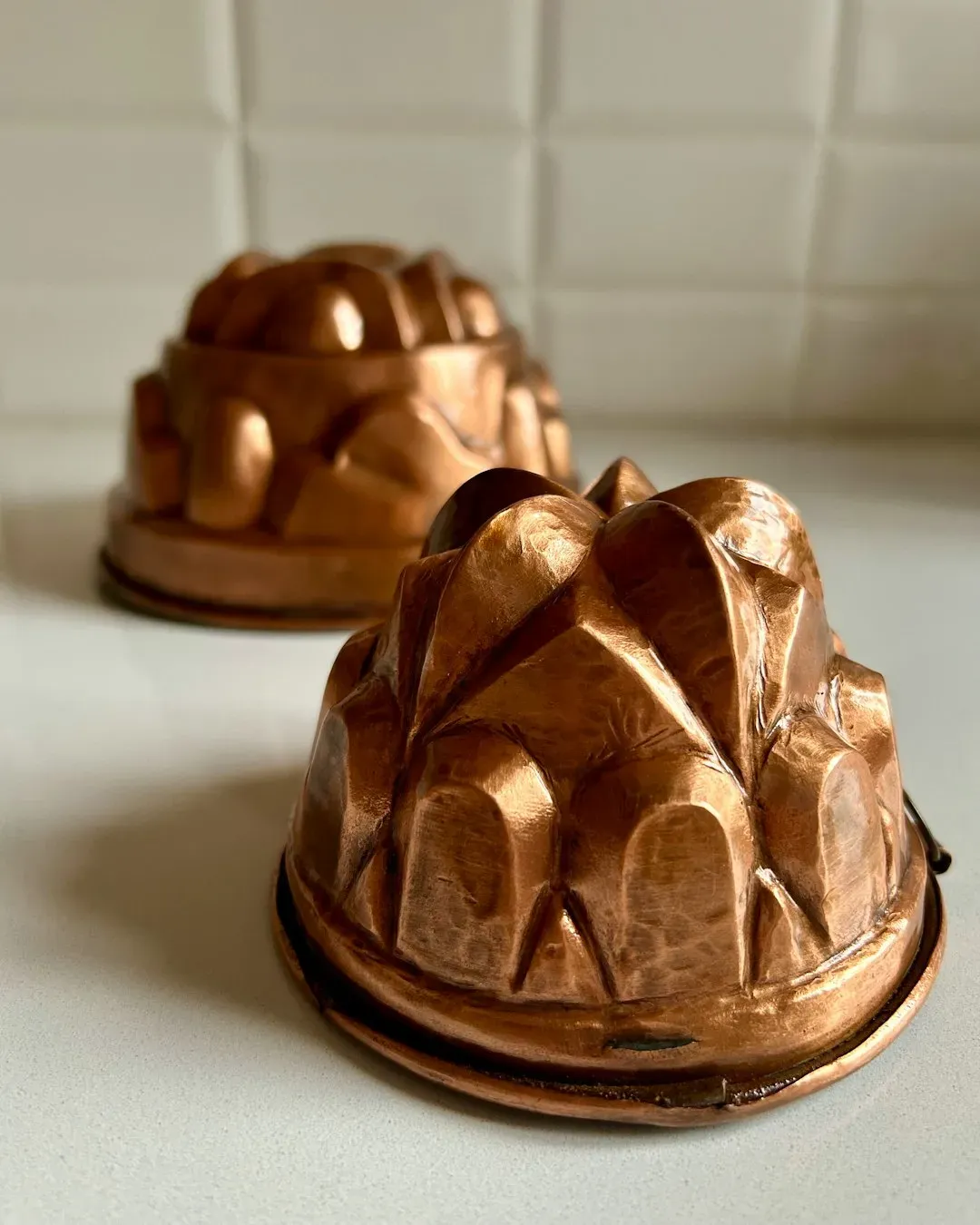
Nordic Ware founder H. David Dalquist created the Bundt pan in 1950 after members of a Minneapolis Hadassah group asked for a lighter version of a traditional European cake mold. The fluted, ring shaped design cooks batter evenly because the center tube spreads heat through the cake. The deep ridges also give a decorated look without any frosting work.
The pan became widely known in the 1960s after a Bundt cake recipe won second place in a national baking contest. It remains a favorite for cooks who want an impressive cake with minimal effort. The pan itself does most of the decorating.
The hand crank flour sifter
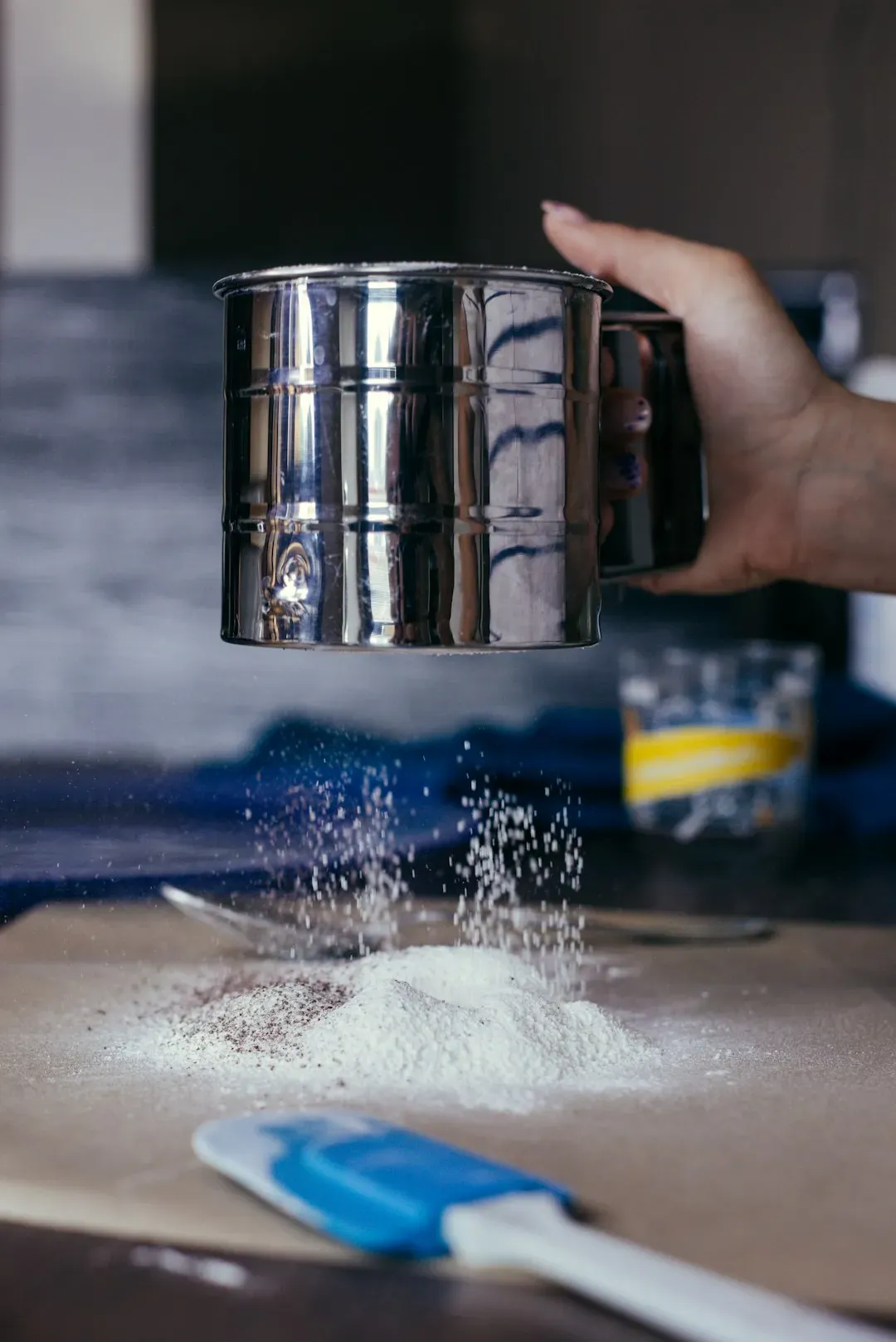
Crank sifters, often made of tin, let bakers aerate and sort flour by turning a handle that moves a blade or wire across a mesh. This kept the flour light and removed lumps before baking. Older flour could contain bits of debris, so sifting was a useful step.
Modern flour is cleaner, but many bakers still sift for delicate cakes and for dusting. Squeeze handle versions are simple to use with one hand. The concept is straightforward: smoother flour gives a finer crumb.





Leave a Reply