
The early weeks after giving birth are unlike anything else. Your body is healing, your hormones are shifting dramatically, and you’re suddenly responsible for keeping a small human alive around the clock. It’s a lot. What gets talked about less, though, is how much mental and emotional weight new mothers quietly carry that has nothing to do with the baby at all.
Some of that weight comes from habits, expectations, and pressures that were already there before childbirth. Others sneak in the moment you leave the hospital. The good news is that the postpartum period, as hard as it is, also creates a genuine opening to set certain things down for good. Here are fifteen of them.
1. The Pressure to “Bounce Back” Physically
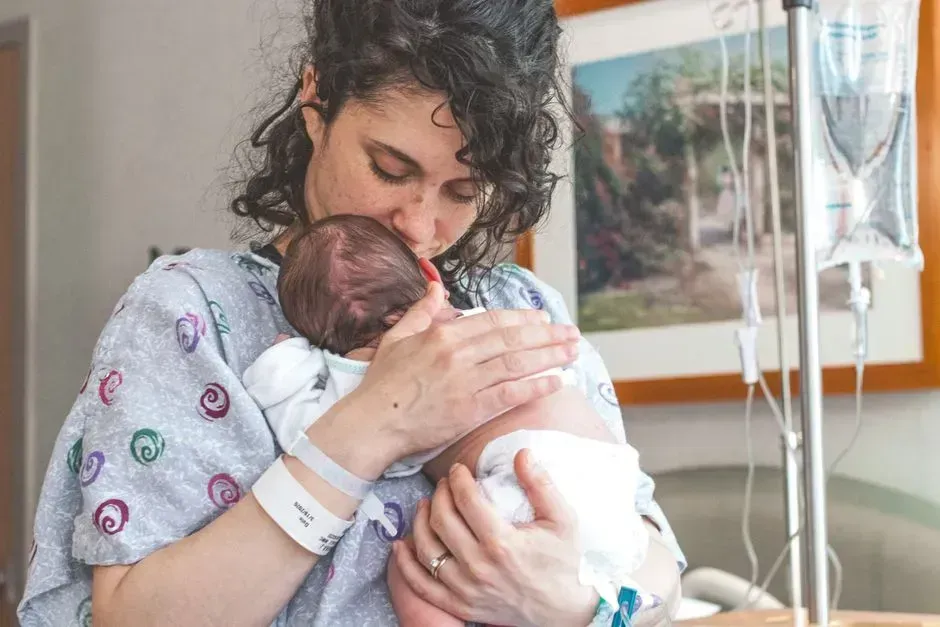
Society reinforces the myth that moms must excel in all areas, including physically “bouncing back” after giving birth. This expectation is everywhere, from social media to well-meaning relatives, and it sets an impossible standard from the very first week home. The reality is that your body just did something extraordinary, and it deserves time, not a deadline.
Accepting your postpartum body is closely tied to many aspects of your new identity as a mother, and learning to feel comfortable in your new body and role as a mom will not happen overnight. It takes time to make peace with your body, and that is normal. Letting go of the timeline entirely is not giving up. It’s giving yourself something far more useful: room to actually recover.
2. Unrealistic Expectations About Sleep

Concern over baby’s sleeping patterns can be a significant source of anxiety, and unfortunately their sleep is sporadic in the early weeks. Expecting a newborn to conform to any kind of predictable schedule in the first months is a reliable path to exhaustion and frustration. The sooner that expectation is released, the easier the nights become, at least emotionally.
Sleep quality is poorest in the first three months postpartum, which can further exacerbate emotional and psychological issues. Poor sleep quality can also adversely affect mother-infant bonding. Protecting whatever rest is possible, even in short stretches, matters far more than trying to enforce a schedule that a newborn’s brain simply isn’t ready for yet.
3. Mom Guilt Over Every Small Decision

Persistent, overwhelming guilt is often a symptom of postpartum depression or postpartum anxiety, not a character flaw. That distinction matters enormously. When guilt feels constant and crushing, it’s worth treating it as a signal that something needs attention, not as evidence of being a bad mother.
New mom guilt is an undeniable part of the journey, but it doesn’t define your worth. It’s okay to want to improve or strive for balance, but perfection isn’t the goal. Most of the decisions that trigger guilt, whether to breastfeed or formula feed, how long to let a baby fuss, when to ask for help, are far more nuanced than the guilt makes them feel. Leaving the guilt spiral behind frees up energy for what actually matters.
4. The Habit of Comparing Yourself to Other Mothers

We are bathed in a culture that demands we do it all and do it perfectly. Social media magnifies these expectations by highlighting reels of perfect family outings, home-cooked meals, and flawless postpartum bodies. What these snapshots don’t show are sleepless nights, meltdowns in the grocery store, messy houses, and moments of self-doubt.
Key themes in recent research on social media and new mothers include social comparison and idealized motherhood as notable risk factors for poor mental health outcomes. Comparison is almost always working with incomplete information. What looks effortless for someone else online is, without exception, edited down from a much messier reality.
5. Toxic or Draining Relationships

Adequate social support from partners, family members, and friends is crucial postpartum. The absence or inadequacy of a support network can intensify feelings of isolation, overwhelm, and stress experienced by new mothers. The flip side of that is also true: relationships that consistently drain, criticize, or add stress actively work against recovery. The postpartum period is not the time to maintain connections out of obligation alone.
When you become a mom, you quickly realize how much external influence can creep into your day, and without clear boundaries, new moms can feel drained, overwhelmed, and pressured to meet unrealistic expectations. Quietly stepping back from people who consistently make things harder is not selfish. It’s a form of self-preservation that also protects the baby.
6. Tolerating Endless Unsolicited Advice

It can be exhausting navigating unsolicited parenting advice while trying to follow your own instincts or your pediatrician’s guidance. The goal is to be polite but firm. You don’t have to debate, explain, or justify your decisions. Everyone from neighbors to distant relatives suddenly feels qualified to weigh in on feeding choices, sleep arrangements, and parenting methods. Politely deflecting that noise is a skill worth developing early.
The volume of conflicting advice a new mother receives in the first weeks can become genuinely overwhelming. Learning to filter out well-meaning but unhelpful input, and to trust your own instincts alongside your doctor’s guidance, reduces daily decision fatigue considerably. You don’t owe anyone an explanation for how you’re raising your child.
7. Perfectionism About the House

Prioritizing a tidy house over your health and well-being is one of the most common traps for new mothers. The laundry can wait. The dishes can wait. The counter that hasn’t been wiped down in three days is genuinely not a crisis, even if it feels like one in a sleep-deprived state.
Even though you might have people around to help, the early postpartum period is not the time to take on more duties. In the first two weeks, midwives often advise: no cleaning, no cooking, no shopping in stores, no driving. Giving yourself explicit permission to let the house be imperfect removes one more source of daily stress during a time when your energy is already stretched thin.
8. The “Revenge Scroll” at Night

The “revenge scroll” made popular on social media will not serve you in the long run. It can quickly become a vicious cycle and lead to sleep deprivation, which is a known risk factor in perinatal mood and anxiety disorders. Reaching for your phone in the middle of the night feeds the illusion of reclaiming some personal time, but the cost is real and measurable.
Lack of sleep can increase the risk of postpartum anxiety and depression, hinder bonding with the baby, and contribute to feelings of inadequacy as a new mom. Those extra twenty minutes of scrolling rarely feel worth it by morning. Leaving this habit behind in the postpartum months is one of the more concrete things a new mother can do to protect her mental health.
9. Isolating Yourself and Refusing Help

Social support is essential for emotional well-being and can provide practical help during the postpartum period. Staying connected, through regular communication with friends, family, and support groups, helps avoid feelings of isolation. Isolation tends to sneak up quietly, particularly in the early weeks when leaving the house feels daunting and visitors feel like too much to manage simultaneously.
Asking for help remains a challenge for many new mothers. Around sixty percent of moms said it was difficult to express their needs, especially regarding mental health. That reluctance often comes from not wanting to appear incapable. Dropping that particular guard, and asking directly for what you need, is one of the most practical things you can do in those first months.
10. Skipping or Delaying Postpartum Medical Checkups

Just because you gave birth doesn’t mean your care ends or that your health isn’t important. You should try prioritizing resting and taking care of your health in addition to caring for your baby. Your healthcare provider will schedule postpartum checkups with you so they can continue to monitor your recovery and healing. It’s surprisingly common for new mothers to put every appointment on hold while focused entirely on the baby, often to their own detriment.
The American College of Obstetrics and Gynecology recommended twelve weeks of support rather than a single six-week postpartum visit. Physical complications like postpartum hypertension, infection, and delayed healing can develop silently. Treating your own medical follow-up as non-negotiable, not optional, is a habit worth forming from the very start.
11. Dismissing Your Own Mental Health Symptoms

About one in seven women experience postpartum depression, which can affect their ability to care for themselves and their baby. That figure is significant, and it doesn’t account for postpartum anxiety, which many researchers believe is even more common. The instinct to push through or convince yourself it’s just tiredness delays treatment unnecessarily.
If you have large mood swings, don’t feel like eating, are very tired, and lack joy in life shortly after childbirth, you might have postpartum depression. Contact your healthcare professional if you think you might be depressed. Getting support early makes a real difference. Research has shown that proactive intervention can reduce the odds of developing postpartum depression or anxiety by more than eighty percent compared to receiving no support.
12. Rushing Back to Work Before You’re Ready

The postpartum period starts shortly after delivery, typically lasts six to eight weeks, and concludes when the mother’s body has nearly returned to its prepregnant state. The weeks following childbirth are crucial for establishing the long-term health and well-being of both the mother and infant. Returning to a full workload before the body and mind have had adequate time to stabilize can prolong both physical and emotional recovery.
The pressure to return quickly, whether financial, professional, or social, is real and in many cases unavoidable. When there is any flexibility, though, taking it matters. Even a few extra days of rest can meaningfully affect how the transition into new routines feels, both for the mother and for the baby adjusting alongside her.
13. Feeling Like You Have to Host Visitors

There’s a quiet expectation in many families and social circles that a new baby is a public event. Friends want to visit, relatives expect access, and suddenly the home becomes a revolving door at precisely the time when rest and recovery are most critical. Many new mothers feel obligated to play host, clean up before guests arrive, and perform composure they don’t actually feel.
Excessive visits from friends and family may expose newborns to unwanted germs, and it is best to prevent and reduce the baby’s chances of exposure to infections. Beyond the health angle, protecting those early weeks from social obligations is simply good sense. Limiting visitors, shortening visit lengths, and asking people to call ahead are all reasonable boundaries that most thoughtful guests will respect.
14. The Obsession With “Getting Your Body Back”

Letting go of perfection does not mean you stop caring. Instead, it means moving the focus away from “getting back” to your old body and toward noticing what feels good right now. The phrase “getting your body back” implies that the postpartum body is somehow lost or wrong, which isn’t an accurate or particularly helpful framing. Your body changed because it grew and delivered a human being.
Having unrealistic expectations in motherhood can be a trigger for unnecessary feelings of guilt and shame. Releasing these expectations can help you make peace with where you’re at today. Gentle movement, nourishing food, and adequate rest are all genuinely helpful in the postpartum period. An aggressive return to pre-pregnancy fitness goals, on a compressed timeline, is not.
15. The Idea That Asking for Help Means You’re Failing

You’re probably just tired, unsupported, and holding yourself to impossible standards. Your baby doesn’t need a perfect mother. They need you: imperfect, exhausted, trying your best, and brave enough to keep showing up even when it’s hard. The belief that needing help is a personal failure is one of the most persistent and damaging myths in modern motherhood. It keeps women from accessing support that is not only available but genuinely necessary.
Interestingly, nine in ten people say they would gladly help another parent if asked. The willingness to help is almost always there. What’s missing is permission to ask for it. Leaving behind the idea that self-sufficiency is a virtue in the postpartum period creates space for the kind of community and support that actually makes recovery possible.
The postpartum period is finite, even when it doesn’t feel that way at three in the morning. The habits, pressures, and expectations that make it harder than it needs to be are not fixed. Many of them can simply be set down, one at a time, without any fanfare at all. That quiet act of letting go is, in its own way, one of the first genuine gifts a new mother can give herself.

Leave a Reply