
Most travelers obsess over what to pack in their bags, but very few stop to think about what they’re wearing on their body. The reality is that your outfit can create real friction at airport security, at the gate, and sometimes even on board the plane itself. From TSA agents flagging your accessories to airline staff blocking your boarding, what you wear matters far more than most people realize.
1. Heavy Metal Jewelry That Triggers the Detectors
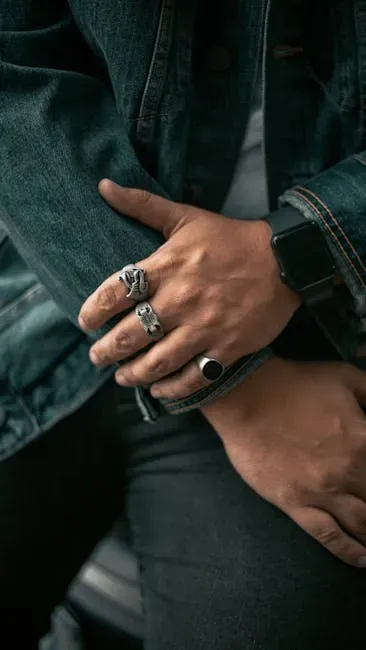
1. Heavy Metal Jewelry That Triggers the Detectors (Image Credits: Pexels)
TSA allows most jewelry through security, though large or metal-heavy pieces may require additional screening. That sounds manageable until you’re standing barefoot in a crowded security lane, holding up an entire line while a TSA officer waves a wand around your layered necklaces. Former TSA agent Kimberly Pruitt, who spent more than five years at Los Angeles International Airport, warns that “large metal bracelets and necklaces will set off the metal detector” and highlights the Cartier Love bracelet specifically as a problem item, since “these bracelets can only be removed with a screwdriver.”
On average, passengers can face significant delays when jewelry is not properly prepared, with up to 30% experiencing longer wait times at security checks. The tension this creates isn’t just personal. Every extra minute you spend getting wanded or patted down is a minute everyone behind you spends sighing and shuffling. The TSA recommends putting on heavy jewelry after you go through security, to reduce the likelihood of an alarm that results in a pat-down screening. It’s a small change with a surprisingly big payoff.
2. Excessively Baggy or Bulky Outerwear
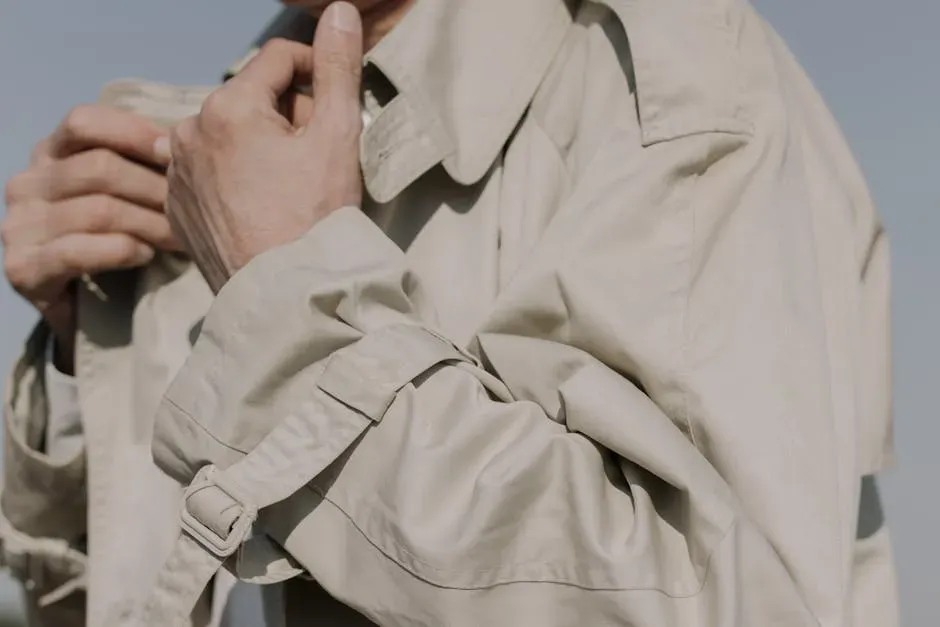
2. Excessively Baggy or Bulky Outerwear (Image Credits: Pexels)
Personal stylist Jennifer Koch told Today that “wearing bulky or especially oversized clothing – whether to be avant-garde or super comfortable – can look suspicious to TSA.” This isn’t just a vague fashion warning. Anything from sweatshirts and oversized grandpa sweaters to voluminous dresses can pose a problem with TSA by making it look like you’ve got something to hide underneath. Security agents are trained to flag anything that could conceal prohibited items, and extreme volume in an outfit sends exactly that kind of signal.
According to the TSA’s own FAQ, persons wearing head coverings, loose fitting or bulky garments may undergo additional security screening, which may include a pat-down, conducted by a TSA officer of the same sex. On top of that, during airport screening, you’ll be asked to take off your coat or jacket for the TSA, including bulky outerwear such as parkas and vests. Wearing multiple thick layers doesn’t save space in your carry-on. It just slows everything down for you and everyone else waiting in line.
3. Offensive, Threatening, or Provocative Clothing
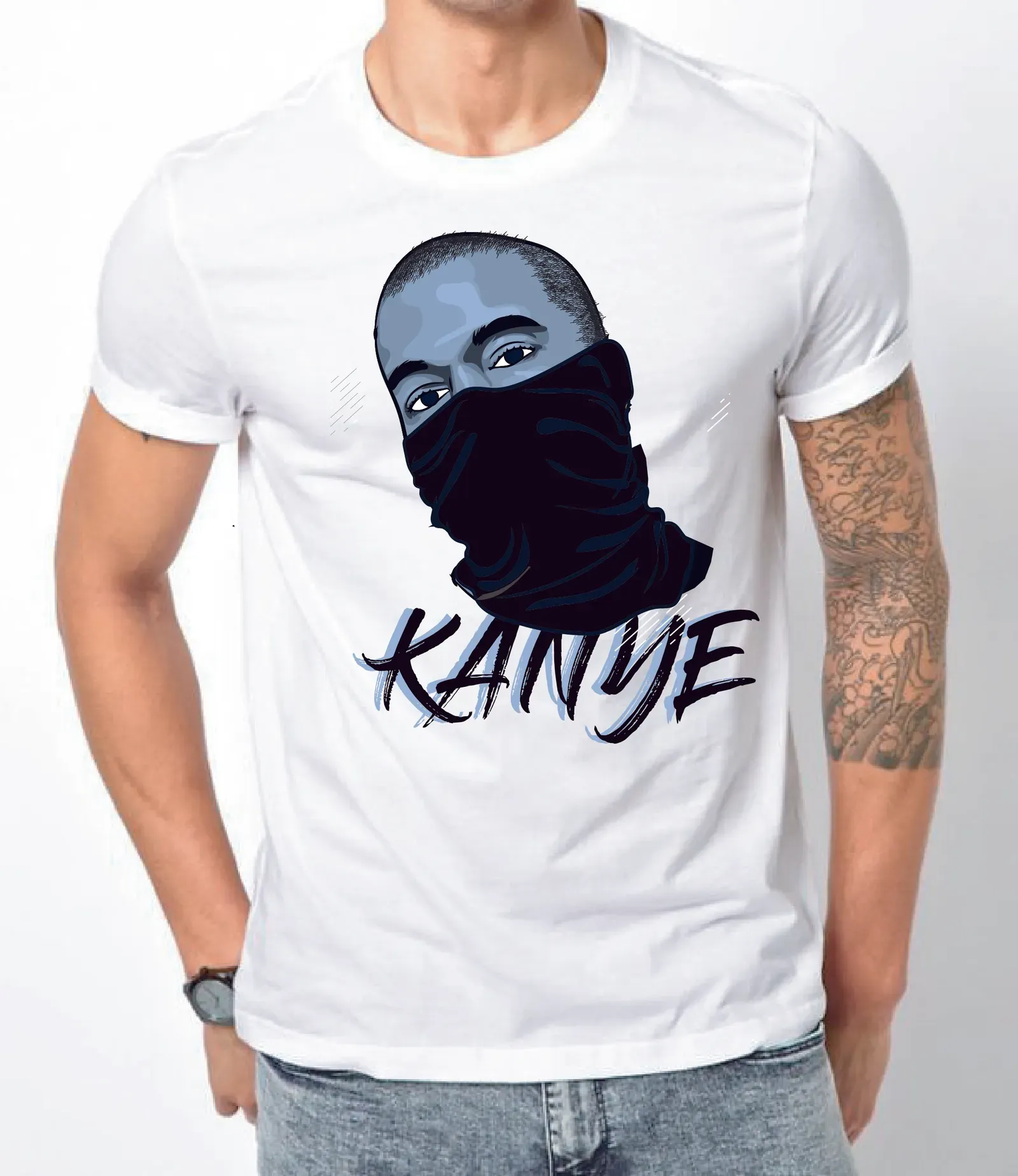
3. Offensive, Threatening, or Provocative Clothing (Image Credits: By Creativesblock, CC BY-SA 4.0)
Most commercial airlines don’t publish strict dress codes for passengers. However, they do reserve the right to deny boarding if your clothing is considered unsafe, offensive, or inappropriate. This is where things get genuinely contentious. A shirt that seems edgy or funny to you might cross a line for a gate agent making a judgment call in real time. Shirts with profanity, sexual content, or drug references frequently trigger boarding denials, and even if the language seems mild to you, crew members can determine it violates their standards.
In recent years, several passengers have been denied boarding or removed from flights due to inappropriate or non-compliant attire. These situations don’t just cause embarrassment – they can lead to missed connections, delays, and in some cases the loss of compensation or rebooking options. If the airline considers you to be in violation of its dress code, they can legally refuse service, and you may not be entitled to any refund or compensation under their terms and conditions. That’s a potentially expensive lesson to learn at the gate.
Bedazzled and Metal-Studded Clothing: A Specific Category of Risk

Bedazzled and Metal-Studded Clothing: A Specific Category of Risk By Achird, CC BY-SA 3.0
Former TSA agent Jasmain Washington told the Huffington Post that bedazzled clothing is another fashion choice to avoid when going through security at the airport. While many travelers may want that touch of sparkle in their outfits, the intricate embellishments and sequins can actually set off the sensitive scanners. This can lead to additional security screenings including with the wand and pat-downs, and may slow down the security process. This could even prevent you from getting to your gate on time.
If you’re usually a fan of goth, edgy, or otherwise metal-heavy aesthetics, avoiding accents like studs, chains, or loops should be a given at the airport, where a run-in with the metal detectors will have TSA agents pulling you out of the security line for extra examination. The same logic applies to cargo pants loaded up with forgotten items. Former TSA agent Kimberly Pruitt confirms that “cargo pants and shorts are one of the most difficult items of clothing at the airport” because “all the different pockets become a major hassle” and there “is always a lighter or set of keys that you’ve forgotten in a hidden pocket.”
What the Data Says About Security Delays Today
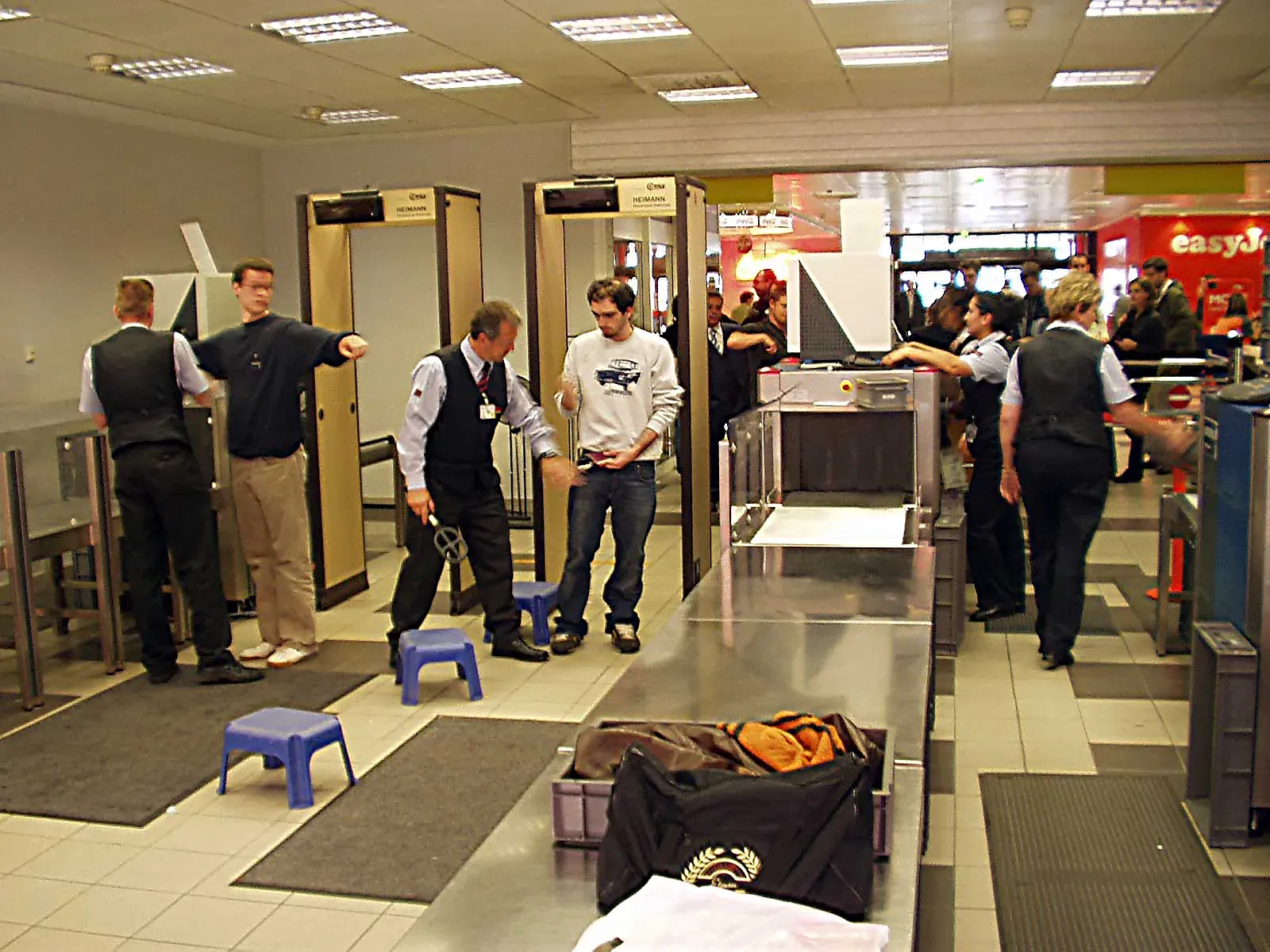
What the Data Says About Security Delays Today By Ralf Roletschek
According to data studied by Upgraded Points, security delays occur at roughly 2 per 1,000 flights nationwide. That may sound rare, but the impact when it happens is significant. These slowdowns typically last 40 to 50 minutes and, while uncommon nationally, tend to cluster at just a handful of airports. When clothing-related issues add individual screening time on top of already strained checkpoints, the ripple effect through a queue can be considerable.
Travelers are already facing long airport lines this spring break season, as security screeners work without pay while the Department of Homeland Security is shut down. Security wait times have reached three hours at some major airports, making individual slowdowns at checkpoints more disruptive than ever. In an environment this pressured, wearing clothing that invites an extra pat-down or forces a gate conversation isn’t just inconvenient for you – it visibly affects the hundreds of people standing in line behind you. Choosing your airport outfit wisely is, at this point, a form of basic travel courtesy.





Leave a Reply