
A city’s food reputation used to travel mostly by word of mouth. These days it’s also tracked in annual guides, and the 2026 editions have been busy. Some of the places that made news this year are famous dining capitals, while others are newer to the conversation.
The six cities below were chosen because recent, checkable results back up the buzz. They range from a global heavyweight in Asia to a handful of American cities where the restaurant scene is changing quickly.
Tokyo, Japan
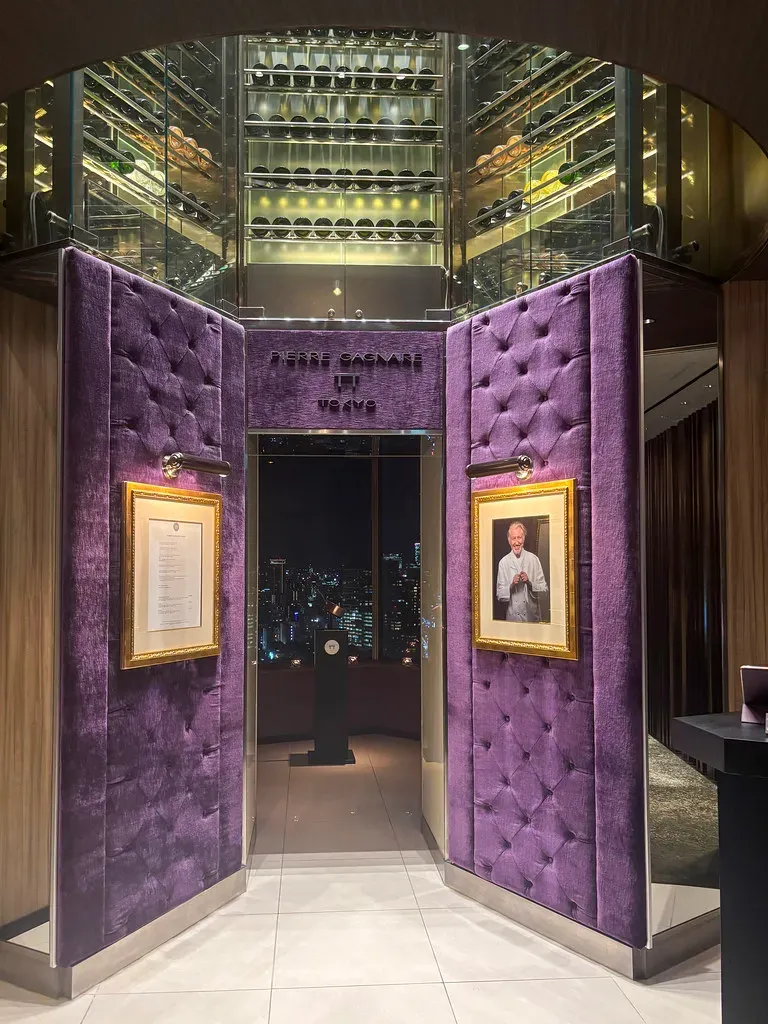
Tokyo is hard to leave out of any list like this. The Michelin Guide says the city has the highest number of Michelin starred restaurants in the world. The 2026 edition lists 526 restaurants in total, including twelve with three stars.
The guide also kept moving things around this year. The latest Tokyo selection added eighteen new stars and promoted Myojaku to three stars. Nishiazabu Sushi Shin, Hakuun and Ensui each moved up from one star to two. For a visitor, that means the scene keeps shifting, so a return trip rarely feels like a repeat.
New Orleans, Louisiana
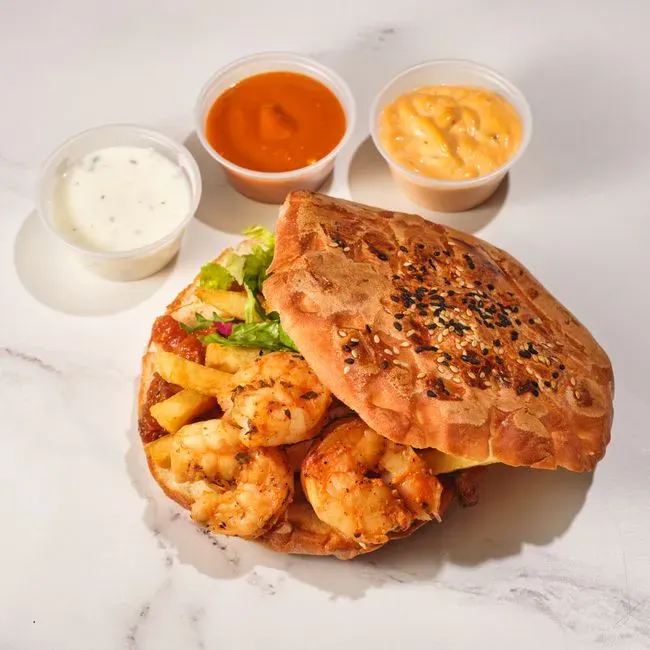
New Orleans has always had a strong food identity, and this year’s guide gave it fresh momentum. Dakar NOLA earned its first Michelin star at the American South ceremony in Nashville on October 21. Chef Serigne Mbaye connects Senegalese cooking with New Orleans ingredients, using Gulf seafood, jollof rice and cassava.
The star count isn’t the whole story. Saint-Germain and Zasu both kept their stars. The newer entries include Safta’s Table, which was added as a Bib Gourmand, a category for good value cooking. So the city’s reach goes beyond white tablecloths.
Austin, Texas
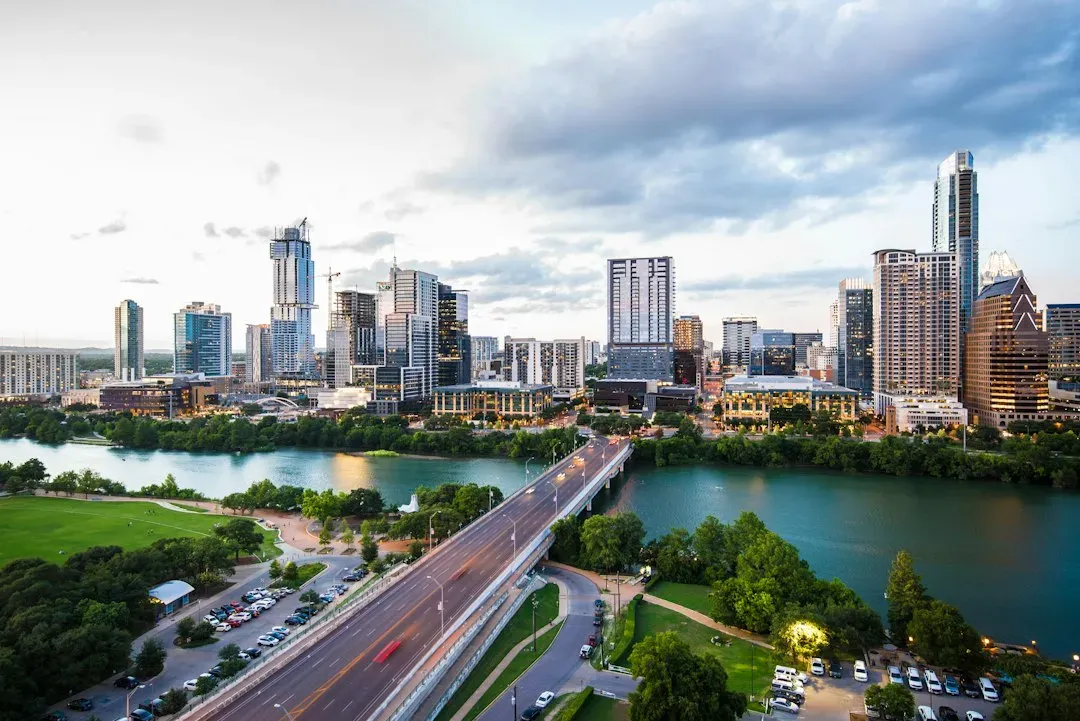
Austin is part of a Texas dining story that has grown fast. The 2026 Michelin Guide Texas, released on October 8, awarded three new one star restaurants and brought the state’s total to nineteen starred establishments. Two of the new stars were in Austin: Fabrik was promoted to one star, and Kappo Kappo joined the selection with one star.
The guide’s range is part of the appeal. It covers 149 restaurants across thirty cuisine types, from generations deep barbecue pits to boundary pushing tasting menus. If you’re building a trip around Texas, Austin is an easy base, and Goldee’s BarBQ in Fort Worth also earned a star this year for those willing to travel further.
Los Angeles, California
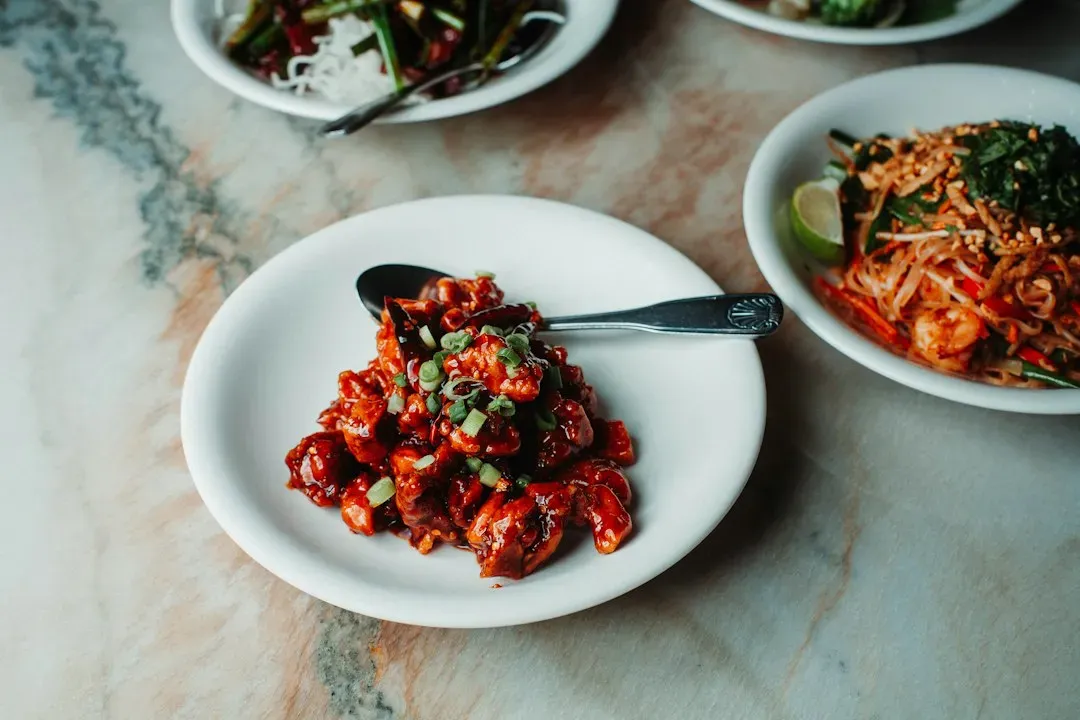
Los Angeles tends to be thought of as a place where food follows trends. The 2026 guide suggests there’s real depth beneath that. Somni and Providence each kept three stars, and the relative newcomer Corridor 109 received one.
What makes LA useful for travelers is the spread between formal and casual. One local guide to the winners points to a hip, family friendly Fairfax mainstay known for pizza, pasta and specialty soft serve, which sits alongside the tasting menu rooms. In practice, you can eat very well here without planning every meal months ahead.
Atlanta, Georgia
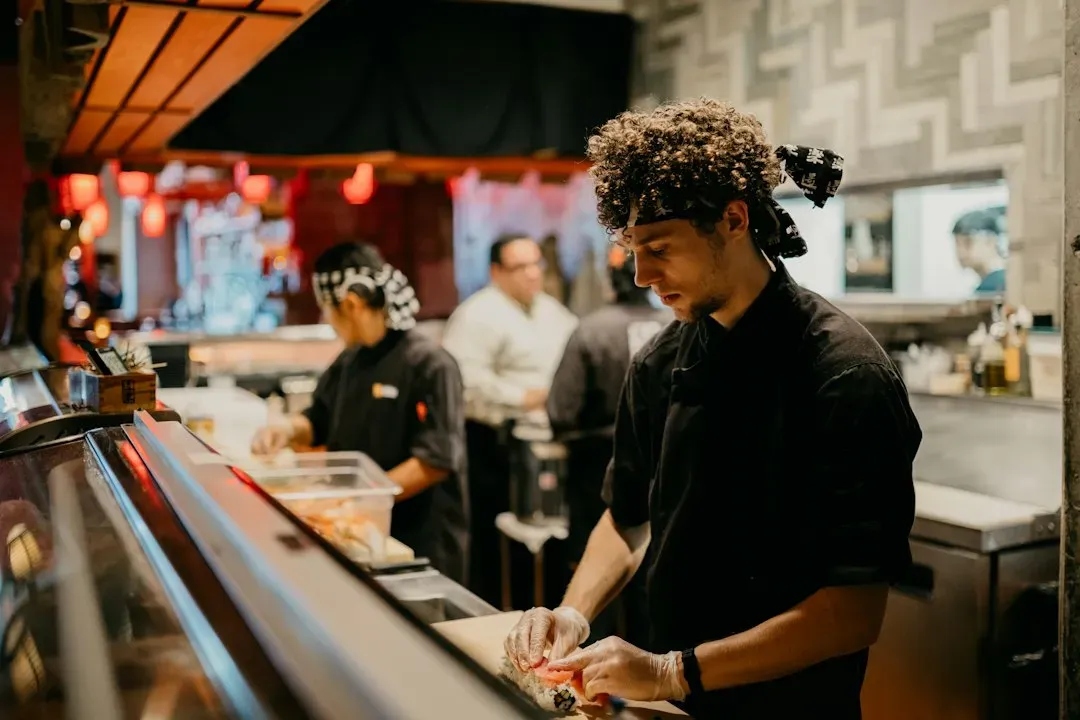
Atlanta has quietly built one of the more interesting restaurant scenes in the South. This year the metro area’s star count rose from eight to nine. The new addition, So. Fox, pairs chef Myles Moody with sommelier Rachael Pack in Virginia-Highland.
Established names held their ground too. Atlas, Bacchanalia, Hayakawa, Lazy Betty, Mujō, O by Brush and Omakase Table all kept their stars. The mix of Southern cooking, Japanese counters and wine focused rooms makes the city feel broader than its reputation.
Charleston, South Carolina
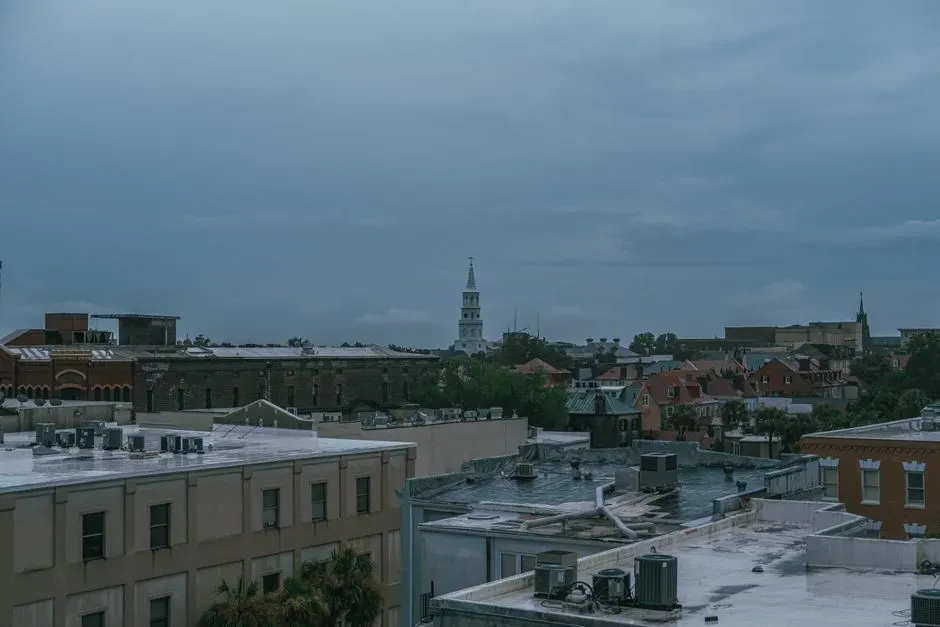
Charleston is smaller than the other cities here, which is part of its charm. It held all three of its stars, at Malagón, Vern’s and Wild Common, and added two Bib Gourmands, Palmira and Rivayat. That steadiness says something about a dining scene that isn’t chasing novelty.
It’s also an easy city to eat in on foot. With starred restaurants and value focused picks both on the list, you can plan one splurge dinner and fill the other meals with more relaxed options. Few places this size offer that balance.

Leave a Reply