
Courtship in the early and mid 1960s followed a script most people understood without being told. Who called whom, who paid, and who met whose parents first were rarely open for debate.
That script has been rewritten almost entirely. Looking back at six of its familiar habits shows how much everyday romance has shifted in just a few generations.
Calling Ahead on the Family Phone
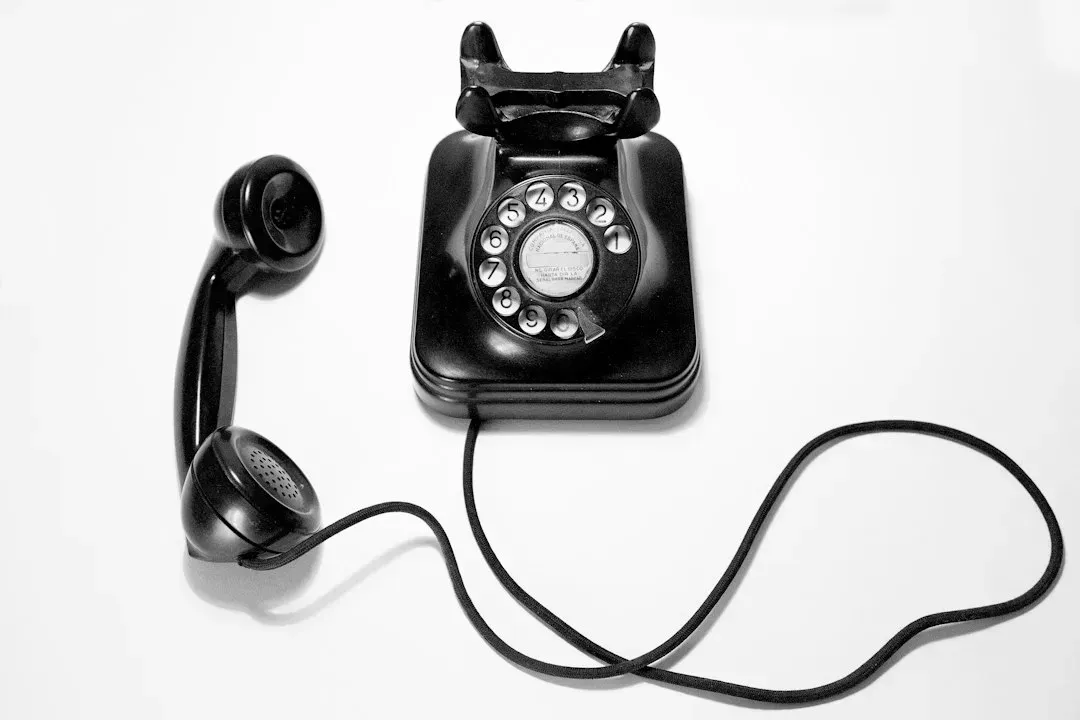
A date usually began with a phone call to a household landline. Whoever picked up might be a parent, a sibling, or a nosy aunt, so the caller often had to make small talk before reaching the person they wanted. Privacy was limited, and the cord only stretched so far.
Today the first move is often a text or a message on an app. Surveys by Pew Research Center have found that a large share of adults who use dating platforms see them as a normal way to meet people, which would have sounded strange in 1963. The family gatekeeper has been replaced by a screen.
The Man Always Asks and Always Pays

In the 1960s, the expectation was that a man would do the asking and cover the bill. Women rarely initiated, and splitting a check could be read as a sign of disinterest or poor manners. Etiquette columns of the era treated this as settled.
Norms have loosened considerably. Many couples now split costs, take turns, or decide case by case, and women commonly make the first approach. Some people still prefer the older pattern, yet it is now a choice rather than a rule.
Meeting the Parents Early and Formally

A suitor was often expected to come to the door, be introduced to the parents, and sometimes face a bit of questioning before the couple left. Parents had real influence over whether a relationship was allowed to continue. Curfews were also set by the household, not negotiated by the couple.
Now many people date for months before a parent meets their partner, and some never do the doorstep routine at all. Adults often live on their own or meet up at the venue directly. Parental approval still matters to many, but it no longer works as a formal checkpoint.
Going Steady and Exchanging Tokens
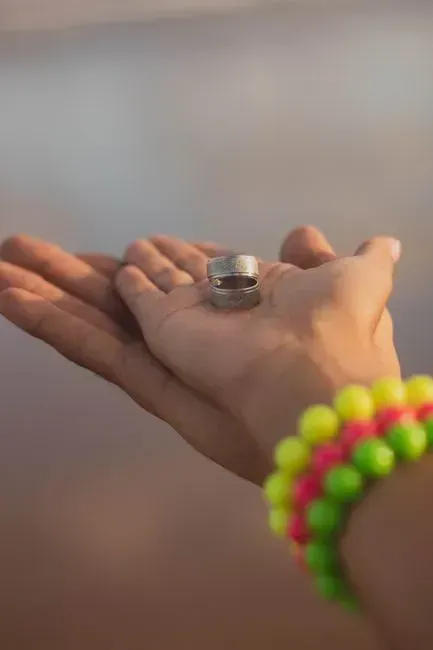
Going steady was a recognized stage in American teen culture. Couples marked it by swapping class rings, letterman jackets, or ID bracelets, which told everyone at school the pair was off the market. Ending it meant handing the items back.
These visible signals have mostly faded. Today a relationship status change on social media or a casual conversation about being exclusive tends to do the same job. The tangible keepsake has given way to something more digital and less ceremonial.
Dating With a Clear Path to Marriage
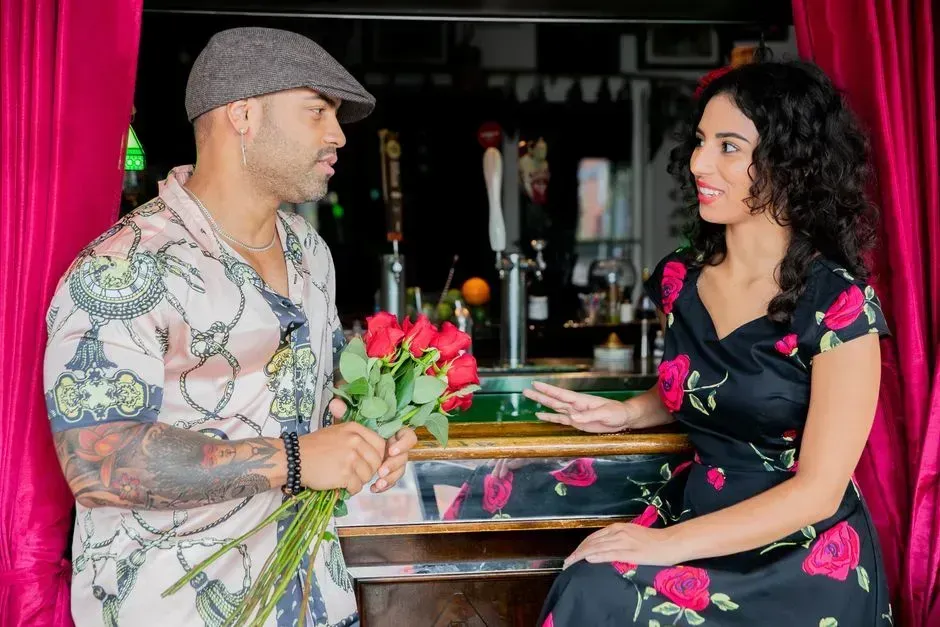
For many couples in the 1960s, dating was understood as a step toward marriage, and marrying young was normal. U.S. Census Bureau data shows the median age at first marriage was about twenty three for men and roughly twenty for women around 1960. That timeline shaped how seriously people approached courtship.
The picture looks very different now. Census figures show the median age at first marriage has climbed to the high twenties for women and about thirty for men in recent years. Many people date for companionship, exploration, or long term partnership without treating marriage as the automatic goal.
Chaperoned Outings and Double Dates by Default

Early dates often took place in supervised or semi public settings, such as soda fountains, drive in theaters, school dances, or church socials. Double dating was common, partly for fun and partly because it offered a built in layer of propriety. Being alone with a date for long stretches could raise eyebrows.
Modern dating is far less supervised. Many first meetings happen one on one, arranged online, with friends sometimes tracking a location for safety instead of tagging along. The group outing still exists, though it is now a social preference, not a social requirement.





Leave a Reply