
1. The manual toolbox passed down from a father or grandfather
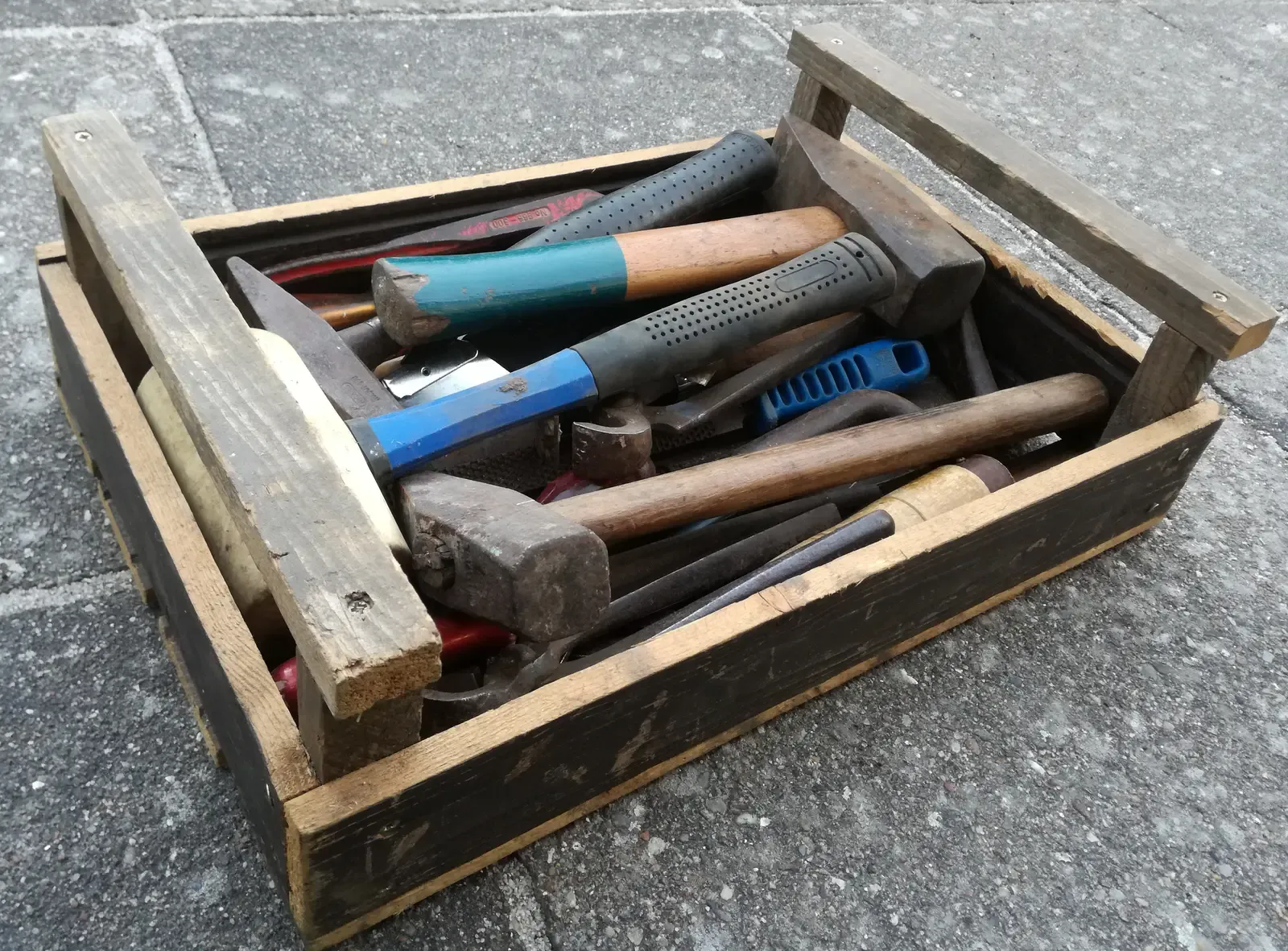
Long before cordless drills and lithium batteries, there was the heavy steel toolbox with a latch that clicked just right. Many boomers inherited these from their own fathers, filled with wrenches, hand planes, and screwdrivers with wooden handles worn smooth from decades of use. These boxes often carry more sentimental weight than monetary value, since replacing them with modern plastic organizers never feels like a fair trade.
Hardware historians note that mid-century toolboxes were often built by companies like Craftsman and Stanley, brands still recognized today for durability. Even when the tools inside are rarely used, the box itself often stays mounted on a shelf or workbench corner. It’s less about function at this point and more about a tactile connection to family history.
2. A vintage bicycle, often a Schwinn, hanging from the rafters
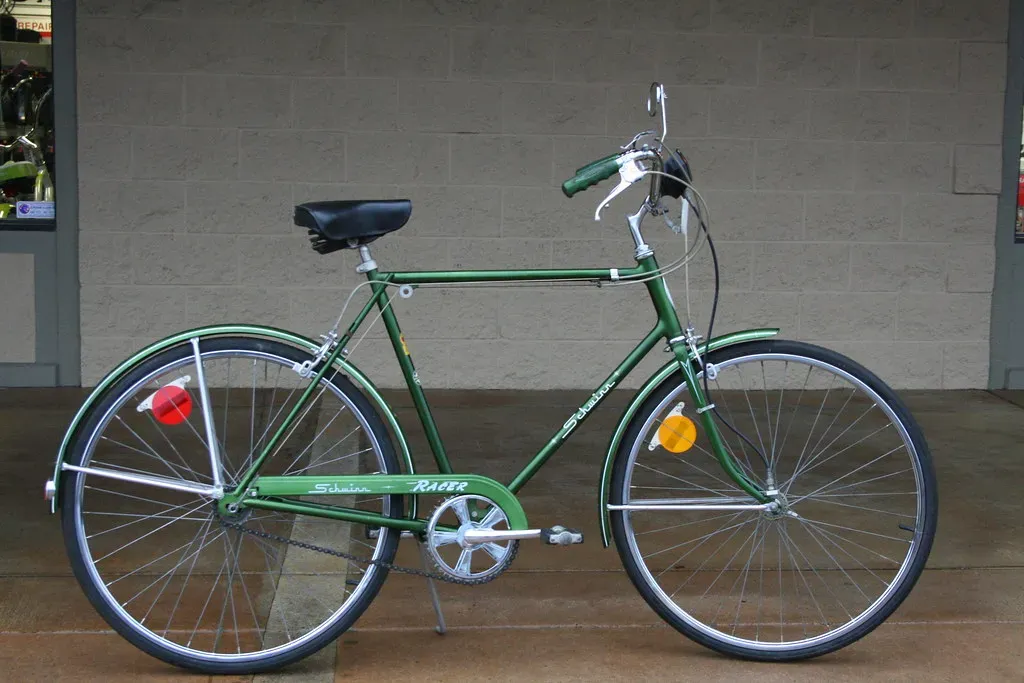
The Schwinn Sting-Ray and similar cruiser bikes were massive cultural markers in the 1960s and 1970s, and many boomers still keep one hanging from a garage ceiling hook decades later. These bikes represented freedom for a generation that grew up riding to school, to friends’ houses, and to the corner store without much parental worry. Even with flat tires and rusted chains, the bike rarely gets thrown out.
Collectors today confirm that original Schwinn models from that era can still fetch meaningful resale value, especially in untouched condition. But for most boomers, the appeal isn’t about selling. It’s the muscle memory of gripping those handlebars decades ago, something that a garage sale price tag could never really replace.
3. Camping equipment from family road trip decades

Coleman lanterns, canvas tents, and metal coolers were staples of boomer family vacations, particularly during the height of American road trip culture in the 1960s and 70s. National parks saw a massive surge in visitors during that era, and many families built lasting memories around campfires and cheap motels along the way. That gear often finds a permanent home in the garage long after the trips have stopped.
Even though modern camping equipment is lighter and more efficient, the old Coleman stove with rust spots still gets pulled out occasionally. It’s less reliable than newer versions, but it works, and more importantly, it still smells the same when it’s lit. That small detail alone is often reason enough to keep it around.
4. Vinyl records and the turntable that plays them
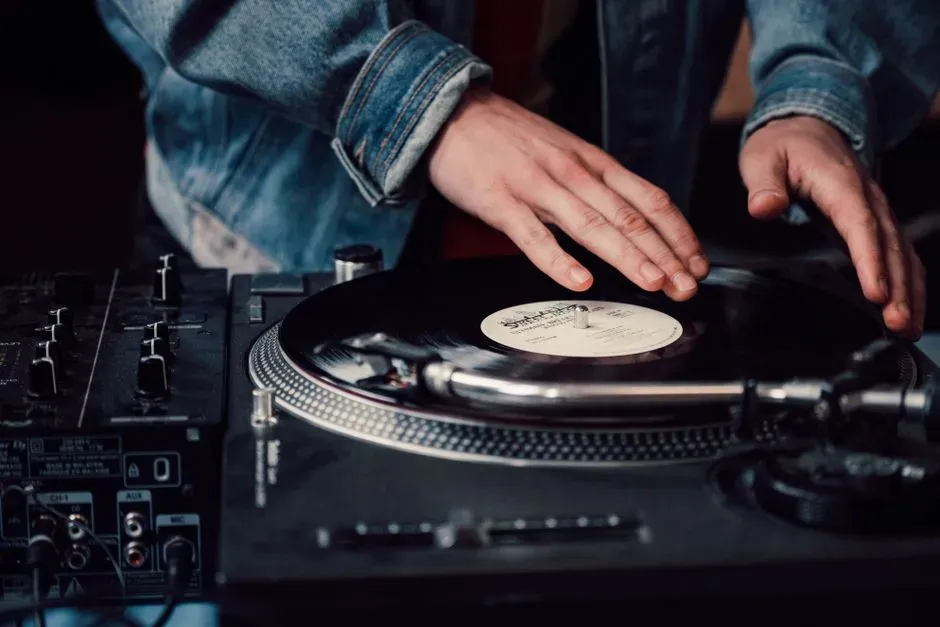
While streaming dominates how most people listen to music today, plenty of boomers still keep a box or two of vinyl records tucked away in the garage, alongside an old turntable that hasn’t been plugged in for years. According to the RIAA, vinyl sales have actually grown substantially since 2020, with boomers being part of a broader nostalgic resurgence that spans generations. These records often include albums bought during high school or early adulthood, tied to specific memories rather than musical preference alone.
Some boomers have moved their collections indoors as vinyl has become trendy again, but many still keep a portion in the garage, especially records considered duplicates or less essential. The turntable itself, often a Technics or a similar brand from the 1970s, sometimes still works if given the chance. It’s a piece of technology that has outlived several music formats that came after it.
5. An old lawn mower or garden tool that refuses to die
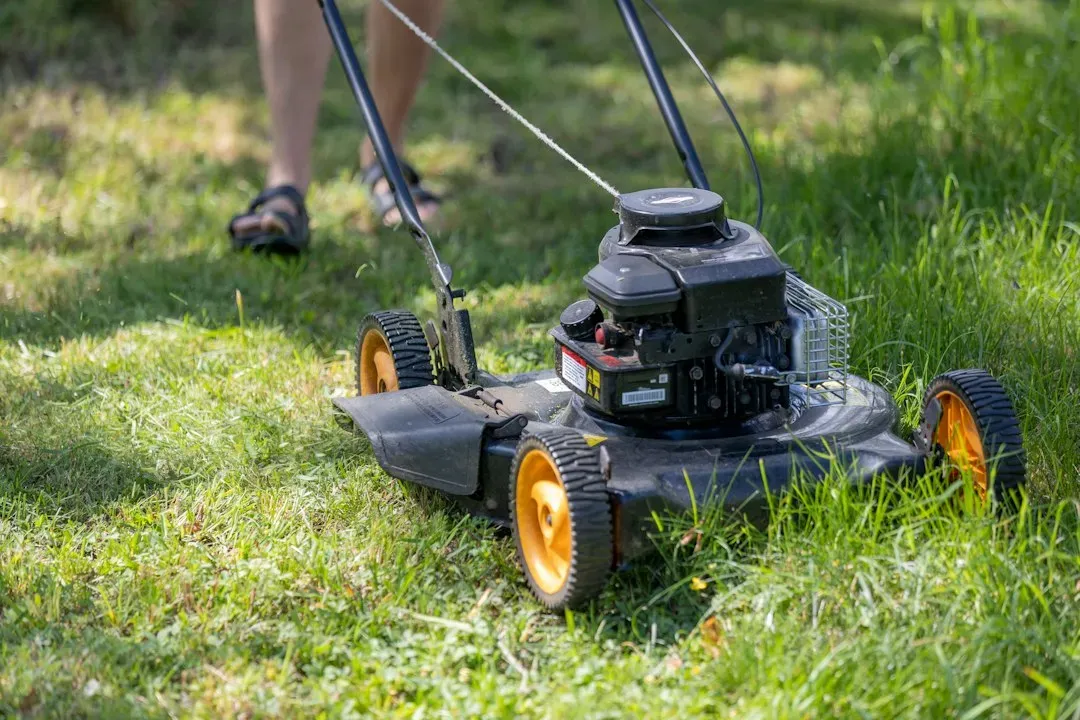
There’s a certain stubbornness in keeping a lawn mower from the 1980s running long after newer, more efficient models exist. Boomers often express pride in maintaining and repairing these machines themselves, a skill that was more commonly taught and practiced in their generation. The mower becomes less about cutting grass efficiently and more about proving that something built decades ago can still outlast newer alternatives.
Small engine repair shops report that demand for parts for older mower models remains steady, partly driven by owners who prefer fixing over replacing. This mindset reflects a broader boomer attitude toward durability and self-reliance. The garage becomes the place where that philosophy gets tested and reaffirmed every spring.
6. Holiday decorations boxed up since the last big family gathering

Every garage seems to have at least one corner dedicated to boxes labeled “Christmas” or “Halloween,” some of which haven’t been opened in several years. For many boomers, these decorations represent an era when their children were still young and holidays meant full houses rather than quiet visits or video calls. Letting go of these boxes can feel like letting go of a specific chapter of family life that’s harder to define than simple clutter.
Many of these decorations, from ceramic Santa figurines to strings of large old-fashioned lights, are no longer manufactured in the same style. That scarcity adds a layer of sentimental and sometimes even collectible value. Even if they never make it out of the box during the holidays anymore, they stay in the garage, waiting for a reason to be unpacked again.
These six categories show up again and again in garages across the country, less because of clutter and more because of the memories layered underneath each object. What looks like unused stuff to one generation is often, to another, a quiet archive of everything that mattered along the way.



Leave a Reply