
Ask people what Ohio is known for and you’ll hear about football, presidents and maybe a few theme park roller coasters. Food rarely comes up. Yet the state has a handful of dishes that its residents defend with real loyalty.
Most of these foods grew out of immigrant kitchens, church suppers and neighborhood restaurants. Some have drifted across the border in small ways, but they still belong mostly to Ohio. Here are six that you’ll usually have to visit the state to find.
Goetta

Goetta is a breakfast meat made from ground pork, steel cut oats and spices. It’s formed into a loaf, chilled, sliced and fried until the edges crisp. German immigrants brought the idea to the Cincinnati area, where oats stretched a small amount of meat further.
Grocery stores in the Cincinnati region sell it in tubes, and Glier’s is a well known local producer. Northern Kentucky, just across the river, shares the tradition, so goetta is really a tri state specialty. Outside that corner of the Midwest, most people have never seen it on a menu.
Sauerkraut Balls
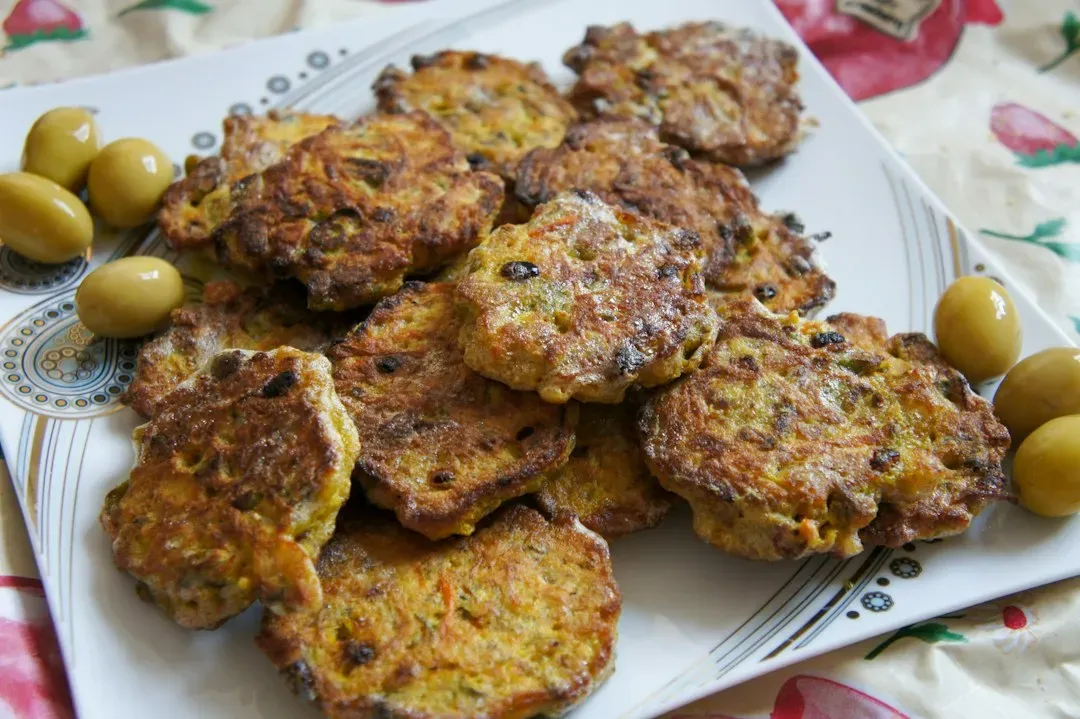
Sauerkraut balls are bite sized fritters filled with sauerkraut and ground meat, usually pork or sausage. They’re breaded, fried and served with a dipping sauce at parties and bars. Ohio’s German heritage explains the ingredients, and many Ohioans treat them as a standard appetizer.
The village of Waynesville hosts an annual Sauerkraut Festival each fall, which keeps the food in the public eye. At that event the fried version is a regular feature. Few restaurants outside the Midwest bother with it.
Polish Boy
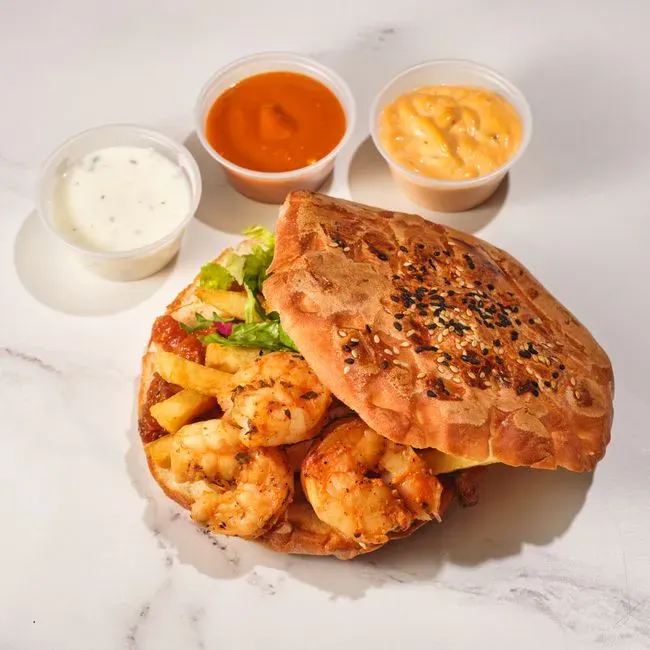
A Polish Boy is a Cleveland sandwich that piles a grilled kielbasa on a bun with french fries, coleslaw and barbecue sauce. It’s messy, filling and built to be eaten with a stack of napkins. The sandwich grew out of the city’s barbecue and sausage traditions.
Cleveland rib joints and local fans have kept it alive for decades. You can find imitations here and there, though the sandwich is still tied closely to its home city. Ordering one in another state usually earns a puzzled look.
Buckeye Candy
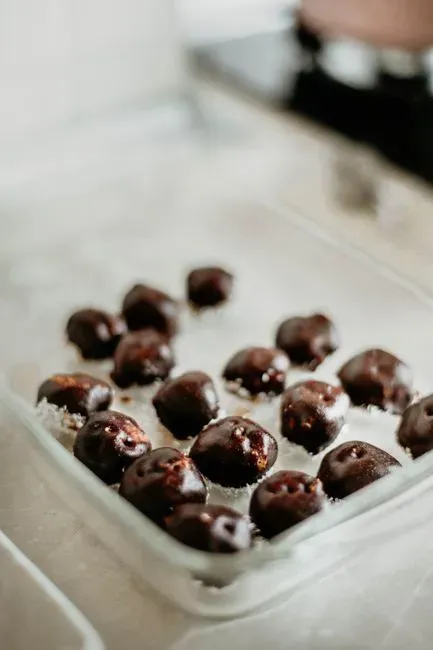
Buckeye candy is a ball of peanut butter fudge dipped in chocolate, with a small circle left uncovered on top. That spot makes it look like the nut of the buckeye tree, which is Ohio’s state tree and the symbol behind Ohio State athletics. Home cooks make them in huge batches around the holidays.
Plenty of people outside Ohio have eaten a chocolate and peanut butter treat, but the buckeye name and shape are strongly local. It’s a candy tied as much to identity as to flavor. Football season in Columbus makes that connection obvious.
Cincinnati Chili
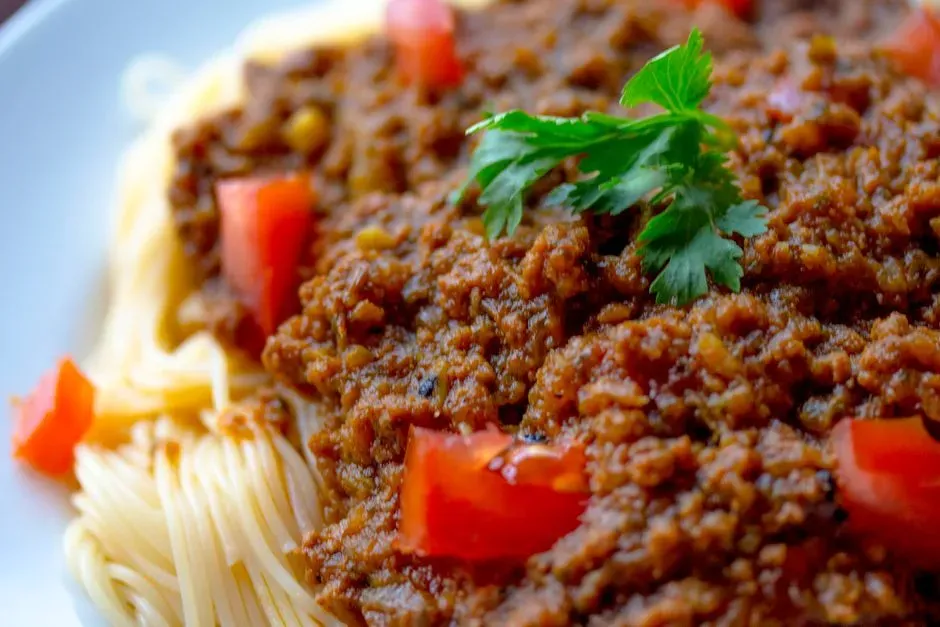
Cincinnati chili is a thin, spiced meat sauce served over spaghetti, not a bowl of beans and chunks. Macedonian immigrant brothers Tom and John Kiradjieff are credited with starting the style at their Empress restaurant in the 1920s. Orders are described by ways, so a three way adds shredded cheddar, and larger versions add onions or beans.
Chains such as Skyline and Gold Star have spread the dish around the region, and a few locations exist in nearby states. Even so, it remains far more at home in southwest Ohio than anywhere else. Many visitors from other places are surprised by the cinnamon and cocoa notes in the sauce.
Shaker Lemon Pie
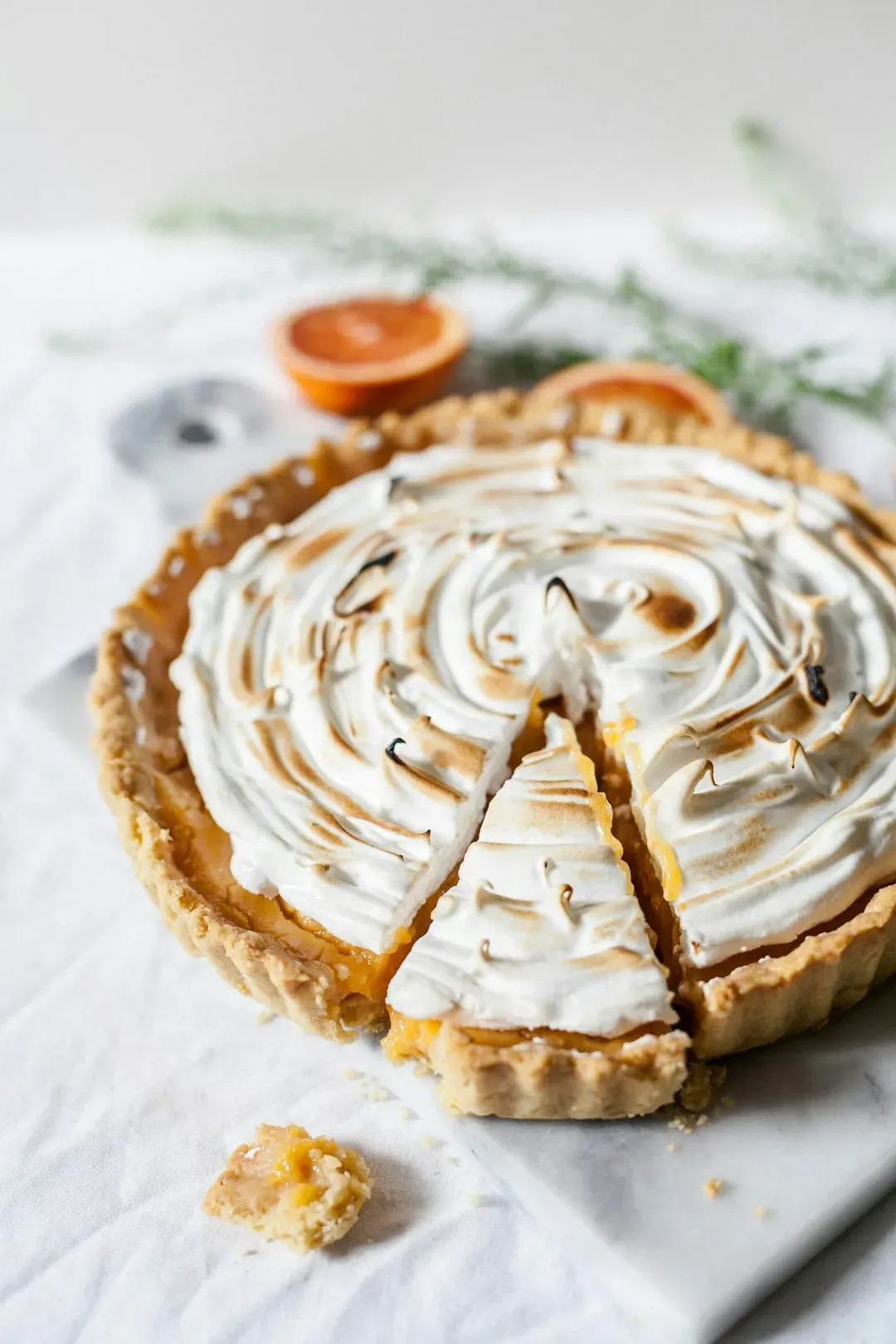
Shaker lemon pie uses whole lemons, peel included, sliced paper thin and soaked in sugar before baking. The result is tart, sweet and a little bitter all at once. The recipe is linked to the Shaker communities of Ohio, including the settlement at Union Village near Lebanon.
The Shakers valued thrift, so using the entire fruit made sense to them. The pie also appears in other places connected to Shaker history, but it’s still a strong Ohio tradition. Many bakers outside the state have never tried a version made this way.

Leave a Reply