• Skip to primary navigation
  • Skip to main content
  • Skip to primary sidebar
  • Recipes
  • Busy Bee Free Printables
  • Travel
  • Magazine

Our WabiSabi Life

menu icon
go to homepage
  • Recipes
  • Crafts and Printables
  • Travel
  • Magazine
  • About
    • Featured On
    • Meet the Team
    • Facebook
    • Instagram
    • Pinterest
    • TikTok
    • Twitter
    • YouTube
  • subscribe
    search icon
    Homepage link
    • Recipes
    • Crafts and Printables
    • Travel
    • Magazine
    • About
      • Featured On
      • Meet the Team
    • Facebook
    • Instagram
    • Pinterest
    • TikTok
    • Twitter
    • YouTube
  • ×
    Home » Magazine

    6 Storage Bins Organizers Say You Should Never Buy for Small Spaces

    By Debi Leave a Comment

    This post may contain affiliate links. I receive a small commission at no cost to you when you make a purchase using my link. As an Amazon Associate, I earn from qualifying purchases. This site also accepts sponsored content

    Professional organizers spend their days inside closets, pantries, and cramped apartment corners, so they tend to notice patterns most of us miss. One recurring theme in their work is that certain popular storage bins actually make small spaces feel more chaotic, not less. The wrong container can waste precious inches, hide clutter instead of solving it, or simply fall apart under regular use. Below are six types of bins that organizers frequently steer clients away from when square footage is tight. Each one has a specific flaw that becomes obvious only after you have tried to live with it for a while.

    1. Oversized clear plastic totes
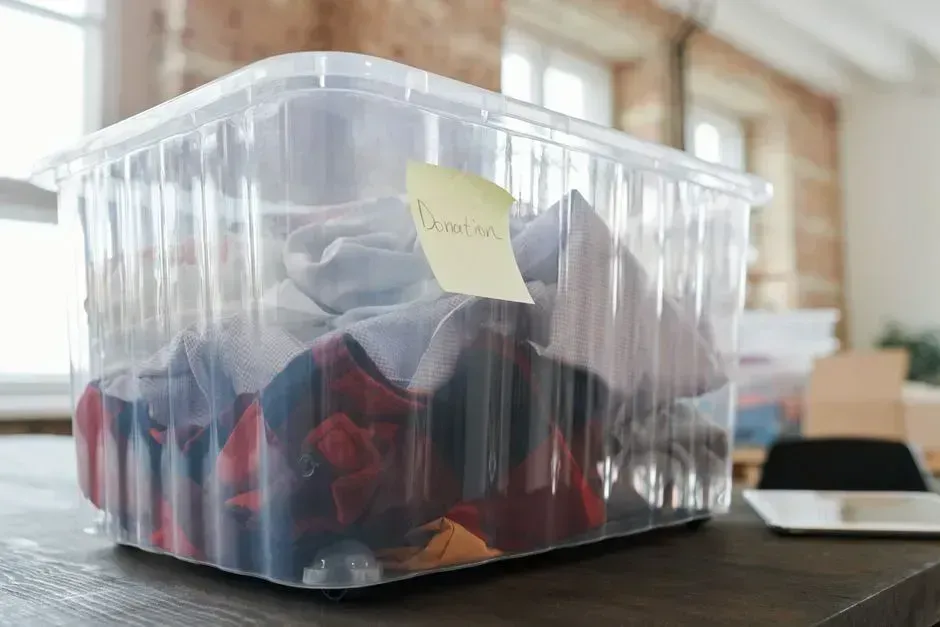
    1. Oversized clear plastic totes (Image Credits: Pexels)
    1. Oversized clear plastic totes (Image Credits: Pexels)

    Large clear totes, often sold in bulk at warehouse stores, seem practical because you can see what is inside. In a small space, though, their sheer bulk becomes the problem rather than the solution. A 27-gallon tote might swallow an entire closet shelf, leaving no room for anything else nearby.

    Organizers often point out that bigger bins encourage over-packing, which makes items at the bottom impossible to reach without unloading everything on top. In a studio apartment or a small hall closet, that kind of bin turns into a monument to inaccessible stuff rather than a functional storage tool.

    2. Deep, narrow bins with no separation
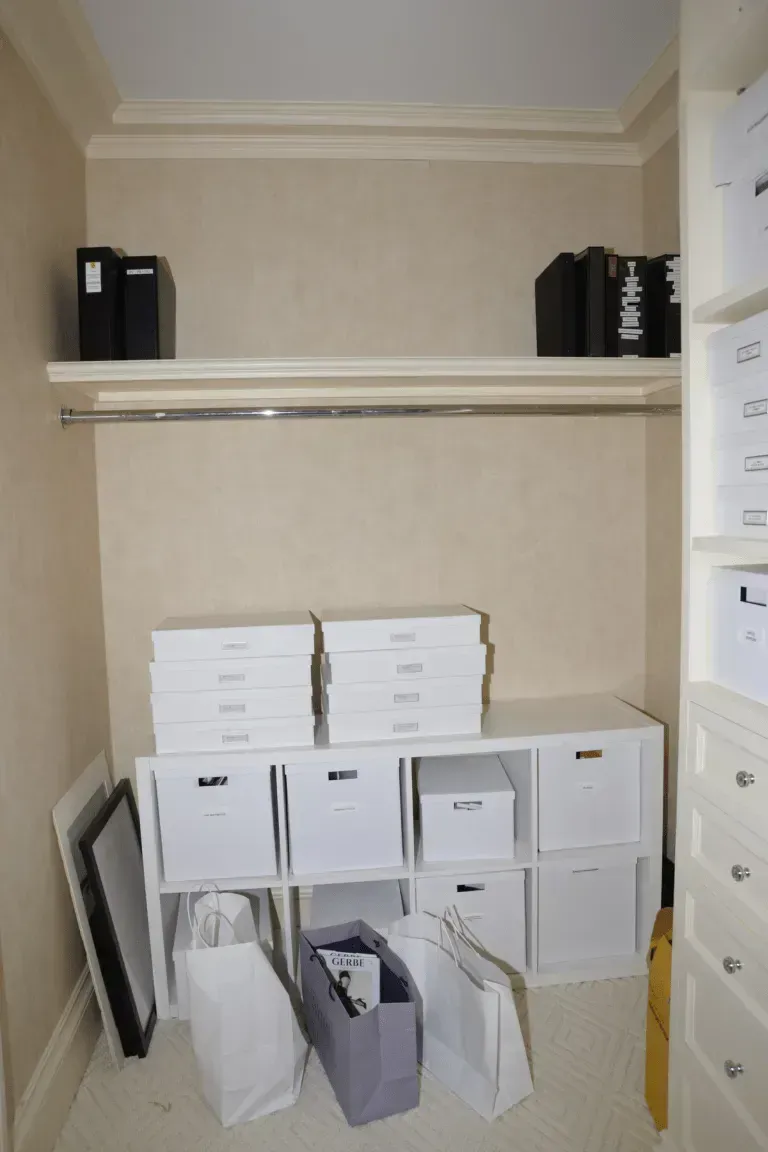
    2. Deep, narrow bins with no separation (Image Credits: By Federal Bureau of Investigation, Public domain)
    2. Deep, narrow bins with no separation (Image Credits: By Federal Bureau of Investigation, Public domain)

    Tall, skinny bins look efficient on a shelf, but without internal dividers they tend to become a black hole for small items. Socks, chargers, or craft supplies sink to the bottom, and anything on top gets fished out while the rest stays buried indefinitely. This is especially frustrating in a small space where every bin needs to earn its spot by being genuinely usable.

    The lack of visibility also means people forget what they own, which leads to duplicate purchases and more clutter overall. Bins with built-in compartments or shallow drawers tend to serve small spaces far better, since they force a kind of forced organization that deep bins simply do not provide.

    3. Fabric bins without rigid structure
    3. Fabric bins without rigid structure (Image Credits: Unsplash)
    3. Fabric bins without rigid structure (Image Credits: Unsplash)

    Soft-sided fabric bins are popular for their lightweight look and lower price point, but many collapse in on themselves once they are partially emptied. In a small closet or under a bed, a slouchy bin wastes vertical space because it can no longer hold its shape once you remove even a few items. That instability also makes stacking unsafe, which matters a lot when floor and shelf space is already scarce.

    Organizers tend to favor bins with either a rigid plastic insert or a sturdy wire frame precisely because they hold their form under partial loads. A bin that keeps its shape allows for predictable stacking, which is often the only way to make small closets function at all.

    4. Bins without lids in high-traffic areas
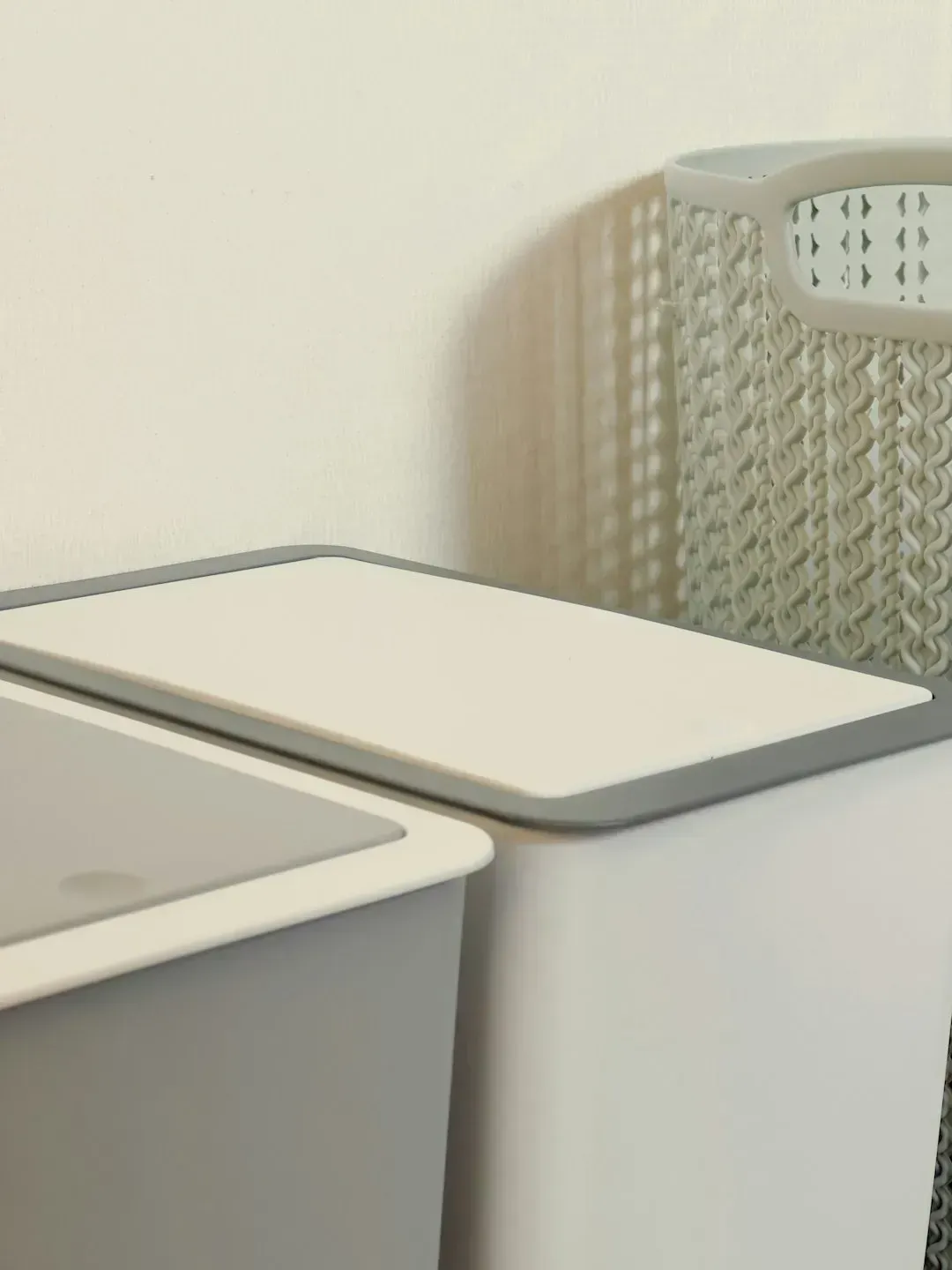
    4. Bins without lids in high-traffic areas (Image Credits: Unsplash)
    4. Bins without lids in high-traffic areas (Image Credits: Unsplash)

    Open-top bins are easy to toss things into, but in a small living room, entryway, or bathroom, they quickly become a visual mess. Without a lid, dust settles on the contents and the bin’s interior is always on display, even when it is not tidy. In compact spaces where storage often doubles as visible furniture, that lack of concealment undermines the entire purpose of organizing in the first place.

    A lidded bin, by contrast, keeps contents both protected and hidden, which matters more in small rooms where storage pieces cannot be tucked away out of sight. This is one reason organizers frequently recommend covered bins for entryways and shared living areas rather than open baskets, despite the latter being trendier in home decor content.

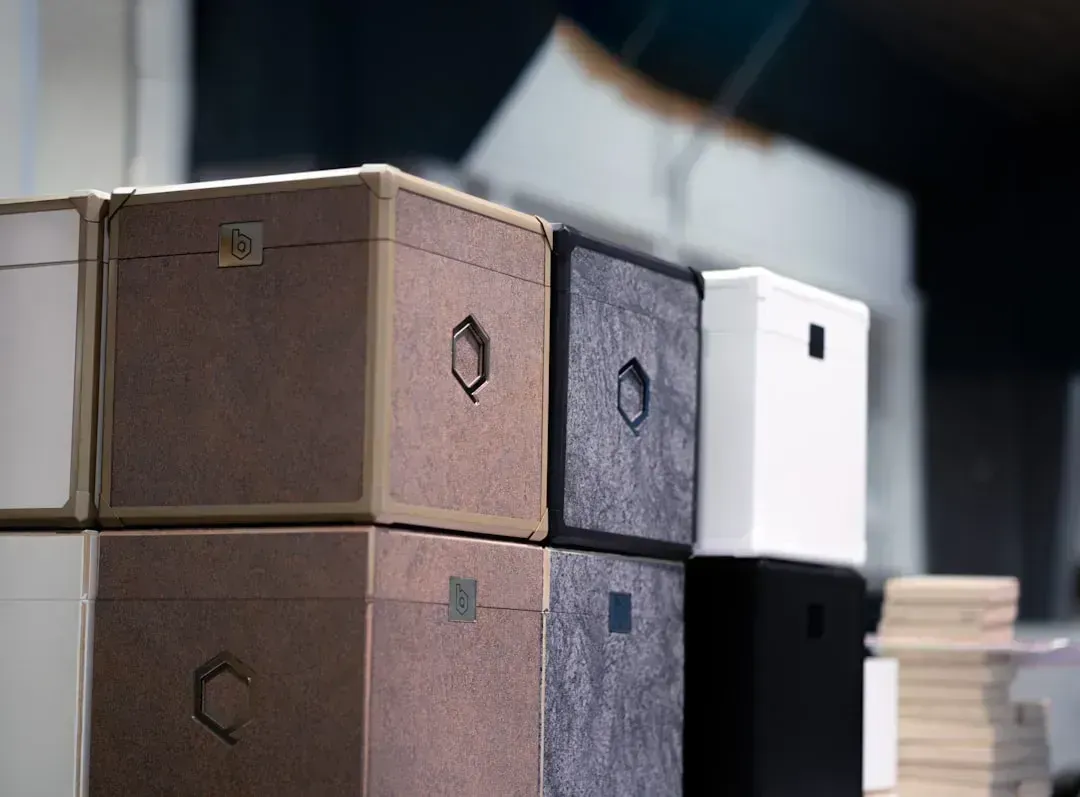
    5. Uniquely shaped or trendy novelty bins
    5. Uniquely shaped or trendy novelty bins (Image Credits: Gallery Image)
    5. Uniquely shaped or trendy novelty bins (Image Credits: Gallery Image)

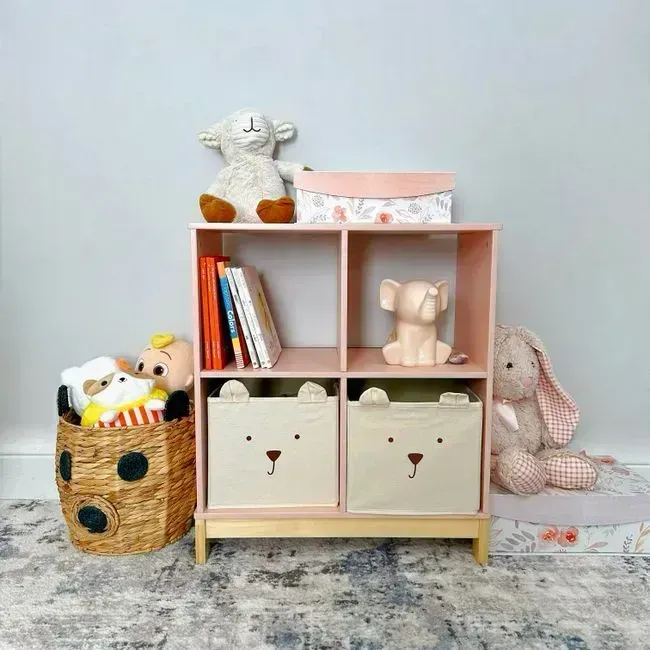
    Bins shaped like barrels, hexagons, or other decorative forms often photograph well for social media, but they rarely stack or nest efficiently with anything else. In a small space, mismatched shapes create dead air pockets on shelves and in closets, wasting exactly the kind of space that cannot be spared. Once the trend fades, these bins also tend to look out of place next to more standard rectangular storage.

    Organizers generally advise sticking to simple, uniform shapes precisely because they can be mixed, stacked, and rearranged as needs change over time. A collection of oddly shaped bins might look charming individually, but together they behave more like a puzzle with missing pieces than a cohesive storage system.

    6. Extra-large multi-pack sets bought without measuring
    6. Extra-large multi-pack sets bought without measuring (Image Credits: Pexels)
    6. Extra-large multi-pack sets bought without measuring (Image Credits: Pexels)

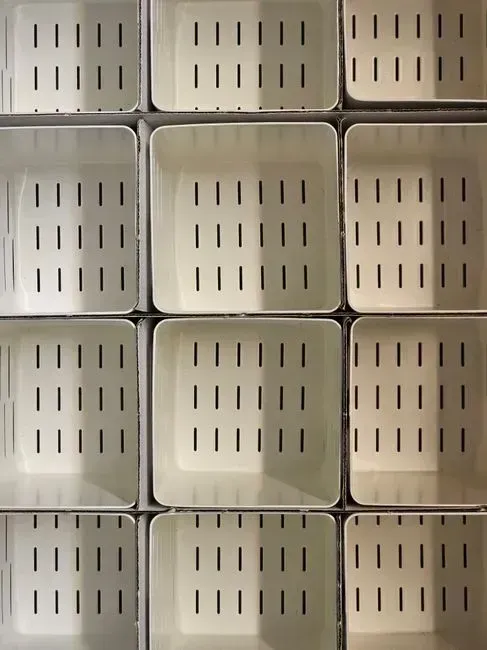
    Bulk sets of bins, often sold in packs of six or more at a fixed size, are tempting because of the per-unit savings. The catch is that a size that works for one shelf rarely works for every space in a small home, and buying without measuring first often means most of the set goes unused or gets returned. Organizers frequently see closets, pantries, and cabinets in small homes where two or three bin sizes would have covered every need far better than one large uniform set.

    Measuring shelves, drawers, and closet depth before buying is a basic but often skipped step, and it matters more in small spaces where there is no margin for error. A mixed collection of two or three carefully chosen sizes tends to outperform a single oversized multi-pack every time, simply because it actually fits the space it needs to serve.

    Choosing the right bins for a small space comes down to matching container to context rather than chasing trends or bulk discounts. A bin that works beautifully in a spacious garage or basement can become a liability in a studio apartment or a single hall closet. Paying attention to size, shape, lid design, and internal structure before buying tends to save both money and frustration down the line.


    More Magazine

    • I've Been a Dog Groomer for 11 Years – These 7 Habits Make Grooming Easier on Your Dog
      I’ve Been a Dog Groomer for 11 Years – These 7 Habits Make Grooming Easier on Your Dog
    • Pet Insurance Explained: What It Typically Covers and What It Doesn't
      Pet Insurance Explained: What It Typically Covers and What It Doesn’t
    • Traveling With a Cat: 8 Tips From Owners Who've Made Cross-Country Moves
      Traveling With a Cat: 8 Tips From Owners Who’ve Made Cross-Country Moves
    • Starting a Hobby in Your 60s: 7 Options With Low Startup Costs
      Starting a Hobby in Your 60s: 7 Options With Low Startup Costs

    Reader Interactions

    Leave a Reply Cancel reply

    Your email address will not be published. Required fields are marked *

    Recipe Rating


    Primary Sidebar

    Hi, I'm Debi!

    Welcome to my world. I am a 40 something year old mom to a lot of kids and a lot of pets. When I am not busy with the kids, grandkids, or animals, I love to do crafts and read.

    I love to knit and can often be found working on a project.

    More about me →

    We are a participant in the Amazon Services LLC Associates Program, an affiliate advertising program designed to provide a means for us to earn fees by linking to Amazon.com and affiliated sites.

    Popular

    • easy funnel cake
      Easy Funnel Cake Recipe Without Milk
    • Best Old Fashioned Chocolate Buttercream Frosting Recipe
    • Halloween Oreos dipped in colorful candy melts and decorated with candy eyes and festive Halloween sprinkles.
      Halloween Oreo Cookies for a Colorful No-Bake Treat
    • Free Build A Crab Craft Printable

    As seen in

    Footer

    ↑ back to top

    About

    • Privacy Policy
    • Accessibility Policy

    Newsletter

    • Sign Up! for emails and updates

    Contact

    • Contact
    • Media Kit

    AS AN AMAZON ASSOCIATE, I EARN FROM QUALIFYING PURCHASES.

    Our WabiSabi Life is licensed under a Creative Commons Attribution-NonCommercial-ShareAlike 3.0 Unported License.

    Buy fashion girls boots from DHgate.com

    EHS Online Middle School for grades 6-12

    Copyright © 2026 ·Our Wabi Sabi Life· ALL RIGHTS RESERVED

    We use cookies to ensure that we give you the best experience on our website. If you continue to use this site we will assume that you are happy with it.