
Family trips haven’t gone out of style. If anything, the numbers point the other way. The Family Travel Association’s 2025 survey found that 92% of parents reported plans to travel with their kids in the next year, which is the highest level of intent since the pandemic.
Still, wanting to travel together and wanting to travel the old way aren’t the same thing. As kids grow into adults with their own jobs, partners and budgets, some long-running habits are getting quietly dropped. The list below draws on recent travel research where it exists and flags where it’s simply an observation.
Sharing One House Under One Roof

The big rental where everyone sleeps down the hall from each other has long been a family staple. Plenty of adult children now prefer separate space. NerdWallet’s guide to multigenerational trips quotes a veteran reunion planner who recommends that each family unit books its own lodging and transportation.
The logic is practical. Different sleep schedules, different dietary habits and different ideas about quiet hours add up fast. Nearby but separate lodging, such as a resort with several room types, lets people share the day and still get a door to close at night.
The Single Parent Run Itinerary
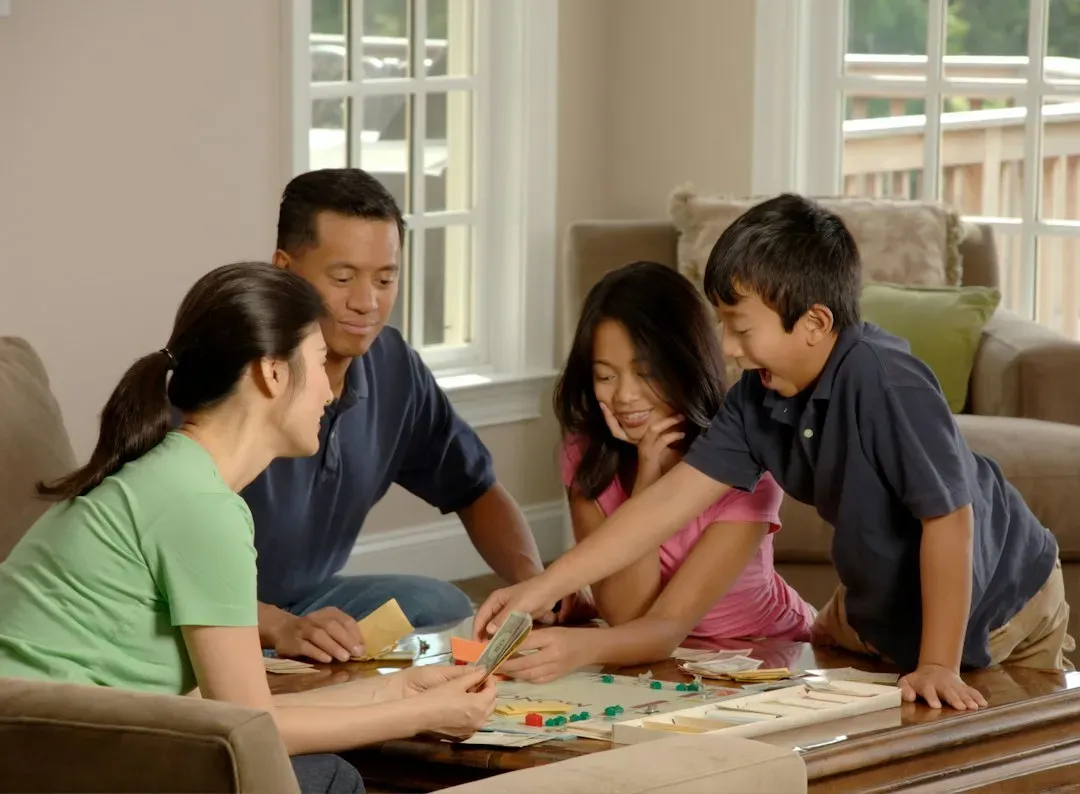
For decades, one adult planned the whole trip and everyone else followed. That model is fading. The 2025 U.S. Family Travel Survey describes a trend it calls kidfluence, and it reports that adults are no longer the sole decision makers when it comes to planning family vacations.
That finding covers children aged 7 to 18, so it’s an early signal rather than proof about grown kids. Even so, adult children tend to expect the same seat at the table. A shared planning thread usually replaces the old surprise schedule handed out at the airport.
Returning to the Same Place Every Year

The same lake house or beach town each summer built a lot of memories. It can also feel like a loop that nobody remembers choosing. Beach vacations still top the list for multigenerational travel, according to the NYU summary of the 2025 survey, so the old standby hasn’t vanished.
What is changing is who decides. A luxury travel operator told Forbes that adult children are in some ways driving how itineraries are created, and many of them want somewhere new. A rotating destination, sometimes picked by whoever hasn’t chosen yet, is a common compromise.
Attending the Full Week or Nothing

The unspoken rule used to be that everyone shows up for every day. Work calendars make that harder now. Forbes noted that some adult children can’t find time away from their jobs or prefer to travel with friends or partners.
So shorter overlaps are becoming normal. One sibling flies in for a long weekend, another stays the whole stretch, and the trip still counts. It asks for flexibility from parents, though it often keeps more people coming at all.
One Person Picking Up the Whole Tab

In many families, a generous grandparent or parent covers everything. That generosity is real. The 2025 survey data summarized by Family Holiday Destinations says that 37% fully fund multi-generational trips, and that grandparents pay for most skip generation travel.
Adult children with steady incomes increasingly want to pay their own way, or at least split costs openly. Doing so avoids the quiet strings that can come with a fully funded trip. Agreeing on a budget before booking tends to head off awkward conversations at the check-in desk.
Scheduling Every Hour as a Group

The packed agenda, with every meal and excursion done together, is another habit people are relaxing. Industry reporting suggests travelers want trips that fit different energy levels. A travel adviser roundup found that all inclusive resorts and cruises rank high partly because they cater to large groups, which makes it easy for people to split up and regroup.
That freedom matters to adult children who may want a morning run, a nap or a museum while others stay at the pool. A few anchor moments, such as one shared dinner a day, usually work better than a full itinerary. It’s an observation more than a measured trend, but it matches how these trips are now sold.
Matching Outfits and Staged Group Photos

Coordinated T-shirts and the formal group portrait were once a point of pride. Many grown children now see them as a chore, especially when the shoot eats into a beach afternoon. No major survey tracks this directly, so it’s best read as an anecdotal shift rather than a statistic.
Candid photos shared in a family album have largely taken over. One quick group shot, taken once and without costumes, tends to satisfy everyone. The memory survives, and the argument over what to wear doesn’t.

Leave a Reply