
Sit down in a diner in Ohio, a supper club in Wisconsin, or a church basement in Minnesota, and you’ll notice the rules are a little different. Nobody posts them on the wall. Locals just follow them without thinking.
Visitors often don’t. Some of these habits are about food, some about timing, and some about manners that are hard to spot until you’ve missed them. Here are seven worth knowing before your next meal in the middle of the country.
Eating Dinner Early
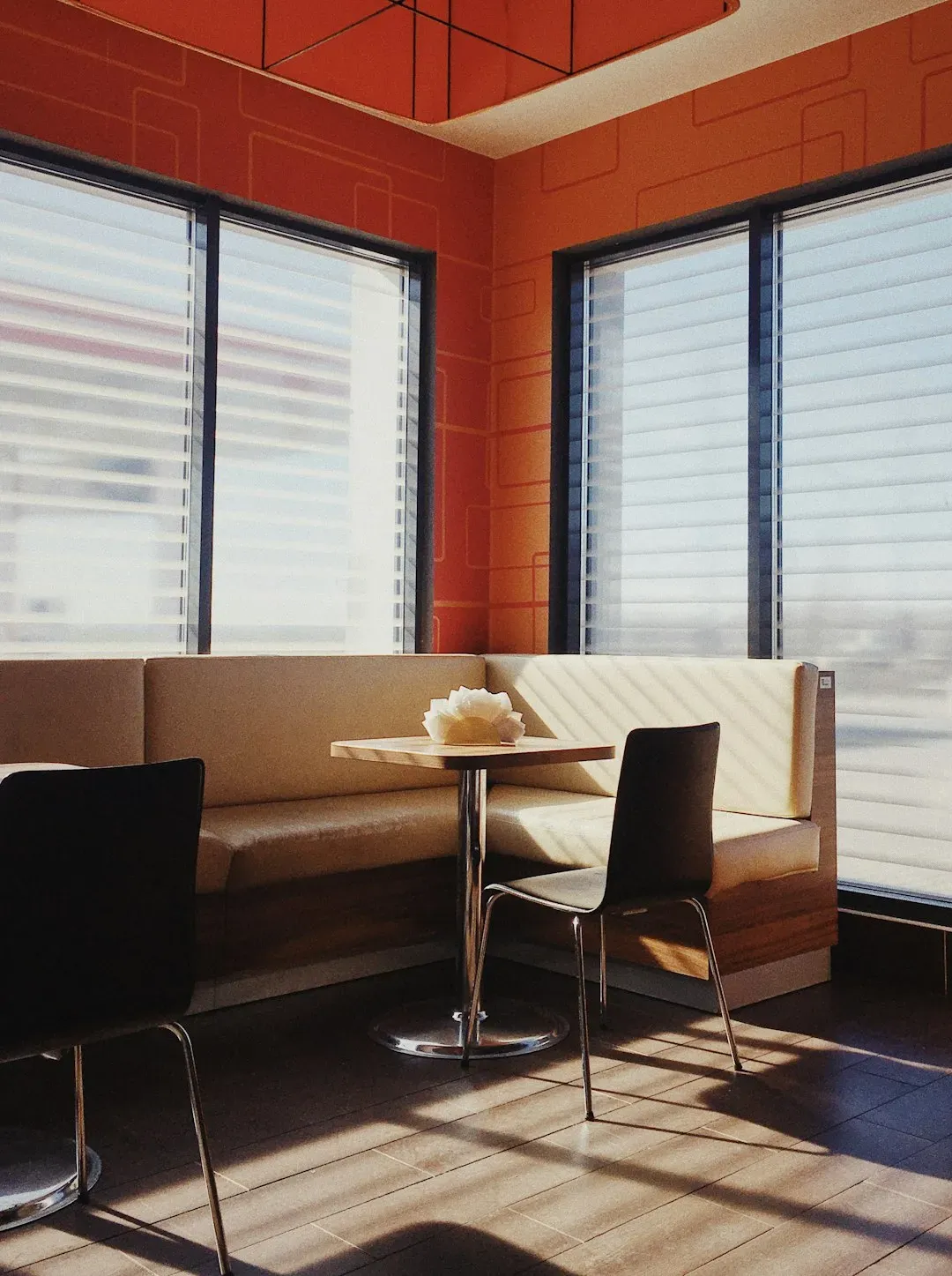
In much of the Midwest, a dinner reservation at five or five thirty is perfectly normal. Farm country history plays a part, since early mornings shaped meal schedules for generations. Many small town kitchens still wind down earlier than visitors from big coastal cities expect.
If you roll in at nine, you may find the grill already cleaned. It’s worth checking closing times before you go. Plenty of family restaurants simply don’t see late service as part of the job.
Starting With a Relish Tray at Supper Clubs
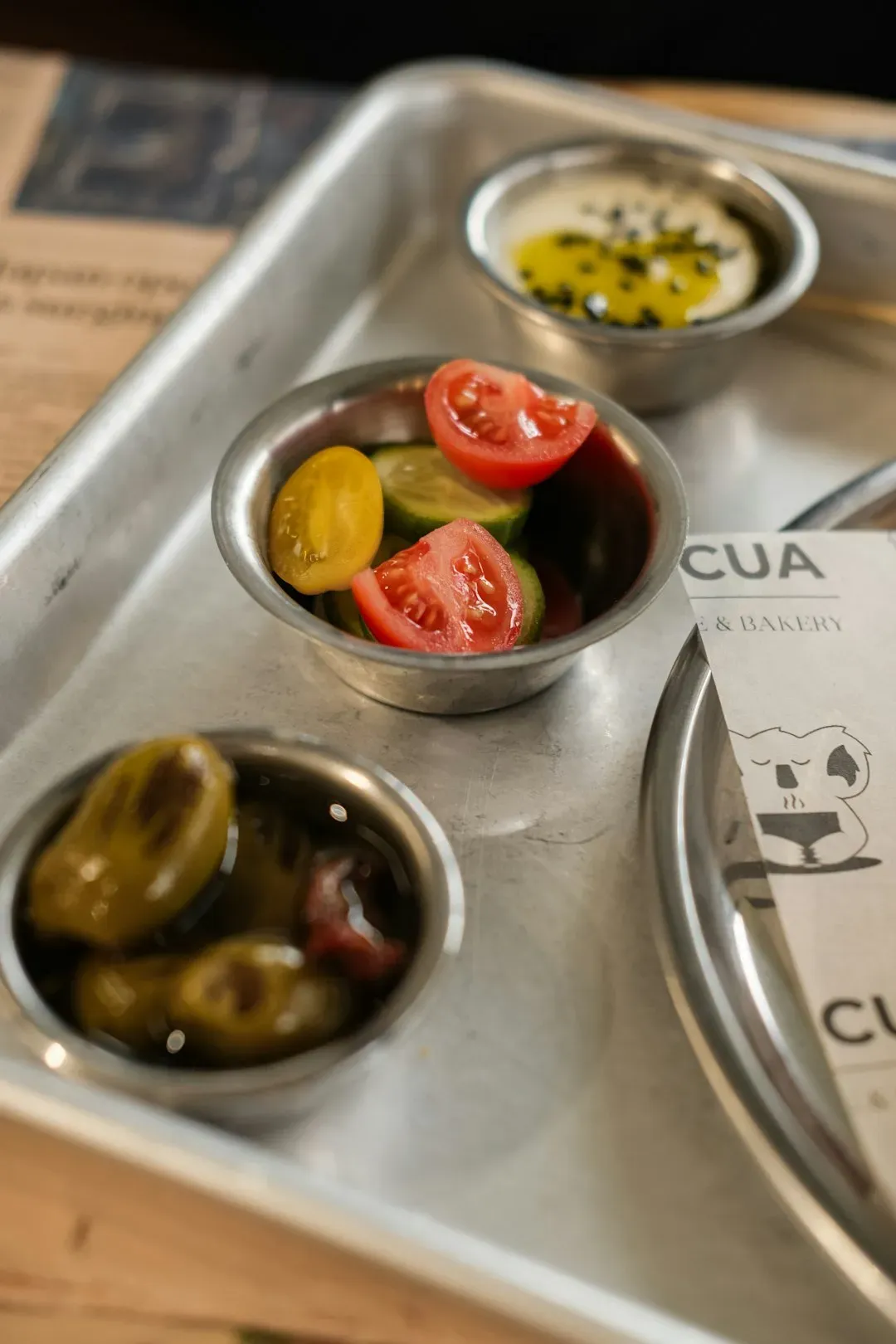
Wisconsin supper clubs have a ritual that confuses first timers. Before the entrée arrives, many places bring a relish tray with raw vegetables, pickles, spreads, and crackers. It’s a throwback to mid century dining, and it’s meant to be shared and picked at slowly.
The evening is built to be unhurried. A cocktail comes first, and the Old Fashioned made with brandy is the classic Wisconsin order. Treat the meal as an event rather than a quick refuel.
Ordering a Brandy Old Fashioned Sweet or Sour
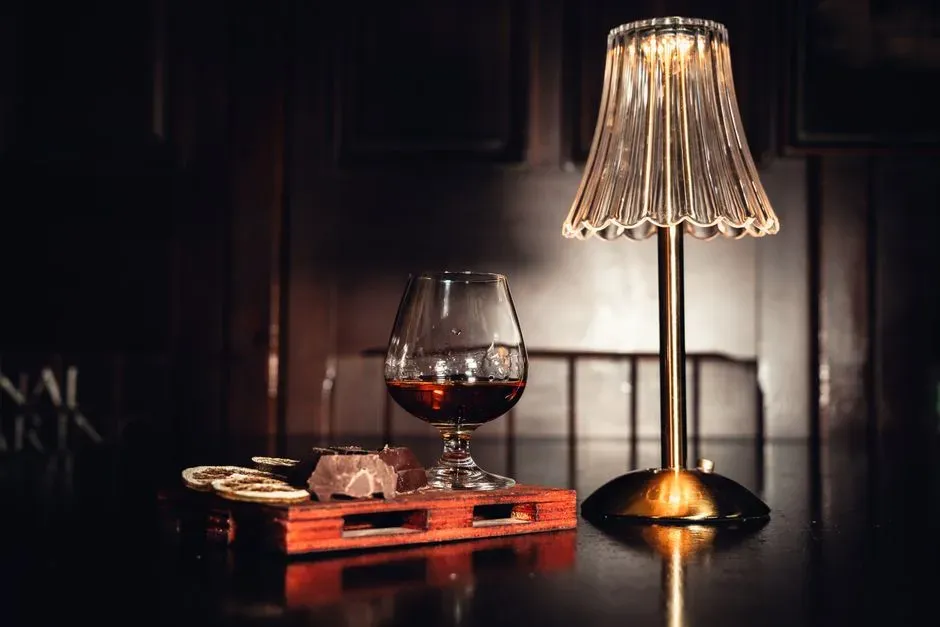
Ask for an Old Fashioned in Wisconsin and the server will likely ask whether you want it sweet or sour. That’s not a trick question. It refers to the soda added to the drink, with sweet usually meaning a lemon lime soda and sour meaning a tart one.
Brandy is the regional base spirit, not whiskey. Visitors used to the bourbon version are sometimes surprised. Saying “brandy, please” gets you the local standard.
Calling Soda Something Else
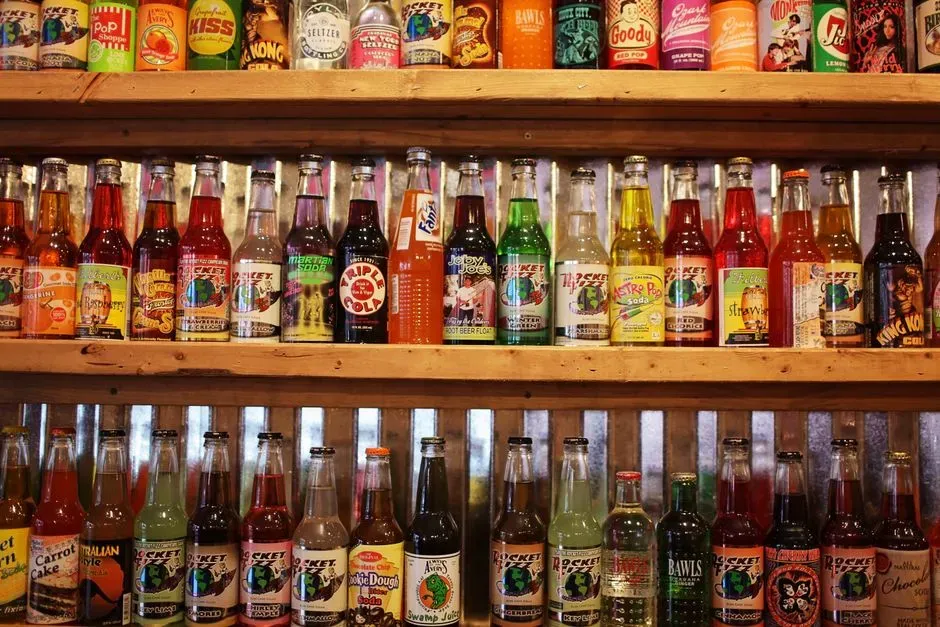
The Midwest has a long running split over what to call a fizzy drink. Some areas say soda, others say pop, and a few stray into calling everything a Coke. Research on American regional language has tracked this divide for years, with pop strongly tied to the Great Lakes and upper Plains states.
At a restaurant, the word on the menu usually settles it. If a server asks what kind of pop you’d like, they mean any soft drink. Answer with a brand and nobody will mind.
Saying Everything Is Fine

Midwestern politeness can make feedback hard to read. A server may ask how things are, and a local diner will answer that it’s fine even if the soup was lukewarm. Visitors from more direct regions sometimes take that as real satisfaction.
The flip side is that servers may read your mild comments as the whole story. If something’s wrong, say so plainly and kindly. Most staff genuinely want to fix it quickly.
Eating Hotdish and Casseroles Without Fuss
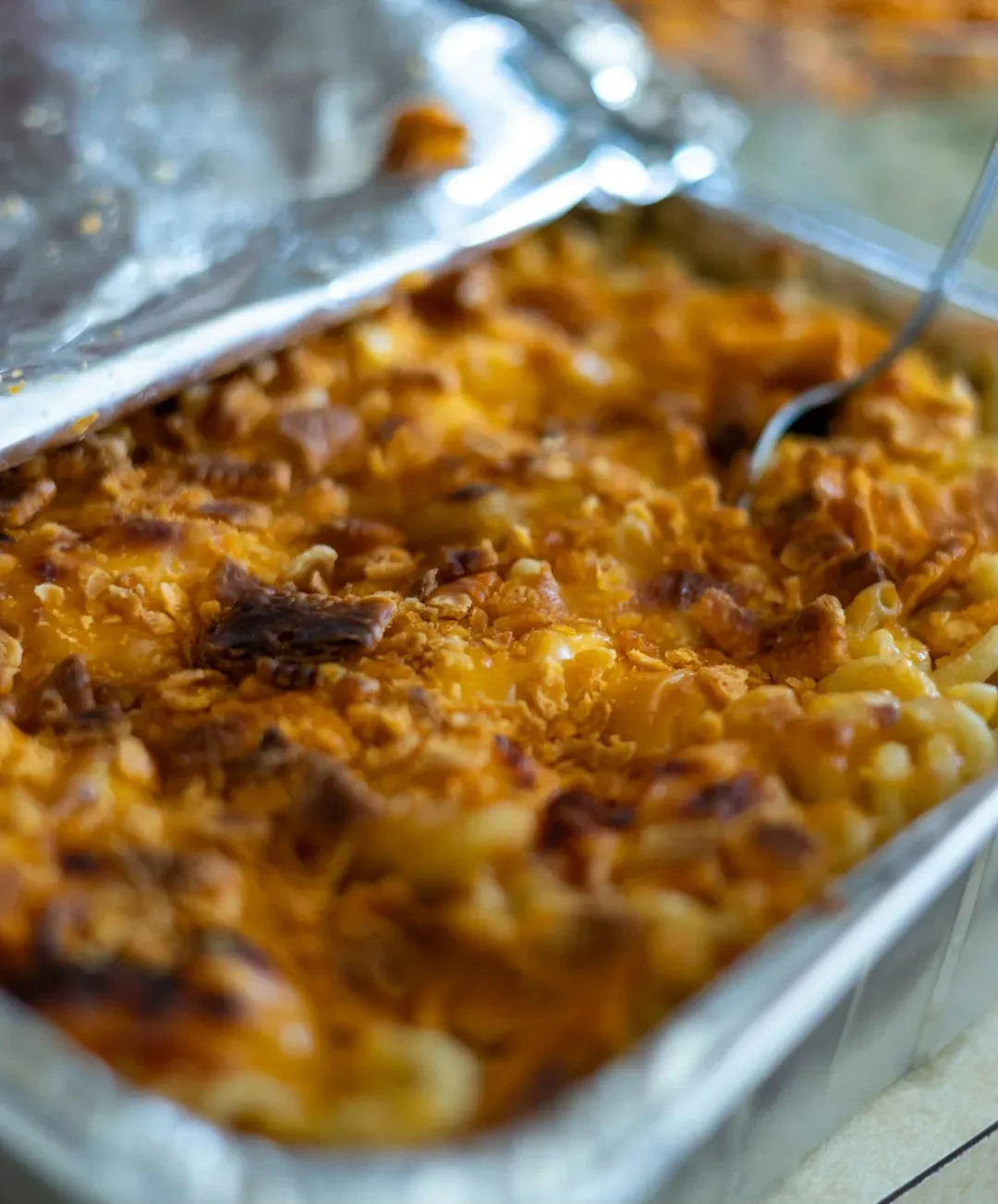
In Minnesota and neighboring states, hotdish is a baked casserole with a starch, a protein, and usually a canned soup binder. Tater tot hotdish is the best known version. It shows up at church suppers, community fundraisers, and a number of home style restaurants.
Visitors sometimes expect a fancy dish from the name. It’s simple comfort food, served hot and in generous portions. Don’t be surprised when it comes with a roll and a side of salad.
Leaving Cash Handy and Tipping Generously
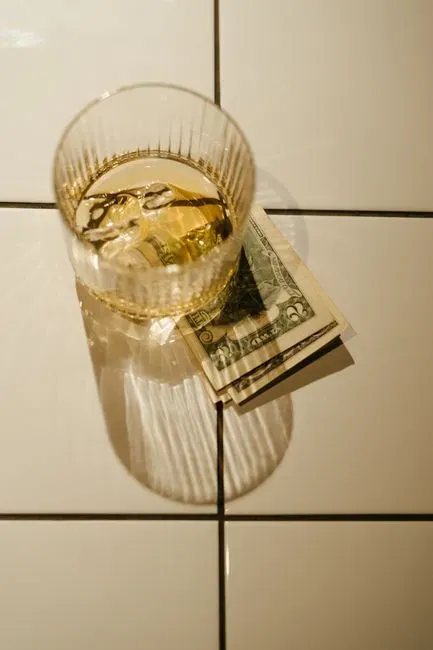
Many small Midwestern spots still favor cash, and some diners and taverns have minimum card amounts or occasional card fees. It’s smart to carry a little. Several local bars and rural cafes also keep payment setups simpler than city restaurants do.
Tipping customs follow the general American norm, with twenty percent common for table service. Still, in smaller communities, regulars are known by name and servers remember good tippers. A little extra goes a long way in a town where everyone knows everyone.



Leave a Reply