
Think back to a 1980s family trip and you probably picture a packed station wagon, a folded paper map, and a cooler wedged between the kids. Planning meant calling a travel agent or leafing through an auto club guidebook. Reservations were often made by phone, and photos waited days to be developed.
Many of the places families chose then are still drawing crowds in 2026, though they look different now. Here are seven destinations that defined the decade, along with what made them so appealing and where they stand today.
Walt Disney World, Florida
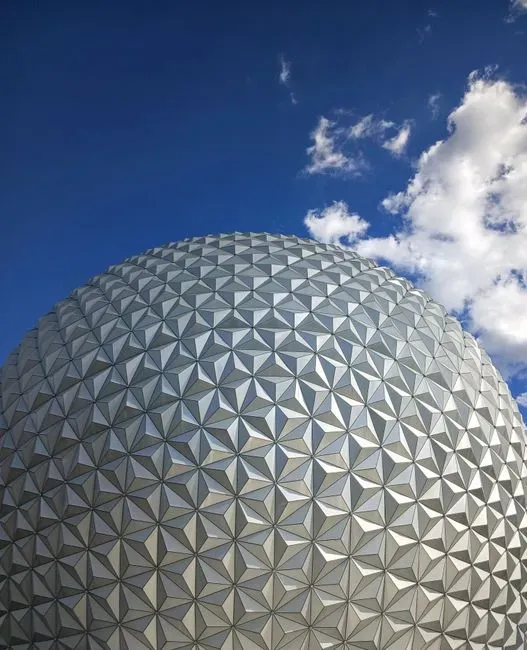
Magic Kingdom had been open since 1971, but the 1980s changed Orlando for good. Epcot opened on October 1, 1982, adding a second park built around future technology and world cultures. A third park, known today as Hollywood Studios, followed in 1989.
That growth turned a single park visit into a multi day vacation. Families began staying for a week, hopping between parks and resort hotels. Today the resort is still the centerpiece of Orlando tourism, with four theme parks and two water parks on property.
Disneyland, California
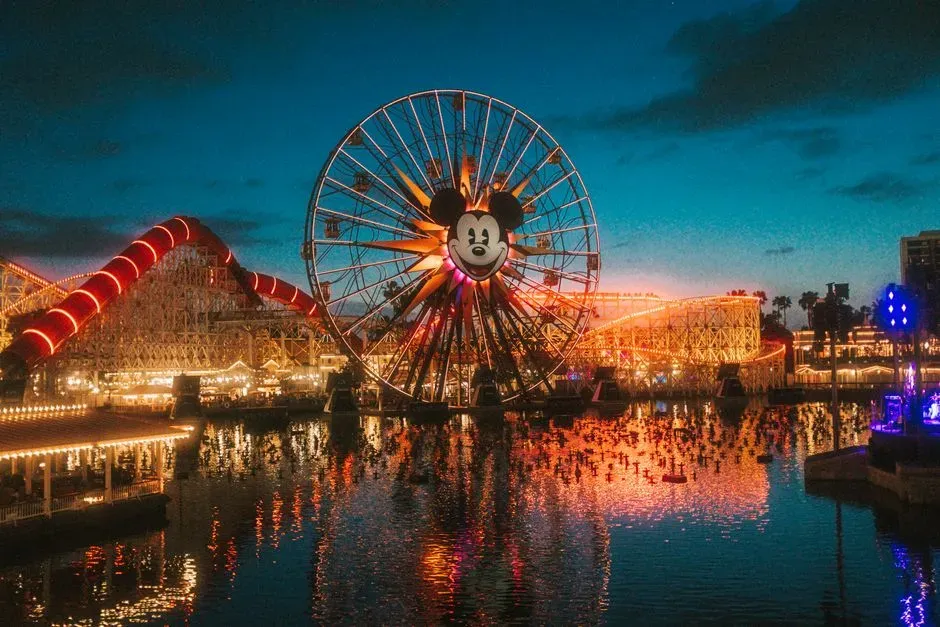
The original Disneyland spent the 1980s reinventing itself. Fantasyland was rebuilt in 1983 with a more storybook look, and Star Tours arrived in 1987 as a Star Wars flight simulator ride. Splash Mountain debuted in 1989 and became a signature attraction for the next three decades.
Southern California was a natural fit for road trips from across the West. The park sits in Anaheim, close to beaches and other attractions, so one trip could cover several stops. Splash Mountain has since been reimagined as Tiana’s Bayou Adventure, but the park still anchors the original Disney experience.
Niagara Falls, New York and Ontario
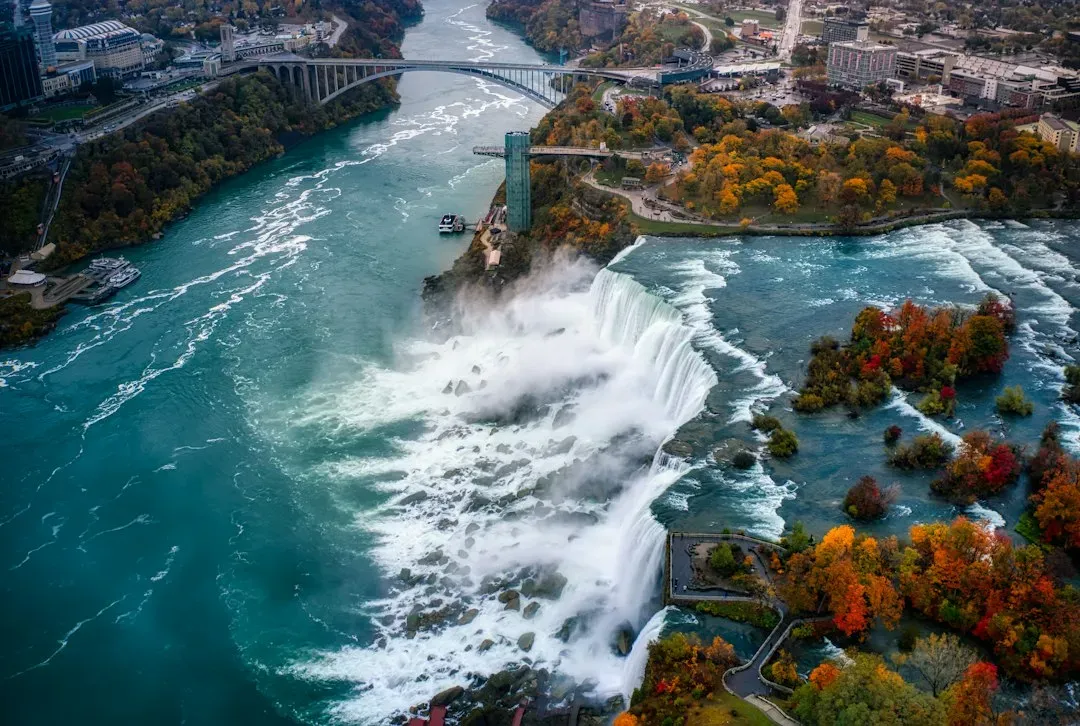
Niagara Falls was a classic for families in the northeastern United States and eastern Canada. Visitors could cross the border to compare the American and Canadian views of the falls. The Maid of the Mist boat tours, which have run since the nineteenth century, put riders right at the base of the cascade in a rain poncho.
On the Canadian side, Clifton Hill offered wax museums, arcades, and haunted houses that kids remembered long after the trip. That mix of natural spectacle and cheerful tourist kitsch is still part of the draw. The falls remain one of North America’s most visited natural attractions, shared by two countries.
The Grand Canyon, Arizona
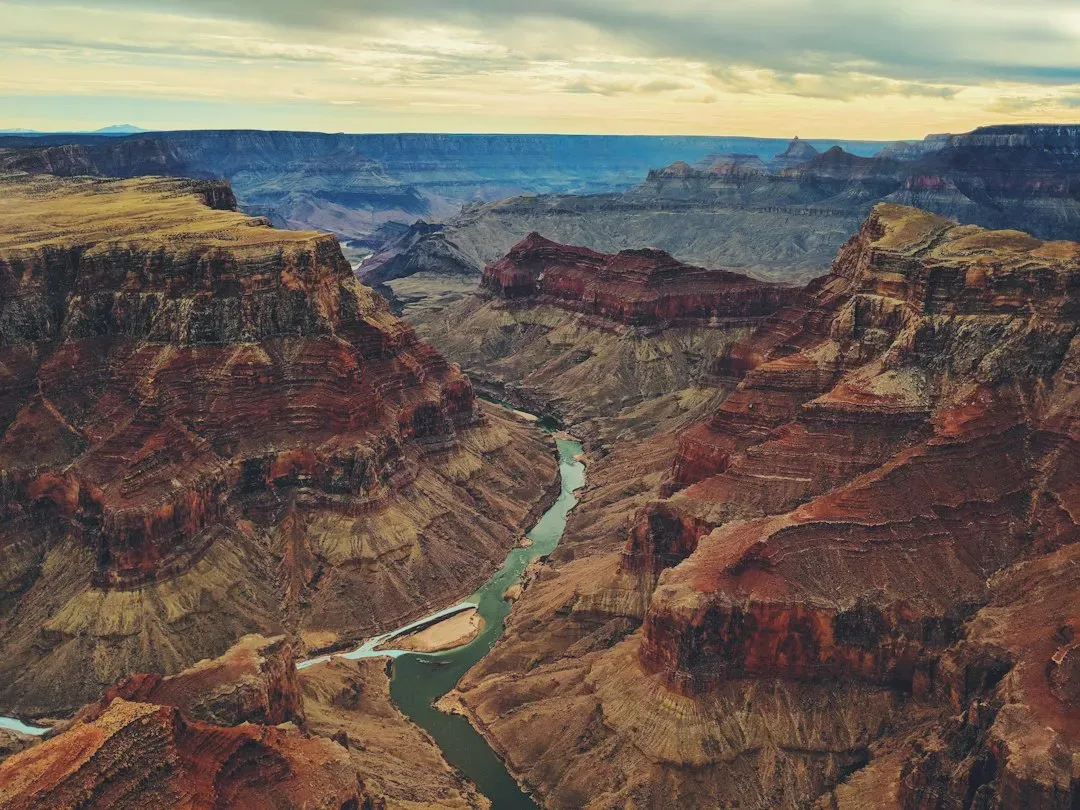
For many families, a Grand Canyon visit was the high point of a long Western road trip. The canyon is roughly 277 miles long and up to about a mile deep, which makes it hard to appreciate until you’re standing at the rim. The South Rim was the easiest access point, with overlooks, lodges, and shuttle stops.
The trip also fit neatly into the era’s love of the open road. Route 66 was officially decommissioned in 1985, just as many families were seeking out its roadside stops. The park still draws millions of visitors each year, and the South Rim remains the most popular area.
Wisconsin Dells, Wisconsin
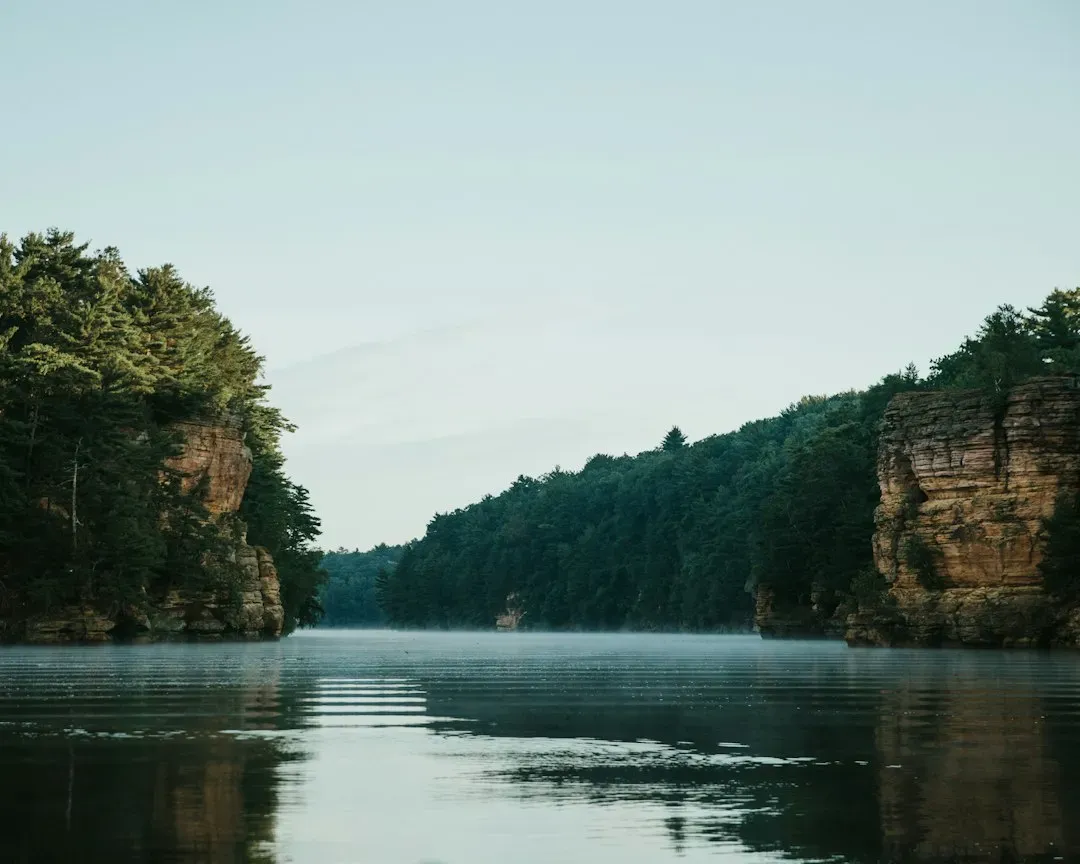
Wisconsin Dells was already known for scenic river boat tours and the Dells of the Wisconsin River. In the 1980s it became a budget friendly favorite for Midwestern families. Noah’s Ark, which opened in 1979, grew into one of the largest water parks in the country and helped set the tone for the town.
Mini golf, go karts, and motels with indoor pools made it an easy weekend getaway. Over time the area leaned further into the water park identity, and it now markets itself as the Waterpark Capital of the World. Many of those indoor and outdoor parks operate year round.
Myrtle Beach, South Carolina
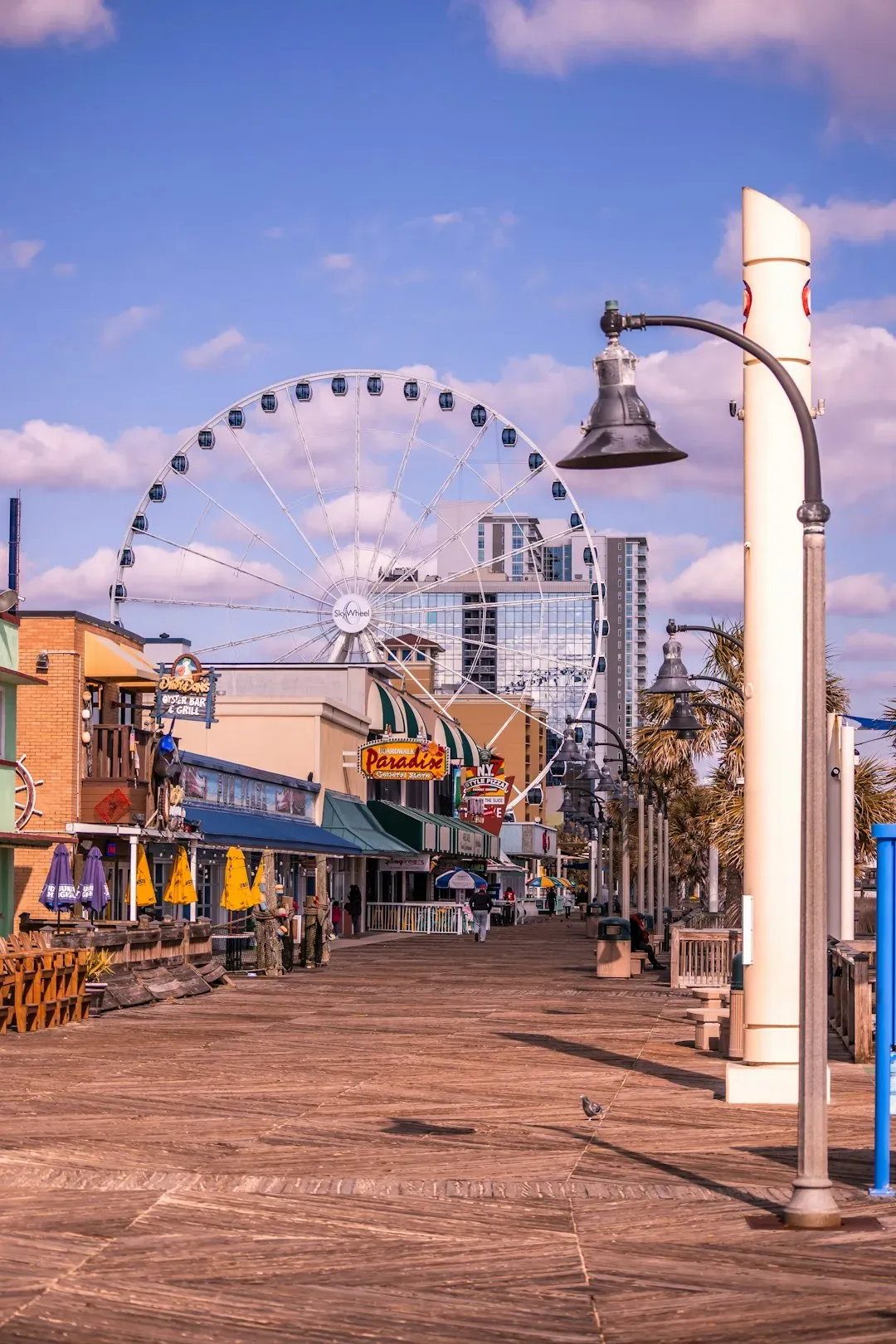
Myrtle Beach offered what many families wanted from a summer week: wide sandy beaches, affordable motels, and an amusement pier within walking distance. Oceanfront arcades, mini golf courses, and seafood buffets filled the Grand Strand. It became a regular stop for families from the Carolinas, Virginia, Ohio, and Pennsylvania.
The area also built a reputation for golf, with dozens of courses drawing parents on the same trip. In recent years the region has reported visitor numbers around twenty million annually. The old Pavilion amusement area closed in 2006, but new attractions along the boardwalk have since taken its place.
Yellowstone National Park, Wyoming
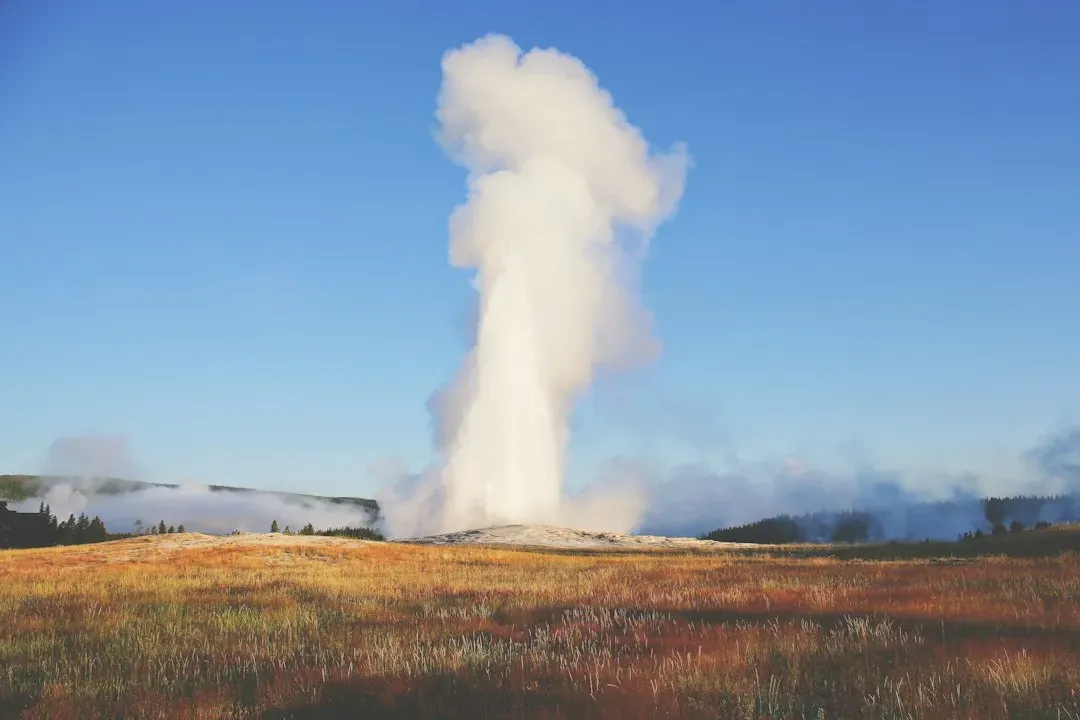
Yellowstone has been a family destination for generations, and the 1980s were no exception. Old Faithful, the bison herds, and the colorful hot springs were reliable favorites with children. Many families camped or stayed at historic park lodges for several nights.
The summer of 1988 brought a major change. Wildfires burned across more than a third of the park, drawing national attention to fire ecology and park management. Visitors today can still see the regrowth in forests that were scorched, and the park remains one of the most visited in the country.

Leave a Reply