
Walk into any grocery store and the first thing you notice is usually the produce, bright and neatly stacked. What you don’t notice is the long list of decisions made about where each item sits, how its price is written, and what sits next to it. Prices are rarely just numbers. They’re nudges.
Most of these tactics are legal, and many have been studied for decades by marketing and behavioral economics researchers. Knowing how they work doesn’t make you immune, but it does give you a fighting chance at the register.
Charm Pricing and the Magic of Nine
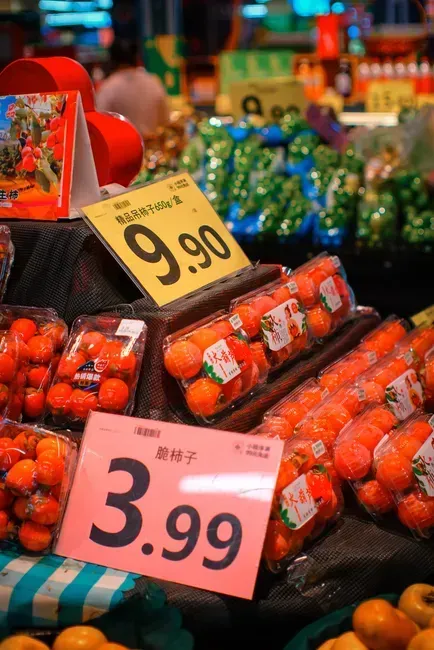
Prices ending in .99 or .97 are everywhere, and there’s a reason they’ve survived so long. Shoppers tend to read the leftmost digit first, so $3.99 registers as closer to three dollars than to four. Researchers call this the left digit effect, and it has been replicated across many studies of consumer behavior.
The effect is small per item, yet it adds up across a whole cart. A quick fix is to round up in your head as you shop. If you think of $3.99 as four dollars, comparing products gets more honest.
Shrinkflation and Quiet Package Changes
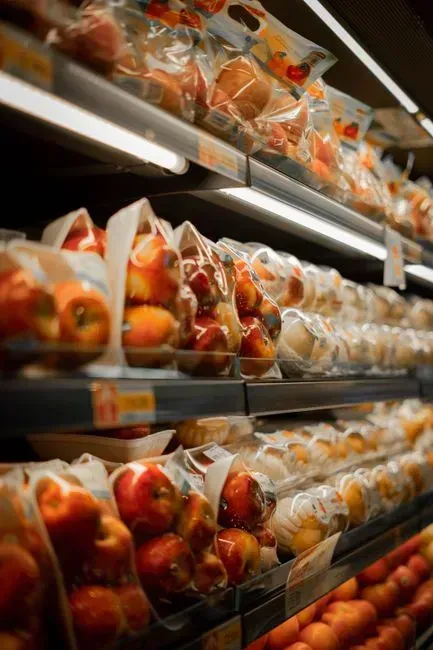
Shrinkflation means the price stays the same while the package holds less. A cereal box gets slimmer, a bag of chips loses a few ounces, and the shelf tag never changes. The US Bureau of Labor Statistics has looked at this practice in its price data, and it drew heavy public attention in recent years as food costs climbed.
Some places have started pushing back. Several governments and lawmakers have proposed or adopted rules requiring disclosure of reduced package sizes. Until that’s universal, checking the unit price on the shelf tag is your best defense.
Multi Buy Deals That Aren’t Deals
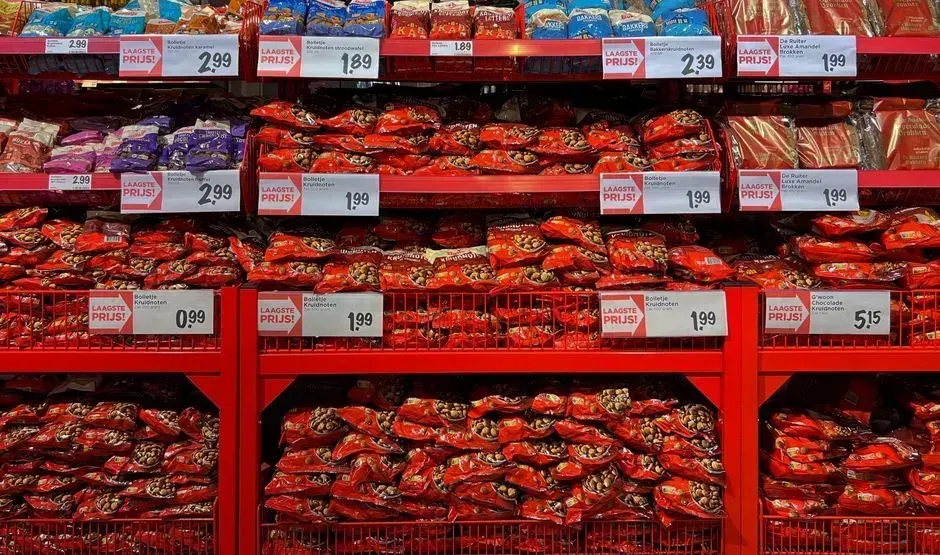
A sign reading “10 for $10” often leads people to grab ten items, even though the single price is also one dollar. Studies of promotions have found that numeric quantity signals can raise how many units people buy, even when buying fewer costs the same per item. Many stores don’t actually require the full quantity to get the discount.
Read the fine print before you stock up. If the deal needs exactly two or three units, fine, but a hidden minimum is rarer than the signage implies. Extra food that spoils or sits unused isn’t savings.
Decoy Pricing in the Middle of the Shelf
Decoy pricing works by adding an option that makes another one look smart. Picture a small coffee, a medium that’s barely cheaper than the large, and a large. The medium isn’t meant to sell; it makes the large feel like a bargain. Behavioral economist Dan Ariely made this idea widely known through his research on asymmetric dominance.
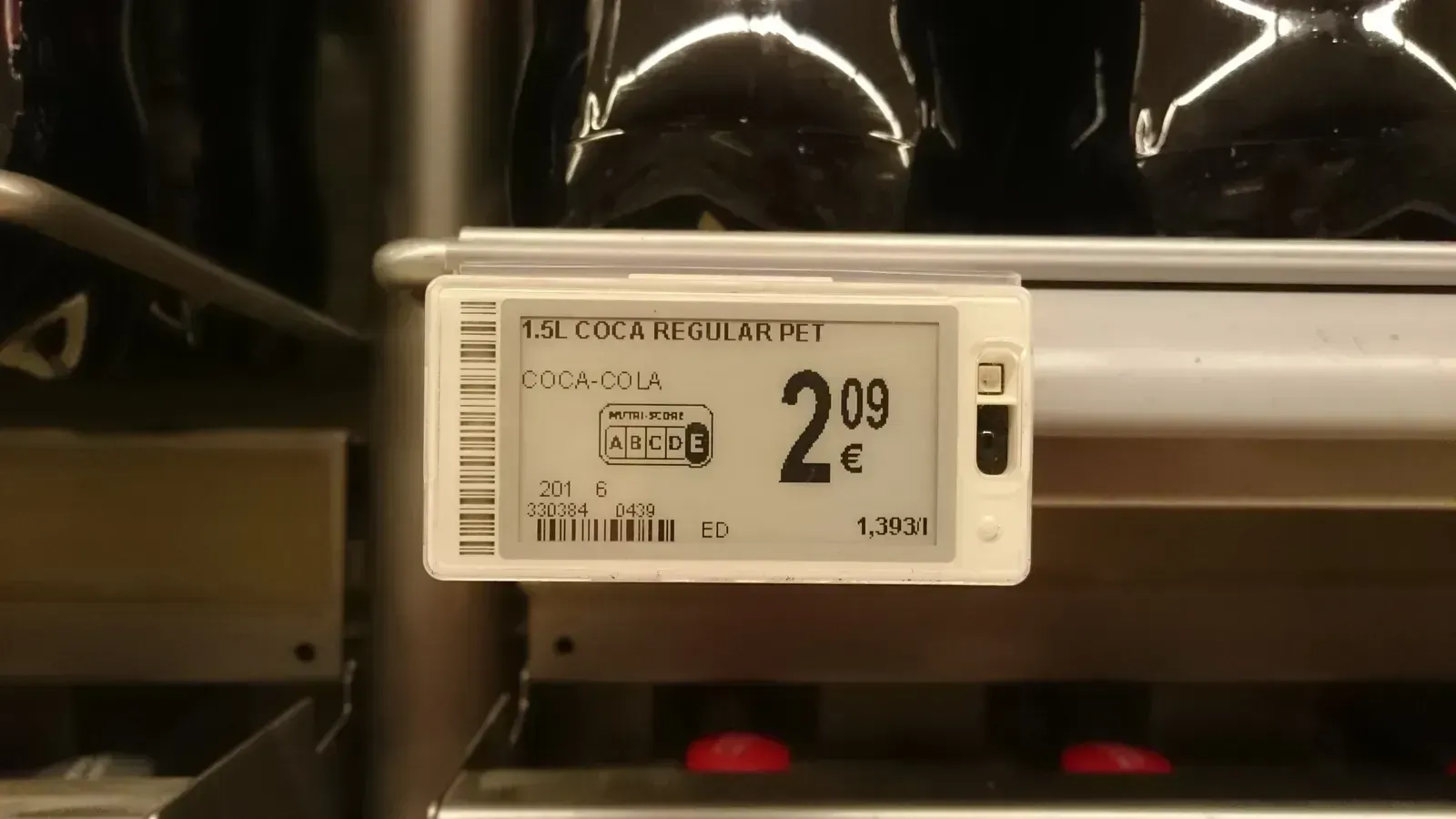
At the grocery store it shows up in multipack sizes, bottled drinks, and store brand tiers. Compare cost per ounce or per unit across every size. Sometimes the biggest pack really is cheaper, though often it isn’t.
Anchoring With Inflated Original Prices
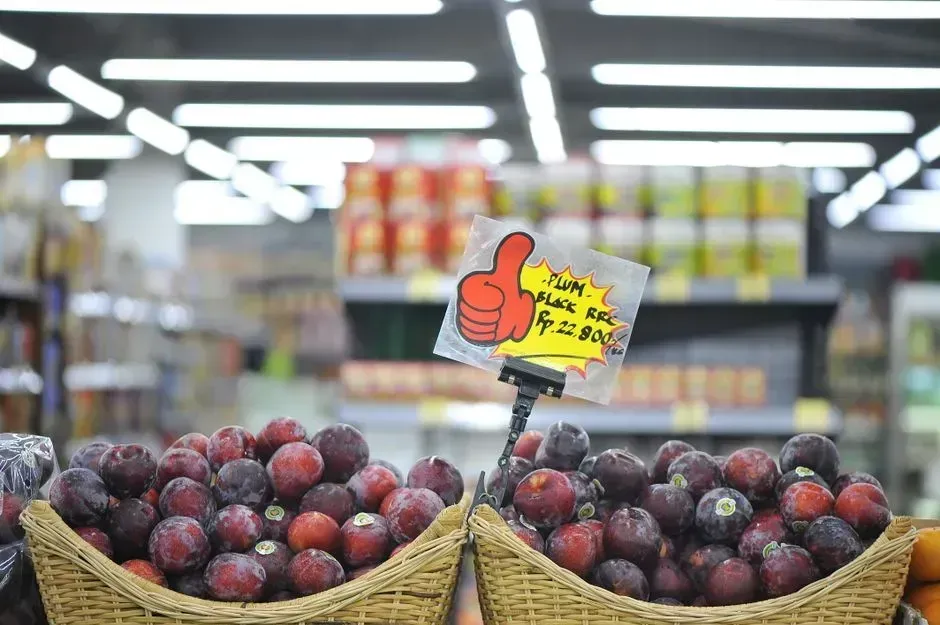
A crossed out higher price beside a lower one makes the lower one feel like a win. This is anchoring, where the first number you see shapes how you judge the next. The trouble comes when the original price was rarely charged at all.
Regulators in various countries have taken action against misleading reference pricing, and the UK’s Competition and Markets Authority has examined such practices. Price tracking apps and your own memory of what an item usually costs can help you spot fake savings. If a “sale” seems permanent, it probably is.
Strategic Shelf Placement and Store Layout
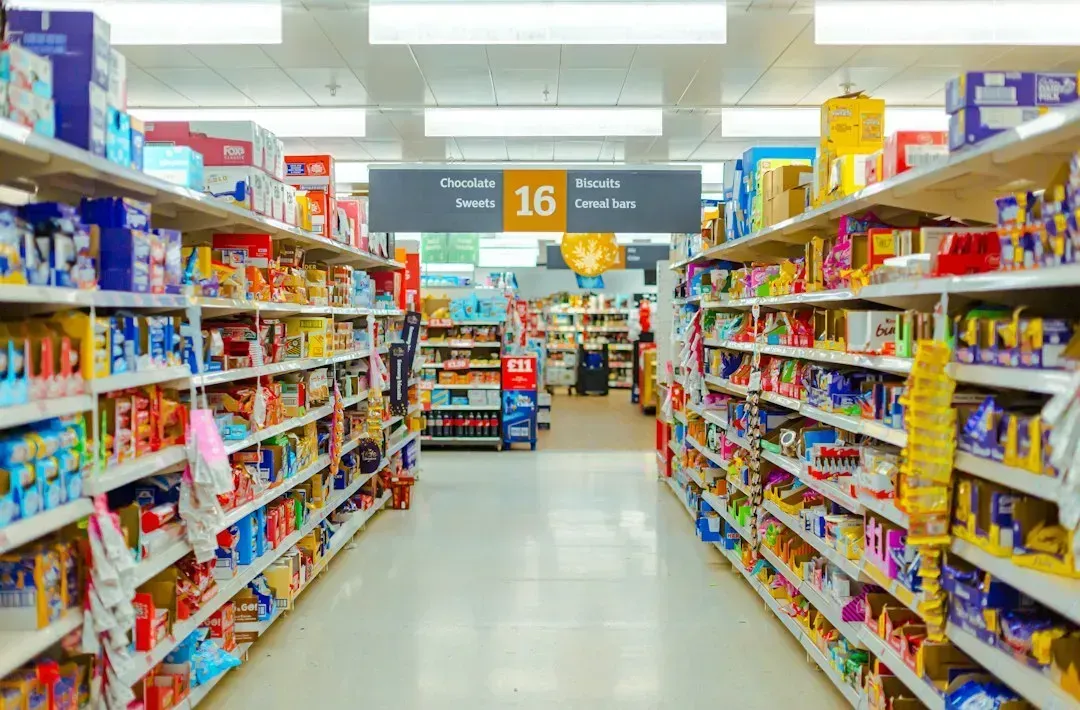
Staples like milk and eggs often sit toward the back so you have to walk past dozens of other products. Pricier brands tend to land at eye level, while cheaper store brands wait lower down or higher up. End of aisle displays feel like special offers even when the item isn’t discounted.
Retail research has long shown that placement alone can change sales. Make a list, and glance at the top and bottom shelves before reaching for what’s right in front of you. That small habit can quietly trim a bill.
Loyalty Card Pricing and Digital Personalization
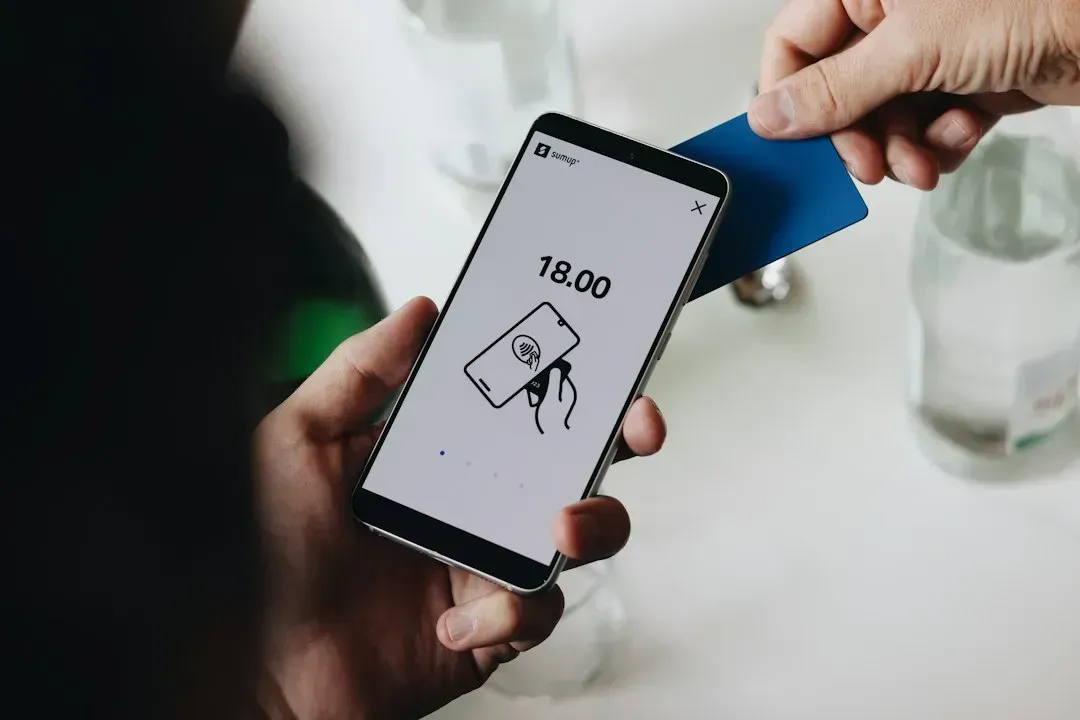
Many chains now reserve their best prices for members using an app or card. In exchange, stores collect detailed purchase histories that help them target offers. The US Federal Trade Commission has examined surveillance pricing, a practice where data may be used to set or personalize prices, and released findings on the topic in 2024 and 2025.
The savings can be real, but they come with a data trade. Check whether the member price is meaningfully lower than the regular one, and review what permissions you give the app. Convenience is rarely free.
Staying alert to these seven tactics won’t make grocery shopping fun, though it can make it fairer. Compare unit prices, question every “deal,” and let your list, not the display, run the trip.




Leave a Reply