
1. Hidden spare keys
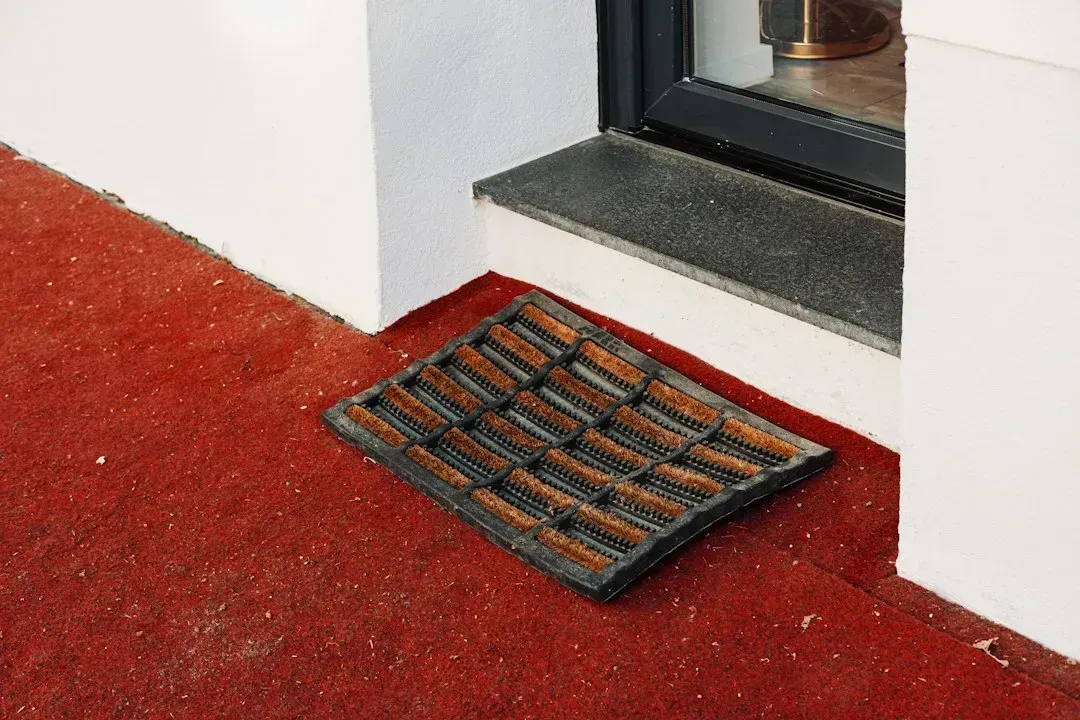
The idea of tucking a spare key under a doormat or inside a fake rock feels harmless, but security professionals consistently name it as one of the first things a burglar checks. The classic spare key under the doormat has earned its reputation for a reason, and other familiar hiding places, including planters, fake rocks, and nearby ledges, may not offer much secrecy either. Experienced criminals already know the usual hiding spots, so a homeowner’s clever idea is rarely as clever as it feels.
Never assume an unusual-looking hiding place automatically counts as a secret, and the same caution applies to garage remotes and access devices. A safer approach is to hand a spare key to a trusted neighbor or family member, or to invest in a coded lockbox rated for outdoor use. Convenience matters, but a few extra seconds of caution can prevent a much bigger headache, and the safest spare key often involves a trusted person rather than a clever hiding spot.
2. Garage door openers left in unlocked vehicles
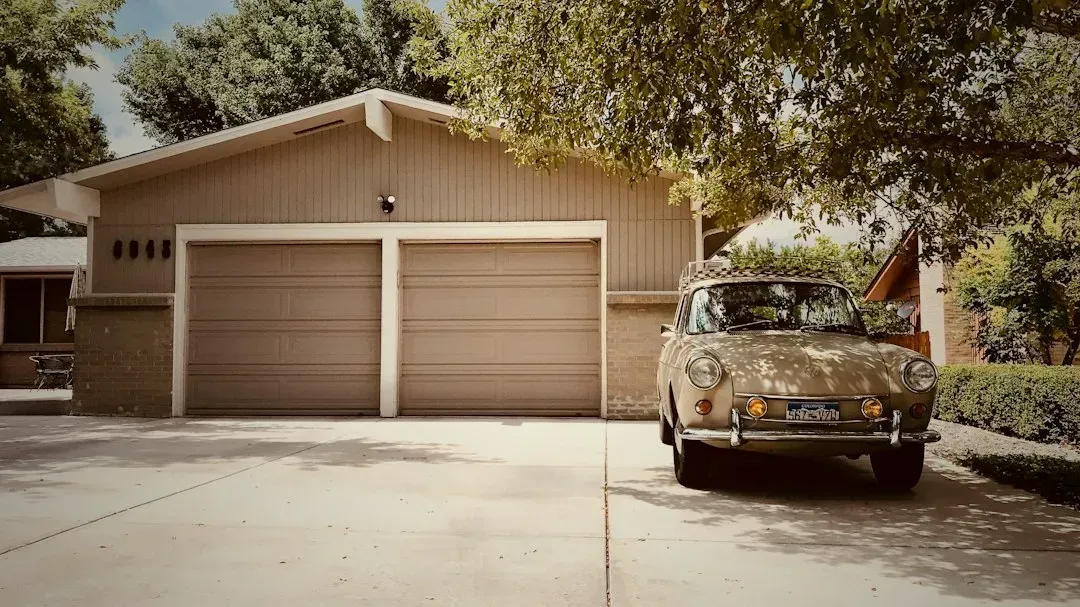
Garage remotes clipped to a car visor might be the single most underestimated security risk on this list. A garage door opener sitting in an unlocked car is essentially a house key with an address attached, and yet people leave them clipped to visors in cars parked on the street or in driveways, treating the device like an afterthought rather than a direct route into the home.
The fix is simple but requires a habit change. Security experts either take the opener inside or park in the garage, because they know that car break-ins happen fast and garage doors provide access not just to the house but to tools, bikes, and anything else stored inside. A quick smash of a car window can hand someone the keys to an entire property in seconds, which makes this one of the easier problems to prevent once you know to look for it.
3. Ladders left out in the open

A ladder propped against a shed or fence looks like a minor convenience for weekend chores, but it can double as a tool for anyone trying to reach an upper-floor window. Homes with second stories are particularly vulnerable, since many people assume upstairs windows are safe simply because they are harder to reach on foot.
If you do keep ladders outside your home, make sure they are locked up and not easily accessible. Storing ladders in a locked shed or garage, or securing them with a cable lock when that is not possible, removes an easy shortcut for anyone casing a property.
4. Power tools and yard equipment
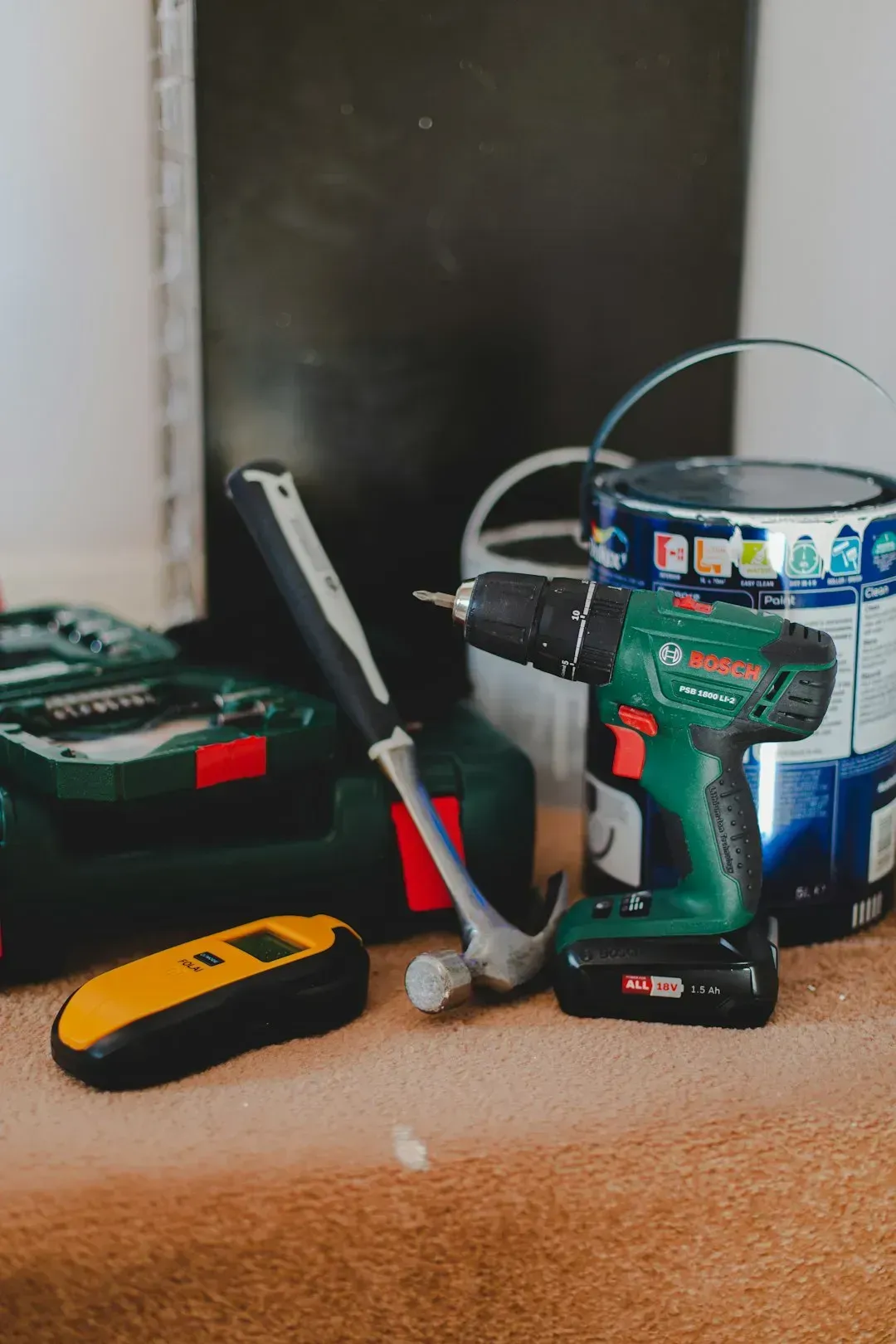
Lawnmowers, leaf blowers, drills, and other equipment left in driveways or open carports are common targets because they are valuable, portable, and rarely marked with any identifying information. Unlike a stolen television, a missing mower often goes unnoticed for hours, giving a thief a wide window to disappear.
Property experts generally recommend locking this kind of equipment inside a garage or shed rather than leaving it near the house overnight. Marking tools with a driver’s license number or serial number etching also makes stolen items harder to resell, which in itself can act as a mild deterrent.
5. Signs that mail and packages are piling up
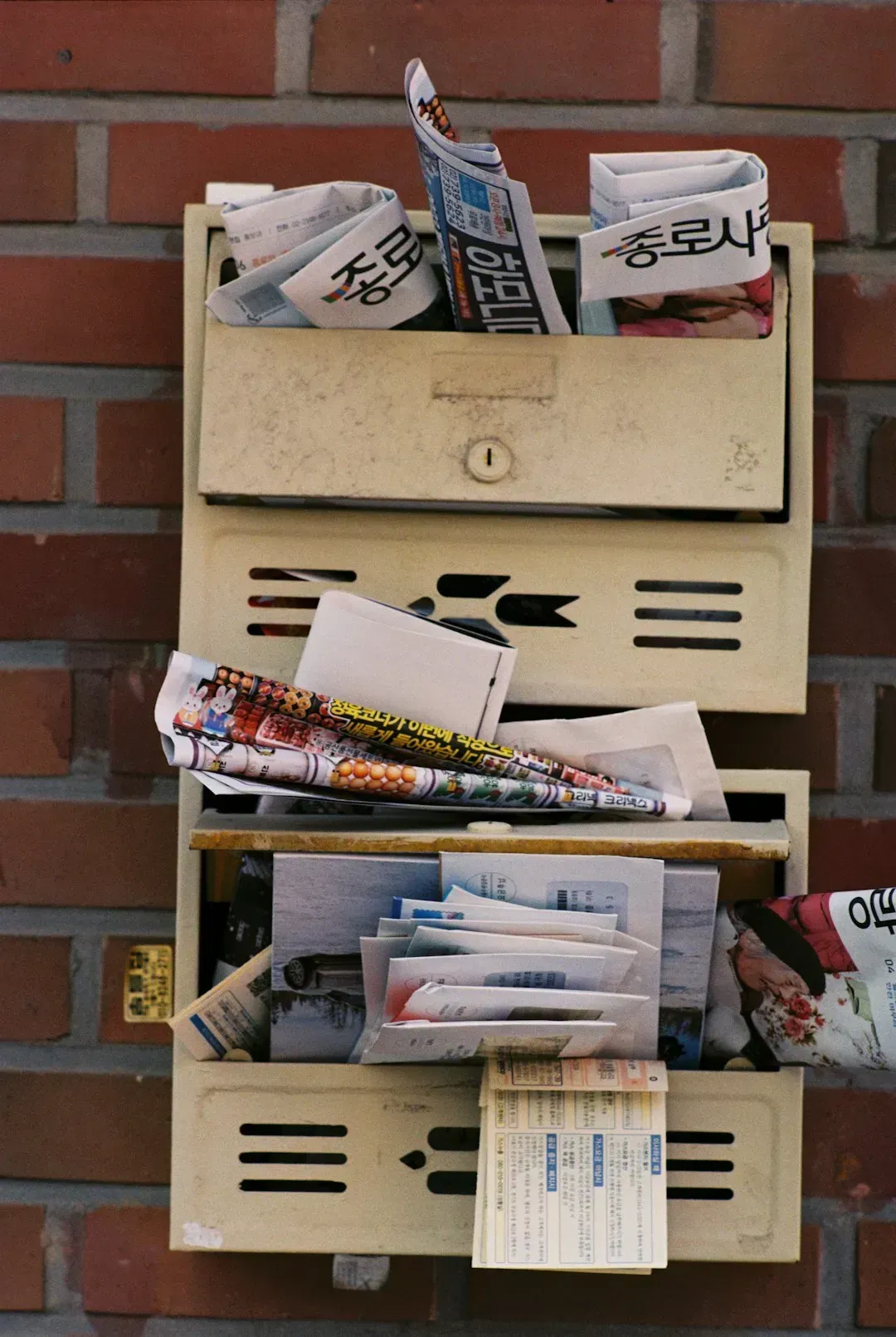
An overflowing mailbox or a stack of packages on the porch does more damage to home security than most people realize, because it tells a passerby exactly how long a house has been empty. Security professionals have noted they never leave signs that a house is unattended, like leaving the mailbox overflowing.
The reasoning behind this is straightforward. An unattended property is a more attractive target because it reduces the risk of confrontation and increases the time burglars can spend undetected. Placing a hold on mail delivery, asking a neighbor to collect packages, or pausing subscription deliveries during travel are small steps that remove an obvious signal.
6. Bicycles and other outdoor toys
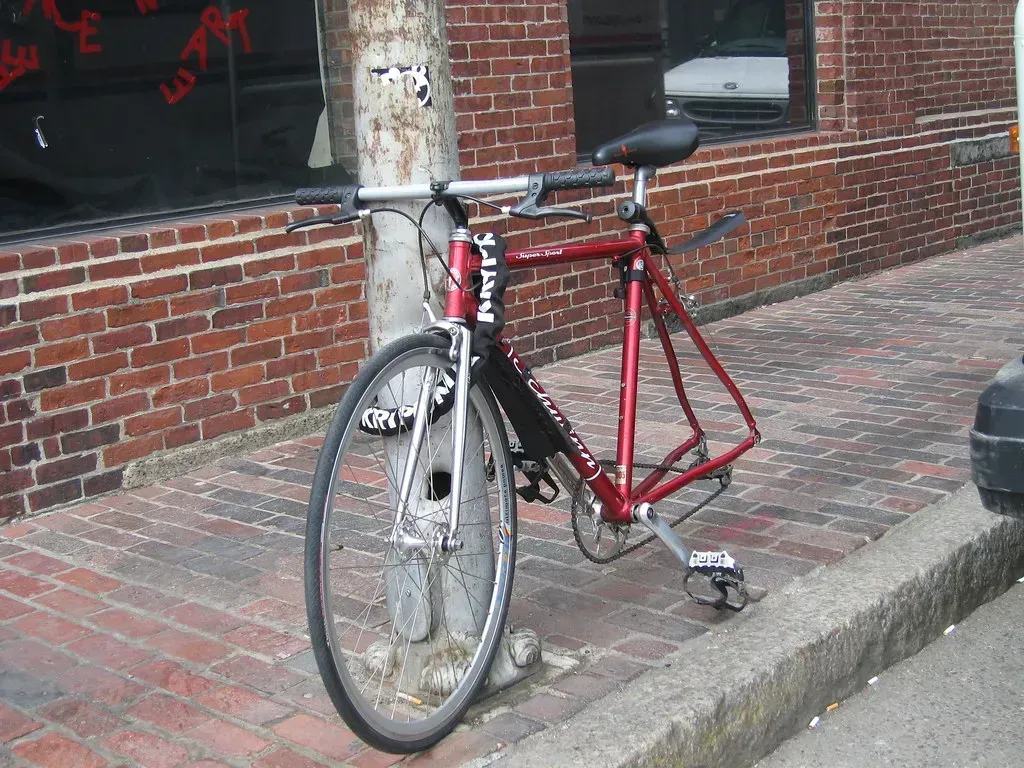
Bikes, scooters, and children’s ride-on toys left in a front yard or on a porch are grab-and-go items in the truest sense. They require no tools to steal, no forced entry, and often no more than a few seconds of opportunity.
Bringing these items inside a garage, shed, or entryway overnight, or securing bikes to a fixed point with a solid lock, closes off one of the simplest opportunities a passerby might take advantage of. It is a low-cost habit that pays off far more often than most people expect, especially in neighborhoods with foot or bike traffic.
7. High-value outdoor furniture and grills
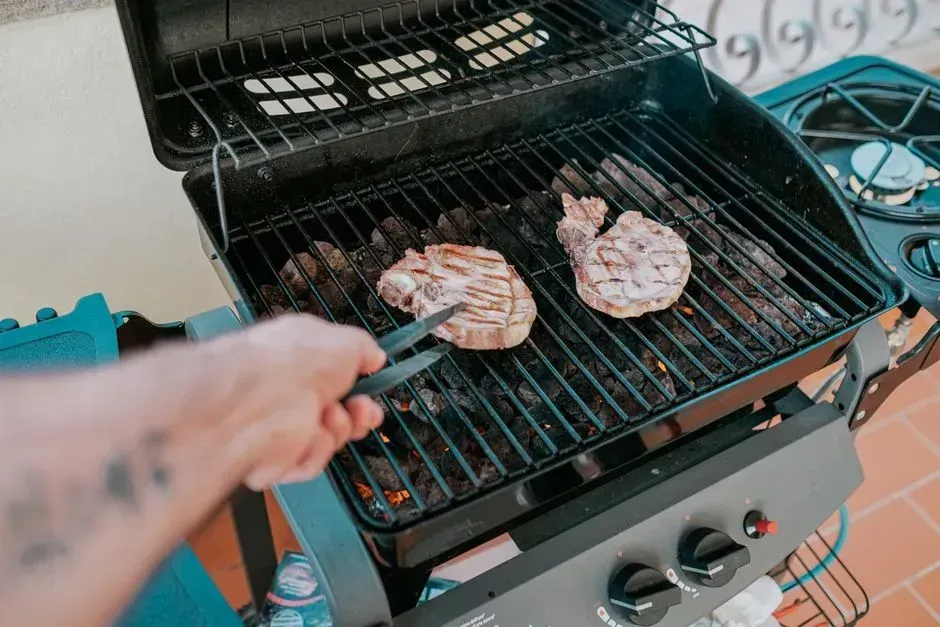
Patio sets, outdoor kitchens, and grills have become significantly more expensive in recent years, which makes them appealing targets, particularly in homes visible from the street or an alley. Unlike smaller items, these pieces are sometimes stolen not by opportunistic passersby but by people specifically scouting yards for resale-worthy equipment.
Anchoring furniture, using cable locks on grills, and keeping expensive pieces behind a fence or gate rather than in full view from the street all reduce exposure. Motion-activated lighting near patios and decks adds another layer of deterrence, since visibility is one of the simplest ways to discourage someone from lingering.
Taken together, these seven habits share a common thread. None of them require expensive security systems or major renovations, just a bit of awareness about how an outside observer might read the signals a property is sending. Small adjustments, made consistently, tend to do far more for home security than any single gadget ever could.



Leave a Reply