
France and food go together the way butter goes into a proper beurre blanc – seamlessly, inseparably, and with total commitment. Few countries boast a culinary heritage that can rival France’s, and its cuisine was even placed on the UNESCO list of intangible cultural heritage, showing just how important food is to the country’s past and present. That alone should tell you something. This isn’t just a place where people eat well. It’s a place where eating well is considered a form of national identity.
With roughly 630 Michelin-starred restaurants sprinkled across the country, France continues to lead the global culinary parade. Yet honestly, the real magic isn’t always found behind white tablecloths. From smoky street markets in the south to Franco-German brasseries in the east, each city has its own edible personality. So let’s take a proper tour of the seven French cities that any self-respecting food lover absolutely must experience.
1. Lyon: The Undisputed Gastronomic Capital
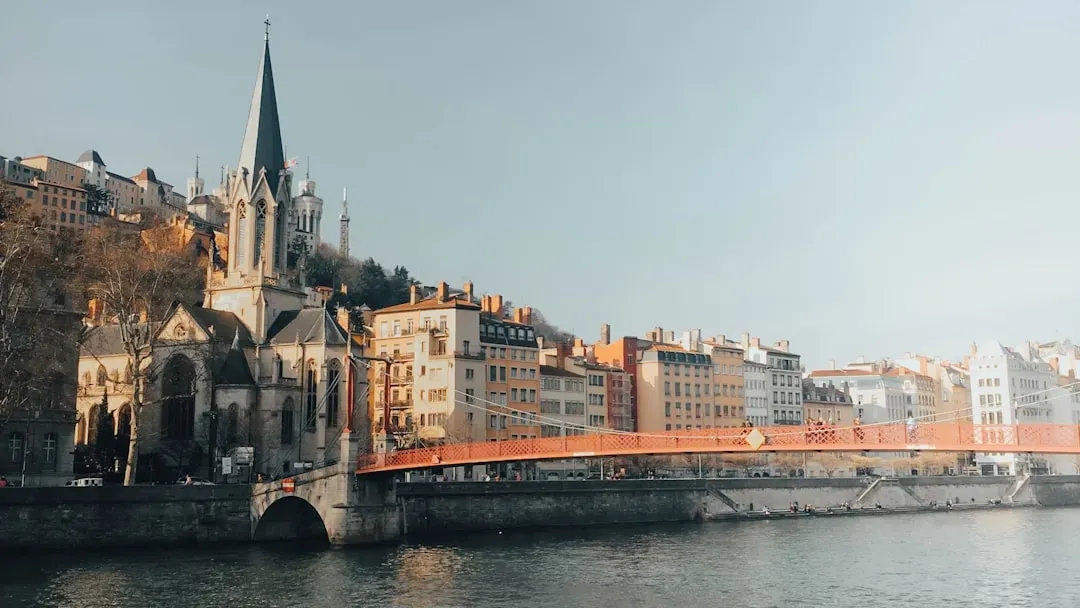
In 1935, the food critic Curnonsky described the city of Lyon as the “world capital of gastronomy.” Nearly a century later, that title still holds up. Today, Lyon boasts over 4,300 restaurants, 21 of which have earned enviable Michelin stars. That’s a staggering density for a single city. Think of it as the New York of French food – except with far more soul and a lot more pork.
Lyon is particularly famous for its bouchons, small, lively restaurants that serve hearty recipes once served to local silk workers. Lyon’s food culture was elevated by the “mères lyonnaises,” female cooks who transitioned from domestic service to open their own establishments in the 19th and early 20th centuries, helping define the bouchon tradition by blending rustic family recipes with refined technique, an influence that still lingers in the comforting, deeply flavorful dishes served today. Dishes like salade lyonnaise with its poached egg and lardons, quenelles, and coq au vin are not just menu items here. They are history on a plate.
2. Paris: Where Every Culinary World Collides

Paris remains the beating heart of France’s gastronomy, with the capital’s diverse population, thriving tourism, and restaurant density making it a culinary laboratory for global trends, balancing Michelin-starred excellence with street food experimentation while sustainability is now central to its urban dining culture. It sounds almost overwhelming when you put it like that. Paris isn’t one food city. It’s about a dozen food cities stacked on top of one another.
Casual brasseries and bistros stand just around the corner from some of the finest and most expensive restaurants in the world, while cafés, bakeries, and chocolatiers all line the streets. Paris combines traditional fine dining, regional specialities from all over the country, international influences, and modern innovative techniques reserved for the fanciest of restaurants. I think what makes Paris so different is that you can eat a perfect croissant from a neighborhood bakery for less than two euros and an extraordinary tasting menu later the same evening. Few cities on earth offer that range.
3. Bordeaux: Wine, Oysters, and the Art of Good Living
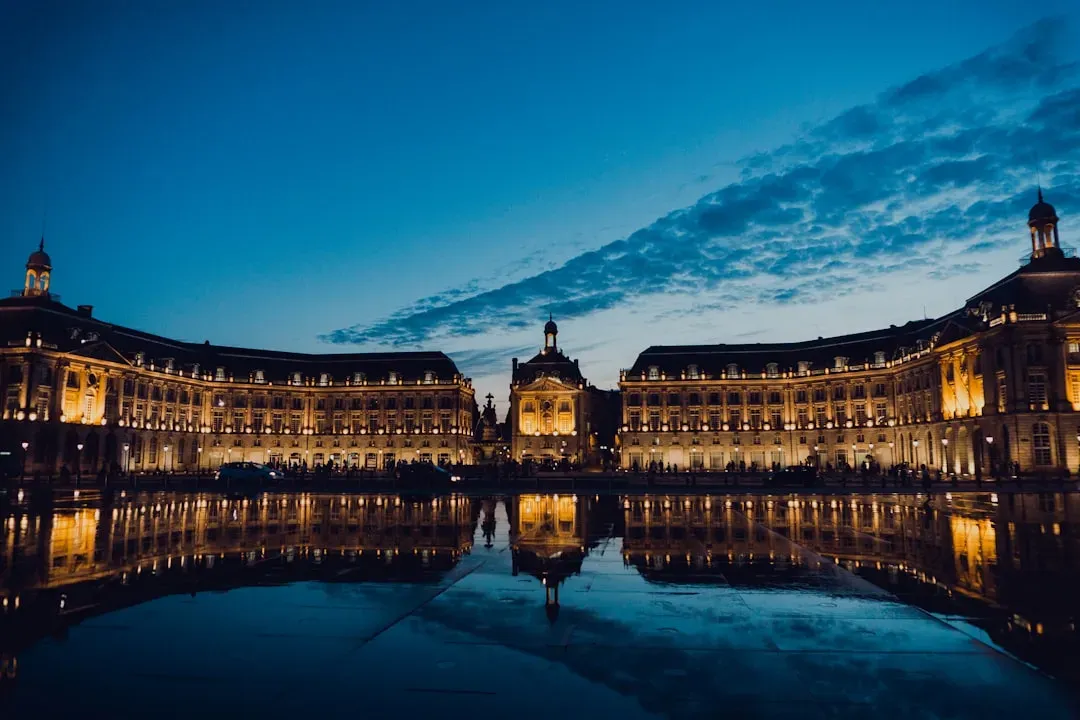
Bordeaux is a gastronomic haven, enticing foodies with a rich culinary tapestry and exquisite wine culture, and while it’s renowned for its esteemed vineyards, its culinary scene extends well beyond wine, with delightful eateries showcasing a diverse array of flavors and traditions. Here’s the thing about Bordeaux: it earned a remarkable distinction when it was ranked the best food city in France by food site Atabula, placing it above both Paris and Lyon. That’s a bold statement for a city that most people still think of purely in terms of its vineyards.
Bordeaux is located just 30 miles from the southwestern coast of France, an area known for producing some of the country’s finest oysters. Canelés, delicate rum and vanilla filled pastries, were invented in the region and are an absolute must-try when visiting. Nouvelle-Aquitaine, home to Bordeaux’s vineyards and coastal seafood, showcases regional pride and authenticity, with restaurants highlighting farm-to-table dining, local wines, and seasonal produce, making wine tourism a major catalyst that integrates gastronomy with travel.
4. Marseille: Bold, Salty, and Gloriously Unfiltered
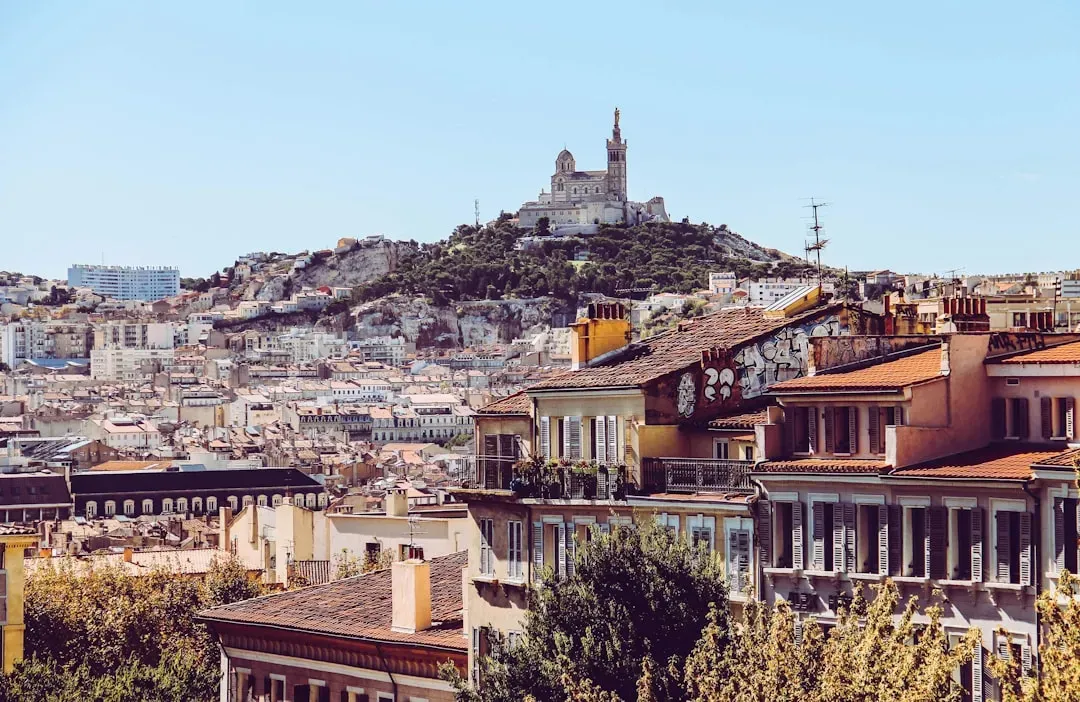
The vibrant port city of Marseille is one of France’s most exciting culinary destinations, where a new generation of young and creative chefs are putting their stamp on the city with contemporary dishes that champion local, sustainable, and organic produce. In the Fooding 2025 guide, three awards went to Marseille restaurants, confirming a trend already visible in 2024, with Marseille actively challenging Lyon’s long-held title as France’s culinary hotspot. That’s not something anyone saw coming a decade ago.
The city is famous for pastis, the cloudy aniseed-flavored aperitif best enjoyed on a terrace under the Mediterranean sun, and you couldn’t talk about Marseille cuisine without mentioning bouillabaisse, the classic seafood soup apparently invented here. You can also try couscous, a traditional North African dish that has become genuinely popular and beloved in Marseille. Marseille eats like a city that has never cared much about what the rest of France thinks. Honestly, that makes it even more delicious.
5. Toulouse: The Pink City with a Seriously Hearty Table
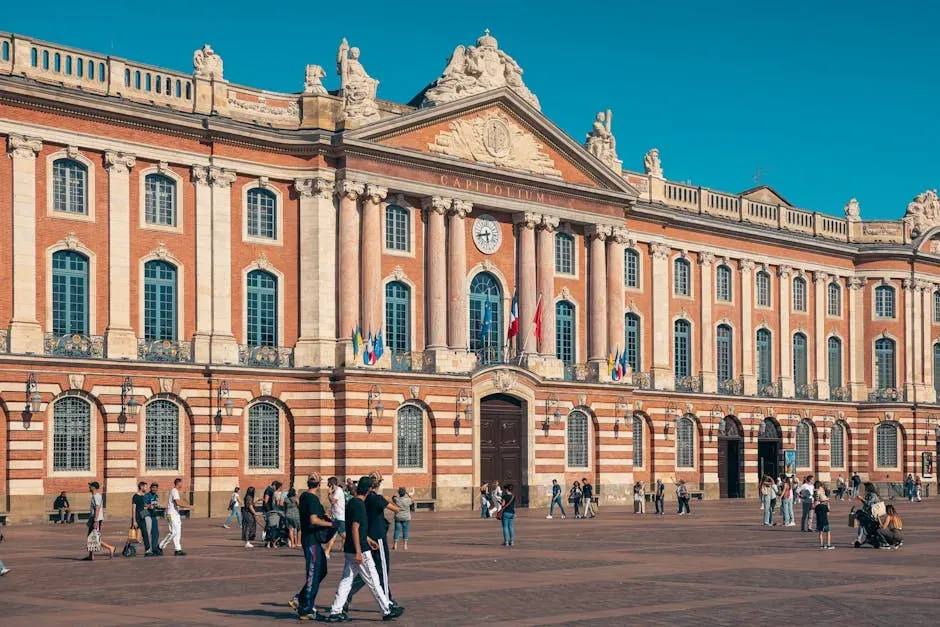
Nestled in the heart of southwestern France, Toulouse is one of France’s top foodie destinations, celebrated for its rich culinary heritage, and fondly referred to as the “Pink City” due to its distinctive terracotta buildings, with a vibrant food scene reflecting the region’s agricultural abundance and cultural diversity. On a visit to Toulouse, you’ll discover the region’s love affair with cassoulet, a hearty stew featuring white beans, duck confit, and Toulouse sausage, slow-cooked to perfection, embodying the city’s rustic charm and served in traditional bistros and upscale restaurants alike.
Poultry is the name of the game in Toulouse and the surrounding area, specifically duck and goose, which are used for rich, emblematic dishes like foie gras and confit de canard. A wander through Victor Hugo Market shows exactly why this region is a must for foodie travel in France. A gourmet specialty of the region is foie gras d’oie, made from goose liver with a smooth, buttery texture, usually served as a starter, so you know you’re in for some truly hearty meals when you order it. Toulouse doesn’t do light lunches. It never has, and long may that continue.
6. Strasbourg: A Franco-German Feast Like No Other
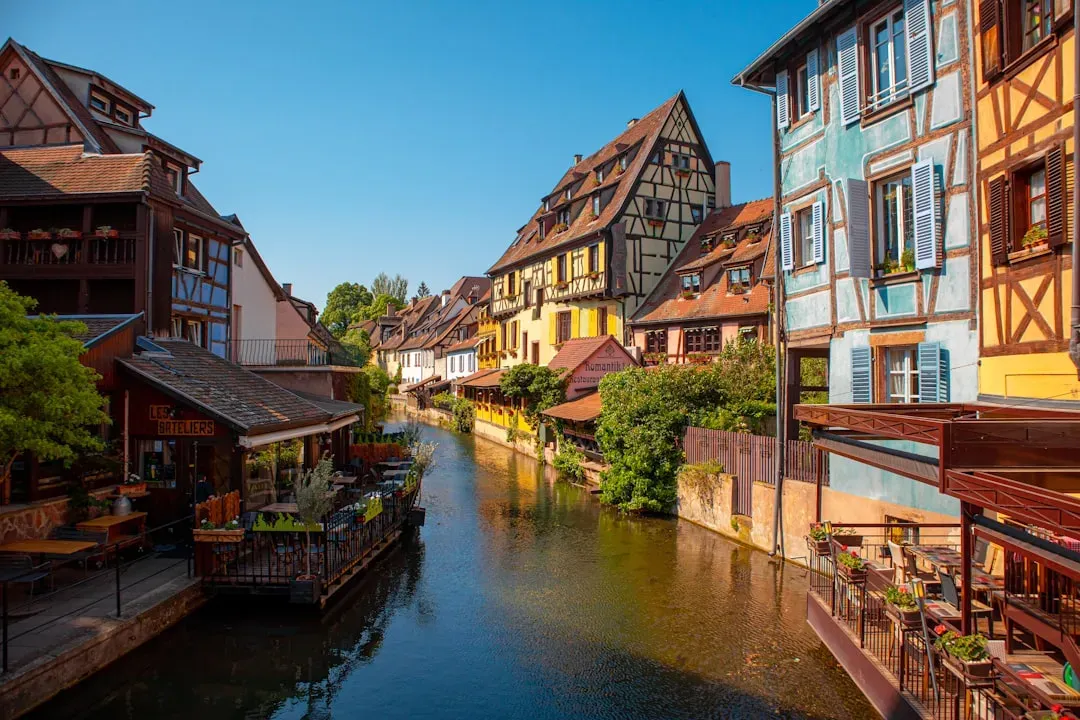
Sitting right on the border of Germany in the region of Alsace, Strasbourg has a distinctive Franco-Germanic cuisine that stands apart from every other foodie city in France. Taking a morning train from Paris means you could be having some tasty, German-influenced fare for lunch, with pork-filled sauerkraut perfect for winter months especially when accompanied by local Gewürztraminer, and a Flammekueche, which literally translates to “flambéed pie,” for something slightly lighter. It’s a culinary identity unlike anything else in the country.
The best way to start your day in Strasbourg is with coffee and a kougelhopf, a brioche-style bun with dried fruit and almonds, followed by famous dishes such as spätzle, a comforting dense pasta made with fresh eggs often topped with local Munster cheese, and choucroute garnie, a generous plate of sauerkraut served with local sausages, thick cuts of pork, and potatoes. Alsace is also known for its succulent foie gras, which you can try at Les Haras Brasserie, Strasbourg’s former national stud farm just a ten-minute walk from the city center. Two countries, one spectacular plate.
7. Nice: Mediterranean Sun on Every Single Bite
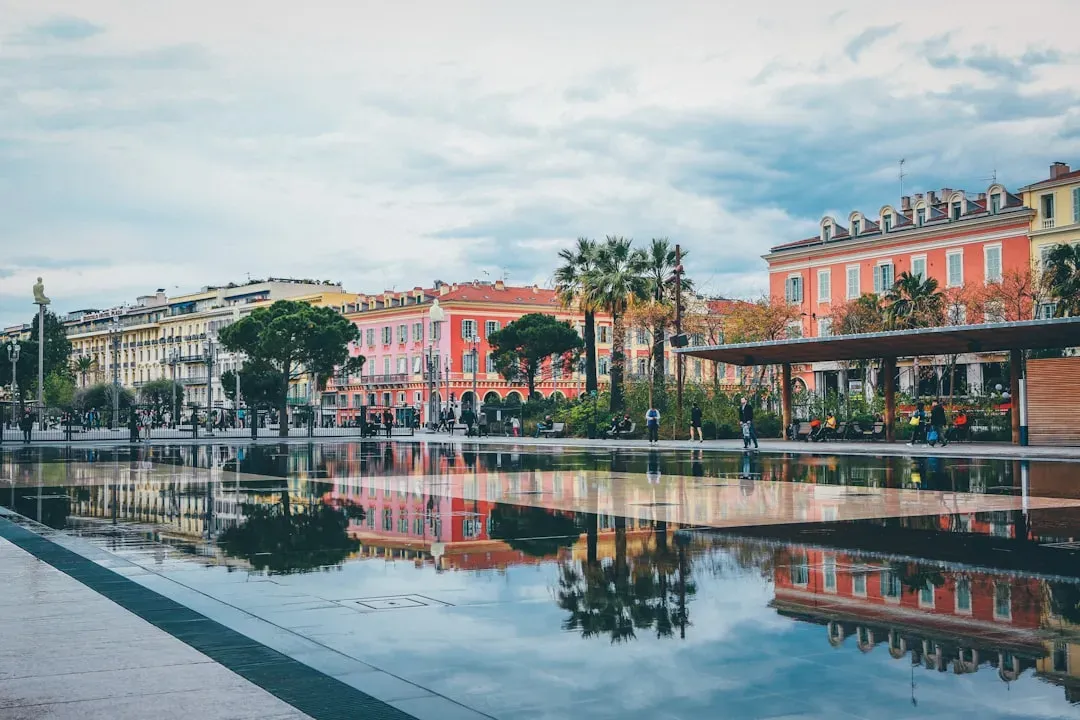
Nice is known for its Mediterranean-inspired cuisine, which blends Provençal traditions with Italian influences and its coastal charm. Nice has long been a crossroads of culinary culture, bringing together Provençal traditions, Italian influences due to its geographical proximity, and the fresh seafood from the Mediterranean Sea. It’s a city where the food tastes as bright and sun-soaked as it looks on the plate. I think Nice is the most underestimated food city on this entire list.
The Cours Saleya market is a must for anyone interested in local Niçoise cuisine, and the wide pedestrian-only Marché Cours Saleya is one of the most picturesque markets in France, located in the heart of Vieux Nice. The ubiquitous Salade Niçoise is Nice’s big claim to fame, but socca is the traditional Nice peasant snack, resembling a large chickpea pancake best eaten right out of the oven with lots of pepper and a glass of rosé. For something truly rare, try Bellet wine, a rare local appellation made from grapes grown in the hills above the city, available for tasting at local wine bars throughout Nice.
France’s culinary landscape is vast, endlessly layered, and genuinely impossible to exhaust in a single trip. Whether you’re chasing Michelin stars in Lyon, hunting for the crispiest socca in Nice, or pulling up a chair at a Bordeaux oyster bar, one thing is certain: eating well in France never feels like a luxury. It feels like the whole point. Which of these seven cities would you add to your food bucket list first?




Leave a Reply