
Couples rarely arrive in a therapist’s office because of one big blowup. More often, they come in after months or years of small, repeated moments that slowly changed how they treat each other. The details differ from couple to couple, but the patterns underneath are surprisingly consistent.
Much of what clinicians point to comes from decades of observational research, especially the work of psychologist John Gottman and his colleagues, who have studied couples in lab settings and followed them over time. The signs below aren’t a diagnosis, and having one doesn’t mean a relationship is doomed. They’re simply the things trained observers see again and again.
Criticism That Targets Character

Every couple complains. A complaint is about a specific event, like being annoyed that the dishes were left out again. Criticism goes further and turns the issue into a verdict on who the partner is, using words like always and never.
Gottman’s research describes criticism as the first of four damaging habits he calls the Four Horsemen. It isn’t fatal on its own, but it tends to open the door to the others. When a person feels attacked as a whole, they usually stop hearing the actual request underneath it.
Contempt, the Habit Researchers Rank Highest

Contempt shows up as sarcasm, eye rolling, mockery, name calling, or a tone of superiority. It communicates disgust, not just frustration. Therapists tend to notice it quickly because it changes the temperature of the room.
According to the Gottman Institute, contempt is the strongest predictor of divorce among the Four Horsemen. Research from Gottman’s lab has also linked it to poorer physical health in the partner on the receiving end, including more frequent infectious illness. The usual antidote is building a culture of appreciation and respect in everyday moments.
Defensiveness That Shuts Down Repair

Defensiveness feels like self-protection, and in the moment it usually is. A partner raises a concern, and the other responds with an excuse or a counter complaint. Sometimes they play the innocent victim, which sends the message that the problem belongs entirely to the other person.
The trouble is that nobody feels heard. Gottman’s framework treats this as a major obstacle because it blocks accountability, even a small amount of it. Taking partial responsibility, even for a fraction of the issue, often calms things down faster than a perfect argument ever could.
Stonewalling and Emotional Flooding

Stonewalling is when one partner withdraws from the conversation. They go silent, look away, leave the room, or answer in single words. From the outside it can look like indifference, though it’s often the opposite.
Gottman’s research points to a state called flooding, where the body becomes so overwhelmed that thinking clearly gets difficult. In his lab studies, a racing heart rate during conflict was a sign that productive conversation had ended. Therapists commonly suggest a break of at least twenty minutes, with a clear promise to return to the topic.
Harsh Startups to Difficult Conversations

How a conversation begins matters more than most people expect. A harsh startup opens with blame, sarcasm, or an accusation instead of a calm statement of feelings and needs. It sets the tone for everything that follows.
Gottman reported that the first few minutes of a discussion can predict how it will end in the vast majority of cases. That finding is one reason therapists spend so much time coaching couples on softer openings. Saying how you feel about a specific situation, and what you need, gives your partner something to respond to instead of something to defend against.
Missed Bids for Connection
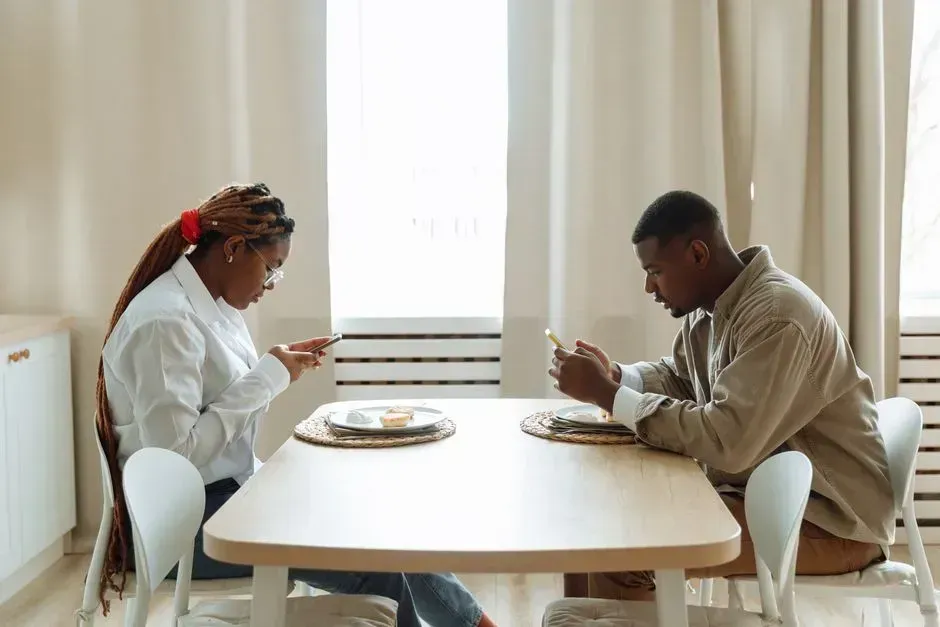
A bid is any small attempt to get attention or affection. It might be pointing out a bird outside the window, sharing a funny headline, or reaching for a hand. Partners who struggle often stop noticing these moments, or they respond with a grunt and keep scrolling.
In a well known study of newlyweds, couples who were still married six years later had turned toward each other’s bids the vast majority of the time. Couples who later divorced did so only about one third of the time. These moments look trivial, yet over years they decide whether partners feel like teammates or housemates.
Waiting Too Long to Get Help

Many therapists notice that couples show up late, often when resentment has hardened. Gottman has stated that the average couple waits about six years before seeking help for relationship problems. By then, negative interpretations of each other’s behavior tend to be deeply set.
Research on couples therapy, including approaches like Emotionally Focused Therapy and the Gottman Method, shows meaningful improvement for many couples, though results vary. Starting sooner generally gives both people more goodwill to work with. A rough patch that gets attention early is usually much easier to repair than one left alone for years.

Leave a Reply