
Most of us assume attraction or genuine interest announces itself with words. In practice, it often leaks out sideways, through small habits that people barely notice they have.
Researchers who study nonverbal communication have spent decades cataloguing these cues. The findings are useful, though they come with a caveat: no single signal proves anything, and context matters a great deal.
Sustained Eye Contact

Looking at someone is one of the most dependable signs of attention. Studies of social interaction have long linked mutual gaze with engagement and liking, and people tend to look longer at those they find appealing or interesting. A glance that lingers a second past comfortable is usually worth noticing.
Still, culture and personality change the picture. Some people avoid eye contact because they’re shy, anxious, or neurodivergent, and in some cultures prolonged direct gaze can feel rude. Treat it as one clue rather than a verdict.
Turning the Body Toward You

Posture often tells the truth before speech does. When someone is engaged, their torso, feet, and shoulders tend to point toward the person they’re focused on. Feet are especially telling, since people rarely monitor them.
Leaning in slightly during conversation works the same way. It narrows the distance and signals that the listener doesn’t want to miss anything. A body angled toward the exit, on the other hand, usually suggests attention is elsewhere.
Mirroring Your Movements

Psychologists call it the chameleon effect: people unconsciously copy the posture, gestures, and speech patterns of those they feel rapport with. The classic research on this, by Tanya Chartrand and John Bargh in 1999, found that mimicry made interactions feel smoother and increased liking. It happens without planning.
You might spot it when a friend picks up their drink just after you do, or adopts your pace of speaking. It’s a gentle sign of connection. Forced or exaggerated copying, though, tends to read as odd rather than warm.
Remembering the Small Details
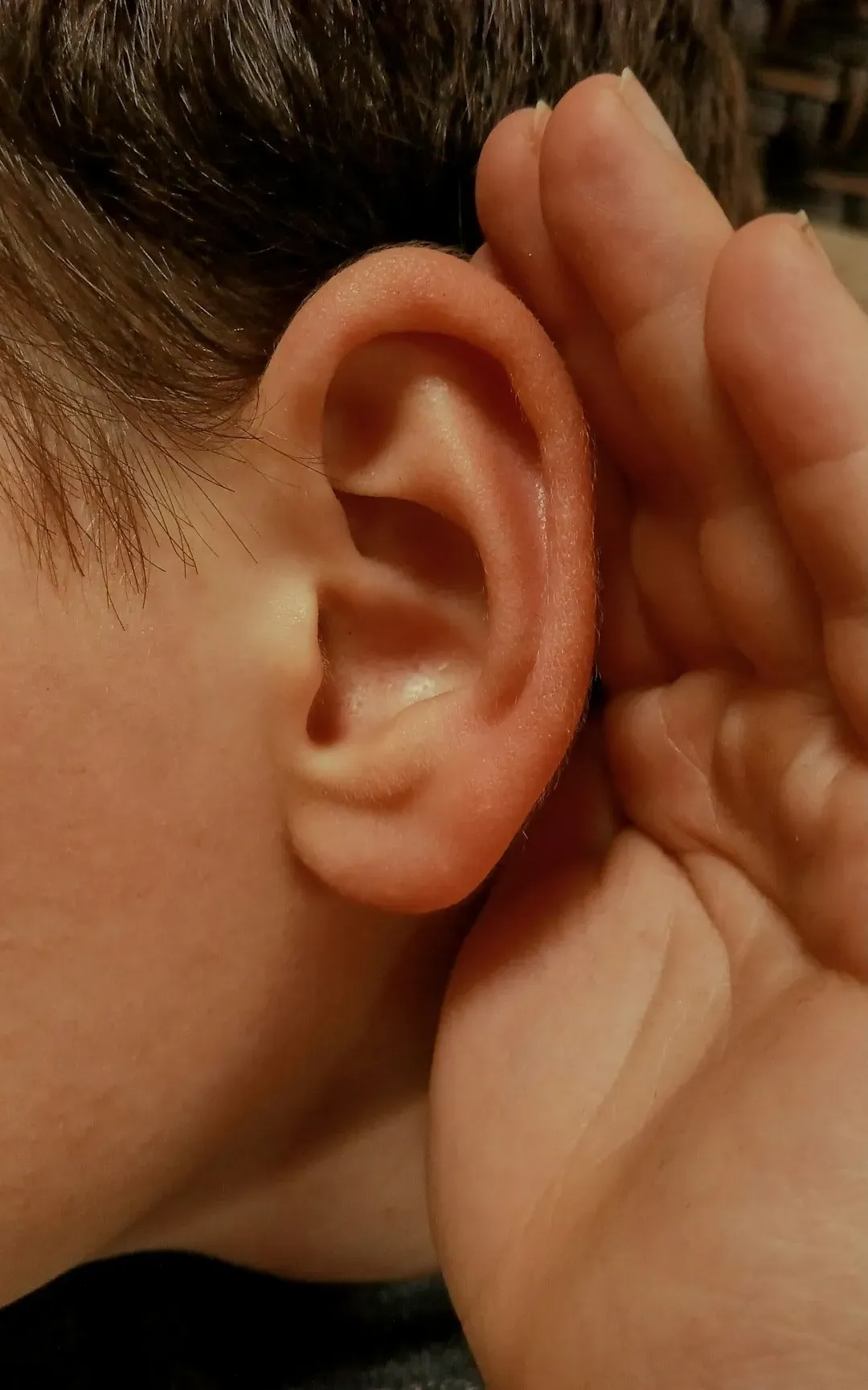
Attention shows up in memory. If someone recalls the name of your dog, your upcoming trip, or the project you mentioned weeks ago, they were genuinely listening. Remembering is effortful, so it’s a quiet form of investment.
This works in friendships and workplaces as much as in romance. Following up on something you said in passing says more than a generic compliment ever could. People rarely do it for those they don’t care about.
Finding Reasons to Be Near You

Interested people create proximity. They linger after a meeting, drift over to your desk, or suddenly happen to take the same route. Research on proxemics, the study of personal space, shows that people move closer to those they feel comfortable with and drawn to.
One instance proves little, but a pattern says more. If someone keeps arranging small overlaps in your day, it’s rarely accidental. Pay attention to who makes the effort.
Responding Quickly and Consistently in Messages

In digital communication, behavior fills the space body language leaves empty. Fast replies, longer messages, questions that keep the thread alive, and starting conversations without prompting all suggest enthusiasm. Messaging researchers have noted that people often match the effort of those they value.
Speed alone isn’t the signal, though, since busy people reply slowly for ordinary reasons. Consistency and curiosity count for more. Someone who asks follow-up questions is usually engaged.
Showing Genuine Curiosity About Your Life
Interest in a person tends to become interest in their world. They ask about your work, your family, your opinions, and they actually wait for the answer. Studies on conversation have found that people who ask follow-up questions are generally liked more by their partners.
Look at the quality of the questions, not just the quantity. Open-ended ones, like asking why you chose something, show real attention. When curiosity is paired with relaxed, warm body language, it’s among the clearest signs available.

Leave a Reply