• Skip to primary navigation
  • Skip to main content
  • Skip to primary sidebar
  • Recipes
  • Busy Bee Free Printables
  • Travel
  • Magazine

Our WabiSabi Life

menu icon
go to homepage
  • Recipes
  • Crafts and Printables
  • Travel
  • Magazine
  • About
    • Featured On
    • Meet the Team
    • Facebook
    • Instagram
    • Pinterest
    • TikTok
    • Twitter
    • YouTube
  • subscribe
    search icon
    Homepage link
    • Recipes
    • Crafts and Printables
    • Travel
    • Magazine
    • About
      • Featured On
      • Meet the Team
    • Facebook
    • Instagram
    • Pinterest
    • TikTok
    • Twitter
    • YouTube
  • ×
    Home » Magazine

    8 Dog Treat Ingredients Veterinary Nutritionists Suggest Checking on the Label

    By Debi Leave a Comment

    This post may contain affiliate links. I receive a small commission at no cost to you when you make a purchase using my link. As an Amazon Associate, I earn from qualifying purchases. This site also accepts sponsored content

    A treat bag can look wholesome from across the pet aisle. Photos of roasted chicken, a leaf or two, and words like premium or artisan all suggest something good is inside. The back panel often tells a different story.

    Veterinary nutritionists and vets tend to agree on a short list of things worth reading before a treat goes in the cart. These eight ingredients and label details are the ones that come up most often.

    A Named Protein in the First Spot
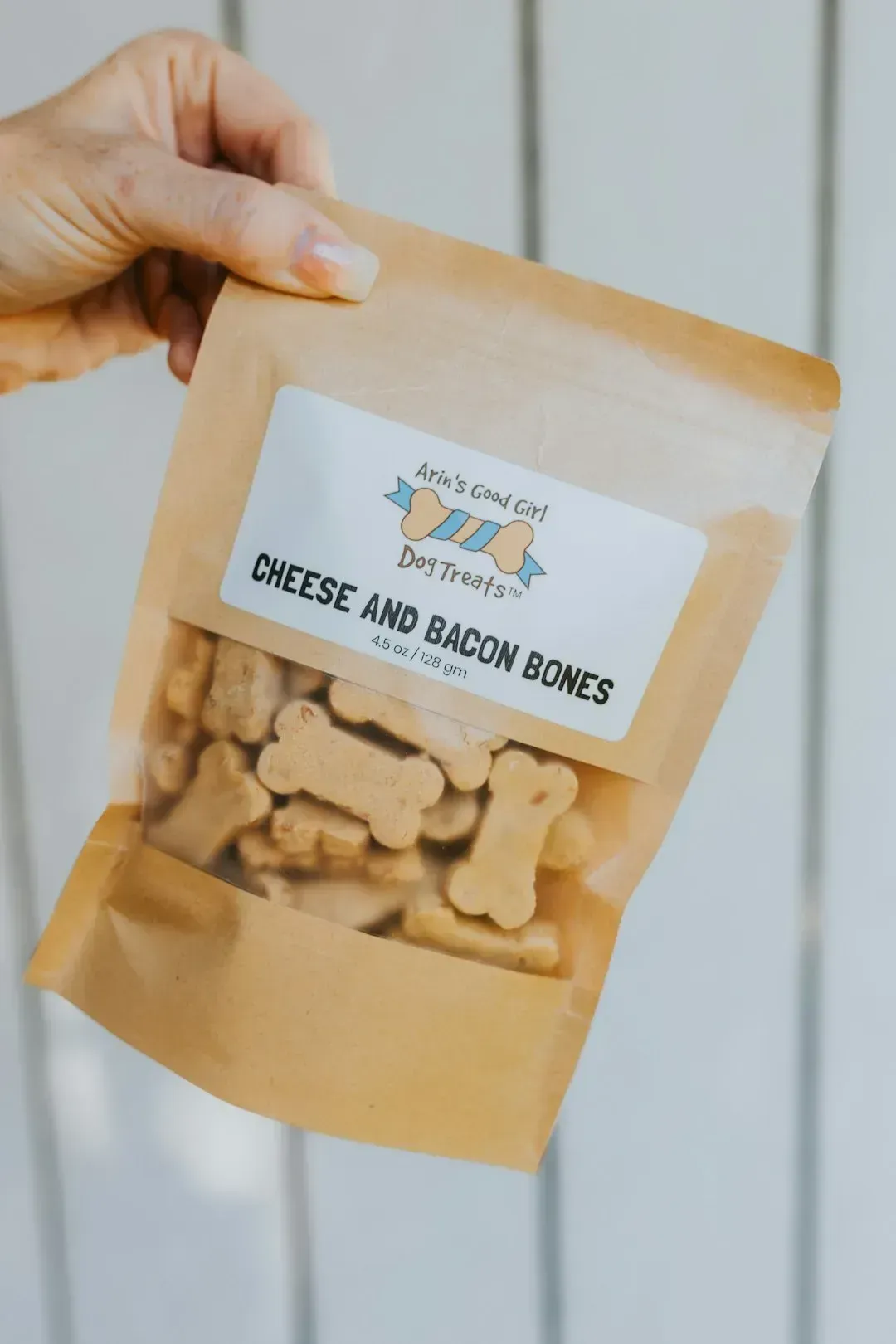
    A Named Protein in the First Spot (Image Credits: Unsplash)
    A Named Protein in the First Spot (Image Credits: Unsplash)

    Ingredients are listed in descending order by weight, so the first entry is the most abundant. Look for treats where a named protein source, like chicken or beef, is listed first. A specific animal tells you far more than a loose category does.

    Whole meat can also carry a lot of water weight, which is why the rest of the list still matters. Still, a recognizable protein at the top is a sensible starting point. A filler sitting ahead of the meat is the opposite signal.

    Sugars Hiding Under Several Names

    Sugars Hiding Under Several Names (Image Credits: Pexels)
    Sugars Hiding Under Several Names (Image Credits: Pexels)

    Sugar rarely shows up as one big line item. A manufacturer can break one cheap ingredient into several forms, such as corn syrup, dextrose, fructose and molasses. Each piece then lands lower on the list.

    Picture chicken listed first, followed by corn syrup, dextrose, corn starch and fructose. Added together, the sugar based ingredients could easily outweigh the chicken. Scan the whole list, not just the top line.

    Xylitol

    Xylitol (Image Credits: Pexels)
    Xylitol (Image Credits: Pexels)

    This one is simple. Xylitol is a common artificial sweetener that is toxic to dogs and should be avoided entirely. It turns up in some human foods, so it matters most if you share snacks or bake at home.

    A purpose made dog treat shouldn’t contain it, but checking costs a few seconds. If you ever see it listed on a treat label, put the bag back. If your dog gets into a product containing it, call your vet right away.

    Artificial Preservatives Like BHA, BHT and Ethoxyquin

    Artificial Preservatives Like BHA, BHT and Ethoxyquin (Image Credits: Pixabay)
    Artificial Preservatives Like BHA, BHT and Ethoxyquin (Image Credits: Pixabay)

    Preservatives keep treats shelf stable, and some are more debated than others. BHA, BHT and ethoxyquin extend shelf life, and some sources raise potential health concerns, including links to cancer. The evidence is argued over, which is why many owners simply choose a different option.

    The easier path is to look for the alternatives. Natural preservatives such as tocopherols (vitamin E) or rosemary extract are worth looking for instead. Ethoxyquin is a particular one to watch, since it may not even appear on the label. Brands that say they don’t use it are giving you more to go on.

    Artificial Colors and Flavor Enhancers
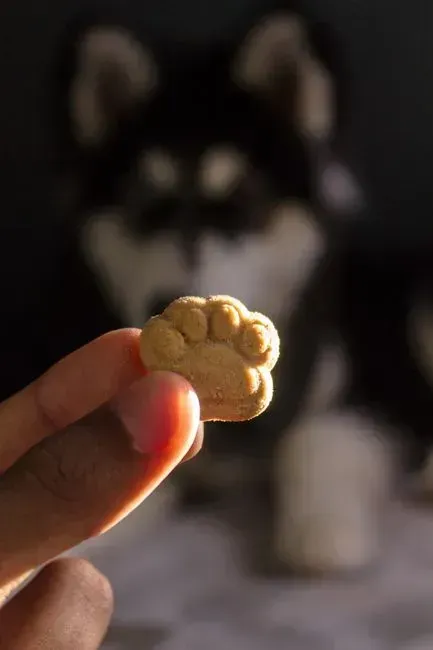
    Artificial Colors and Flavor Enhancers (Image Credits: Pexels)
    Artificial Colors and Flavor Enhancers (Image Credits: Pexels)

    Dogs don’t care what color a biscuit is. Owners do, and that’s who the dye is for. Red 40, Blue 2 and synthetic flavor enhancers make treats look or taste more appealing but add no nutritional value.

    There’s also a modest health argument. Some artificial colors have been associated with allergic reactions or hyperactivity in pets. The research here is not strong, but since the dye does nothing for your dog, skipping it costs nothing.

    Vague Terms Like Animal Digest
    Vague Terms Like Animal Digest (Image Credits: Pexels)
    Vague Terms Like Animal Digest (Image Credits: Pexels)

    Specific beats generic. Listing meat or animal protein is too vague for owners to know what they’re feeding. Vets and nutritionists look at whether proteins are clearly named, and whether meals or byproducts are used appropriately.

    Position matters too. A vague term like animal digest near the top of the list is a reason to skip the treat. Regulated pet food labeling also requires that ingredients are listed by their common or usual name, so mystery wording deserves a second look.

    Cheap Fillers Such as Corn, Wheat and Soy

    Cheap Fillers Such as Corn, Wheat and Soy (Image Credits: Pexels)
    Cheap Fillers Such as Corn, Wheat and Soy (Image Credits: Pexels)

    Grains aren’t villains, and many dogs digest them fine. The concern is with treats built mostly on them. Fillers like corn, soy and wheat bulk up treats at a lower cost with minimal nutrition, and may contribute to weight gain or trigger allergies in some dogs.

    Watch for the same grain appearing in different forms. Corn meal, corn gluten and corn starch are all corn. If your dog has a known food allergy, this is the place to read most carefully.

    Calories Per Treat

    Calories Per Treat (Image Credits: Pexels)
    Calories Per Treat (Image Credits: Pexels)

    This isn’t an ingredient, but nutritionists often bring it up with ingredients. A treat can have a spotless list and still be calorie dense. A calorie count per treat is more useful than one per 100 grams, which requires more math.

    Pet food labels are expected to show calorie content, expressed in kcal ME/kg and per familiar unit. Small dogs feel the effect of a few extra treats quickly. Checking calories keeps rewards from quietly turning into a second meal.


    More Magazine

    • 6 Home Coffee Brewing Methods Baristas Compare by Cost and Taste
      6 Home Coffee Brewing Methods Baristas Compare by Cost and Taste
    • 11 Regional Sandwiches From Across the U.S. and the Cities Where They Started
      11 Regional Sandwiches From Across the U.S. and the Cities Where They Started
    • 8 Requests Bridesmaids Say They’d Rather Couples Didn’t Make
      8 Requests Bridesmaids Say They’d Rather Couples Didn’t Make
    • How Couples Split Household Chores Has Changed Since the 1980s, Surveys Show
      How Couples Split Household Chores Has Changed Since the 1980s, Surveys Show

    Reader Interactions

    Leave a Reply Cancel reply

    Your email address will not be published. Required fields are marked *

    Recipe Rating


    Primary Sidebar

    Hi, I'm Debi!

    Welcome to my world. I am a 40 something year old mom to a lot of kids and a lot of pets. When I am not busy with the kids, grandkids, or animals, I love to do crafts and read.

    I love to knit and can often be found working on a project.

    More about me →

    We are a participant in the Amazon Services LLC Associates Program, an affiliate advertising program designed to provide a means for us to earn fees by linking to Amazon.com and affiliated sites.

    Popular

    • easy funnel cake
      Easy Funnel Cake Recipe Without Milk
    • Best Old Fashioned Chocolate Buttercream Frosting Recipe
    • Halloween Oreos dipped in colorful candy melts and decorated with candy eyes and festive Halloween sprinkles.
      Halloween Oreo Cookies for a Colorful No-Bake Treat
    • Free Build A Crab Craft Printable

    As seen in

    Footer

    ↑ back to top

    About

    • Privacy Policy
    • Accessibility Policy

    Newsletter

    • Sign Up! for emails and updates

    Contact

    • Contact
    • Media Kit

    AS AN AMAZON ASSOCIATE, I EARN FROM QUALIFYING PURCHASES.

    Our WabiSabi Life is licensed under a Creative Commons Attribution-NonCommercial-ShareAlike 3.0 Unported License.

    Buy fashion girls boots from DHgate.com

    EHS Online Middle School for grades 6-12

    Copyright © 2026 ·Our Wabi Sabi Life· ALL RIGHTS RESERVED

    We use cookies to ensure that we give you the best experience on our website. If you continue to use this site we will assume that you are happy with it.