
A dog under the desk can change the mood of a whole floor. Surveys of workers keep pointing the same way. Seventy percent of people in a Royal Kennel Club survey said dogs ease stress at work, and 67 percent said they make the atmosphere friendlier.
That goodwill isn’t automatic, though. It depends on how well each dog and owner fit into a shared space. These eight habits help keep an office dog welcome.
Get Clear Permission Before Anyone Gets a Tail Wag
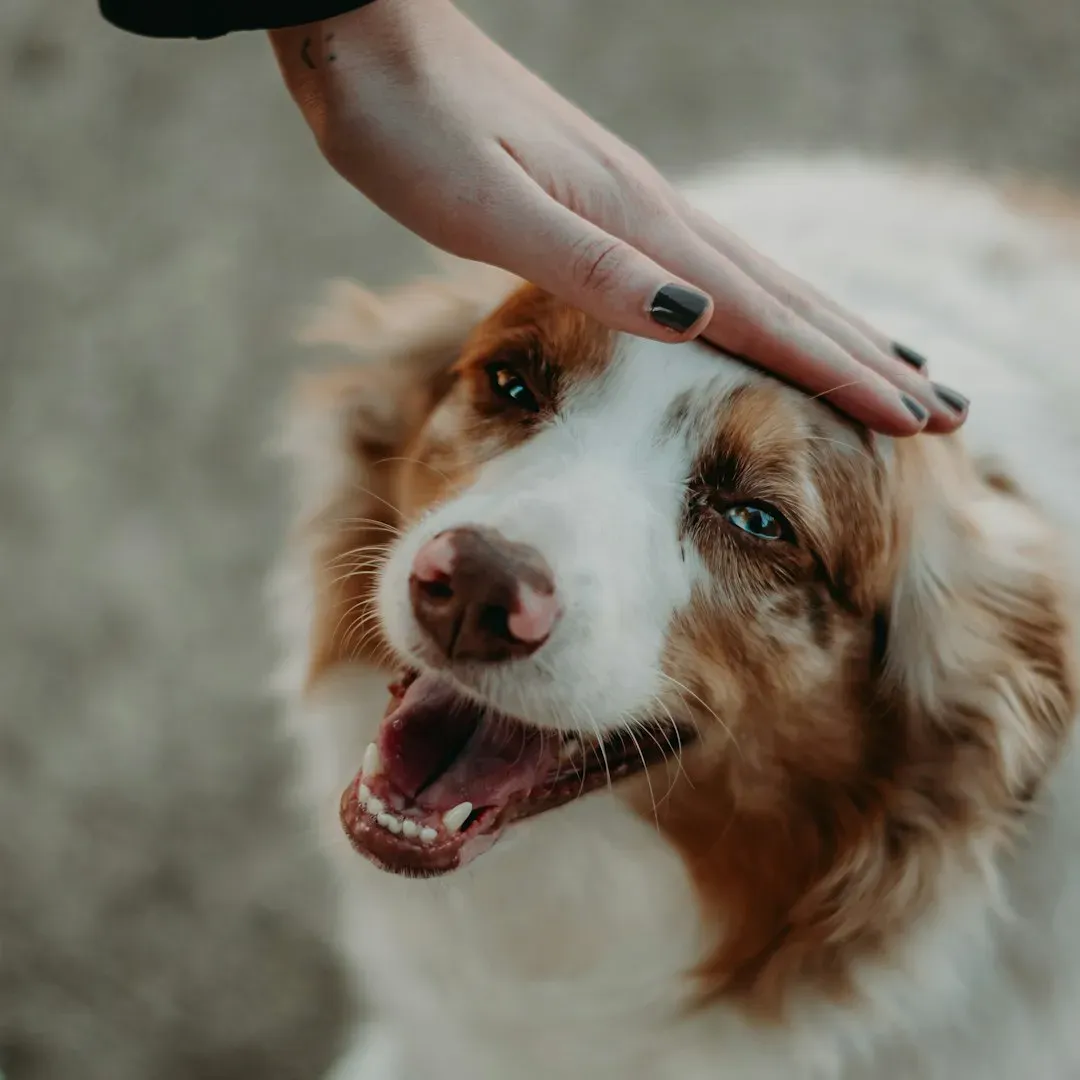
Start with the written policy. Workplaces differ a lot, and not every dog-friendly employer lets dogs into every area, and some cap how many pets can come in on a given day. Check the rules on room access, dog numbers and any approval steps before you plan a first visit.
If the rules don’t exist yet, ask your manager and, where relevant, your landlord or building management. A quick email with your dog’s vaccination status and your plan for the day shows you’ve thought it through. Arriving with permission already in hand is a far better start than asking forgiveness later.
Check In With Coworkers Who May Not Be Dog Fans
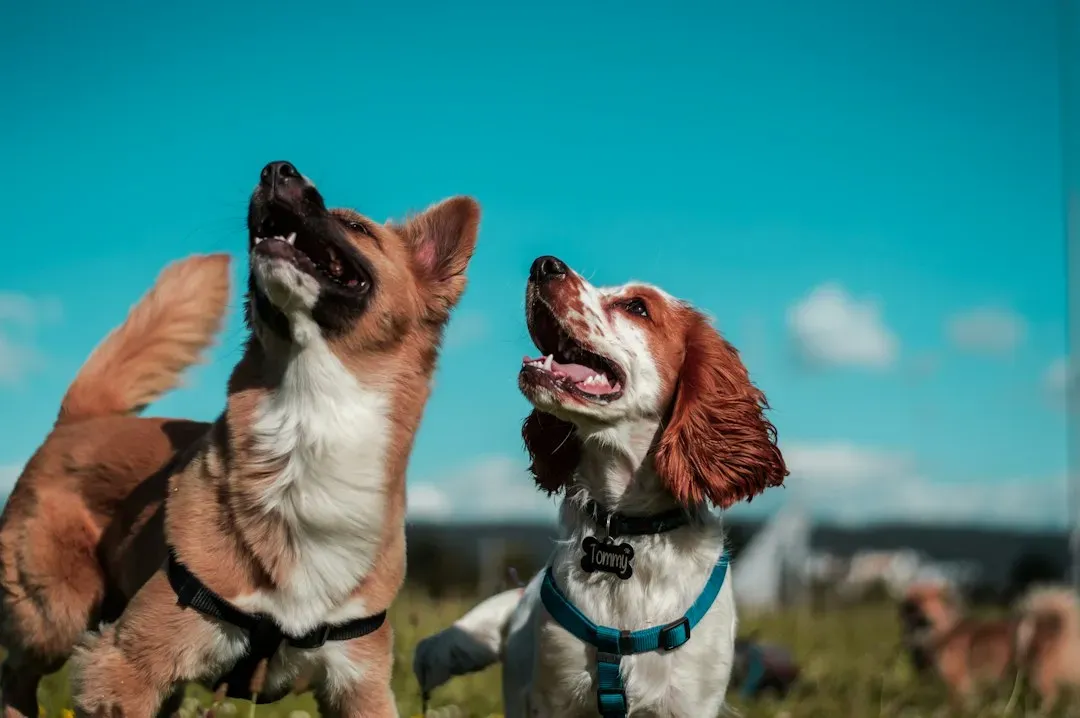
Some people have allergies. Others are frightened of dogs. Office guides note that some colleagues have dog allergies or fear dogs, and a lovable pet doesn’t change that.
Talk to the people sitting closest to you before your dog’s first day. Offer a workable setup, such as a gate, a bed on your side of the desk, or a day when your dog stays home. Keep it flexible, because a colleague’s comfort should come before your dog’s presence.
Make Sure Your Dog Is Trained for a Shared Space
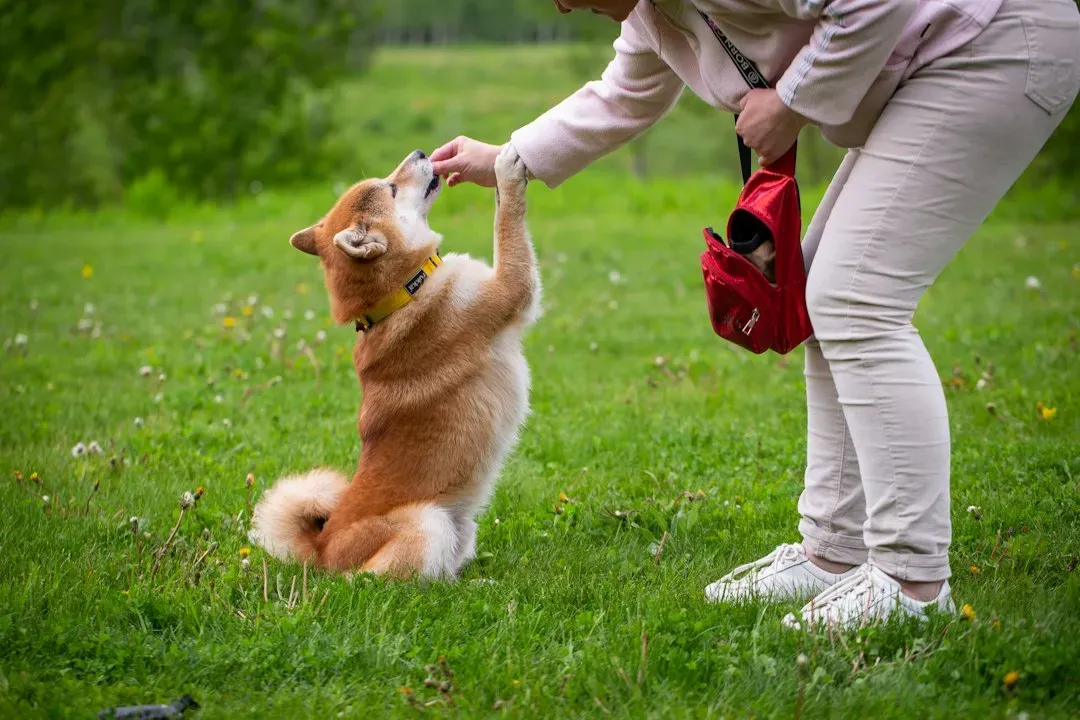
Basic manners matter more here than at home. A trainer quoted in a Built In piece warned that poorly trained office dogs can hurt productivity. Constant wandering, barking or digging through a trash can wears on everyone nearby.
Sit, stay, leave it and a reliable settle on a mat cover most of what an office needs. Practice at a café or a quiet park first, since the noise, strangers and new smells of an office are a different test. If your dog struggles, a trial afternoon is better than a full day.
Keep Health, Hygiene and Vaccinations Up to Date
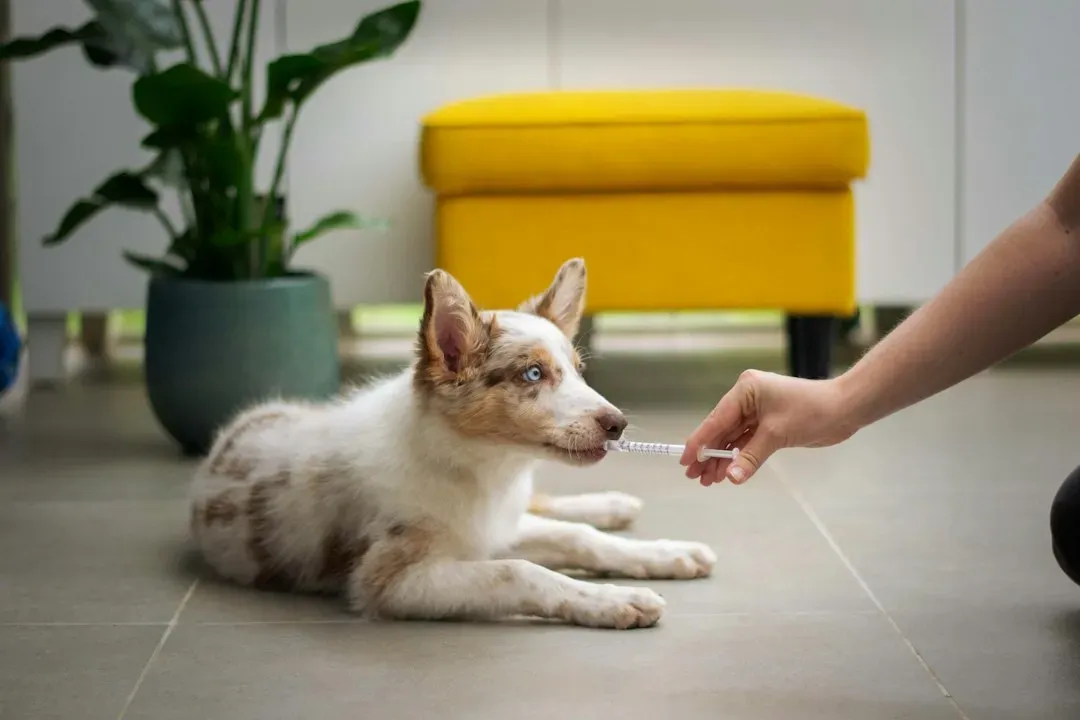
A shared workplace carries a few health risks. Built In lists disease transmission, slips and falls, and employee discomfort as risks of a dog-friendly office. Current vaccines, flea and tick prevention and regular grooming reduce most of them.
Don’t bring a dog that’s sick, in heat or recovering from an upset stomach. Pack waste bags, wipes and a towel for wet days, and clean up accidents right away and properly. Shedding on shared chairs and carpets is a common complaint, so brush your dog at home first.
Set Up a Designated Dog Spot
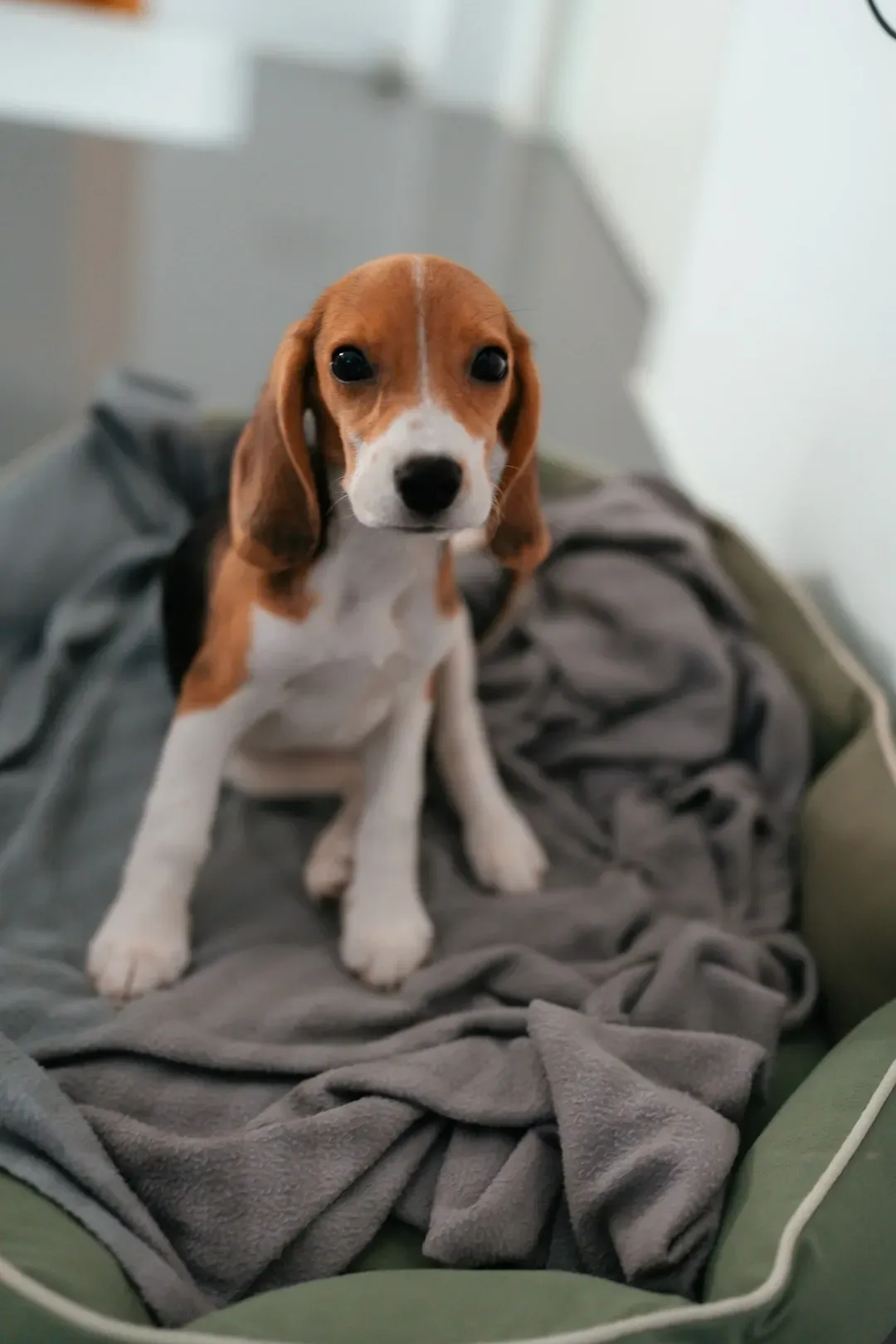
Give your dog a place of its own, ideally a bed or crate near your desk and away from walkways. A settled dog sleeps. A dog without a base tends to patrol the room and greet everyone.
Bring a few quiet items such as a chew toy, a water bowl and a blanket that smells like home. Keep cords, cables and snacks out of reach, since offices are full of chewable hazards. Keep the dog out of kitchens and shared food areas as well.
Plan Regular Bathroom and Exercise Breaks
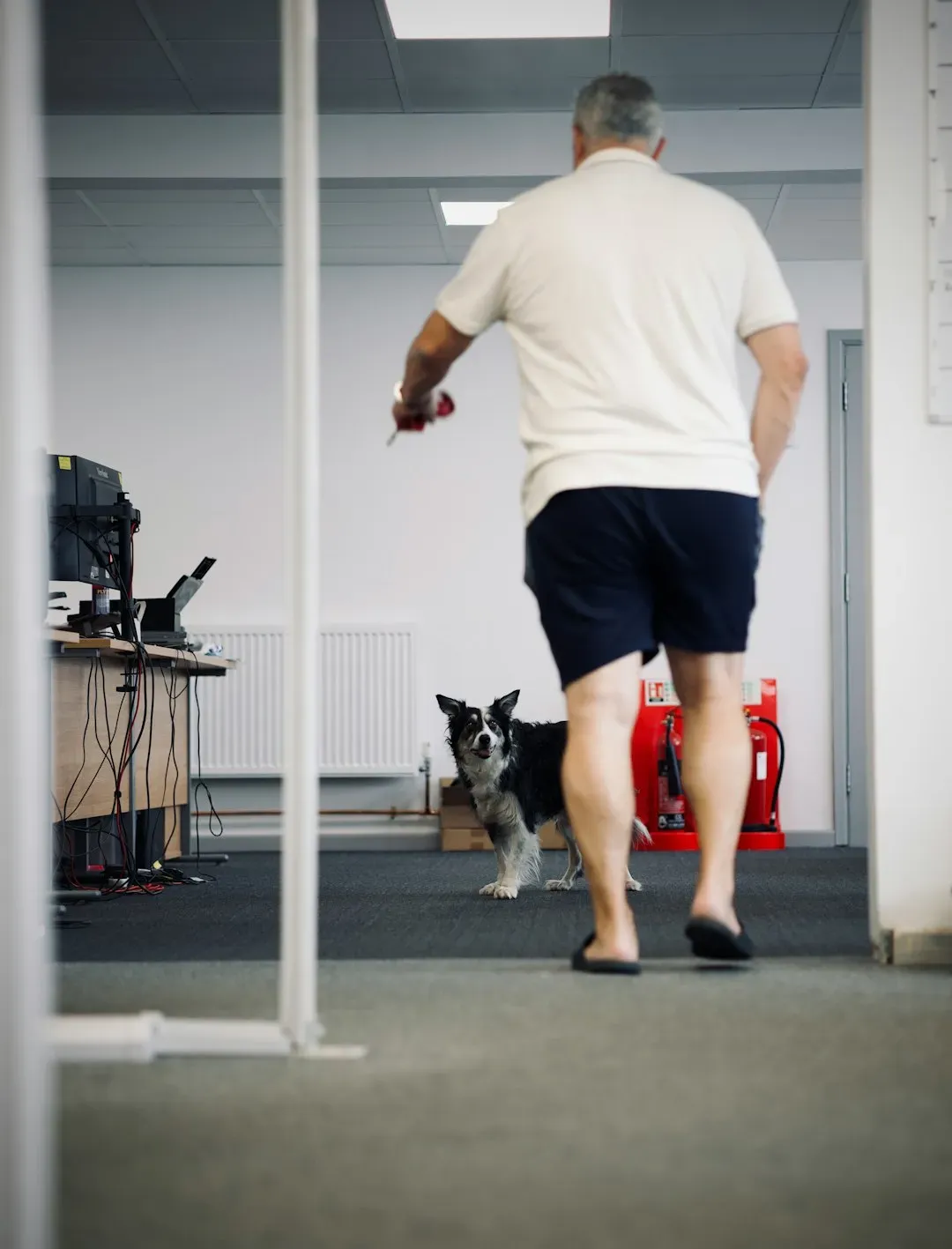
A tired dog is usually an easy office guest. Walk your dog before work and again at lunch. An office dog can serve as a natural reminder to take a break or go for a walk. That helps you as much as the dog.
Learn your dog’s rhythm and head out before it has to ask. Know the closest patch of grass and pick up after every walk, including on the pavement outside. A predictable routine keeps accidents indoors rare.
Manage Greetings, Noise and Meetings

Not everyone wants a hello from your dog. Ask before letting it approach anyone, and don’t let it jump up on visitors or take food from desks. Keep it on a leash in common areas unless your workplace says otherwise.
Be realistic about your calendar too. If you have a client call, a long presentation or a visitor-heavy day, leave the dog home or arrange cover. A dog that barks at a delivery driver is a small distraction, but one that interrupts an important meeting can cost you goodwill.
Watch Your Dog’s Stress Signals and Know When to Go Home
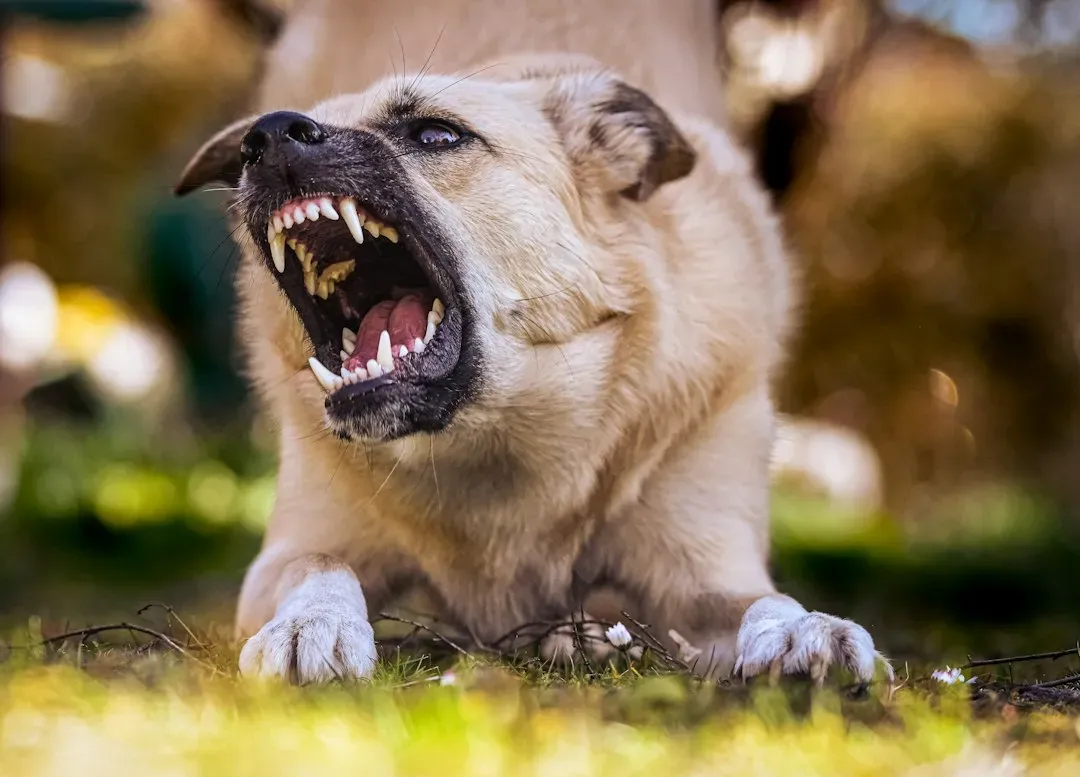
Your dog needs to be comfortable too. Yawning, lip licking, hiding, panting without heat or refusing to settle can all signal that the day is too much. Heading home early is the considerate choice for everyone.
Not every dog suits an office, and that’s fine. Puppies, anxious dogs and highly reactive ones may do better elsewhere. If the arrangement works, you gain something real: fewer worries about separation anxiety and no pet care costs. Keep that balance in mind and your dog is more likely to stay welcome.

Leave a Reply