
1. Overgrown Trees and Shrubs Pressing Against the House
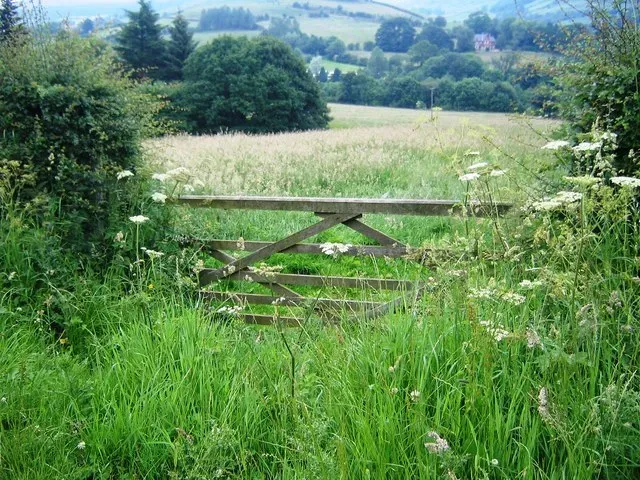
A tree or shrub that seemed like a nice idea a decade ago can turn into a real liability once branches start scraping siding and roots start creeping toward the foundation. Planting trees or large shrubs near a home for shade and privacy can cause long-term issues, since roots can damage foundations, branches can scratch siding, and dense shrubs can block airflow, leading to mold or pest problems. Buyers who spot this during a walkthrough tend to mentally tally future repair bills before they’ve even reached the front door.
The visual effect matters just as much as the structural one. Large, untrimmed trees and unruly shrubs can make a home appear neglected, blocking natural light and hiding architectural features while creating safety hazards. A simple trim job often fixes what years of growth quietly ruined, but plenty of sellers never get around to it until a buyer points it out first.
2. A Patchy, Weed-Choked Lawn
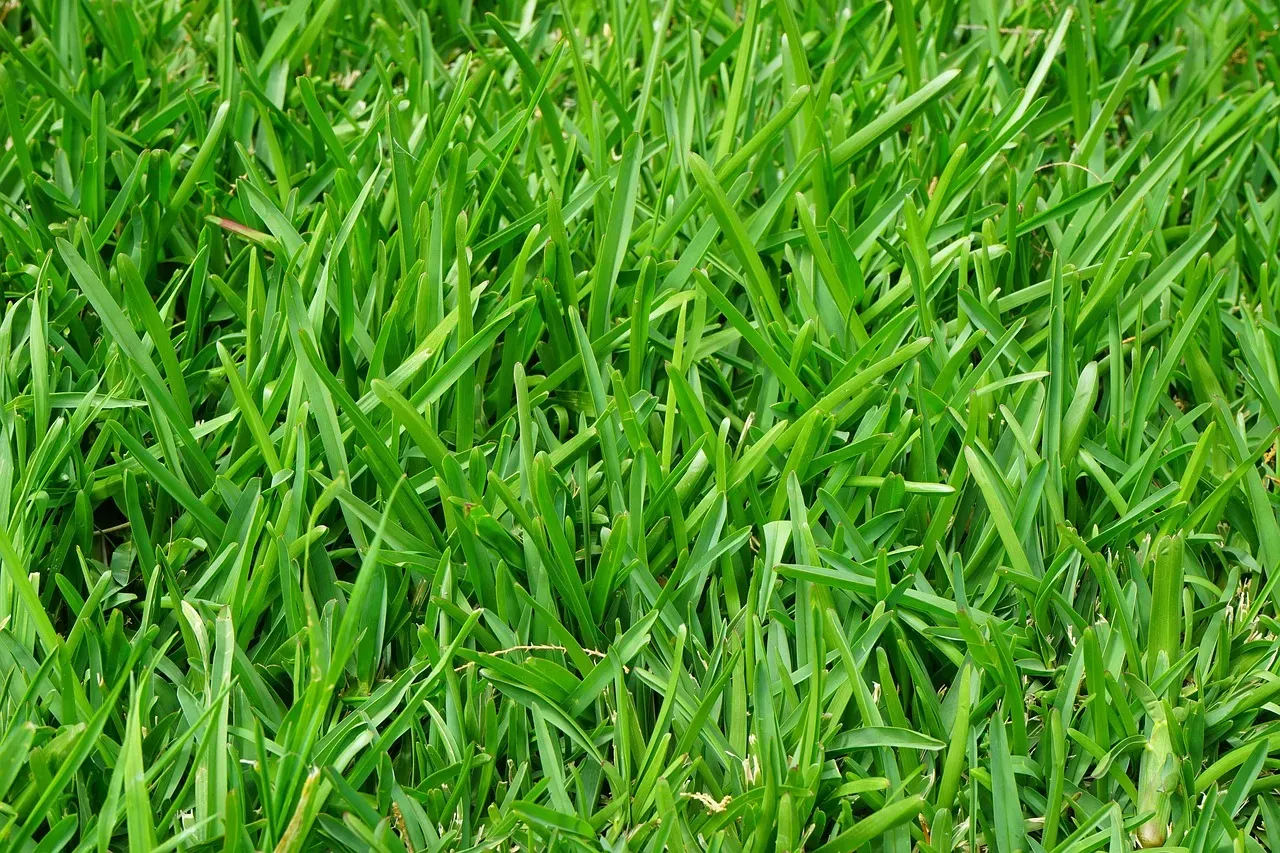
Nothing signals “nobody’s been paying attention here” faster than a lawn full of bare spots and crabgrass. A patchy, weed-filled lawn is more than just an eyesore, it signals neglect, and buyers and appraisers often judge a property’s overall care by its front yard. It’s an unfair shortcut in some ways, but it’s also a remarkably consistent one across markets.
The problem tends to snowball too. Tall grass blocks sunlight from reaching the soil, weakening turf and allowing weeds to thrive, while poor lawn health can also invite pests, and once weeds dominate, restoration costs climb quickly, making the home harder to sell at full price. Realtors consistently rank basic lawn care among the cheapest, highest-impact fixes a seller can make before listing.
3. Swapping Real Grass for Artificial Turf
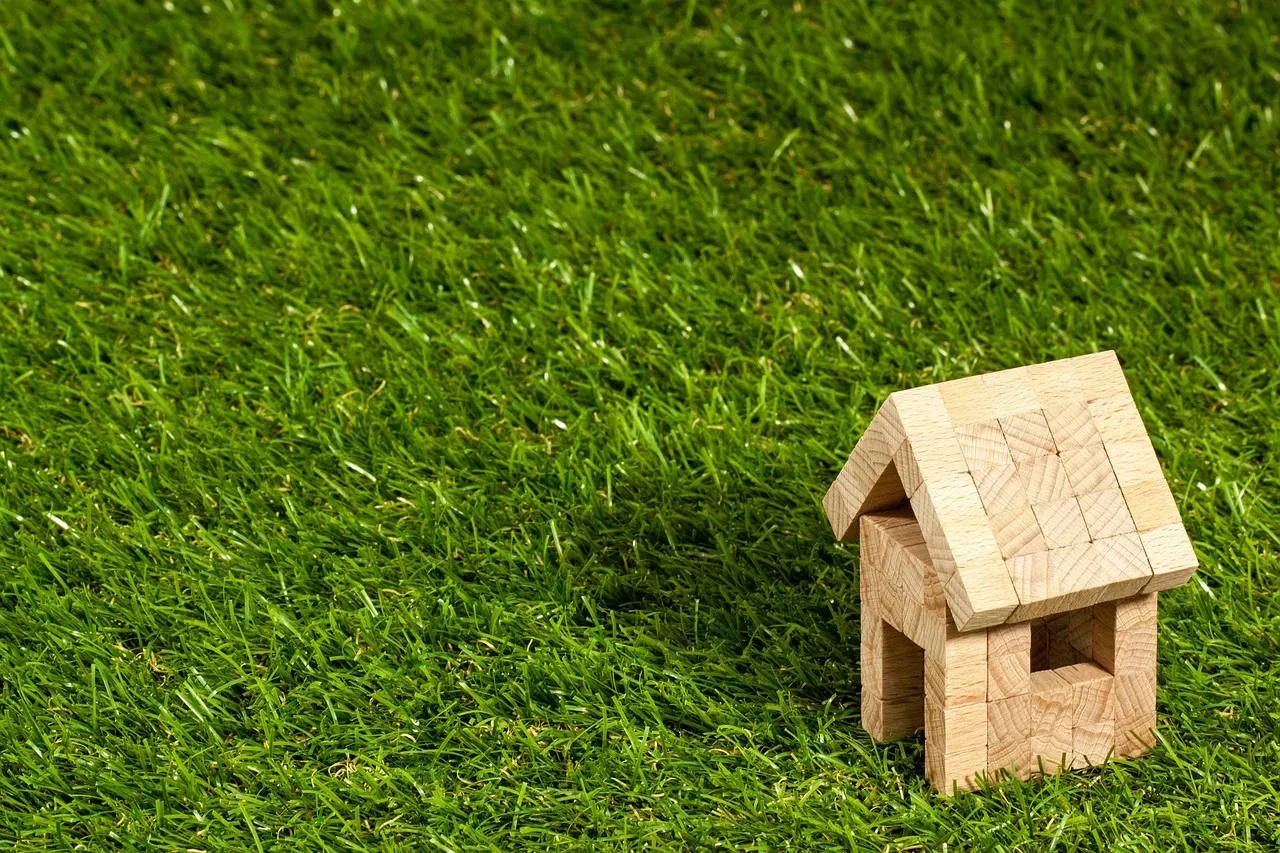
Synthetic lawns get pitched as the low-maintenance dream, but plenty of buyers see it differently. While artificial turf may seem like an easy-maintenance solution, it can actually hurt resale value, since many buyers prefer the natural look and feel of real grass, and some homeowners’ associations even ban artificial turf altogether. It reads as artificial in more ways than one, and in certain regions it can even trigger HOA compliance headaches for a buyer before they’ve unpacked a single box.
For sellers chasing low upkeep without the turf tradeoff, there are gentler paths. Drought-resistant grass varieties, ground cover plants, or a mix of native landscaping look more natural and won’t deter potential buyers. The goal is a yard that still feels alive, not one that looks shrink-wrapped.
4. Piling On Too Much Hardscaping
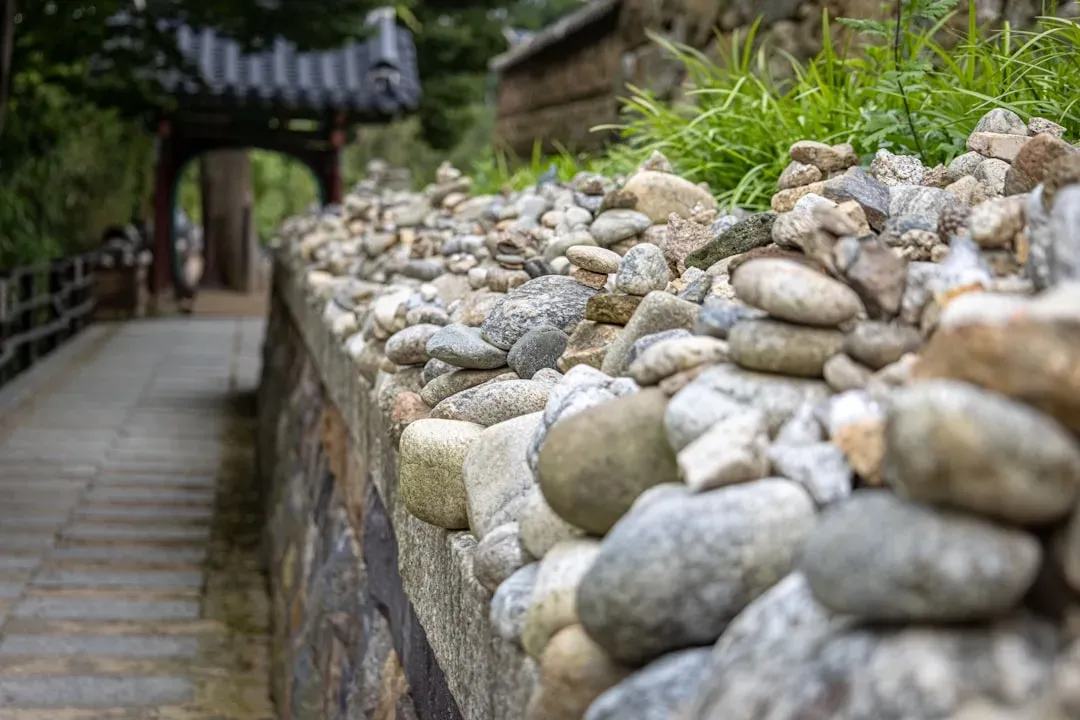
Patios, retaining walls, fire pits, and paved walkways all add function, until there’s so much concrete and stone that the yard stops feeling like a yard. Walkways, retaining walls, fire pits, and water features can add character, but if they dominate the space, the yard can feel crowded and less welcoming, leaving little room for future owners to make the space their own. Buyers generally want to picture their own life in a space, not inherit someone else’s finished vision down to the last paver.
Balance is really the operative word here. If a landscape doesn’t complement the home’s architecture, it can lower curb appeal and resale value. A yard that’s three quarters concrete tends to feel less like an amenity and more like a maintenance project waiting to happen for the next owner.
5. High-Maintenance, Show-Off Gardens

Elaborate flower beds and rare plant collections might be a labor of love for the current owner, but they can look like a chore to everyone else. High-maintenance landscaping, like exotic plants, extensive flower beds, and climbing vines, can quickly become overwhelming for the average homeowner and may deter potential buyers who view it as a time-consuming chore rather than a visual asset. Most house hunters aren’t shopping for a part-time gardening job.
Real estate professionals see this pattern often enough to have a name for it. Homeowners who go too far with elaborate gardens run the risk of scaring off potential buyers, who may feel overwhelmed by the time, money, and effort needed to maintain such a showpiece and pass on the property. Simpler, sturdier plantings usually sell the story better than a botanical showcase ever could.
6. Landscaping That Doesn’t Match the House or the Region
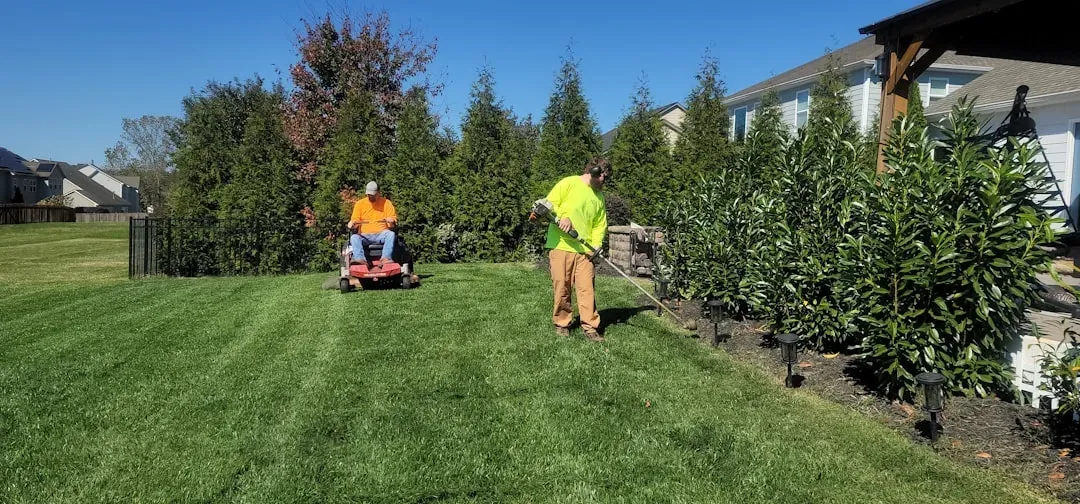
A rock garden looks striking in the high desert and out of place on a shaded New England lot. Landscaping styles that don’t fit the home or neighborhood, like a rock garden in New England or formal designs around a Cape Cod, will detract from its overall appeal. It’s not that the design is bad on its own, it just clashes with what buyers expect to see when they pull up.
The same logic applies to overly personal touches. Overly personal or extreme landscaping, like exotic plants, excessive rock gardens, or unusual color schemes, can , and a classic, well-maintained look with a balance of greenery and hardscaping tends to attract more buyers. Neutral, regionally appropriate choices simply cast a wider net.
7. Steep Slopes and Retaining Walls Buyers Didn’t Ask For
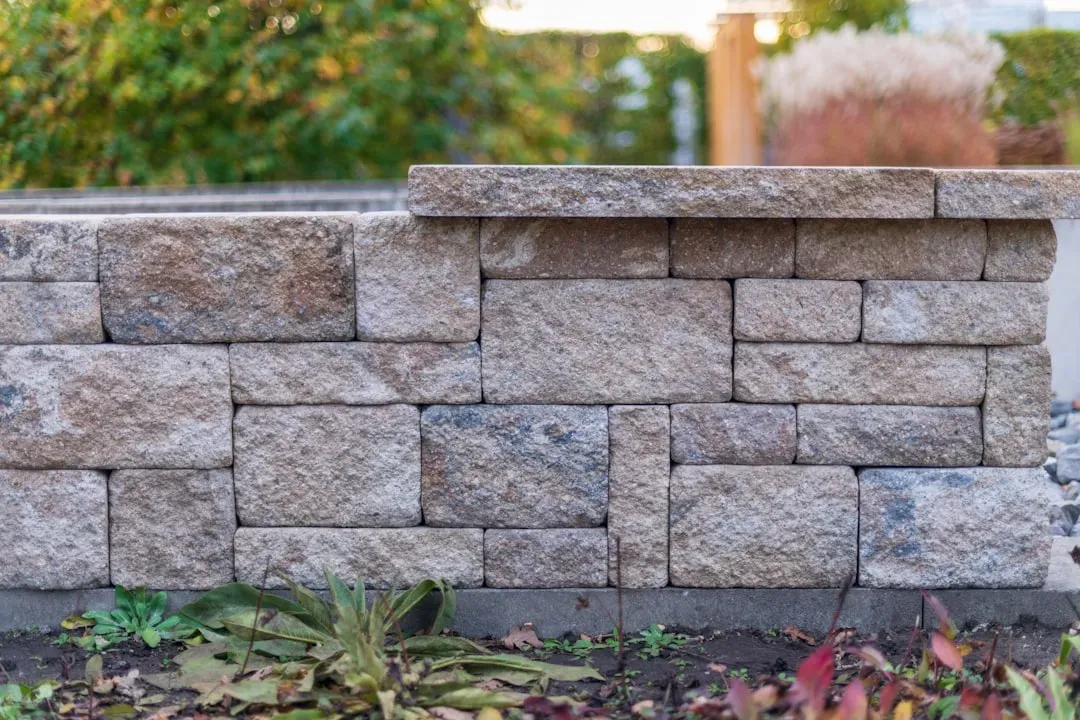
Not every landscaping problem starts with plants. Grading issues and dramatic slopes can quietly push families away from an otherwise solid property. A house on a hill or sloping yard can deter some shoppers, especially those with children looking for safety and level space to run around, and retaining walls that help achieve flat yards are among the most expensive exterior improvements. Buyers touring in person often clock this within seconds of stepping out of the car.
Drainage compounds the issue further. Erosion is another consideration for sloped properties, and if the slope pitches toward the house, drainage and stormwater management become an added concern. A yard that pools water after every rain tends to raise questions about the foundation long before an inspector ever shows up.
8. Neglected Patios, Decks, and Outdoor Living Spaces
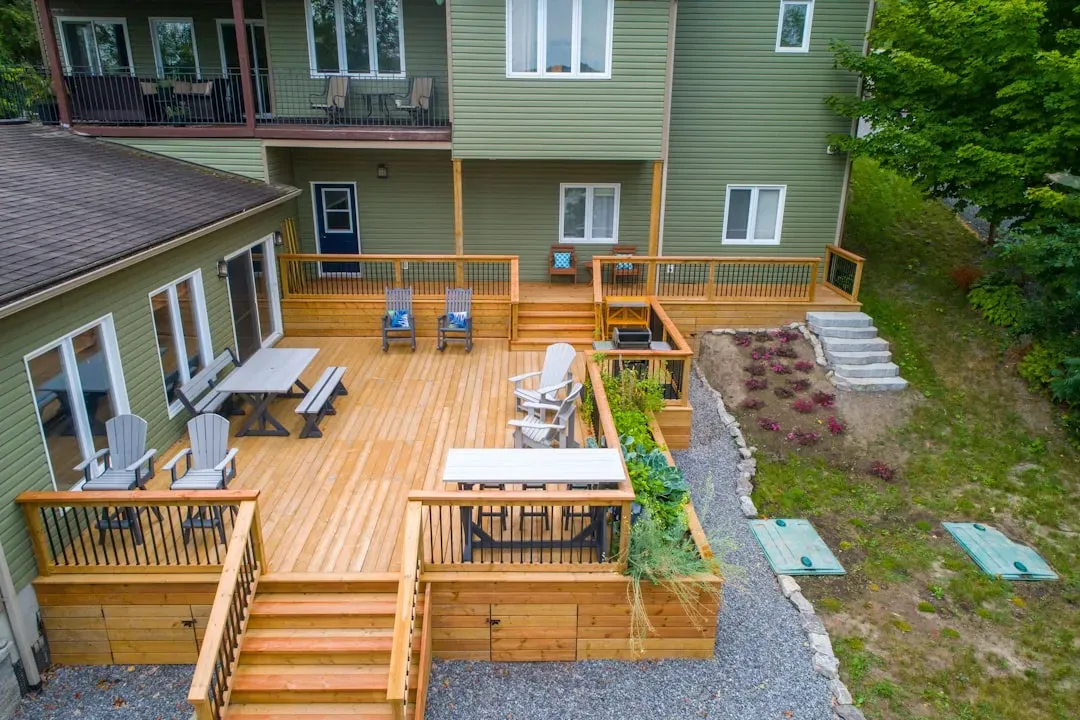
Outdoor rooms are supposed to be a selling point, but a rotting deck or a moss-covered patio flips that script fast. Outdoor living spaces add significant value, but only if they look safe, clean, and inviting, since a patio covered in moss, a deck with splintering boards, or cracked concrete slabs can quickly turn this potential asset into an eyesore. What could have been a highlight of the showing instead becomes a liability line item in a buyer’s head.
The safety angle raises the stakes even higher. Rotting or broken wood on a deck can make it unattractive and unsafe, and improper sealing and waterproofing can result in rot, which might later cause mold and pose issues during an inspection. A weekend of pressure washing and a few replaced boards often does more for a sale than any big-ticket renovation.
None of these eight issues require a total yard overhaul to fix, and that’s really the reassuring part. Most come down to attention rather than expense: pruning back what’s grown wild, patching what’s bare, and resisting the urge to over personalize a space that will soon belong to someone else. Curb appeal researchers have repeatedly found that homes with tidy, well kept exteriors sell for meaningfully more than comparable properties nearby, and a lot of that premium starts right at the edge of the driveway. A yard doesn’t need to be impressive to help a sale along. It just needs to look cared for, balanced, and ready for whoever walks up next.




Leave a Reply