
Roasting looks like the easiest job in the kitchen. Chop something, drizzle oil, slide the tray into the oven, and wait. Yet plenty of home cooks pull out trays of pale, soggy, or scorched vegetables and wonder what went wrong.
The difference usually comes down to a handful of small habits. Heat, space, moisture, and timing all matter more than most recipes admit. Here are the common missteps, and how to fix each one.
Crowding the Pan
This is the classic error. When vegetables are piled together, they release steam that has nowhere to go, so they simmer in their own moisture instead of browning. The result is soft and limp rather than caramelized and crisp at the edges.
Give each piece a little breathing room, so pieces aren’t touching. If one pan looks packed, use two. Most cooks find that a single layer with visible gaps is the simplest rule to follow.
Setting the Oven Too Low
Roasting at 350°F feels safe, but it often dries vegetables out before they brown. Browning through the Maillard reaction and caramelization needs real heat, which is why most roasting guidance points to somewhere around 400°F to 450°F. Higher temperatures build color and flavor before the insides turn to mush.
Dense roots like carrots and potatoes handle the top of that range well. Delicate items, such as asparagus, may need less time rather than a lower temperature. Adjust the clock, not the heat.
Skipping the Preheat
Putting vegetables into a cold or half-warm oven undermines everything else you do right. The slow ramp up lets them sit and sweat, which encourages steaming. A properly preheated oven starts searing the surface the moment the tray goes in.
Many ovens take longer to reach temperature than the beep suggests. An inexpensive oven thermometer can show whether yours runs hot or cool. Some cooks even preheat the baking sheet itself for a stronger sizzle on contact.
Using Too Much or Too Little Oil
Oil carries heat to the surface and helps browning, so a dry vegetable tends to turn leathery and dull. Too much, on the other hand, leaves them greasy and heavy, and it can pool on the pan and smoke. A light, even coat is the goal, usually about a tablespoon or two for a full tray.
Tossing in a bowl works better than drizzling directly on the sheet. That way every surface gets covered evenly. Choose an oil that tolerates high heat, like avocado or refined olive oil, when you’re pushing toward the top of the temperature range.
Leaving the Vegetables Wet
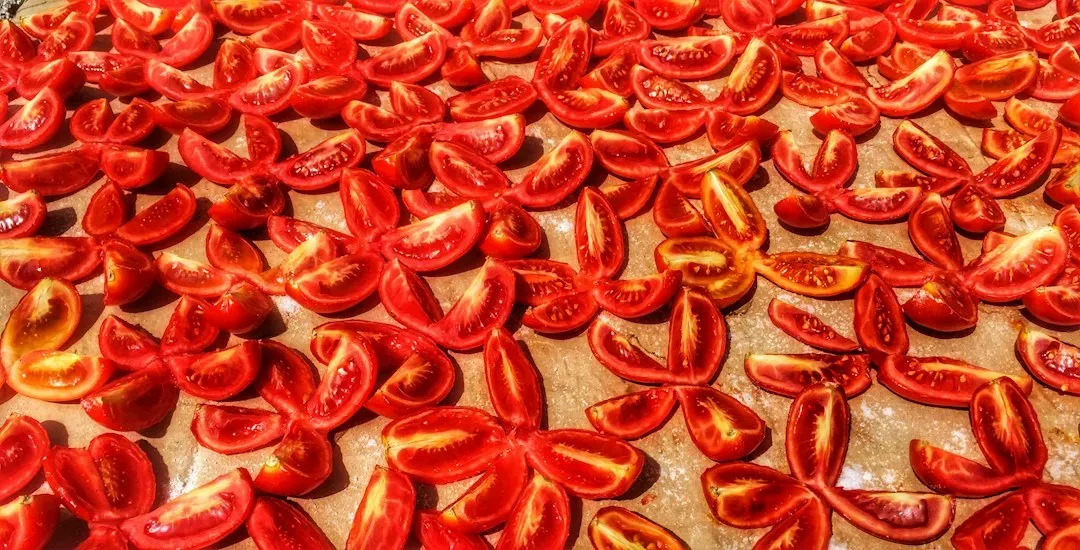
Water on the surface has to evaporate before browning can start. If you wash vegetables and toss them straight onto the pan, the oven spends its first several minutes just drying them off. That delay costs you crispness.
Pat everything thoroughly with a clean towel or spin leafy pieces like broccoli florets dry. Even a few minutes of air drying helps. It’s a tiny step that noticeably changes the texture.
Cutting Pieces Unevenly
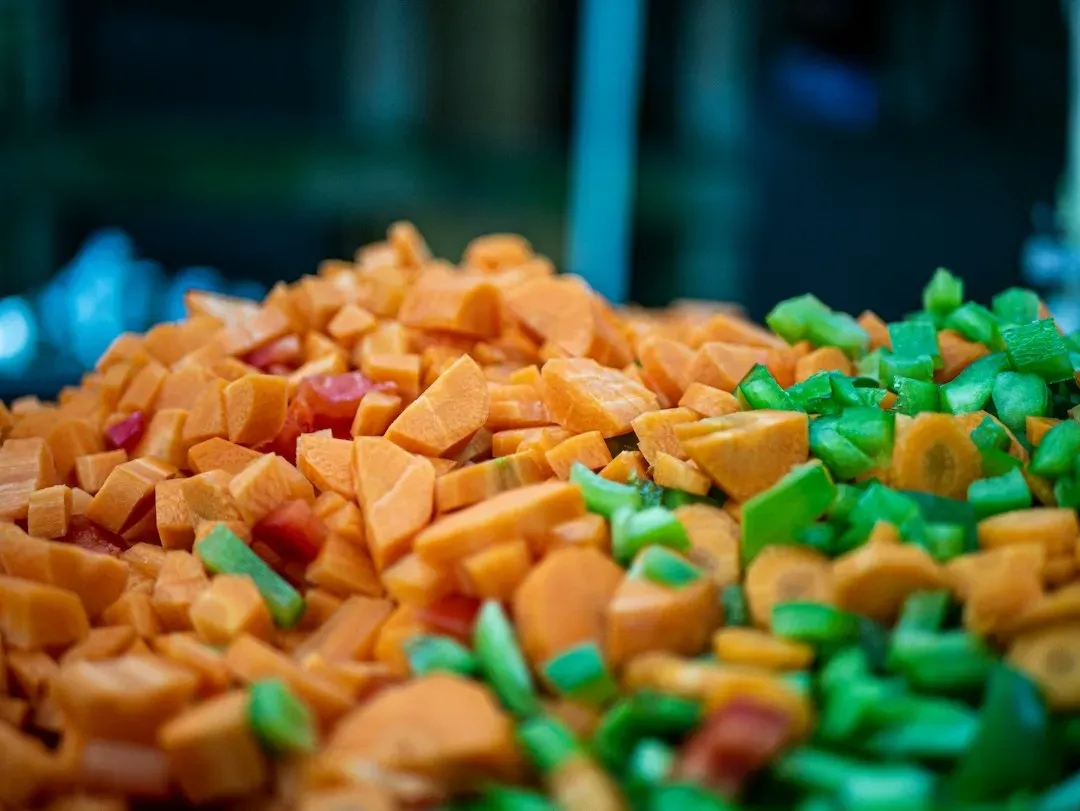
Uneven chunks cook at different speeds, so you end up with burnt small bits and hard large ones on the same tray. It’s a frustrating result that a bit of care with the knife easily avoids. Aim for pieces of similar size, roughly one to two inches for most vegetables.
Mixing vegetables with different densities creates the same problem. Potatoes and beets need much longer than zucchini or bell peppers. Either cut the denser ones smaller, or add the quicker ones partway through.
Forgetting to Flip and Rotate
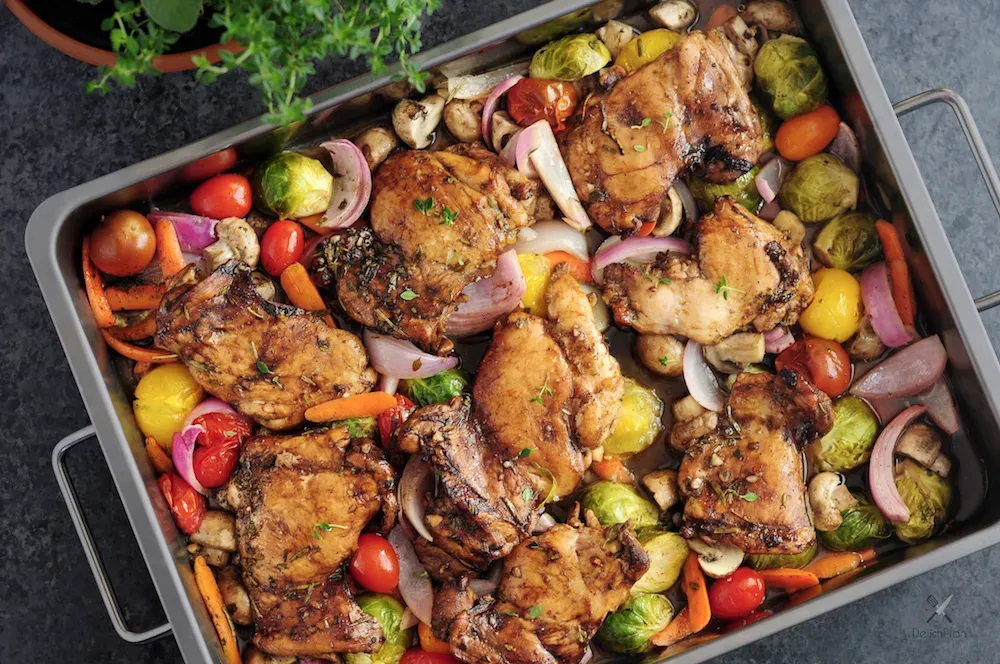
Ovens have hot spots, and the side of a vegetable touching the pan often browns faster than the top. Leaving everything untouched for the full cook time can leave uneven color and some burnt corners. A stir or flip about halfway through fixes most of that.
Rotating the pan front to back helps too, especially in ovens with uneven heat. Don’t fuss constantly, though. Opening the door too often drops the temperature, so one or two checks is plenty.
Seasoning at the Wrong Time
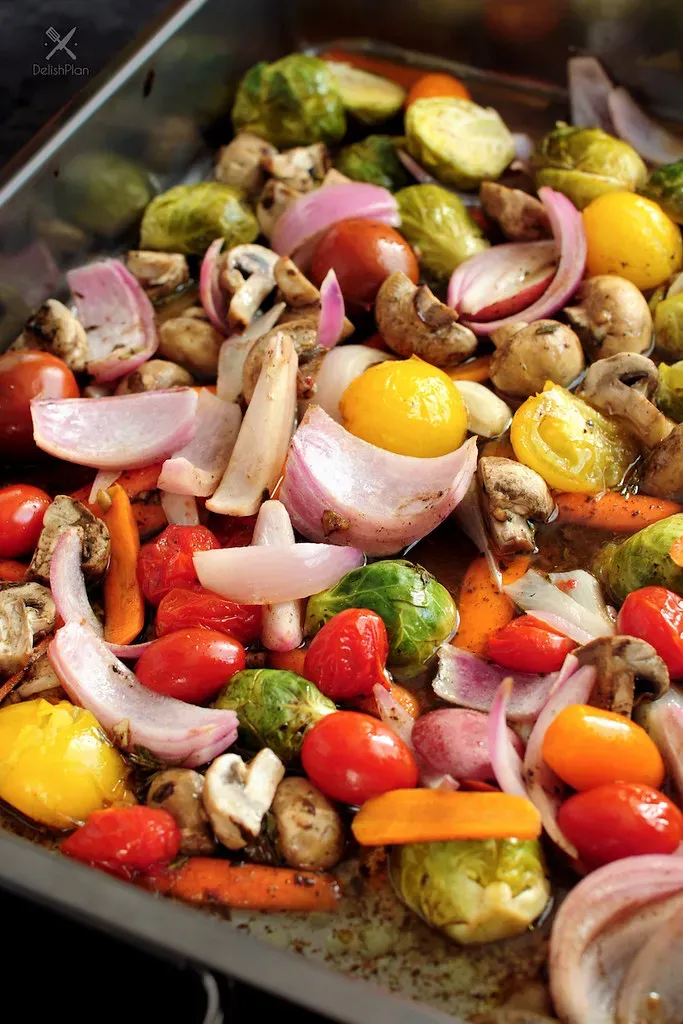
Salt draws moisture out of vegetables, which is useful in some cases and a problem in others. Heavy salting well ahead of roasting on watery types like zucchini or mushrooms can leave them damp on the pan. Seasoning right before they go in usually gives better browning.
Delicate ingredients behave differently. Fresh herbs and minced garlic can burn during a long high heat roast, turning bitter. Add them near the end, and finish with lemon juice or vinegar once the tray comes out for a brighter taste.





Leave a Reply