
In most of the world, locking up is second nature. You check the handle twice, set the alarm, maybe glance at a security camera app before bed. But in a handful of countries, that habit barely exists, not because people are careless, but because generations of low crime, strong community ties, and quiet social trust have made it almost unnecessary.
These places aren’t perfect or crime free. Still, something about how they’re built, socially and structurally, means an unlocked door doesn’t carry the same weight it does elsewhere. Here’s a look at eight nations where that kind of everyday trust still shows up in ordinary life.
1. Iceland
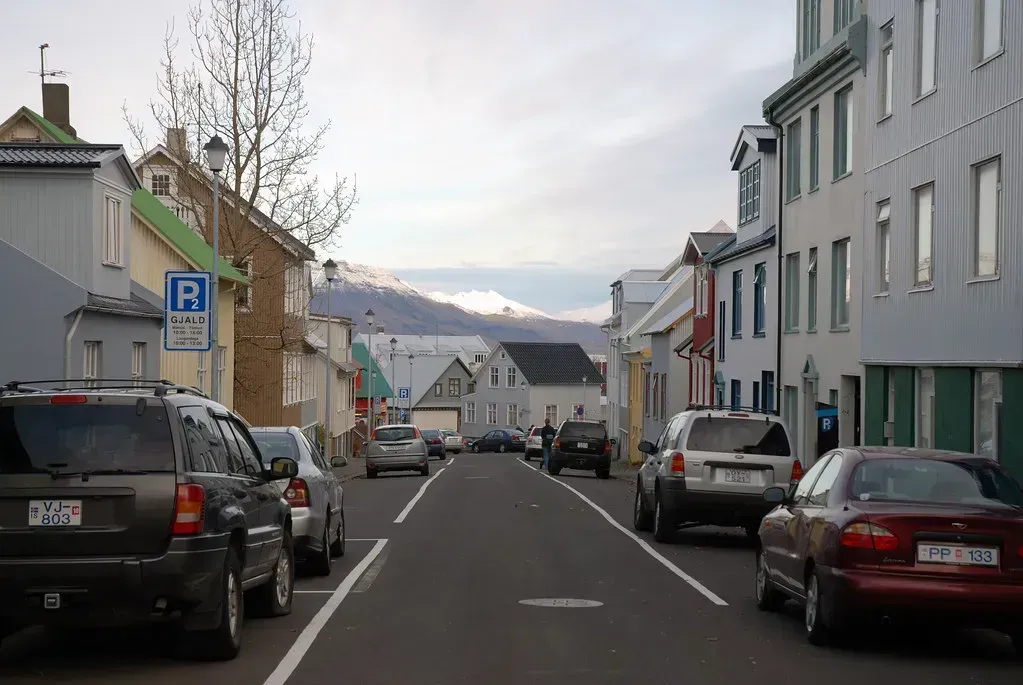
Iceland has held the top spot on the Global Peace Index for years running, and locals often cite this ranking as one reason daily life feels so relaxed. Iceland has been the safest country in the world for the 14th year in a row, according to the Global Peace Index. That consistency isn’t a fluke. It reflects a society where violent crime is rare and where institutions have earned public confidence over decades.
Walk through a residential street in Reykjavik and you’ll notice something small but telling. Officers do not carry firearms, children are usually seen moving around without supervision, and homes are sometimes left unlocked. Communities remain closely connected, and there is a general expectation that others will act responsibly. It’s less about naivety and more about a shared understanding that most people simply won’t take advantage.
2. Japan

Japan’s relationship with trust shows up most clearly in what happens after something gets lost. The country’s koban system, thousands of small neighborhood police boxes, has built a culture where turning in a stray wallet or dropped phone is just what you do. According to the BBC, in Tokyo, 83% of lost mobile phones and 65% of lost wallets were successfully returned to their owners, often on the same day. That habit of returning things intact extends naturally to how people treat each other’s homes. The honest citizens of Tokyo handed in a record ¥3.99bn (£24.5m) in lost cash to police last year, an average of more than £67,000 a day. In smaller towns especially, unlocked doors and bicycles left unchained aren’t unusual sights, backed by a culture that treats dishonesty as a serious personal failure rather than a minor slip.
3. Switzerland
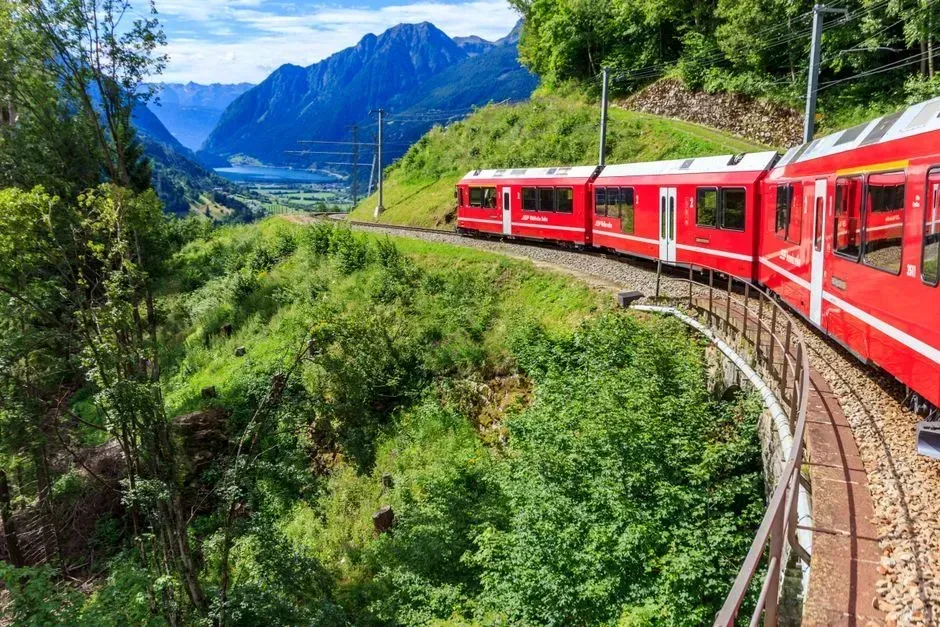
Switzerland runs on a kind of quiet order that outsiders often find almost unbelievable. Trains arrive on schedule, streets stay clean, and violent crime is uncommon enough that it barely registers in daily conversation. Switzerland is like stepping into a postcard, clear lakes, snow-dusted peaks, and tidy villages, and crime is so rare it feels like a rumor. That sense of order isn’t just about tidy streets, it also reflects deep institutional trust. The Edelman Trust Barometer 2024 showed China had the highest trust, followed by the UAE and Switzerland. In small Swiss villages, particularly in rural cantons, leaving a front door unlocked while running errands is still fairly ordinary, a habit rooted in decades of stability rather than any single policy.
4. New Zealand
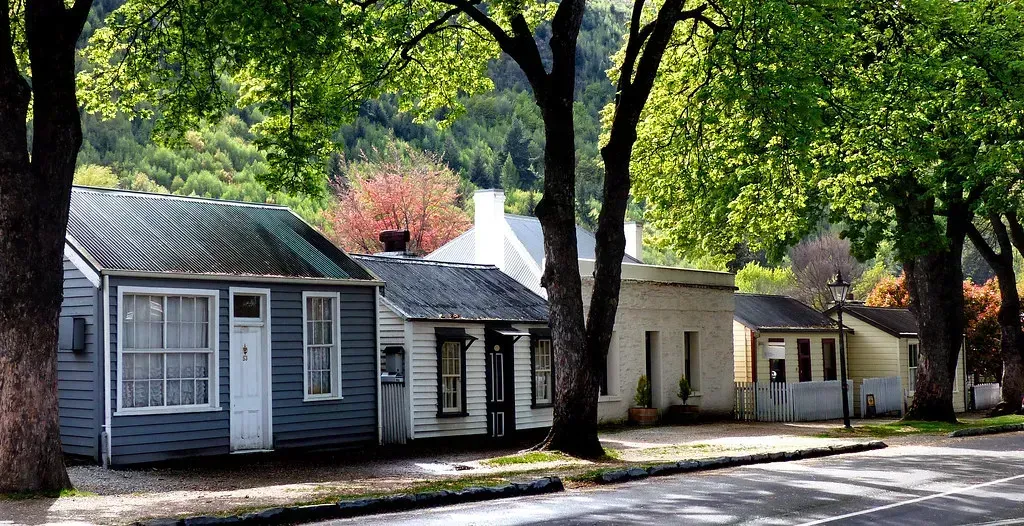
New Zealand’s reputation for safety isn’t just tourism marketing. It consistently lands near the top of global peace rankings, and locals often describe a genuine ease in how they move through daily life. New Zealand climbed up one position from last year’s results, placing it in the top three, recording an improvement in peacefulness of 3.1 percent in the past year. Much of that sense of ease comes down to scale and community. New Zealand feels like a land stitched together from dreams, rolling hills, misty fjords, and friendly faces wherever you wander. Outside the bigger cities, where towns are small enough that neighbors genuinely know each other, unlocked doors and unattended porches remain fairly normal, especially in rural and coastal communities where crime rarely makes local headlines.
5. Norway
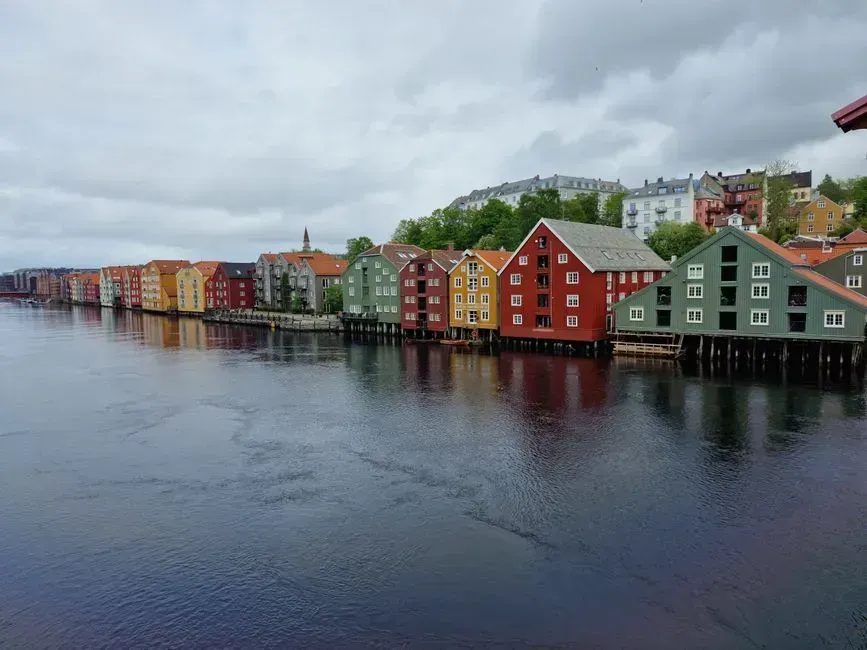
Norway’s low crime rate is often tied to something less tangible than policing, a cultural habit of pitching in for the common good. Norway’s culture of ‘dugnad,’ voluntary work for the common good, is a testament to the trust Norwegians place in one another and their collective efforts. That mutual reliance carries over into how people treat their homes and belongings. Survey data backs up the everyday impression. Denmark leads with 74% of respondents saying that most people can be trusted, followed closely by Norway at 72% and Finland at 68%. In smaller Norwegian towns, particularly along the fjords, doors are frequently left unlocked during the day, a habit that would seem unthinkable in many larger cities elsewhere.
6. Finland
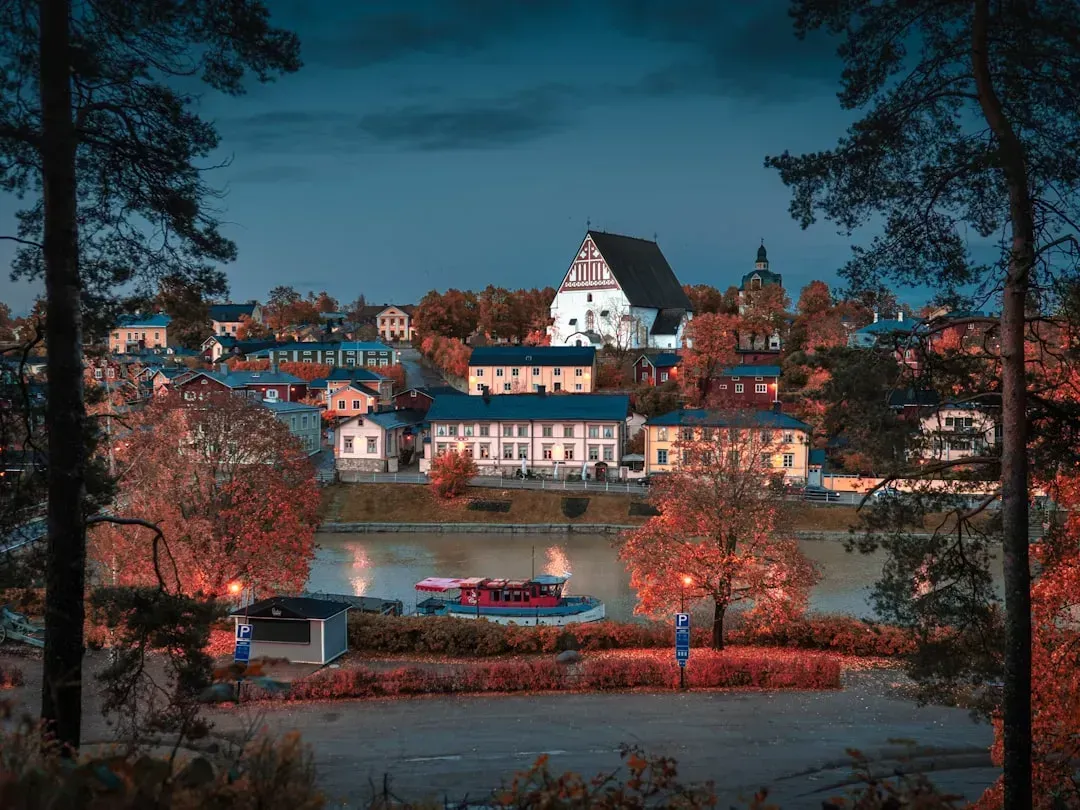
Finland tends to rank near the very top of both safety and trust indexes, and the numbers consistently back that reputation up. Finland ranked specifically as the safest and most secure country in the world, followed by Japan, Iceland, Singapore and Norway. That combination of low crime and strong institutions creates an environment where locking every door out of fear simply isn’t the default mindset. Social interactions there lean quiet and reserved, but that doesn’t mean distant or distrustful. Finns cherish nature and personal space, greet people with a nod, and don’t be surprised if silence is the norm. In rural Finland especially, cabins and homes are often left unlocked for stretches at a time, particularly during long summer days when families spend most of their time outdoors anyway.
7. Denmark
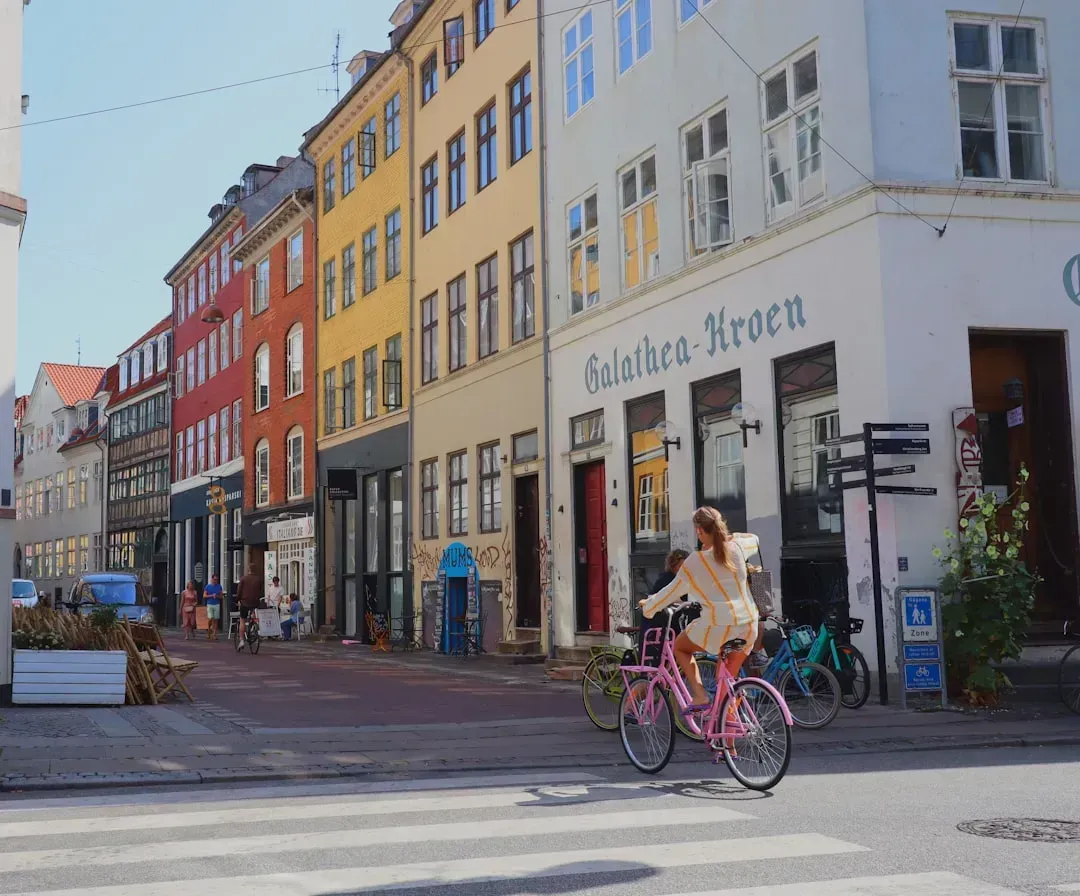
Denmark shows up again and again near the top of global trust surveys, and it’s one of the countries most frequently cited for the practice of leaving infants unattended in strollers outside cafes, a small but telling detail about how safe daily life feels there. Recent data from the World Values Survey has shown trust tends to be highest in Denmark at 74%, Norway at 73%, and Sweden at 65%. That level of interpersonal trust doesn’t happen overnight, it’s built through decades of low corruption and strong public institutions. Denmark also ranks consistently among the safest nations on broader security indexes. Portugal ranks seventh among safest countries, followed by Denmark in eighth place on the latest Global Peace Index rankings. In smaller Danish towns, bicycles left unlocked outside shops and homes with doors ajar during the day remain common enough that most residents barely think twice about it.
8. Croatia
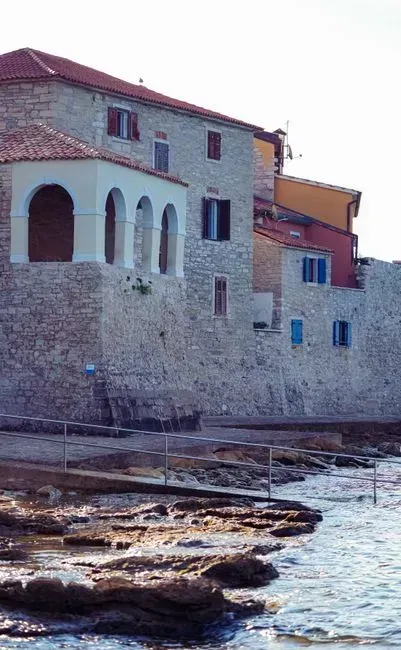
Croatia is a bit of an outlier on this list, since national surveys suggest Croatians don’t always describe themselves as especially trusting of one another. Yet everyday behavior tells a different story. This is a country where many people do not keep their front door locked, if closed at all, and in smaller towns, villages and even the suburbs of some cities, car doors are rarely locked and bicycles often never locked up. That gap between stated attitudes and actual behavior is part of what makes Croatia interesting to include here. Children are allowed to play in the street or in parks unsupervised, and young teens are allowed to stay out in the evenings, venturing into town and city centres with friends. The rates of gun crime and knife crime in Croatia are insignificant compared to elsewhere in Europe, and murders are extremely rare, which helps explain why the unlocked-door habit persists even where trust surveys suggest otherwise.
None of these eight countries are crime free, and none of them recommend leaving valuables in plain sight as some kind of universal rule. What connects them is a pattern, low violent crime, strong institutions, and communities small or cohesive enough that people still recognize their neighbors. That combination doesn’t eliminate risk entirely, but it does change the everyday calculation most people make without even thinking about it.



Leave a Reply