
1. Sticking with one purebred breed for life

For decades, many American families picked a breed and stayed loyal to it across multiple dogs, often for generations. That loyalty has been eroding for years, and the numbers back it up. New AKC registrations dropped from 1,528,392 in the peak year of 1992 to 921,129 in 2005, a decline of 40 percent.
The decline hasn’t been even across the board either. While the top 10 breeds have been booming, the bottom 60 breeds are in decline or showing noteworthy reduction in registrations, with Labrador Retrievers alone representing about 15 percent of all dogs registered across more than 200 breeds. Rare, old-world breeds are struggling to hold on, while a handful of popular ones absorb most of the enthusiasm.
2. Buying a dog based on looks alone, without checking pedigree paperwork

Registration used to be treated as a rite of passage, proof that a dog was the real deal. That habit has been slipping for years, and industry insiders have pointed to something simple: apathy. More than anything else, this simply means people aren’t bothering to fork over the registration fee, concedes an AKC board member and longtime breeder.
Interestingly, the past four years have shown a partial reversal at the top end of the market, even as smaller breeds continue to fade. More breeders are registering more dogs, reversing a 20-year downtrend, with the last four years showing notable increases in the number of dogs registered. Paperwork culture isn’t dead, but it’s clearly become optional for a large share of owners rather than a given.
3. Treating pet food as an afterthought grocery item

Grabbing a generic bag of kibble on the way out of the supermarket used to be standard practice. That casual approach has been replaced by something closer to how people shop for their own groceries, reading labels, comparing ingredients, and paying more for quality.
The data shows this shift clearly. After declining in 2023, premium pet food purchases regained momentum in 2024, with 41 percent of dog owners and 38 percent of cat owners purchasing premium food, a 5 percent and 9 percent increase from 2023, respectively. Meanwhile, basic food purchases have been sliding in the opposite direction. Twenty-six percent of dog owners and 38 percent of cat owners purchased basic food, a 7 percent decrease for both from 2023.
4. Leaving pets home during vacations without a second thought

Boarding a dog with a neighbor or leaving it with extended family for a week used to be the default vacation plan. Increasingly, Americans are bringing their pets along instead of leaving them behind, treating travel as a shared activity rather than something to plan around the animal.
Air travel with pets in particular has climbed noticeably. Of the owners who travel with their dogs, a growing number, 74 percent, have traveled by plane in the last year, up from 68 percent in 2023, while 87 percent have traveled by car, a trend that has been consistent since 2023. The old assumption that pets stay home while humans travel is quietly losing ground.
5. Keeping pets strictly separate from work life

The idea of a dog sitting quietly under a desk during a workday would have seemed strange to most offices a decade ago. That line has blurred considerably as remote and hybrid work reshaped daily routines, and many owners now expect their pets to be part of that flexibility.
Surveys back up how widespread this expectation has become. A majority of dog owners want dog-friendly workplaces, and 49 percent say they are very or somewhat likely to take their pet to the office if permitted. What used to be a niche perk at a few tech startups is turning into a mainstream workplace expectation.
6. Assuming every household eventually gets a dog

Dogs have long been treated as the default starter pet, the animal a family “graduates” into once they have space and stability. That assumption is softening as cats close the gap in a way that would have surprised pet owners twenty years ago.
The shift shows up clearly in ownership data. Cats are having their moment, particularly among younger consumers, with cat ownership rising to 39 percent of U.S. households, or 53 million homes, with Gen Z and Millennials playing a major role in that growth. Longer term figures tell a similar story about dogs slipping from their once-unquestioned top spot. Historically, dogs have been America’s favorite pets, but between 2018 and 2024, dog ownership dropped from 42 percent of U.S. households to 38 percent.
7. Buying pet supplies exclusively at brick-and-mortar stores
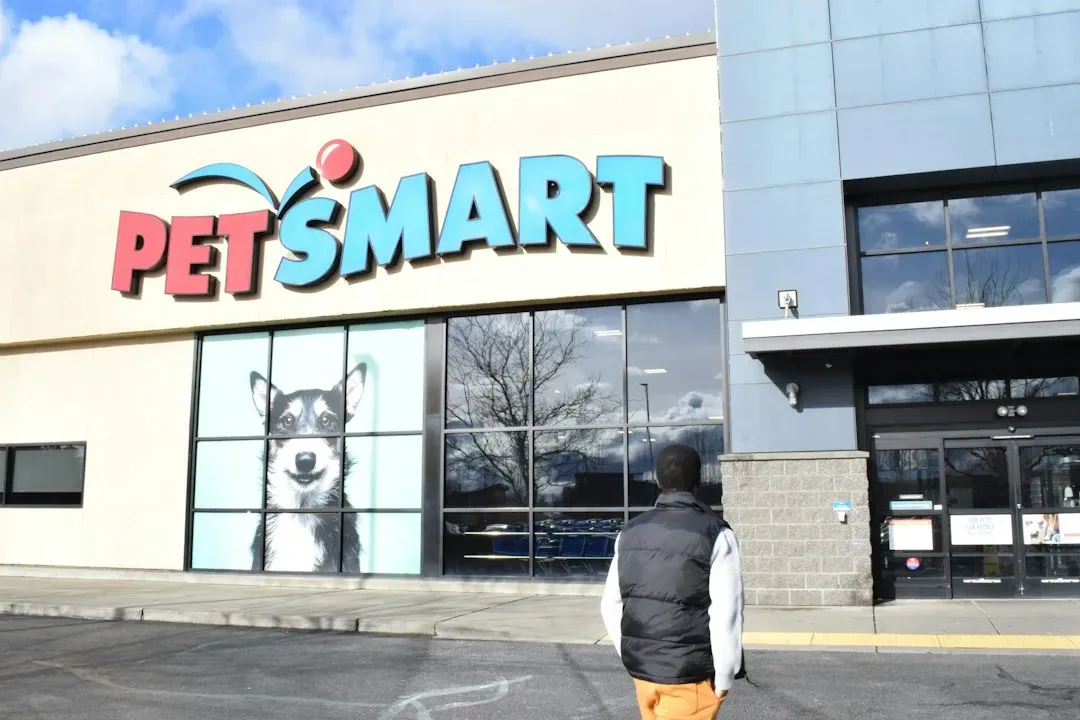
The weekend trip to a local pet supply shop, chatting with staff about the right food or leash, was once a fixture of pet ownership. That ritual has been steadily displaced by online ordering, subscription deliveries, and same-day shipping that removes the need to leave the house at all.
This shift is part of a broader restructuring of how Americans discover and buy pet products. The American pet category is being structurally rebuilt by generational change, a health-and-wellness orientation migrating directly from human grocery habits, and a digital-first commerce ecosystem where Chewy, Amazon, and TikTok now exert more influence than traditional shelf placement. The neighborhood pet store still exists, but it’s no longer the default starting point it once was.
8. Spending on pets without much financial planning

For a long time, pet costs were treated as small, incidental expenses, food, the occasional vet visit, maybe a toy here and there. That casual attitude has given way to something more deliberate, including insurance policies and budgeting that mirrors how families plan for their own healthcare.
The scale of this change is significant. Around 7.6 million pets are covered by pet insurance, an 8.5 percent increase over 2024 and a whopping 245 percent increase from 2018. At the same time, broader economic pressure is making some households more selective about which expenses they keep. These pressures have contributed to what one analyst describes as a K-shaped economy, where higher-income households continue to spend on premium pet products while other consumers increasingly trade down or delay purchases.
Taken together, these shifts don’t suggest Americans love their pets any less. If anything, the opposite seems true. What’s changing is the shape of that relationship, less bound by old habits and more shaped by convenience, financial reality, and a generation of owners rewriting what pet ownership is supposed to look like.





Leave a Reply