
Walk into a home with someone who organizes spaces for a living, and they’re already reading the room. They aren’t judging the dishes in the sink or the pile of mail. They’re looking at how the space works, and where it quietly doesn’t.
Most of what they pick up has little to do with how much stuff a person owns. It’s about patterns, habits and small friction points that residents have stopped seeing. Here are eight things that tend to stand out fast.
The Entryway Has No Real System
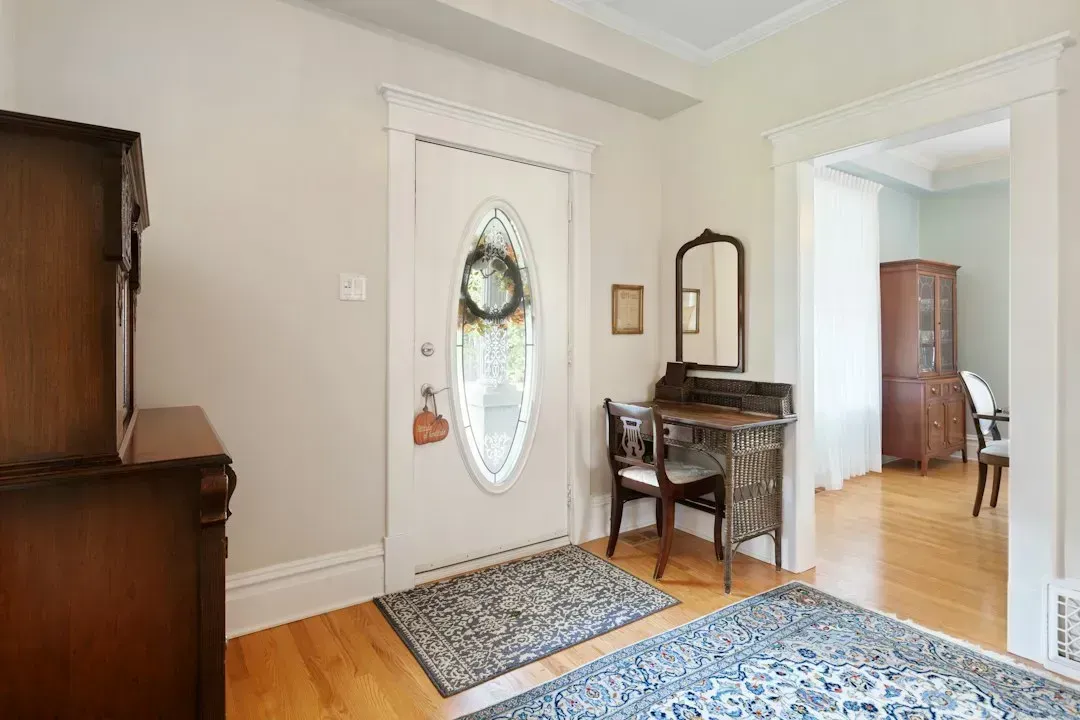
The first few feet inside the door usually tell the story. Shoes in a heap, bags dropped on the nearest chair, keys lost somewhere in the mail pile. Organizers see this as a sign that the home has no landing zone for the daily transition from outside to inside.
A simple fix is often enough: a hook, a tray, a small bench with a basket. The goal is to give every arriving item a default place, so clutter doesn’t spread deeper into the house.
Surfaces Are Doing Too Many Jobs
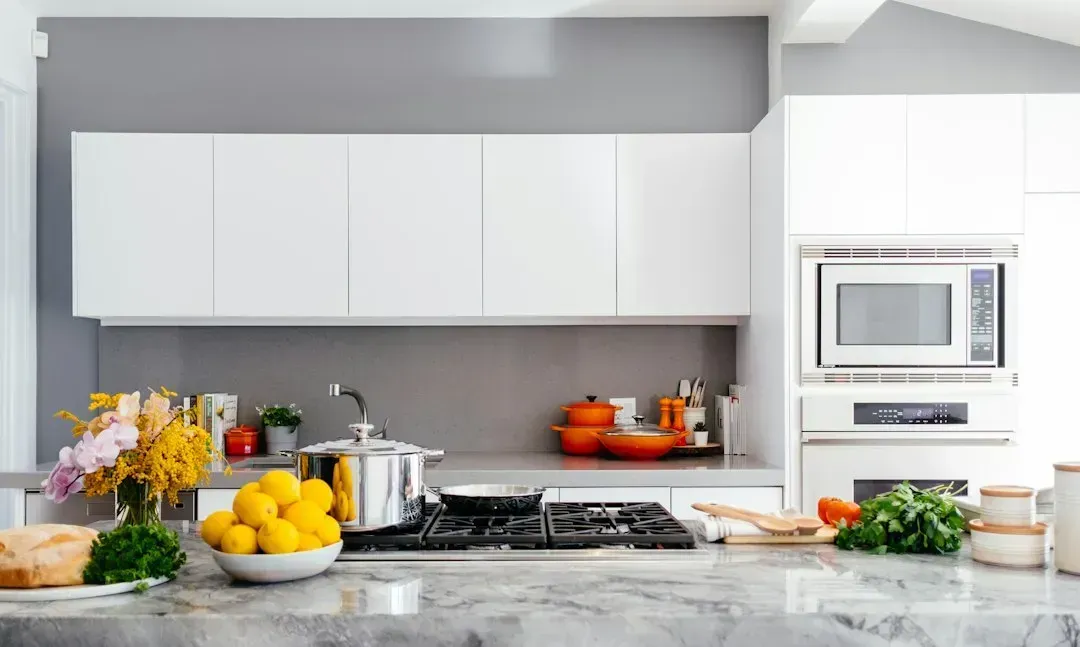
Kitchen counters, dining tables and the tops of dressers often become unofficial storage. Organizers notice when a dining table hasn’t been used for dining in months. It has turned into a filing cabinet, a craft station and a parking spot for packages.
When surfaces carry unrelated items, it usually means those items lack a proper home. Clearing the surface won’t last unless the things on it get somewhere to go.
Items Live Far From Where They’re Used
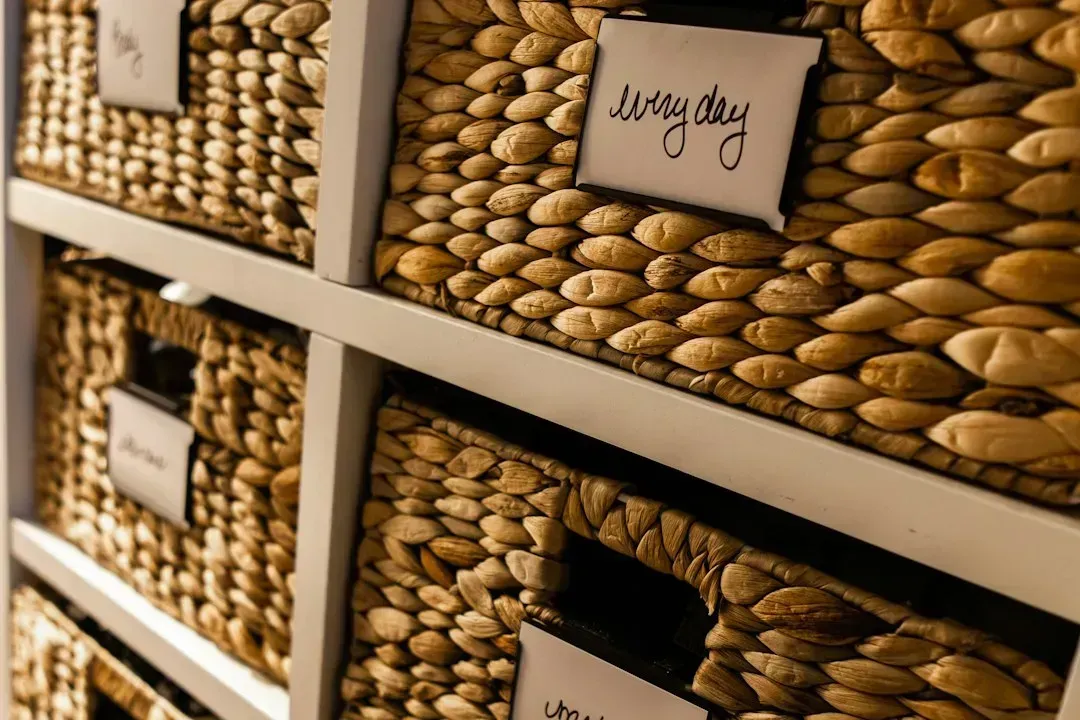
A pro will often spot a mismatch between where something is stored and where it’s needed. Cleaning supplies sit in a far closet, the scissors are in a different room from the gift wrap, and the vitamins are nowhere near the water glasses. Each of these adds a small detour to the day.
Organizers tend to follow the logic of use, not tidiness. Storing things at the point of use is a basic principle in the field, and it explains why some neat homes still feel awkward to live in.
Duplicates Point to Lost Things
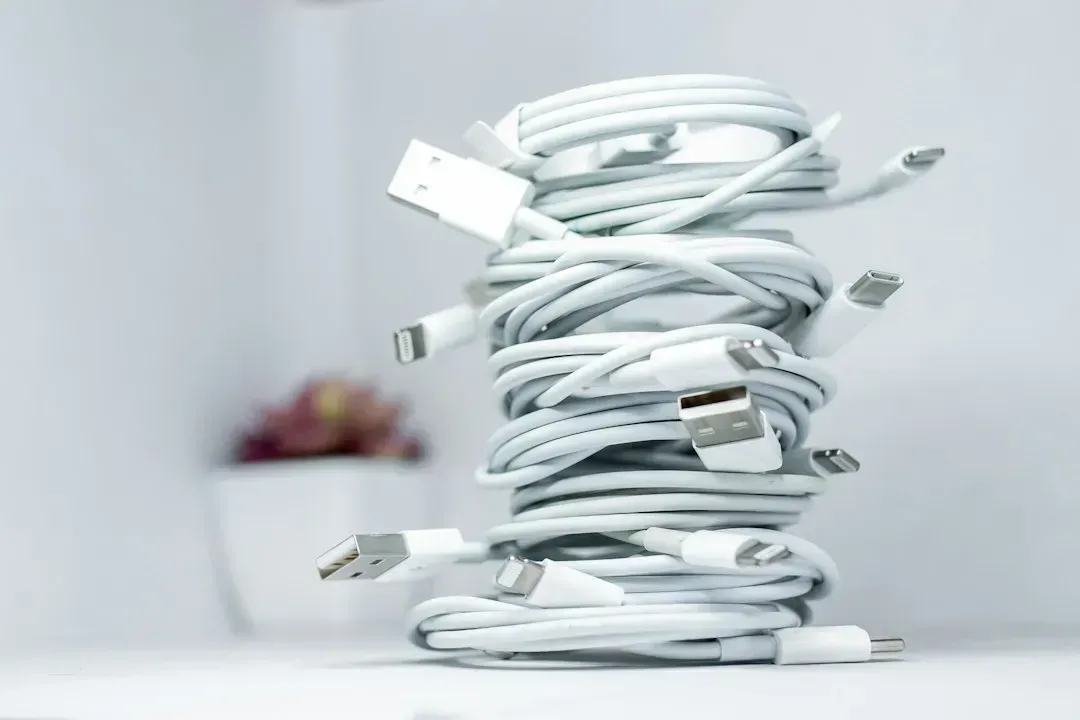
Three can openers, a drawer of mismatched chargers, five half-used bottles of the same shampoo. Duplicates are a clue that someone couldn’t find an item once and bought another. Over time, the cycle repeats.
Organizers read this less as a spending problem and more as a visibility problem. If you can’t see what you own, you effectively don’t own it.
Storage Is Full to the Brim
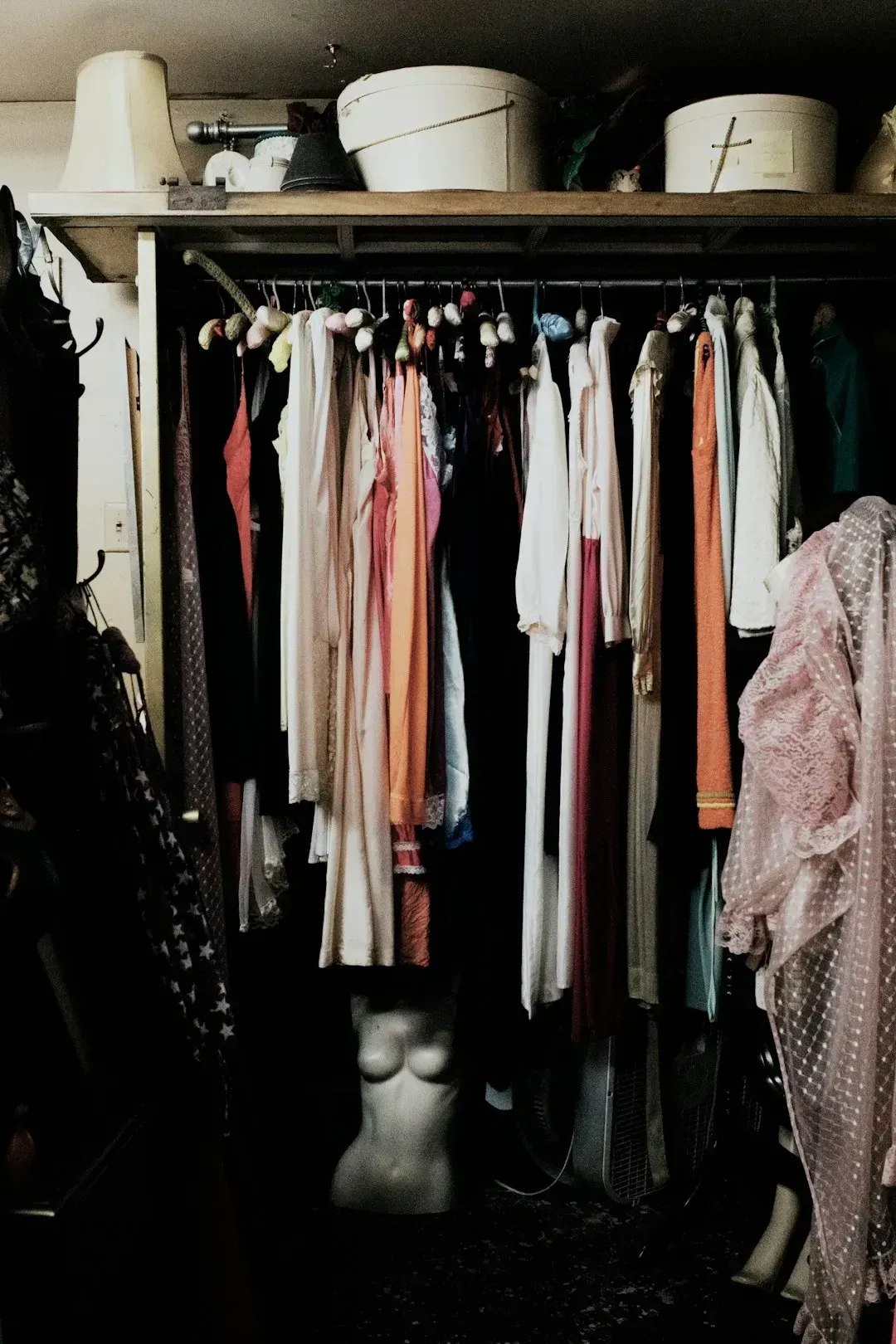
Closets with no breathing room are a giveaway. When hangers are jammed together and shelves are stacked to the ceiling, retrieving anything means moving something else first. Professionals often point out that a packed space is hard to maintain, even for a tidy person.
Leaving some empty room matters more than most people expect. It lets things be returned easily, which is what keeps a system from falling apart after a week.
Sentimental and Paper Clutter Has Piled Up

Boxes of old photos, kids’ artwork, inherited items and stacks of unopened paperwork tend to sit in corners and spare rooms. Organizers know these categories are the hardest to sort because they carry emotion or future obligation. Bills and forms, in particular, create low-level stress when they’re unresolved.
The usual advice is to start with the easier categories and build momentum. Sentimental items can be narrowed to a manageable collection, and paper works best with a simple sort and a single inbox.
Spaces Don’t Match How People Actually Live

Many homes have rooms set up for an imagined life. A treadmill acting as a clothes rack, a formal living room nobody sits in, or a home office that’s really a laundry overflow zone. Organizers notice the gap between a room’s intended purpose and its real one almost immediately.
Rather than forcing the room back into its label, they’ll often suggest rearranging around real habits. Furniture and storage should support what people do daily, not what they hope to do someday.
Hidden Problem Zones Show Up Fast

A quick peek into the junk drawer, the garage corner or the under-sink cabinet reveals a lot. These are the spots where decisions get postponed, and organizers know that’s where the real backlog sits. A closed door can hide a surprising amount of deferred choices.
Visible order doesn’t always mean a functioning system. Professionals tend to look past the staged areas to see whether the home can be maintained when life gets busy.
Once you know what they notice, it’s easy to start seeing your own home the same way, from the front door inward.




Leave a Reply