
Bucket lists used to feel permanent. Once a place made the list, it tended to stay there for years, no matter how many headlines said otherwise.
That habit seems to be loosening. Costs, crowd rules, safety warnings and local pushback have all given travelers new reasons to cross a name off, or at least push it down the page. The eight places below show the different pressures at work, and none of them is quite as simple as “never go.”
Venice, Italy
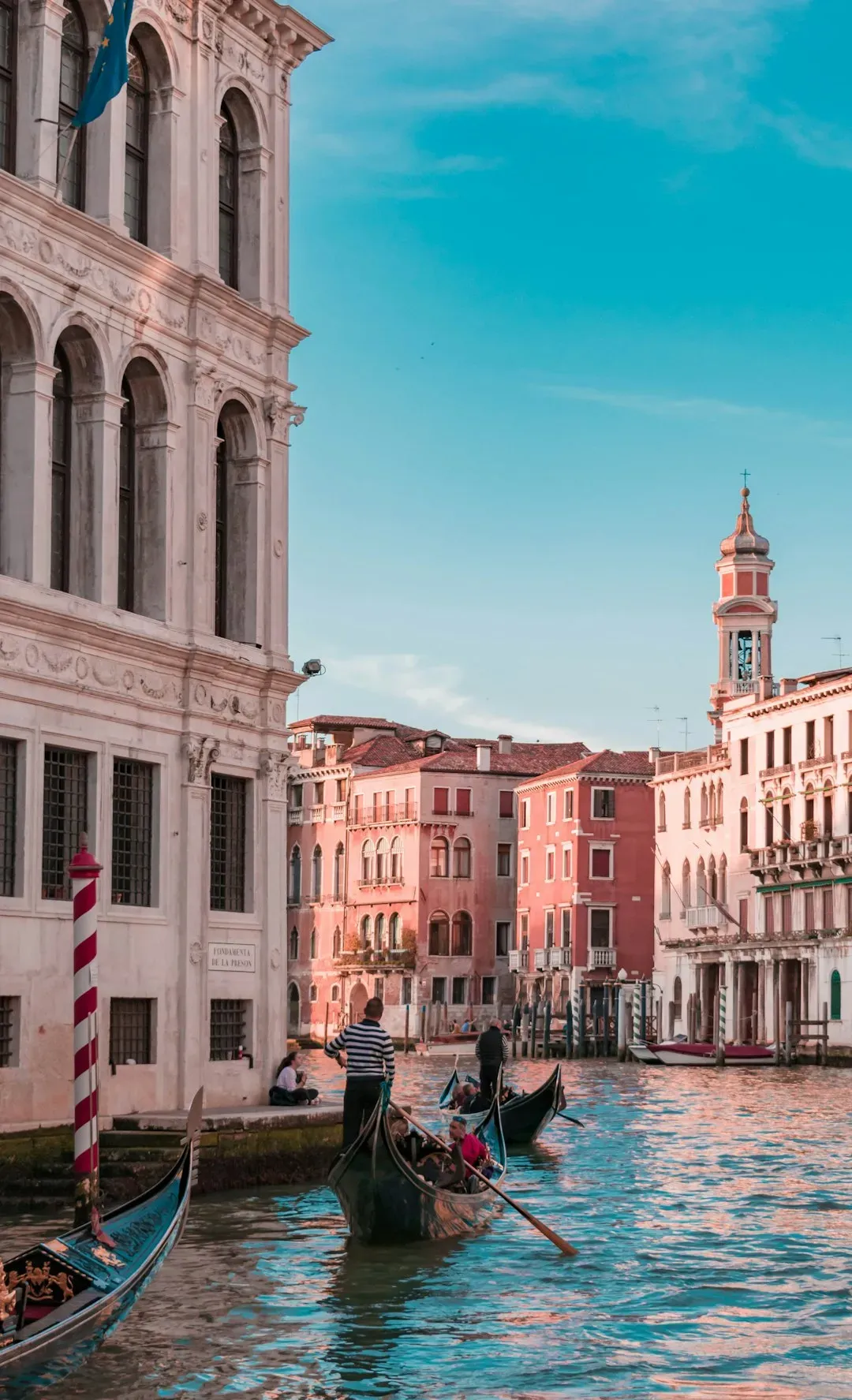
Venice has become the standard example of a city that struggles under its own popularity. It doubled its tourist tax to €10 for last minute day trippers and expanded fee days from 29 in 2024 to 54 in 2025. Groups larger than 25 people are also prohibited from entering the city.
For 2026, the planning burden remains. The official access fee site lists dates beginning April 3, with more days across April, May, June and July. A trip that once meant wandering in on a whim now looks more like a booked event, and plenty of Americans seem to find that less appealing.
Barcelona, Spain

Barcelona still has Gaudí, the beaches and the food. Lately, though, its reputation among travelers is tangled up with housing pressure and resident frustration. The city hosted roughly 15.5 million visitors in a recent year, while locals grew frustrated as rents climbed and neighborhoods filled with short term rentals.
The city has responded with policy. Its mayor announced plans to stop renewing the thousands of tourist rental licenses by 2028. There’s a cost angle too, since Spanish reporting noted that changes in Catalonia could push the total tourist tax to around €15 per night in some cases. Protests that AP reported on, including the water guns, have made some visitors wary of the mood.
Dubrovnik, Croatia
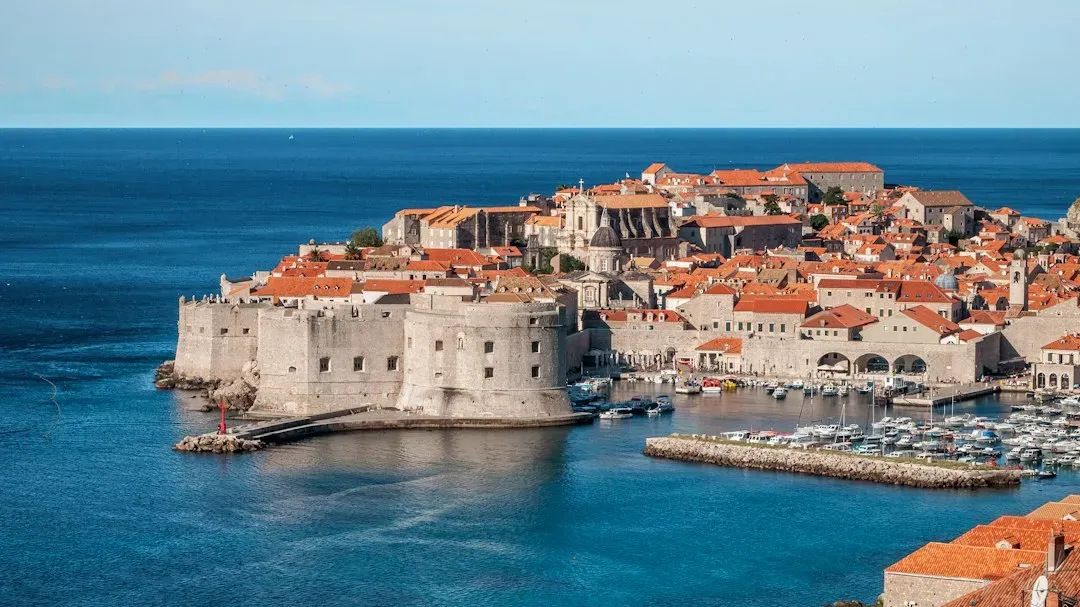
Dubrovnik’s walled old town is small, and that’s the whole problem. One travel guide notes that the old town holds about 800 residents and receives 1.5 million visitors a year. The figure comes from a single source, so treat it as a rough indicator rather than an official count.
Even so, the direction is clear. A Yahoo Travel roundup says measures now rolling out across Venice, Santorini, Barcelona, the Amalfi Coast and Dubrovnik confirm how serious the strain has become. Americans who once treated Dubrovnik as a must see are increasingly looking at quieter Adriatic options like Kotor in Montenegro, which one guide suggests as a substitute.
Santorini, Greece
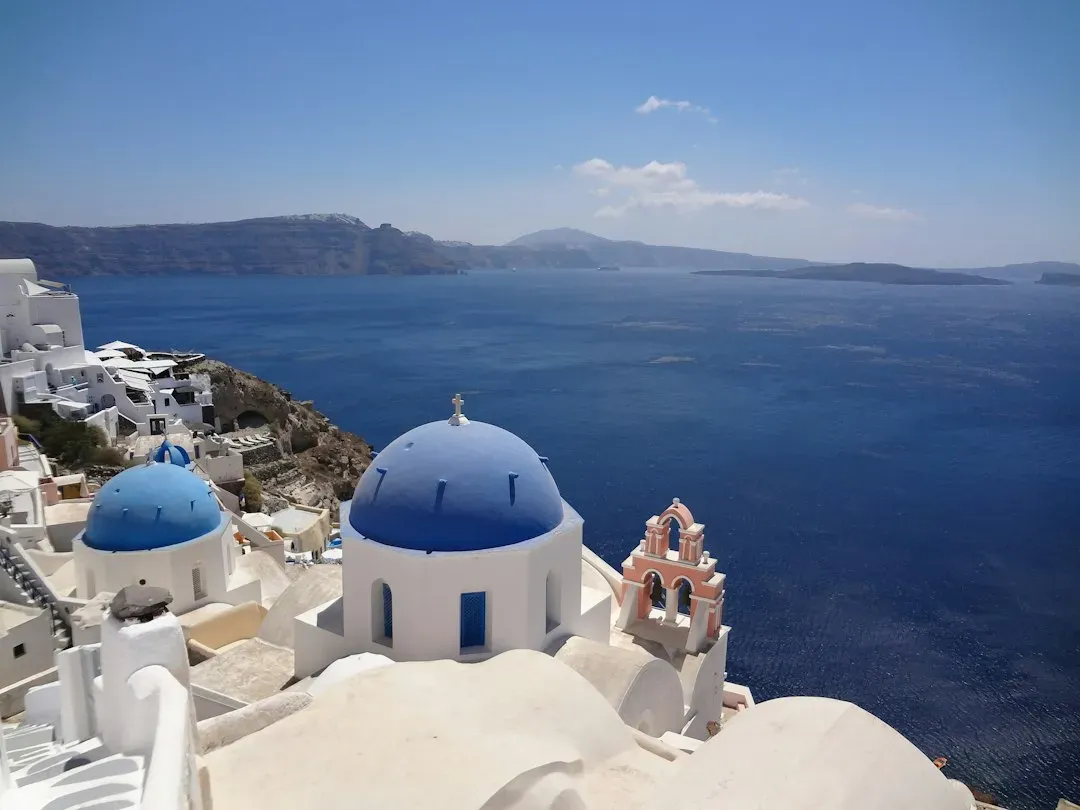
Santorini’s whitewashed cliffs are among the most photographed scenes in Europe, and that fame has a price. One overtourism guide describes the caldera path as shoulder to shoulder from June through September. Summer visitors often report that the famous sunset views come with a crowd to match.
That’s why some travelers are quietly swapping it out. The same guide suggests Milos, Naxos or Madeira instead. Santorini hasn’t gone anywhere, but a growing number of Americans seem to feel the experience no longer matches the photos.
Dubai and Abu Dhabi, United Arab Emirates
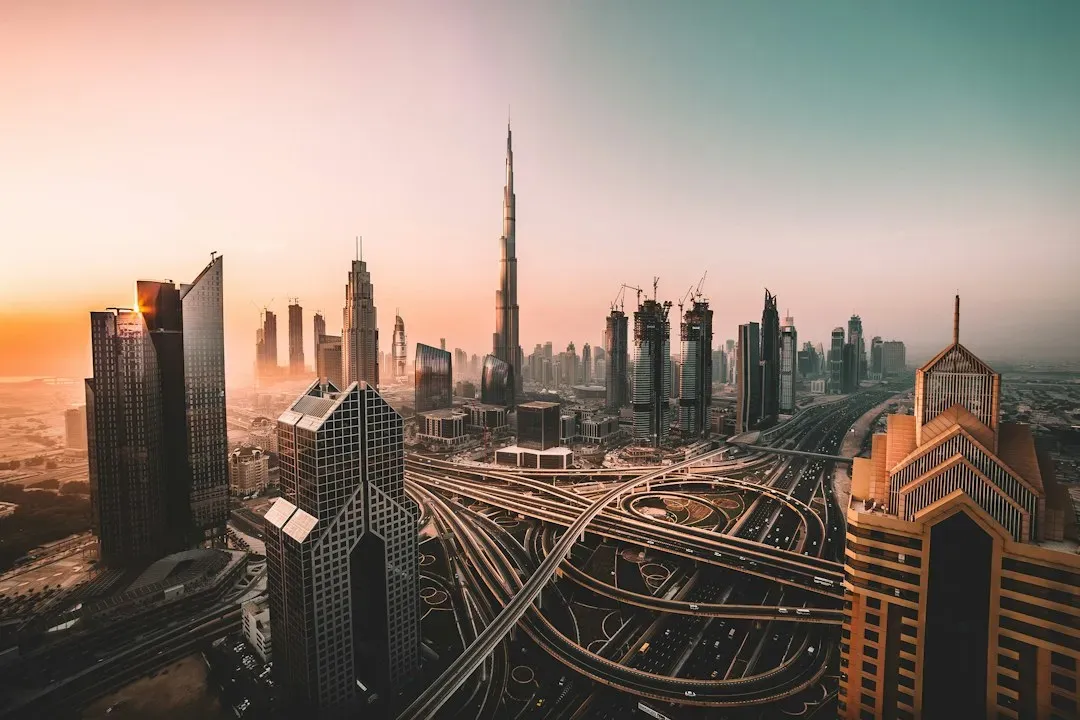
This one is about safety, not crowds. Dubai and Abu Dhabi have long been top U.S. tourist destinations, known for luxury resorts, world class dining and safe streets. That made the change in 2026 all the more notable.
According to AXA Travel Insurance, the UAE’s move to Level 3, “Reconsider Travel,” is driven by regional instability stemming from tensions between the U.S. and Iran, which escalated into open hostilities in February 2026. Advisory levels can change quickly, so anyone with plans should check the State Department’s current guidance before booking.
Russia
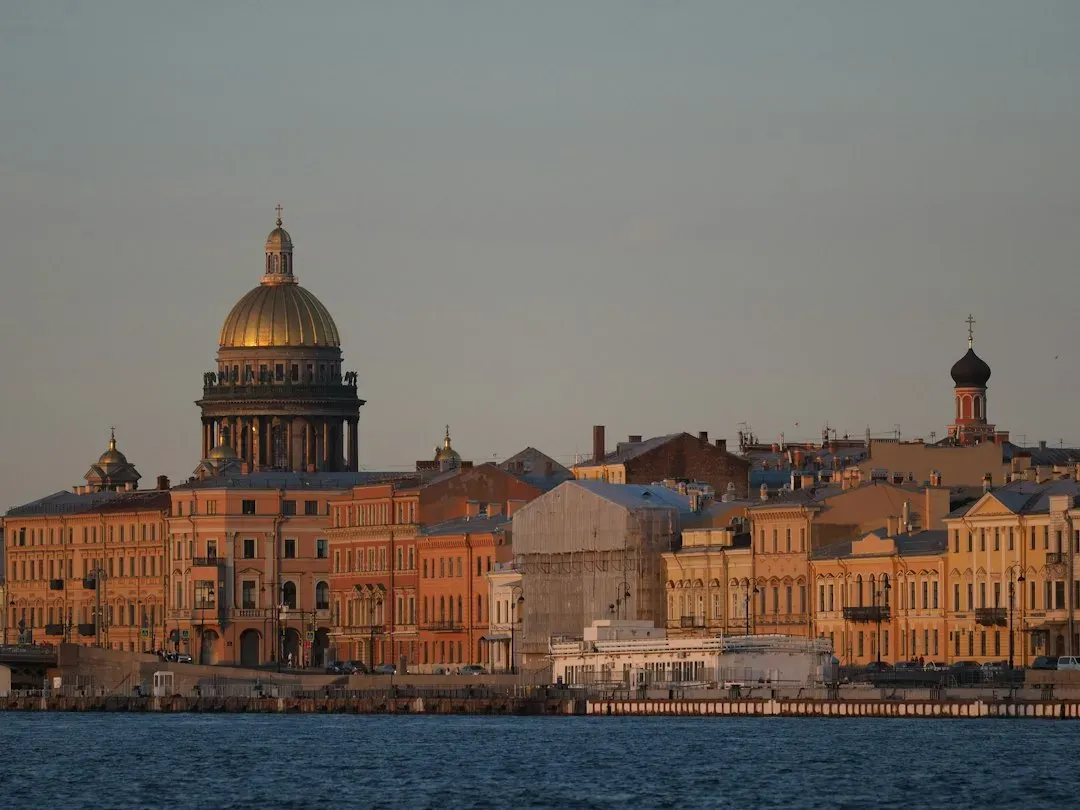
For years, St. Petersburg’s museums, historic architecture and long distance rail journeys made Russia an obvious pick for cultural travelers. That appeal was once strong enough for many to call it a bucket list destination. In 2026, the situation is very different for American passport holders.
Russia sits on the State Department’s highest advisory tier. The Level 4 “Do Not Travel” list for 2026 names 22 countries or regions, Russia among them. AOL’s roundup says the warning for Americans centers on risks that are much harder to manage. For most people, that settles the question.
Las Vegas, Nevada
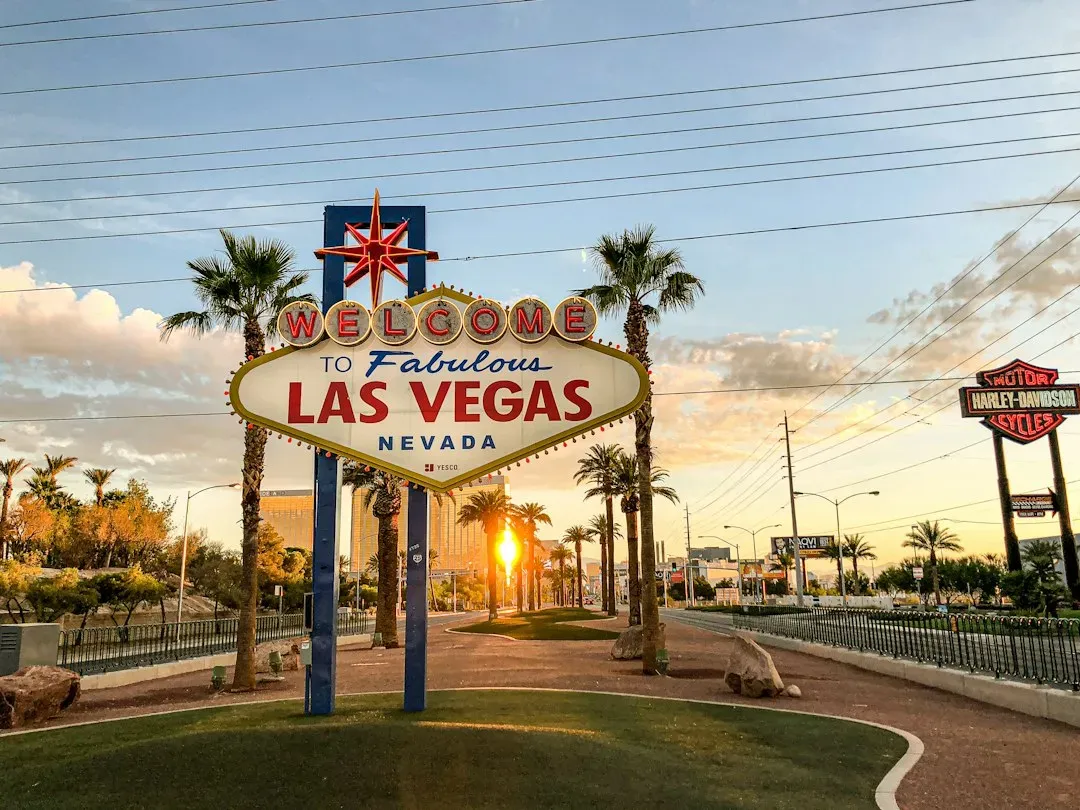
Not every removal is about borders. Cost is doing a lot of the work, even at home. One survey found that 65% of Americans said rising travel costs affected their vacation plans. About one third of respondents reported changing or canceling trips entirely because of higher expenses.
Las Vegas appears to be feeling it. Travel analysts report that nearly one quarter of surveyed travelers canceled or reconsidered Vegas trips due to rising prices. The data comes from a single analysis, so it’s best read as a signal, not a verdict. Still, it fits a wider move toward cheaper, shorter trips.
Hawaii
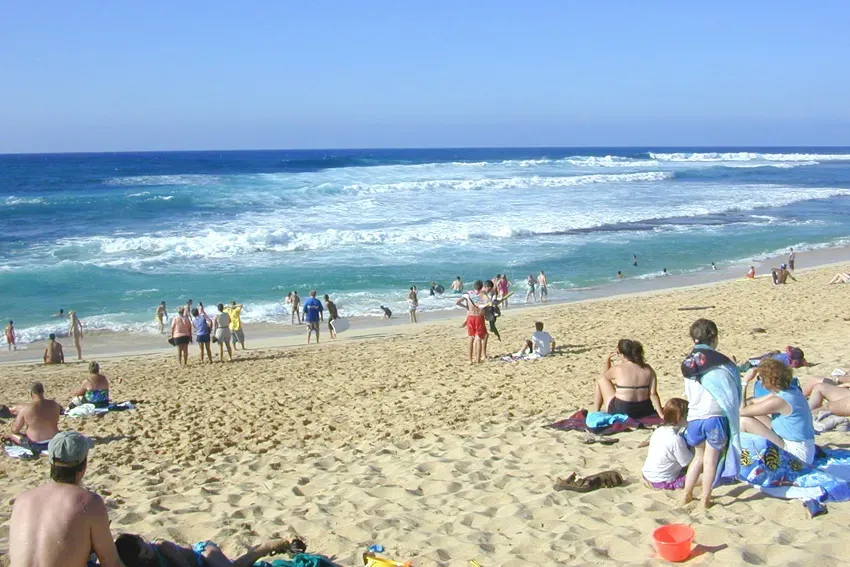
Hawaii remains one of the most desired vacation spots in the country. It is also one of the more expensive ones. The same analysis says Hawaii faces higher cancellation rates in 2026, tied to price and accessibility challenges.
There’s a values question layered on top of the budget one. The state has introduced programs that encourage tourists to respect local traditions and reduce their environmental impact. Travelers who feel uneasy about adding to the strain, or who simply can’t justify the bill, are moving Hawaii further down their lists.





Leave a Reply