
Air travel has changed a lot over the years, with tighter seats, more gadgets, and fuller flights. Yet a surprising number of unwritten rules still shape how people behave once the cabin door closes.
Most of them aren’t official policies. They’re habits passed along by experience, and they tend to make a crowded space easier for everyone.
Board When Your Group Is Called
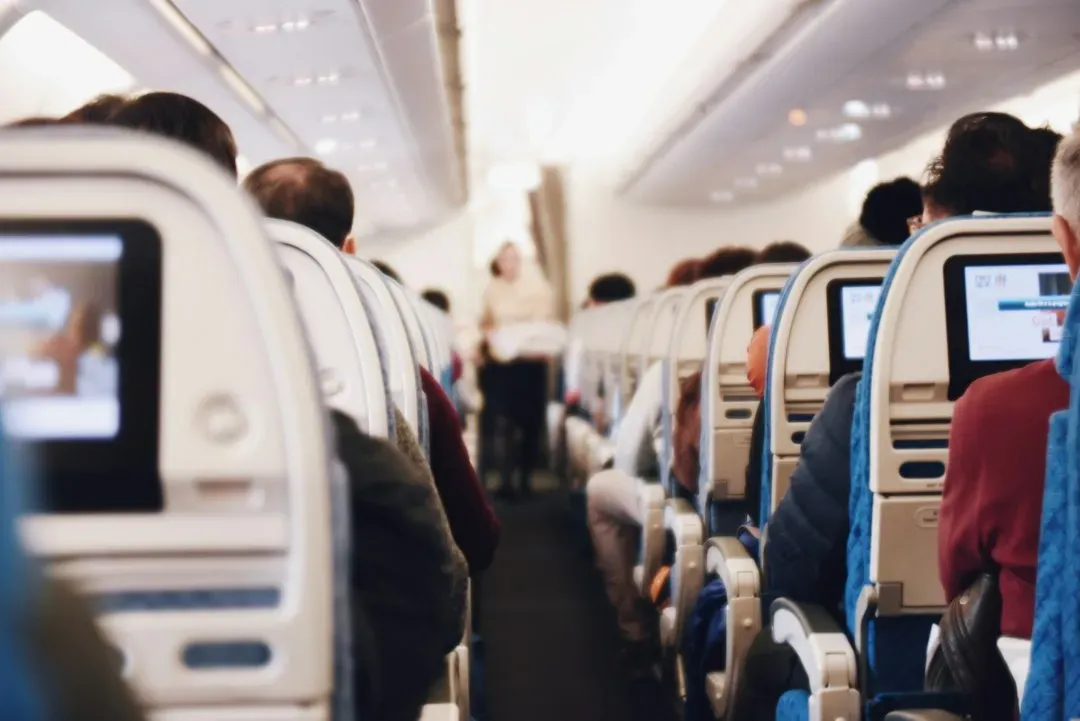
Airlines assign boarding groups to keep the aisle moving and to reduce delays at the door. Standing at the front of the line before your group is called tends to create a bottleneck for the people who are actually boarding.
Most travelers still wait their turn, even if they’re eager to claim overhead space. It’s a small courtesy, though it helps the whole process run faster.
Keep Your Bags to Your Own Space
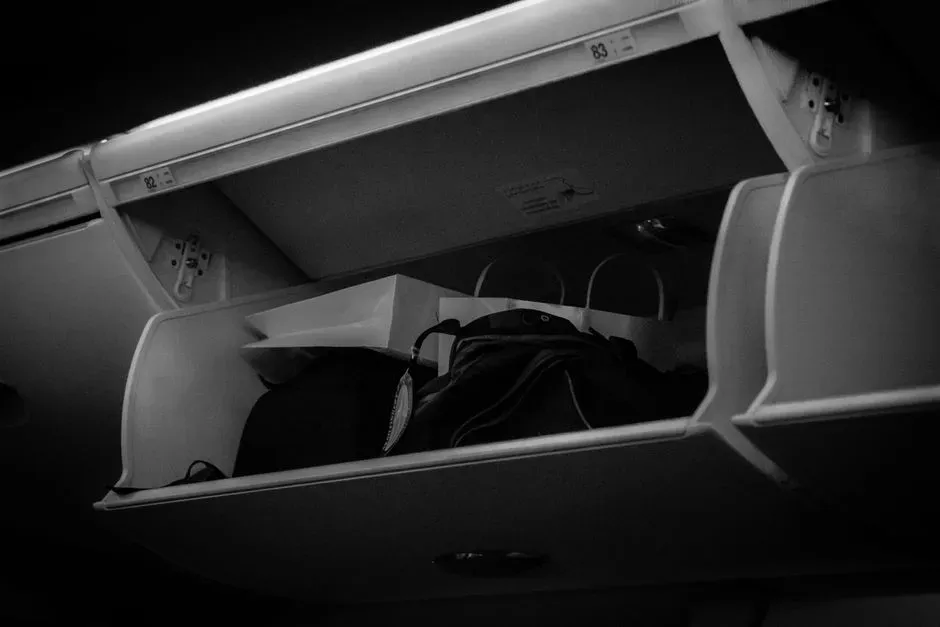
Overhead bin room is limited, and many airlines remind passengers to place larger items in the bin above their own seat. Taking up space far from your row can leave someone else hunting for a spot.
Many travelers also stow a small personal item under the seat in front, which keeps bins open for roller bags. Putting a jacket or tote in a bin when it fits under your seat is often seen as inconsiderate.
Don’t Block the Aisle While Settling In
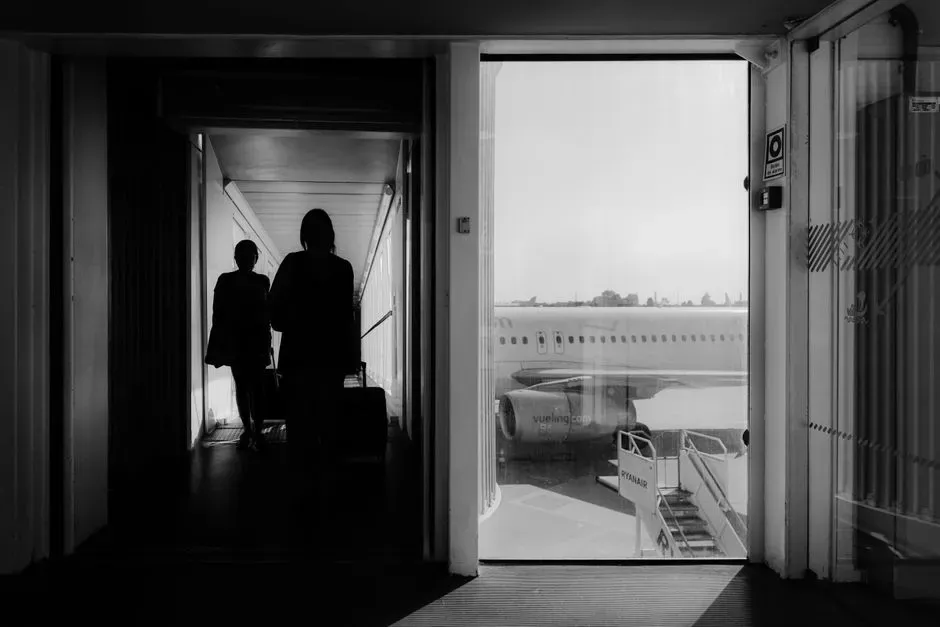
Boarding is the moment when patience gets tested. Stopping in the aisle to rearrange a bag or hunt through a backpack holds up everyone behind you.
The usual habit is to step into your row quickly and sort things out once you’re seated. If you need a minute, stepping aside works well too.
Respect the Armrest Situation
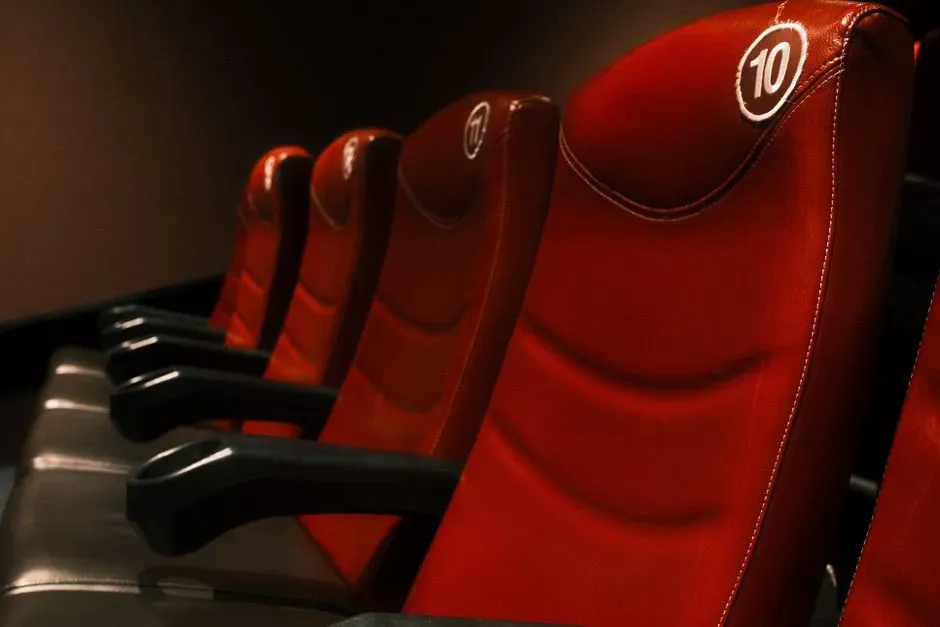
Seat design rarely settles who gets the armrest, so travelers rely on unspoken norms. The middle seat passenger often gets both armrests, since they have the least room to spare.
It’s not a rule written anywhere, yet many people follow it. A bit of give and take usually keeps things comfortable.
Be Thoughtful When You Recline
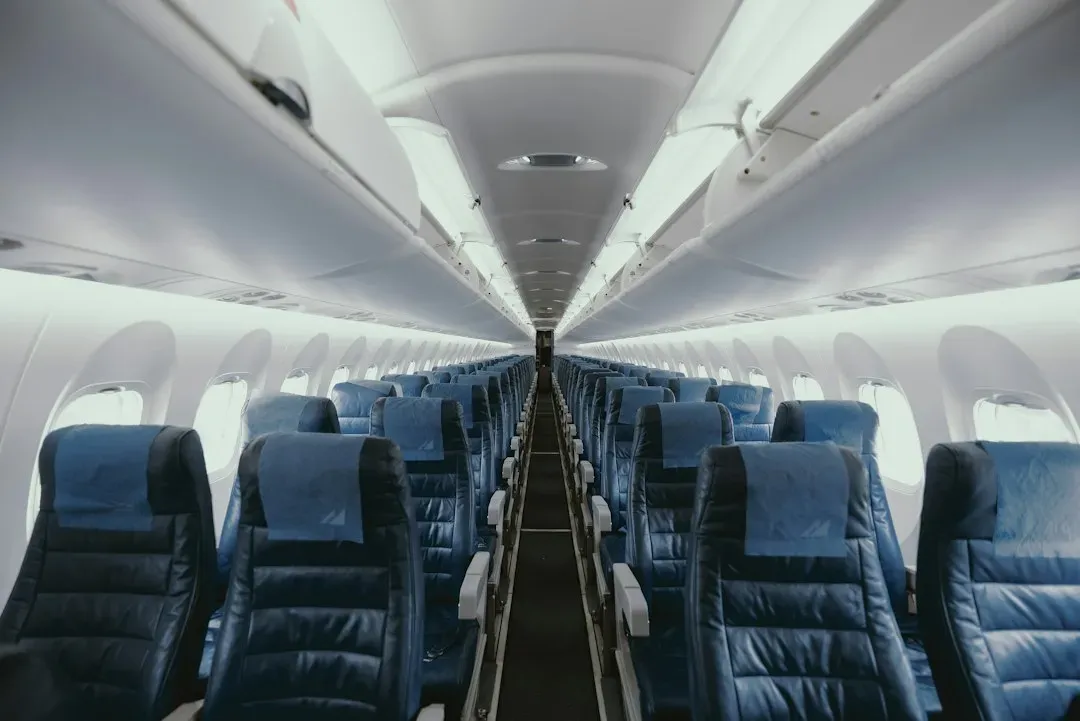
Reclining is allowed on most flights, but seat pitch on many airplanes is tight. Plenty of travelers glance behind them first and ease the seat back slowly rather than slamming it down.
Some people skip reclining during meal service or on shorter flights. Asking politely, or simply moving gradually, can head off a lot of tension.
Use Headphones for Your Entertainment
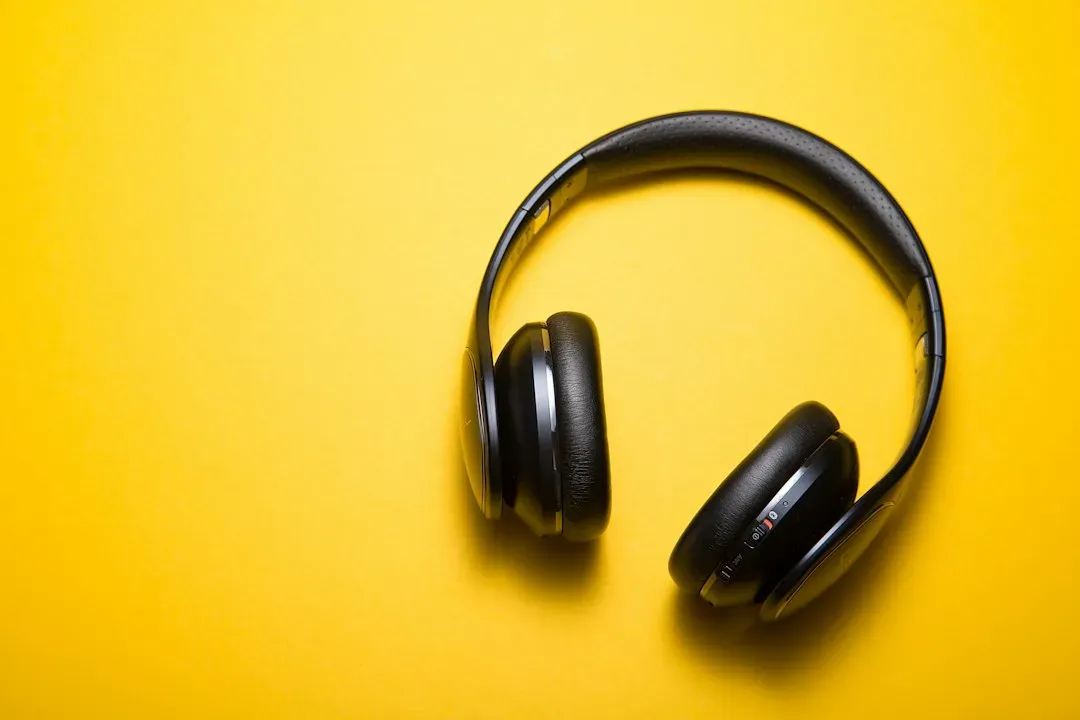
Watching videos or listening to music through a speaker in a shared cabin tends to annoy neighbors quickly. Wearing headphones has become the standard approach, and many airlines expect it.
The same goes for calls and voice messages, which are better saved for the ground. Keeping noise personal is one of the most widely accepted courtesies on board.
Keep Smells and Shared Space in Mind
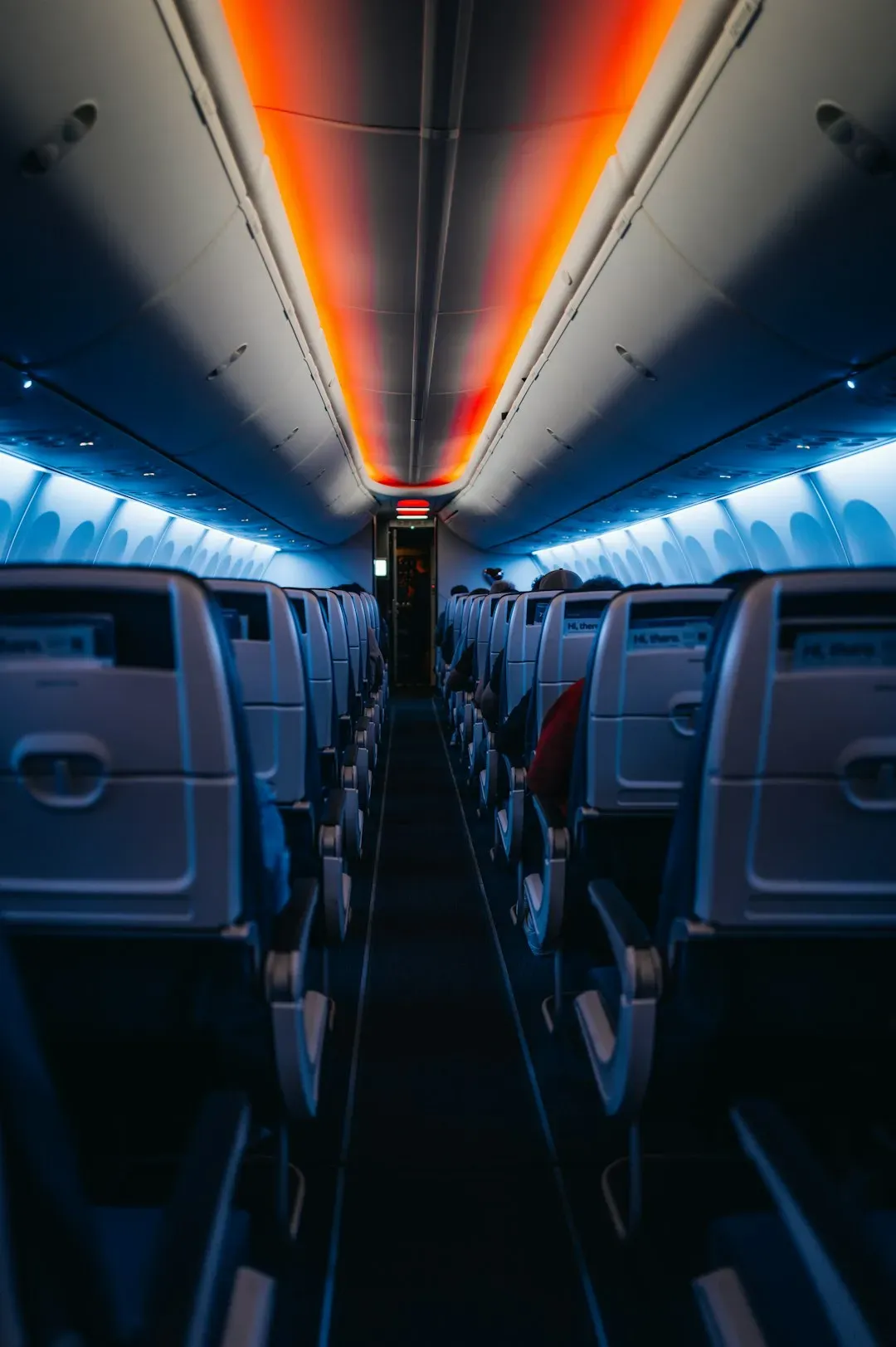
A cabin is a sealed environment, so strong odors travel fast. Many travelers avoid pungent foods in flight and go easy on perfume or cologne.
Shoes usually stay on, or at least feet stay out of other people’s space. Small choices like these matter more when strangers sit inches apart.
Treat the Crew With Courtesy
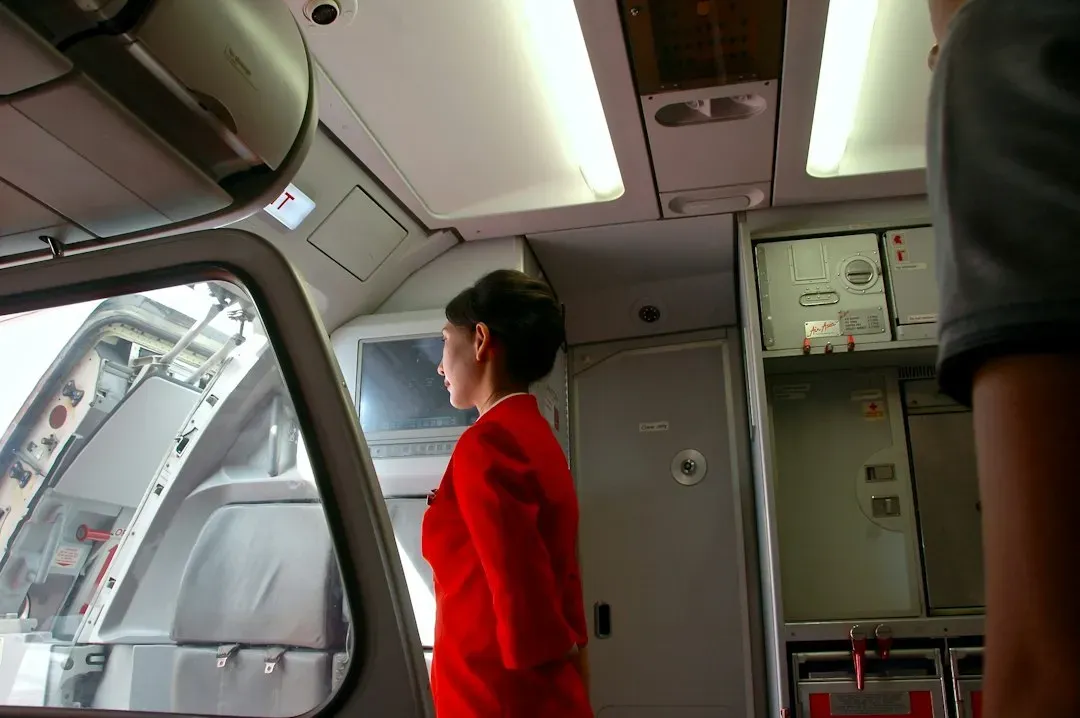
Flight attendants are responsible for safety as much as service, and following their instructions is a basic expectation. Simple things like a greeting, a thank you, or putting away a phone call when asked go a long way.
Travelers also tend to avoid snapping fingers or blocking the aisle when the cart comes through. Respect for the crew keeps the cabin calmer for everyone.
Wait Your Turn When Deplaning
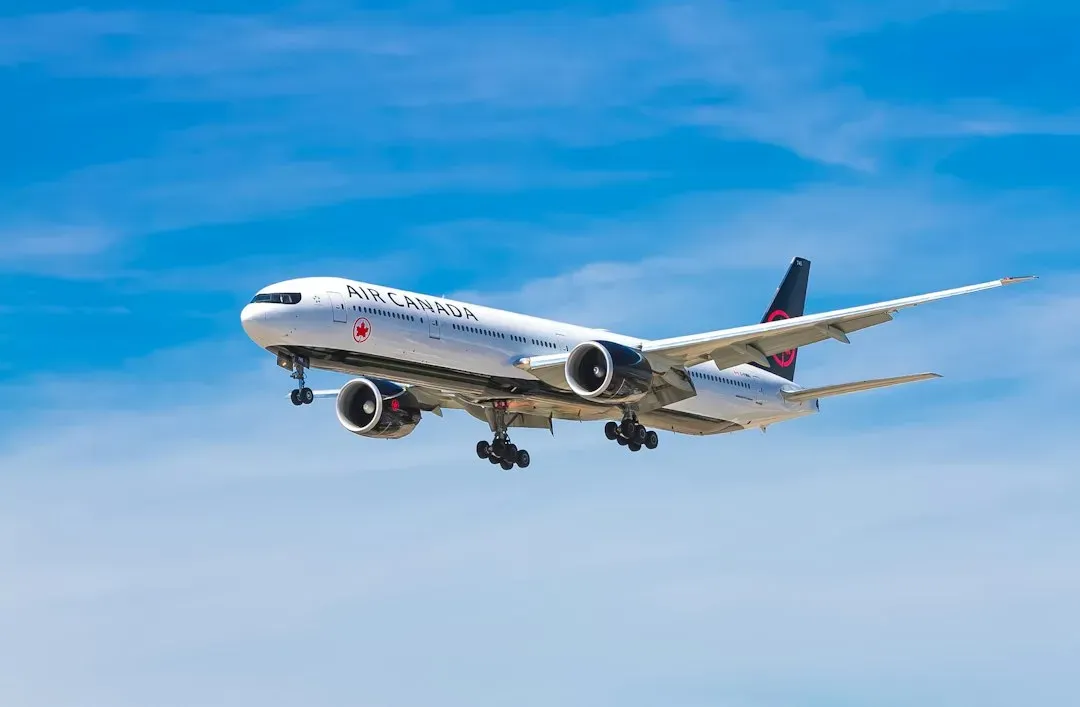
When the plane lands, the urge to jump up is strong. Still, many passengers stay seated until the row ahead has cleared, which keeps the aisle from jamming.
People in window seats often wait while those in aisle seats leave first. It’s a quiet system that works because most people go along with it.




Leave a Reply