
Most restaurants are honest, and most servers just want you to enjoy dinner. Still, a menu is a sales document, and what’s printed on it doesn’t always match what lands on your plate.
Some of these tricks are old, and some have adapted to apps and online reviews. Here are nine worth knowing before your next reservation.
1. Fish That Isn’t the Fish You Ordered
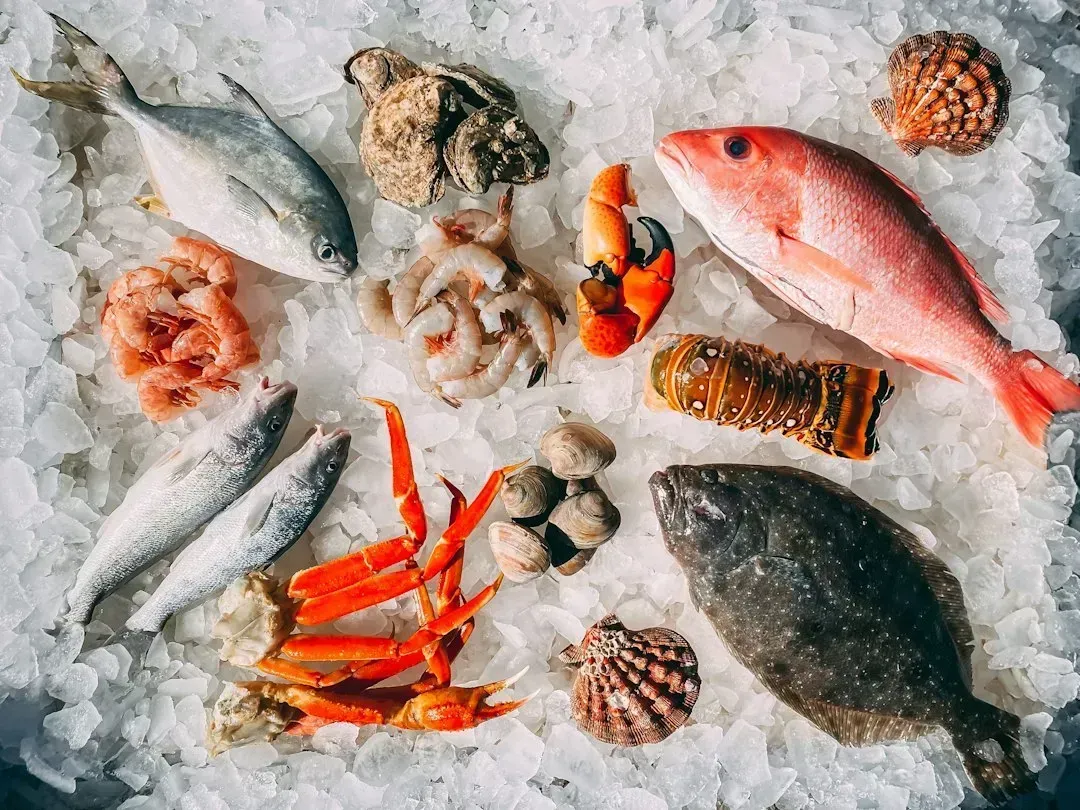
Species substitution is the classic. A restaurant passes off one type of seafood as another, or even a non seafood meat as seafood. Red snapper is the most common fish to get the switch, and it can turn out to be pollock.
Researchers have confirmed it with DNA testing. They tested both fresh fish sold at markets and cooked fish sold at restaurants. The DNA survives high heat, so scientists can pinpoint the exact species even after cooking.
2. Cheap Fish Dressed Up Under Sauce
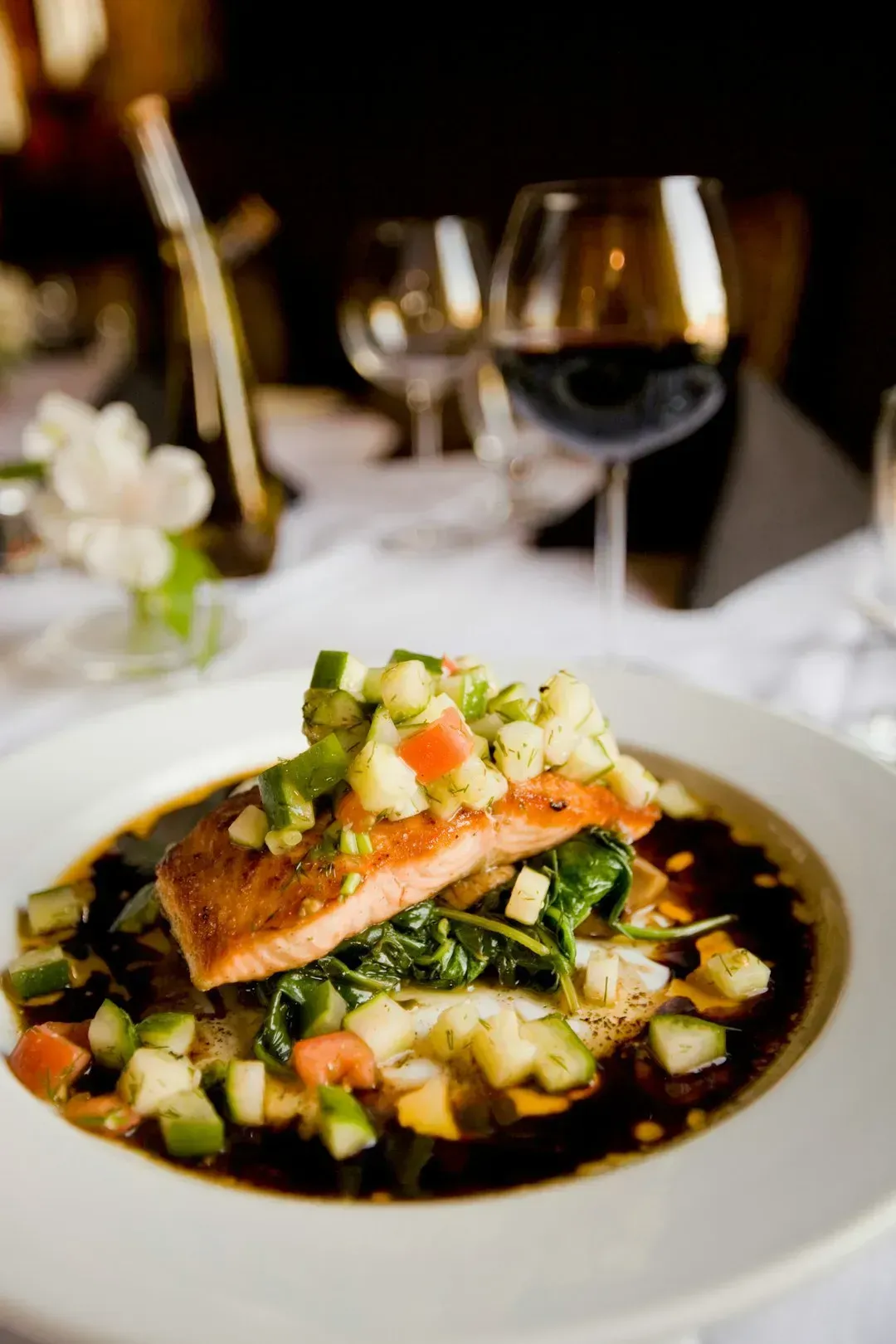
Once fish is cooked, it’s hard to tell what it was. The swap is even easier in restaurants, where fish is usually presented under sauce, in breading, or otherwise disguised. That’s part of why a heavy coating can be a reason to ask questions.
Tasting Table makes a similar point. If seafood dishes have too many complicated sauces and garnishes, the chef may be trying to hide something. A little sauce is fine, but a dish that’s swimming in it deserves a second look.
3. Wild Caught Claims That Aren’t Quite True
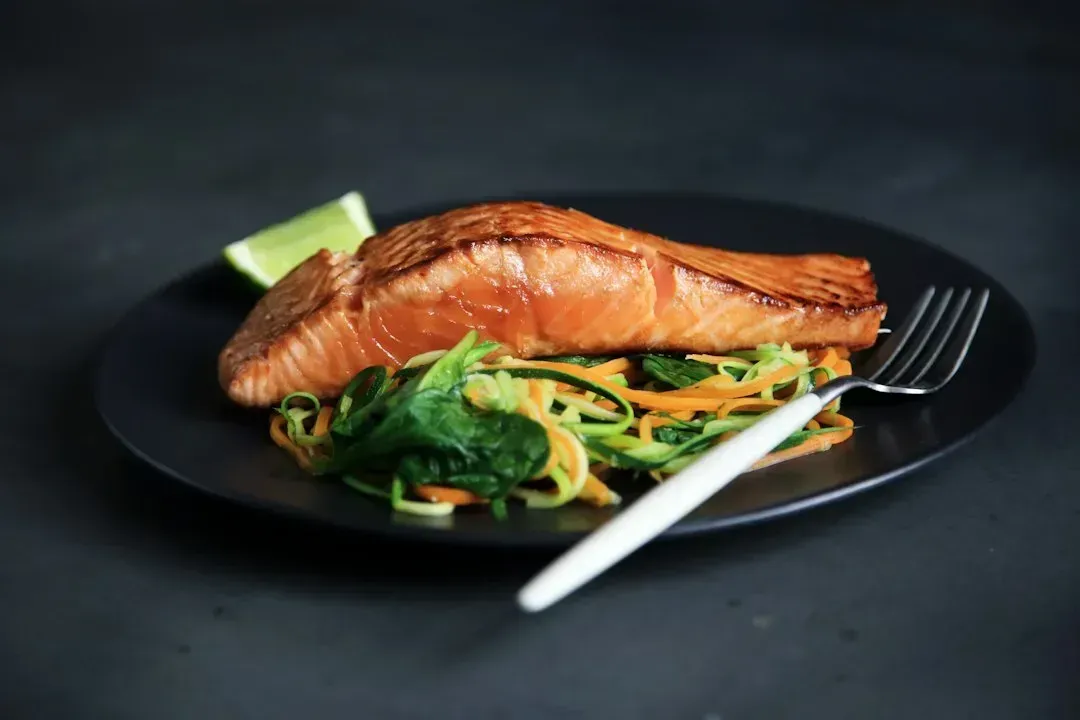
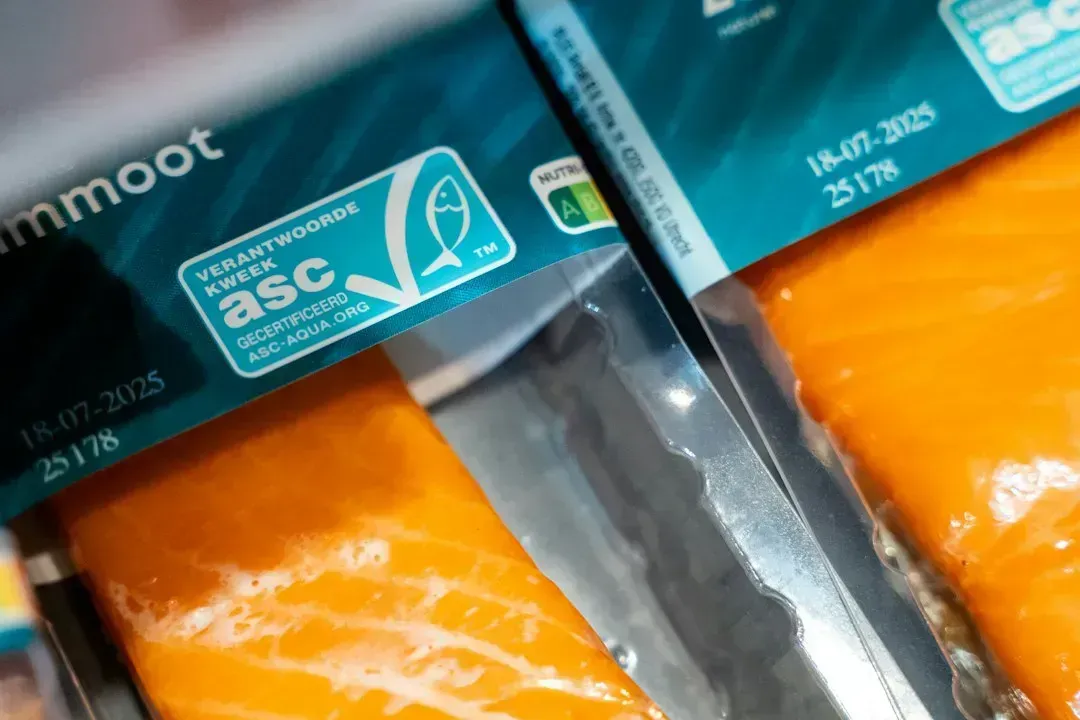
Labels like wild or premium can add a lot to a price. Oceana, an ocean conservation group, compiled research from about two hundred studies and found that roughly one fifth of seafood sold worldwide is mislabeled. A wild caught salmon commanding a high price may actually be cheaper farmed salmon.
Not everyone agrees on how widespread the problem is. The National Fisheries Institute, an industry group, disputes the scale the report suggests. The fair takeaway is that mislabeling is real, but the exact rate depends on the species, the place and the study.
4. Locally Caught Labels That Stretch the Truth
Local sounds fresh and trustworthy, which is why it sells. A New Orleans shrimp po boy or a Maine lobster roll could have been made with seafood from China or India, straight from the freezer.
The Takeout explains how it works. Seafood may be labeled locally caught when it isn’t, which lets illegally caught or cheap frozen seafood from faraway places be served. Asking where and when something was caught is a reasonable question, and a good kitchen can usually answer it.
5. Short Weighting and Bulked Up Portions
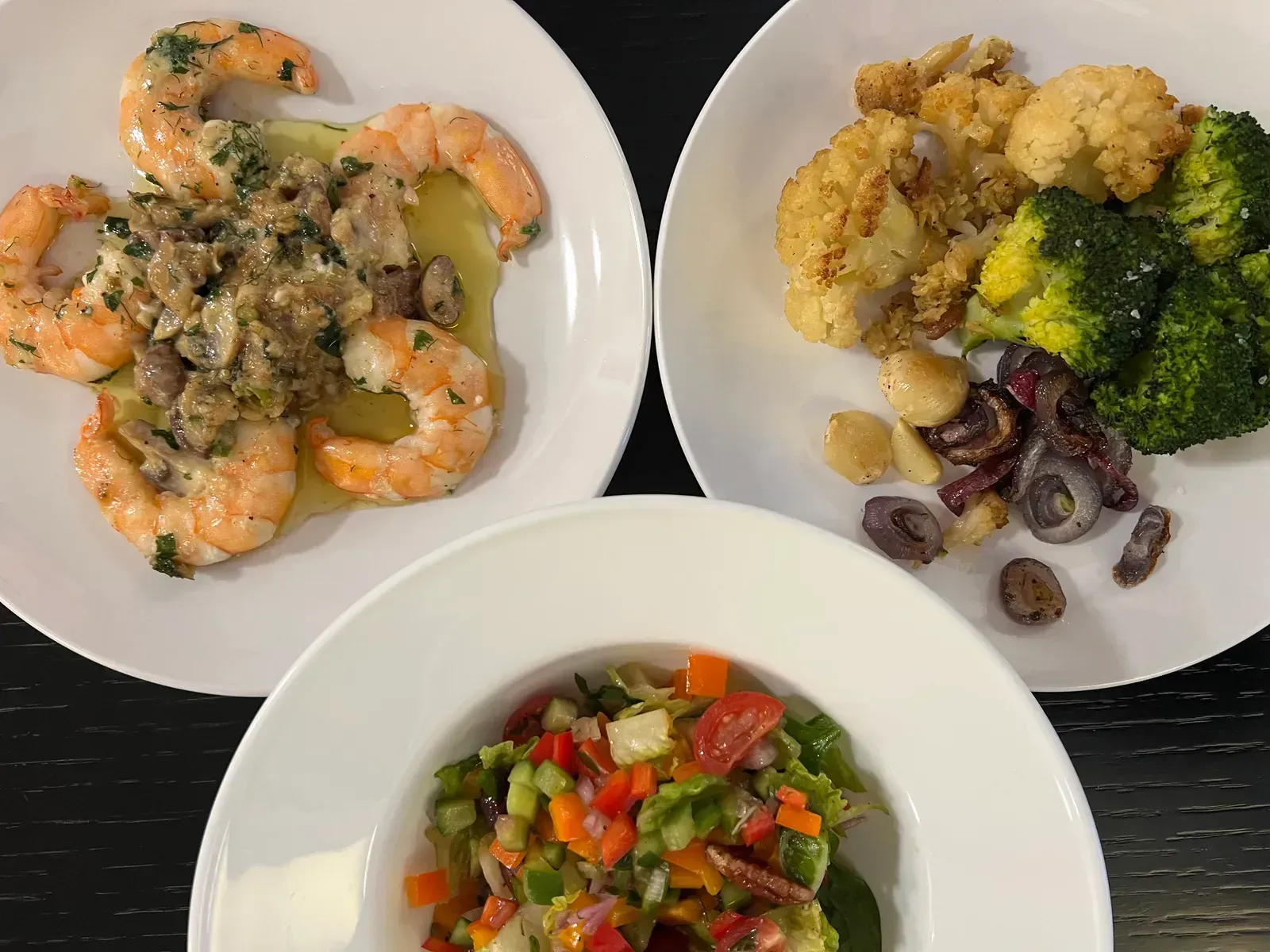
Sometimes you get the right product, only less of it. A vendor bulks up seafood with things like ice or additives, then charges the full price by weight.
This one is more common when food is sold by the pound, such as market priced items. If a menu lists a price per ounce or per pound, it’s fair to ask what a portion weighs before you order.
6. Menu Photos and Specials That Don’t Deliver
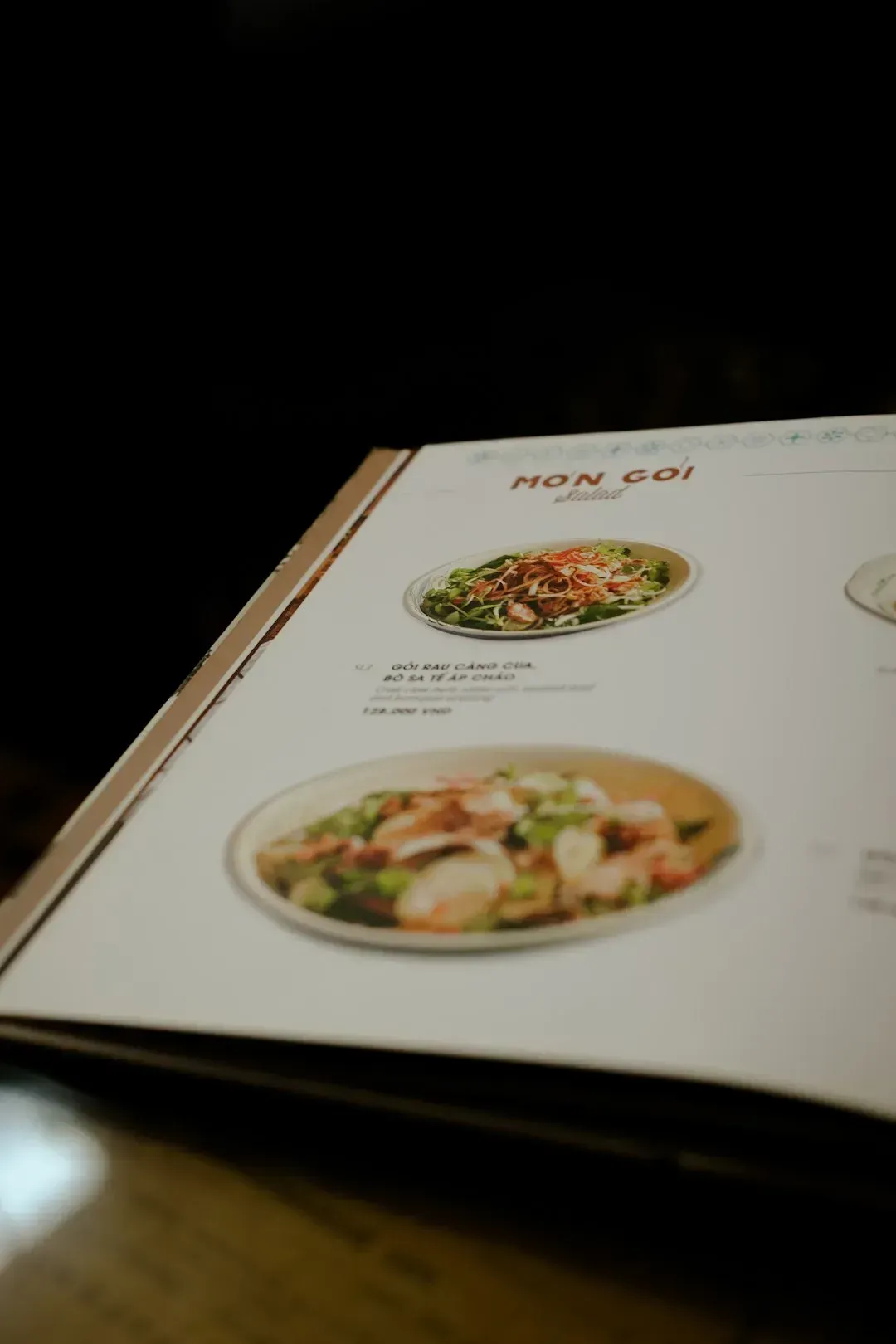
A glossy photo can set expectations the kitchen won’t meet. Some places use stock images, which creates that bait and switch feeling when your order arrives.
Specials can work the same way. They can make the most of seasonal ingredients, but they can also be a handy way for kitchens to clear products close to being past their best. Limited time offers lean on people’s fear of missing out. Ask what makes the special special before you commit.
7. Hidden Fees on the Final Bill
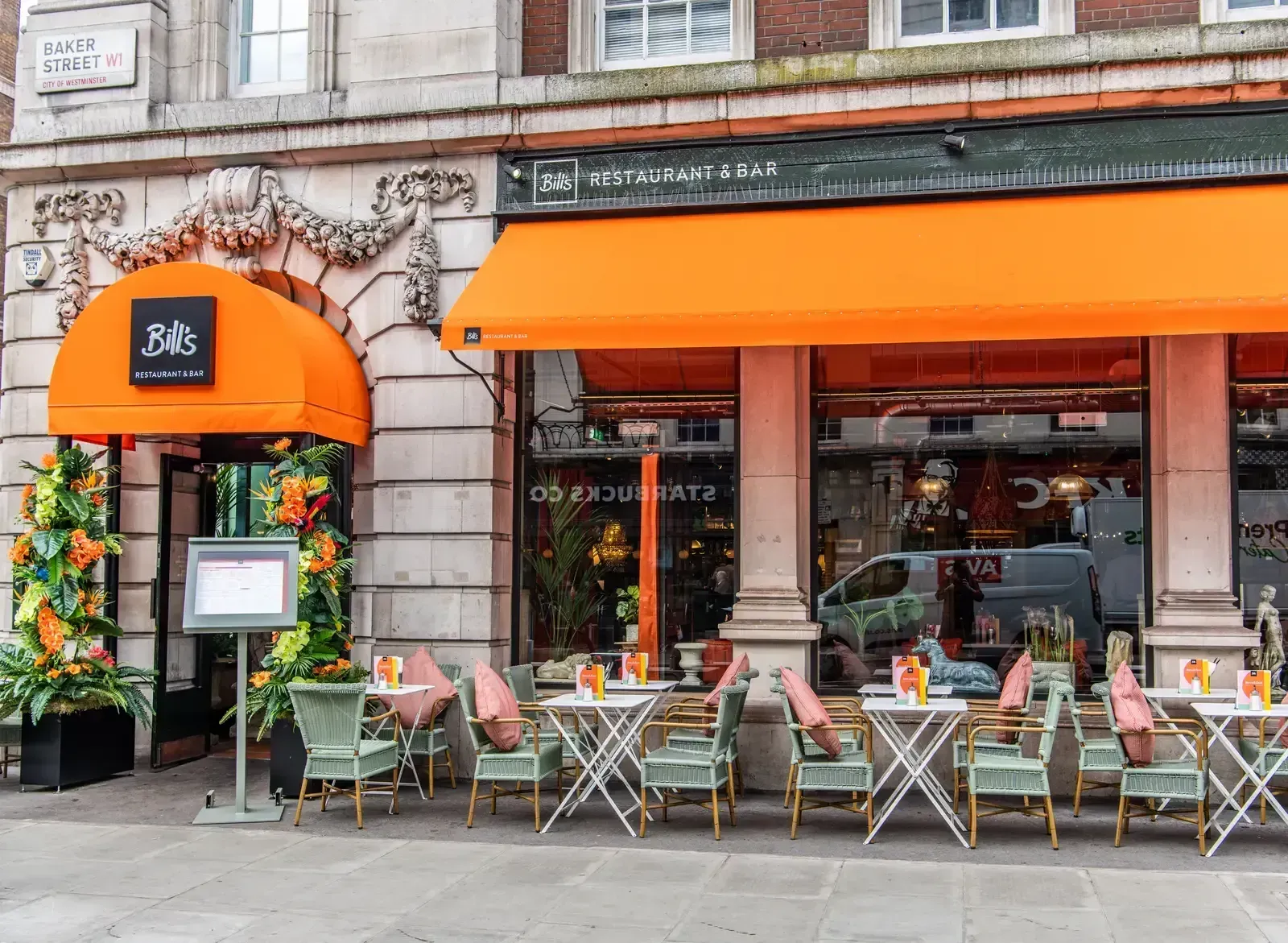
The menu price isn’t always the price you pay. Some restaurants add vague service or kitchen fees to the final bill. Those lines can land on top of a tip you were already planning to leave.
Rules are tightening in places. California’s law against hidden fees took effect in July 2024 and requires prices to include mandatory charges, with limited exceptions such as taxes. Wherever you live, it helps to check the bottom of the menu and the itemized receipt before you sign.
8. Fake and Paid Online Reviews

A restaurant with a wall of perfect ratings may have bought them. Paid review networks can rapidly sway public perception, sometimes offering dozens of perfect reviews for a nominal fee. These tactics can make a lackluster place look like a must visit hotspot.
Be careful with exact numbers here. One widely repeated figure attributes a claim about fake restaurant reviews to a 2023 FTC study, but I couldn’t verify that from the FTC itself. A safer approach is to read the middle ratings, look for specific details, and be skeptical of a sudden burst of glowing posts.
9. Bait Vouchers and Shifting Prices
Deep discount offers can be a lure. In one Thai case, a seafood restaurant reeled in customers with vouchers for highly discounted meals. After patrons took the bait, the price switched to something much higher.
The case ended in court. BBC News reported that in 2020 the owners were sentenced to 1,446 years in prison after being convicted of 723 counts of fraud. In general, bait and switch means advertising a special price or top quality item, then claiming it’s unavailable to push a similar, more expensive one. Screenshot the offer and confirm the terms before you sit down.


Leave a Reply