
Walk through any cruise port terminal on a busy morning and you can usually spot the veteran cruisers within seconds. They’re not the ones sprinting toward the gangway the moment doors open, nor are they the ones fumbling through a bag looking for a passport. They move with a kind of quiet efficiency, like they’ve done this a hundred times, because often they have.
That calm doesn’t come from luck. It comes from a handful of small, repeatable habits that seasoned travelers pick up after enough embarkation days, some smooth and some chaotic. Here are nine of those habits, the ones that separate a relaxed start to a cruise from a stressful scramble at the terminal.
1. They check in online days, not hours, before boarding
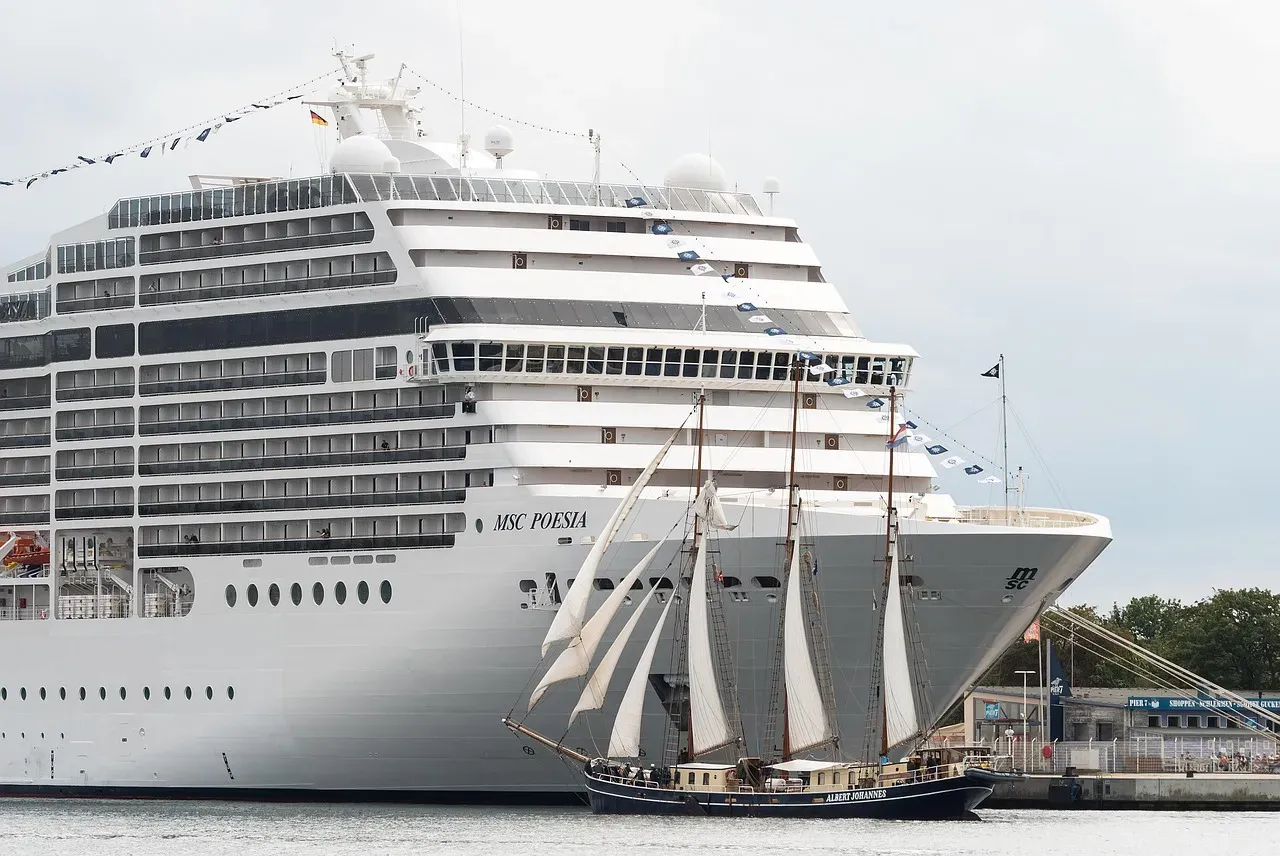
Most major cruise lines, including Royal Caribbean, Carnival, and Norwegian, require online check-in to be completed at least a few days ahead of departure, and veteran cruisers treat that deadline as non-negotiable. They fill out the health questionnaire, upload identification, and select their arrival time window well before the final week arrives. This single step avoids the long manual check-in lines that still trip up first-time cruisers at the terminal.
Completing this early also locks in a boarding pass and luggage tags that can be printed at home. Seasoned travelers know that terminals get congested fast, especially on ships carrying several thousand passengers, so anything done in advance saves real time on embarkation morning. It’s a small administrative task that pays off in a much shorter wait later.
2. They book the earliest realistic arrival slot
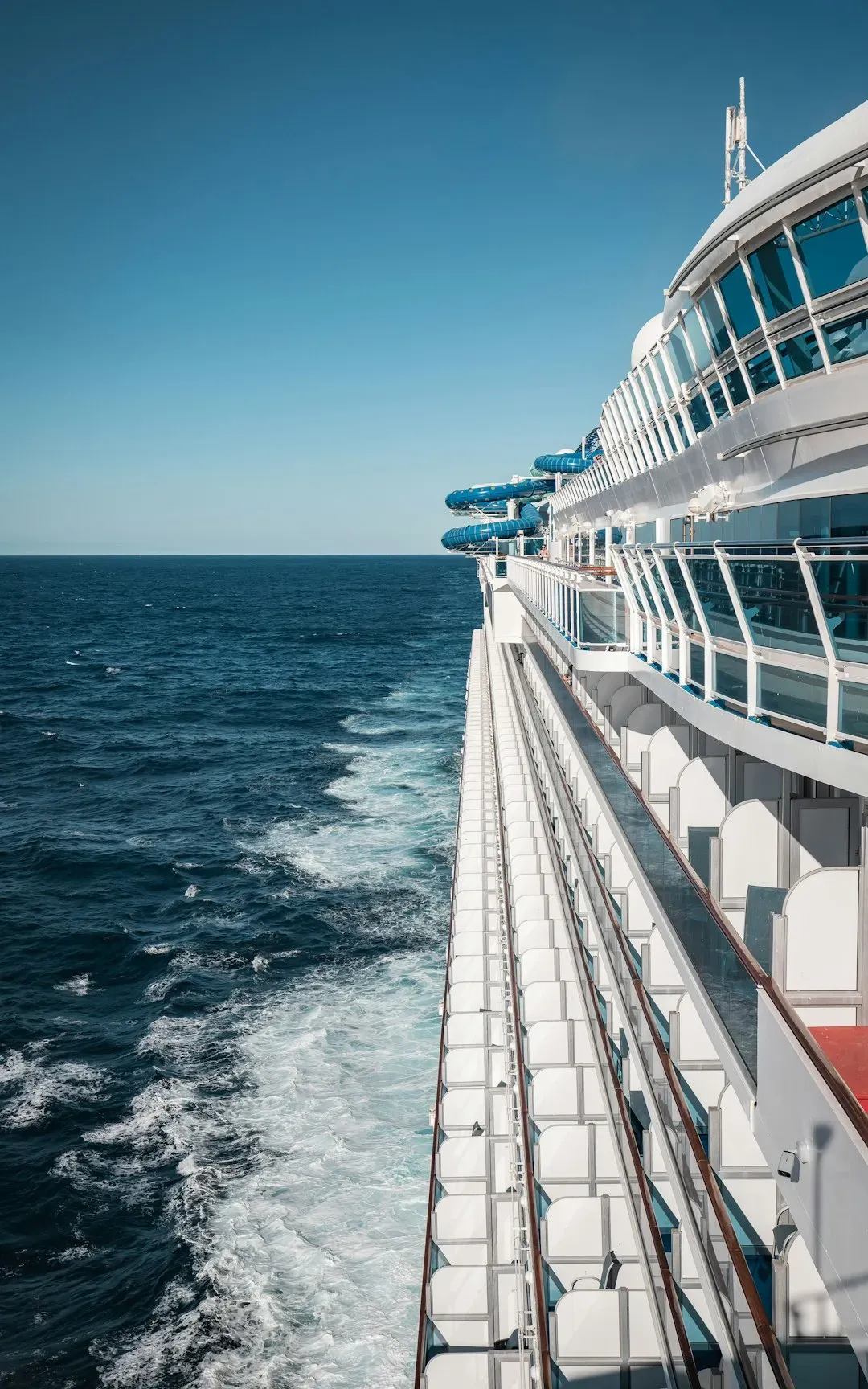
Cruise lines assign arrival windows to spread out the crowd, and experienced cruisers grab the earliest slot they can reasonably make. Arriving right when boarding opens, typically between eleven in the morning and noon depending on the port and ship, means shorter lines and a faster path to the ship’s open decks and lunch buffet. Waiting until mid-afternoon often means merging into a much larger wave of passengers all trying to board at once.
This habit isn’t about rushing for the sake of it. It’s about avoiding the bottleneck that builds as the day goes on, particularly at busy ports like Miami, Port Canaveral, or Galveston during peak cruise season. Getting there early simply means more relaxed hours onboard before the ship even leaves the dock.
3. They pack a small carry-on with essentials for the first few hours
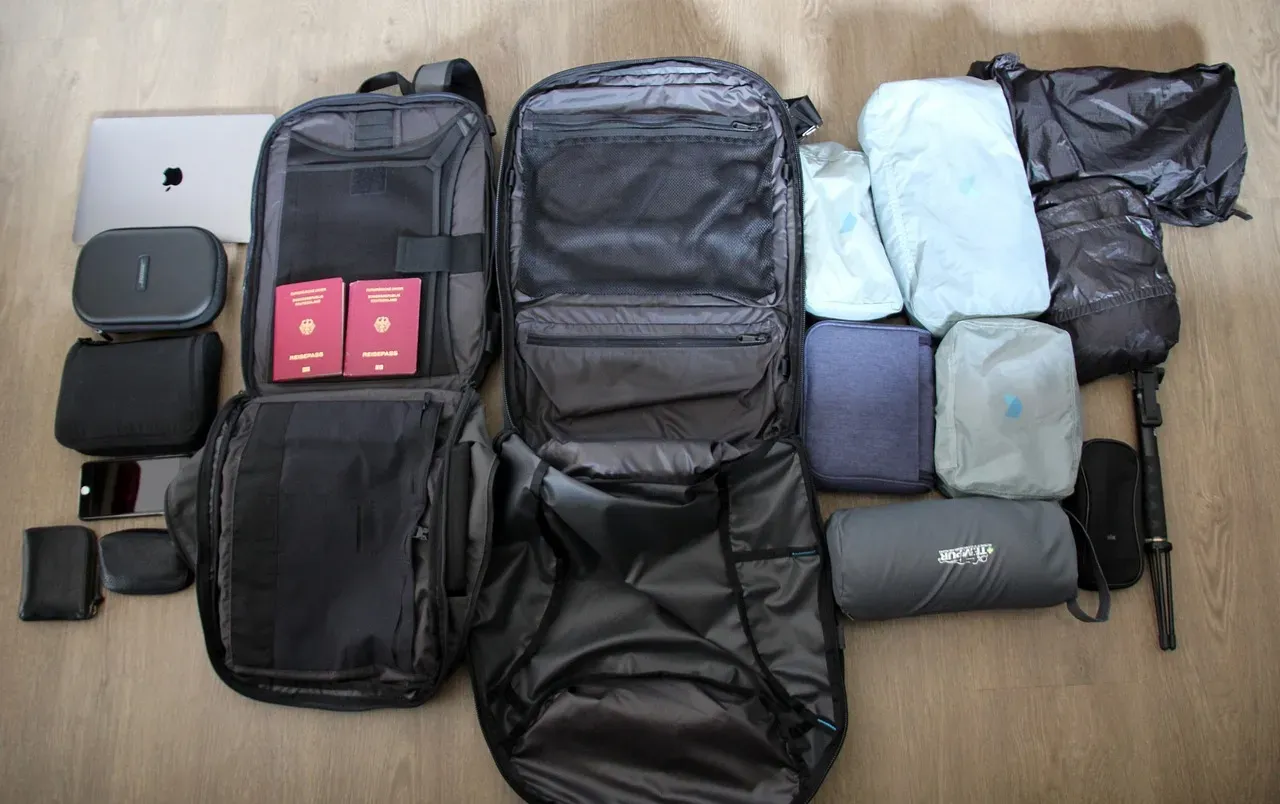
Checked luggage doesn’t usually arrive at the cabin door until sometime in the afternoon, often several hours after boarding. Veteran cruisers always pack a separate day bag with swimwear, medications, chargers, a change of clothes, and important documents so they’re not stuck waiting around for suitcases before enjoying the ship. This habit becomes especially important on turnaround days when thousands of bags are being sorted at once.
This bag typically stays with the passenger through security and check-in rather than getting handed off to porters. It also usually includes snacks or a refillable water bottle, since embarkation day dining can be crowded and lines for the buffet can stretch long during the first rush of passengers.
4. They keep documents in one dedicated folder or pouch
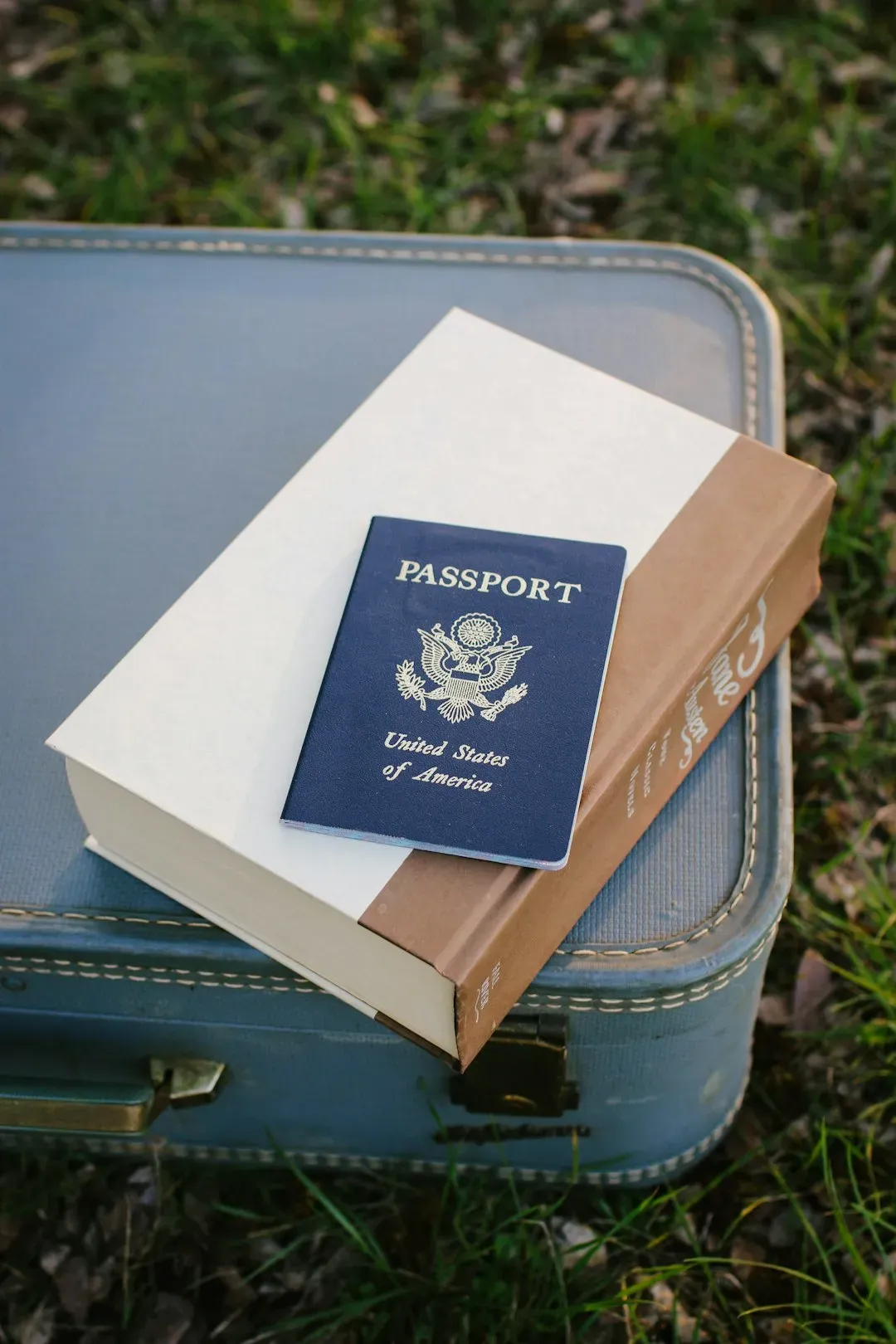
Passports, boarding passes, vaccination records if required, and printed luggage tags all tend to live in one place for experienced cruisers, usually a slim folder or a zippered pouch kept in a jacket or bag pocket. This avoids the frantic patting-down search that happens when a document gets buried under sunscreen and paperback novels. It also speeds up the multiple document checks that happen between the drop-off point, security, and the actual boarding desk.
Some travelers go a step further and keep digital backups on their phone, since several cruise lines now allow boarding passes to be shown from a mobile app. Still, having a physical copy remains a smart backup in case of spotty WiFi or a dead battery at the worst possible moment.
5. They research the port’s specific drop-off and parking setup ahead of time

Every cruise port has its own quirks, and veteran cruisers look into logistics before travel day rather than figuring it out on the spot. Some terminals have separate lanes for rideshare drop-off, taxis, and personal vehicles, and getting this wrong can add unnecessary walking or waiting. Ports like Port Everglades or the Port of Los Angeles have distinct terminal buildings depending on the cruise line, so confirming the exact terminal number in advance avoids confusion.
This habit extends to parking as well. Experienced cruisers often pre-book parking through the port’s official garage or a trusted off-site lot, since prices and availability can shift closer to sailing dates, particularly during holiday weeks or summer months when demand is higher.
6. They dress and pack for a security screening, not a beach day
Cruise terminal security resembles airport screening in many ways, with bags run through X-ray machines and passengers walking through metal detectors. Veteran cruisers avoid wearing bulky jewelry, oversized belts, or shoes that are hard to remove, since these small choices can slow down the line for everyone behind them. They also know that certain items, like large bottles of liquor beyond the line’s allowance or dry ice for coolers, are restricted or banned outright depending on the cruise line’s policy.
Because rules can vary between lines and even change slightly year to year, experienced travelers check the specific cruise line’s prohibited items list shortly before departure. This prevents an unpleasant surprise at the X-ray belt, where confiscation of a forgotten item is the last thing anyone wants on the first morning of a trip.
7. They eat a real meal before heading to the terminal

Embarkation day lunch onboard can be a madhouse, with buffet lines stretching long as thousands of passengers board within a compressed window. Seasoned cruisers often eat a solid breakfast or early lunch before arriving at the port, knowing that food service onboard may be limited to just a few venues until the ship is fully boarded and organized. This small habit prevents the frustration of standing in a slow-moving buffet line while feeling hungry and impatient.
It also means the first meal onboard becomes something to enjoy rather than rush through. Many veteran travelers use those early hours to explore the ship, drop by the guest services desk if needed, or simply relax on a top deck while newer passengers are still hunting for a table.
8. They confirm final payment and gratuity details before sailing
Unexpected charges or unresolved payment holds at the terminal can slow down check-in significantly. Veteran cruisers review their onboard account setup, confirm that a credit card is properly linked, and check whether gratuities have been prepaid or need to be settled at check-in. This is particularly relevant since cruise lines periodically adjust their daily gratuity rates, and confirming the current rate avoids confusion when the final bill arrives at the end of the trip.
This habit also includes double-checking any onboard credit, prepaid packages, or specialty dining reservations tied to the booking. Handling these details digitally in the days before travel means there’s nothing left to sort out at a check-in counter while a line builds up behind them.
9. They stay flexible and patient once they’re in the terminal
Even with every step done perfectly, embarkation day involves waiting, and veteran cruisers accept that as part of the process rather than a personal inconvenience. Lines move at the pace of the slowest passenger ahead, weather can delay a ship’s arrival into port, and staffing at any given terminal varies by day. Rather than getting visibly frustrated, experienced travelers tend to treat the wait as the first quiet moment of vacation, often chatting with other passengers or simply people-watching.
This patience isn’t passive resignation, though. It comes from knowing that once boarding actually begins, things typically move quickly, and the short wait is a small price for the weeks of anticipation leading up to it. Keeping that mindset tends to make embarkation day feel more like the start of something good rather than an obstacle to get through.
These nine habits share a common thread: they’re all about removing friction before it has a chance to build. None of them require special access or elite loyalty status, just a bit of forethought applied consistently. For anyone gearing up for their next sailing, borrowing even a few of these habits can turn embarkation day from a logistical hurdle into the relaxed opening chapter of the trip it’s meant to be.





Leave a Reply