
Walk into a home that always looks calm, and it’s easy to assume the owner spends every evening scrubbing. Most of the time, that isn’t what’s happening. The tidiest households tend to rely on small routines that run quietly in the background.
Behavioral research on habits points the same way. Repeated actions tied to an existing cue become automatic with practice, which means they take less effort over time. The nine habits below work on that principle.
They Put Things Back Right Away

The simplest habit is also the most powerful. When an item goes back to its place the moment you finish using it, clutter never gets the chance to form. It takes seconds, while clearing a pile later takes far longer.
Many organizers describe this as the one-touch idea: handle something once, and finish the job. A mug goes to the dishwasher instead of the counter, and a jacket goes on a hook instead of a chair. Over a week, those saved minutes add up.
They Give Every Item a Defined Home
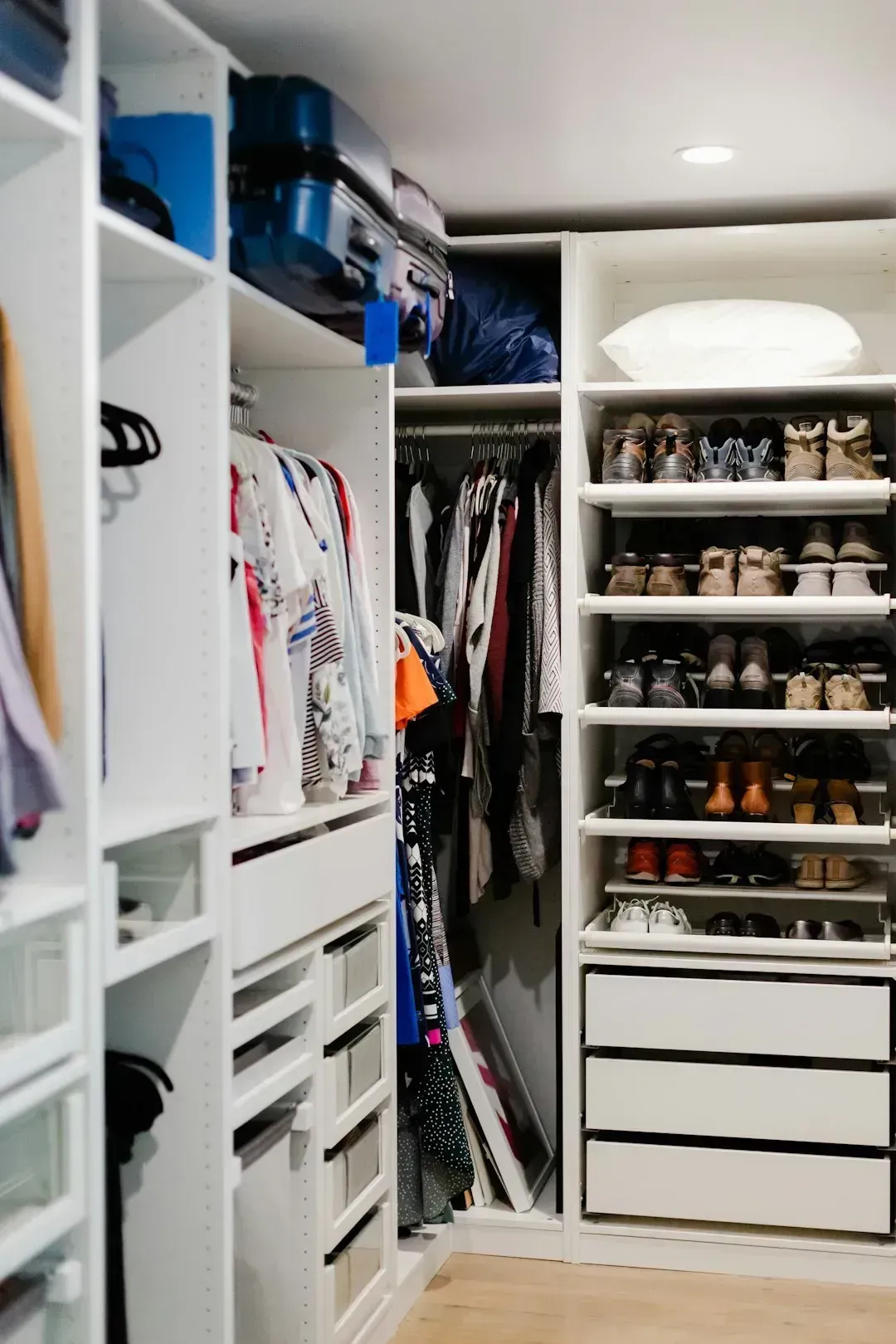
Mess often comes from objects that don’t belong anywhere. If keys, chargers, and mail have no assigned spot, they land wherever is convenient. Tidy people decide on a location first, then stick with it.
The location should match how you actually live. A basket by the door for shoes works better than a closet down the hall that nobody uses. If putting something away takes more than a few steps, it usually won’t happen.
They Anchor Tidying to Existing Routines
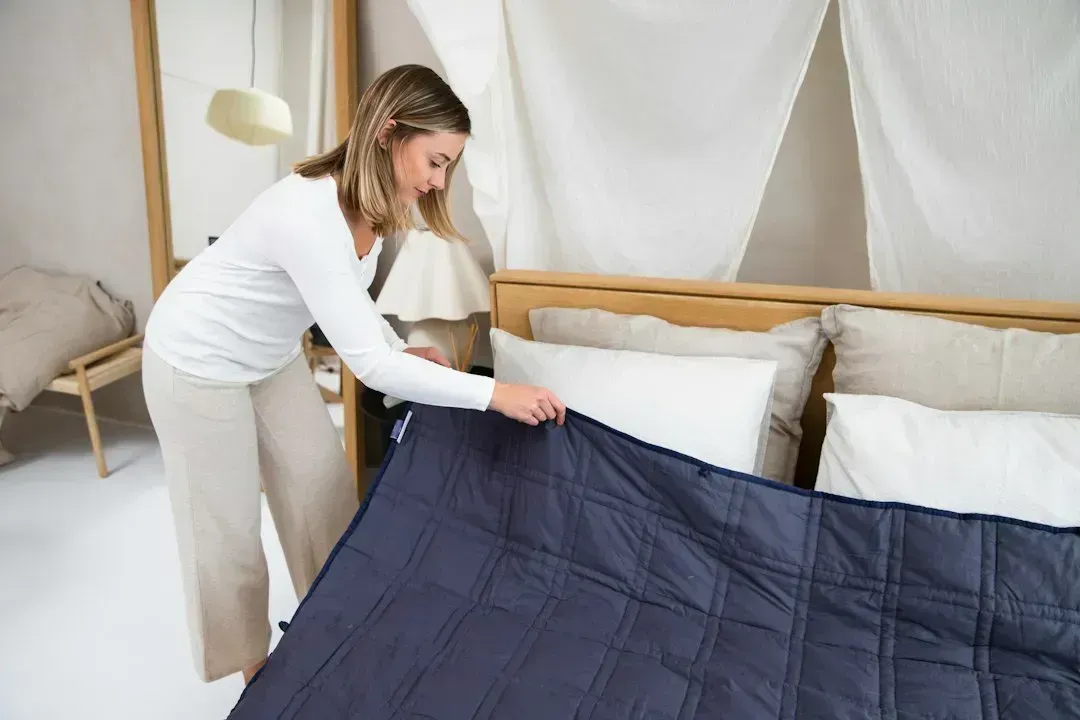
Habit researchers have long found that linking a new behavior to an established one helps it stick. A widely cited study from University College London, published in 2009 in the European Journal of Social Psychology, found that habits took anywhere from about two to eight months to become automatic, with an average of roughly two months. Attaching a task to a daily cue gives it a better chance of surviving that stretch.
Tidy households often do this without thinking about it. Wiping the bathroom sink after brushing teeth, or clearing the counter while the kettle boils, costs almost nothing. The cue does the remembering for you.
They Use Short Daily Resets

Instead of one marathon session on the weekend, they do a quick reset once a day. Ten minutes is common advice, usually before bed, to return the main living areas to a baseline. Waking up to a clear kitchen sets a different tone for the morning.
A timer helps keep it contained. The goal isn’t deep cleaning, only surfaces cleared, dishes handled, and cushions straightened. When the reset ends, so does the work.
They Own Less Stuff

Fewer belongings mean fewer things to clean around, sort, and misplace. Many tidy households regularly pass along items they no longer use, rather than waiting for a major purge. A simple rule, such as removing one item whenever a new one arrives, keeps the total steady.
There’s some research behind the stress side of this. A well-known 2009 study by UCLA’s Center on Everyday Lives and Families found that women who described their homes as cluttered had higher cortisol patterns through the day. It was a small study, but it fits what many people report about visual clutter.
They Clean as They Go

Cooking is a good example. People who keep things tidy rinse pans while food simmers and wipe the counter between steps. By the time the meal is ready, most of the cleanup is already done.
The same applies elsewhere. A quick spray of the shower after use, or a wipe of a spill when it happens, stops grime from setting. Fresh messes come off easily, and old ones need scrubbing.
They Stay Ahead of Laundry and Dishes
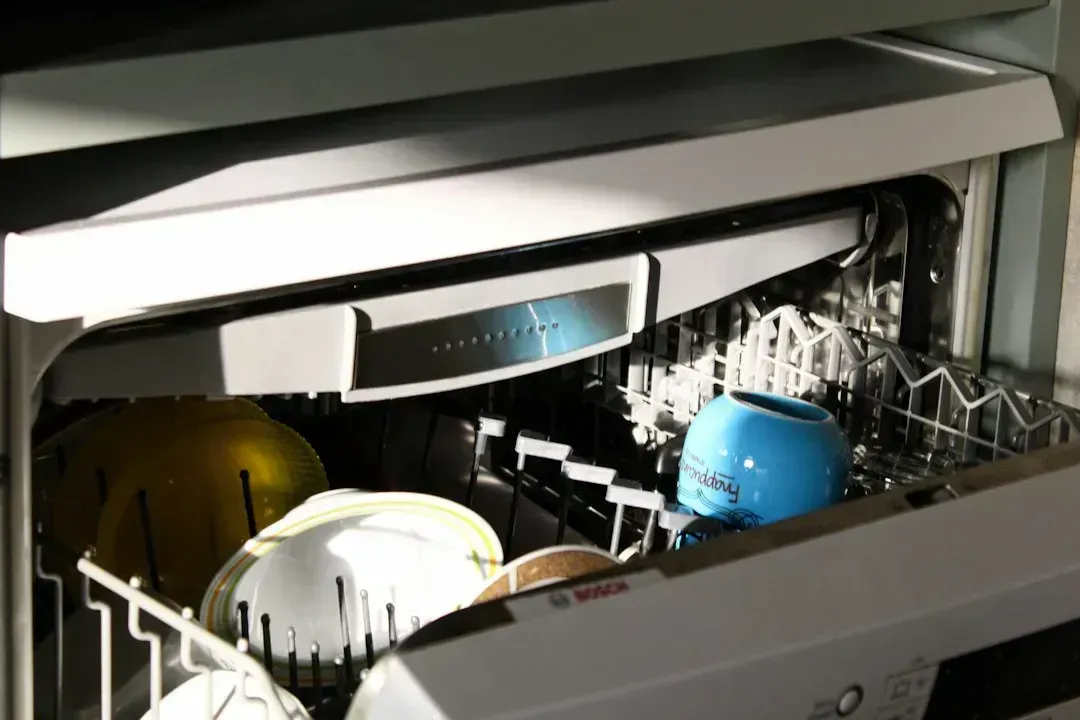
Laundry and dishes are the two chores that visibly pile up fastest. Tidy households tend to run small, frequent loads rather than waiting for a mountain to build. Running the dishwasher every night is a common version of this.
Folding right out of the dryer matters too. Clothes left in a basket quickly become a second wardrobe on the floor. Finishing the cycle, from wash to drawer, keeps the chore from lingering.
They Share the Load
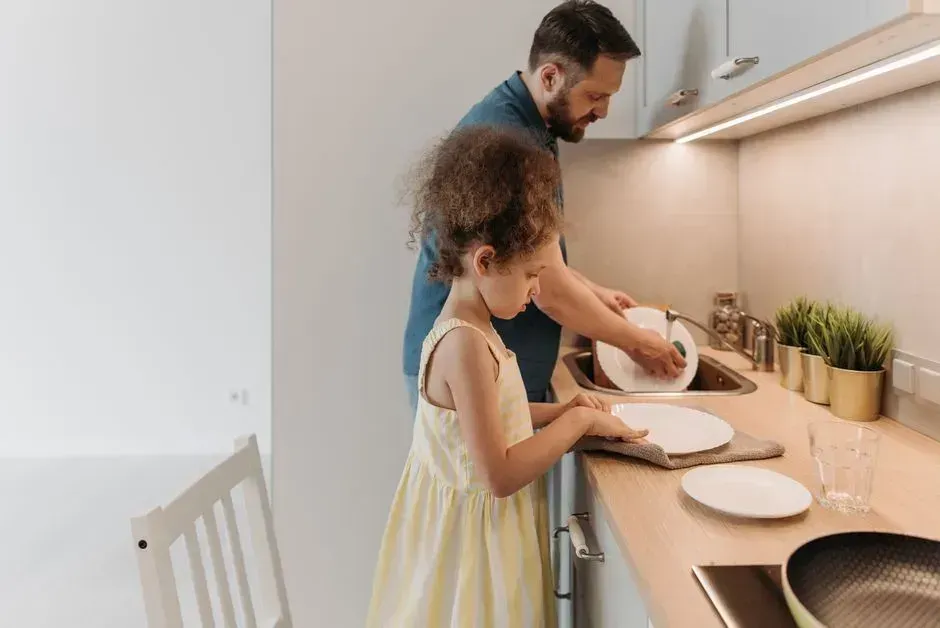
A tidy home rarely depends on one person doing everything. Households that assign clear tasks, even small ones for children, spread the effort out. Age appropriate chores also build skills that kids carry with them.
Time use surveys, including the US Bureau of Labor Statistics’ American Time Use Survey, consistently show that household activities take up a meaningful part of the average day. Dividing them reduces the burden on any one person. Clear expectations also prevent the quiet resentment that unevenly shared chores can cause.
They Keep Surfaces Clear and Simple
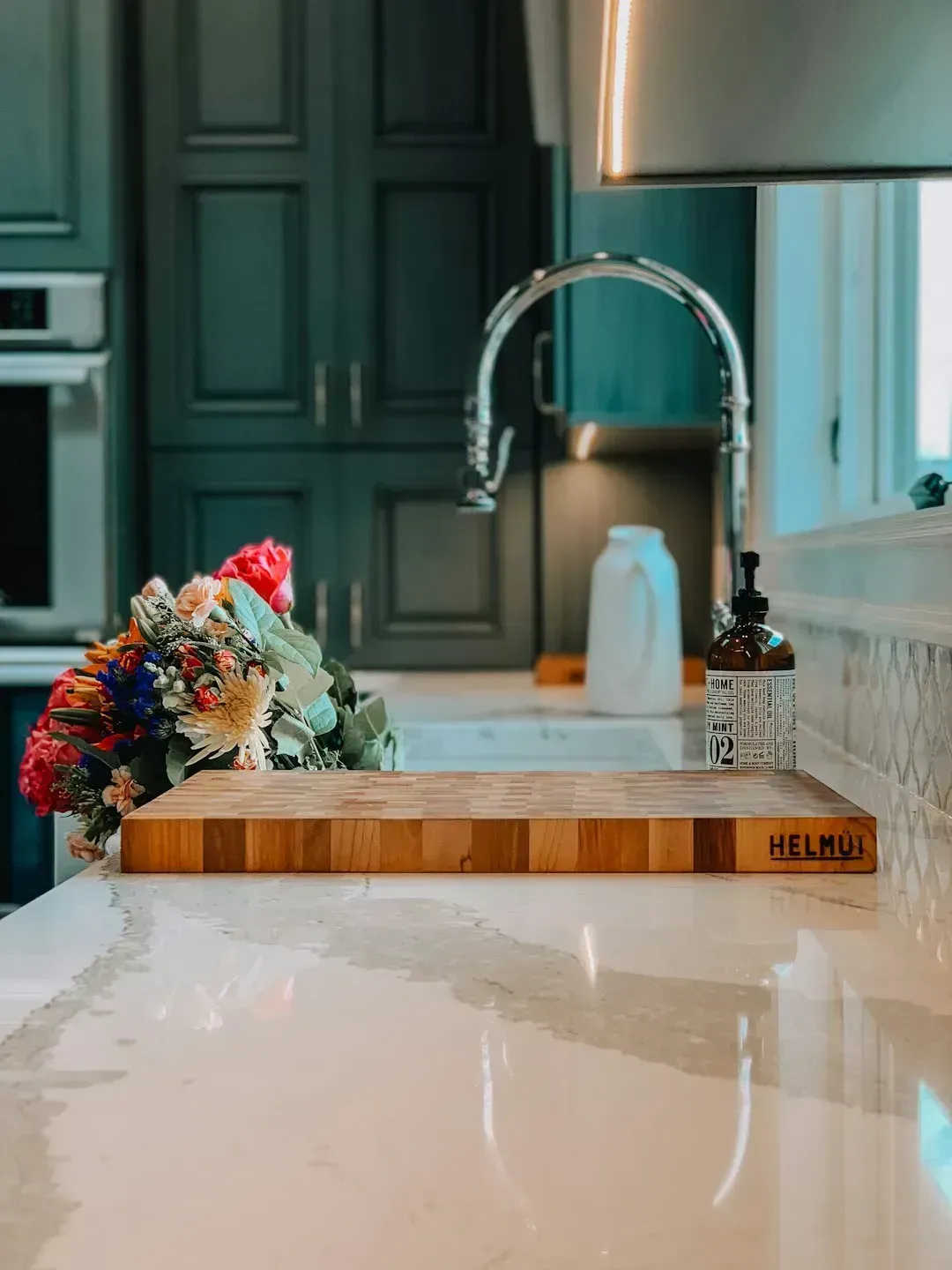
Clear counters and tables make a room look tidy and make cleaning much faster. With nothing in the way, a quick wipe takes seconds. Tidy people often limit what stays out to a few items that genuinely get daily use.
Entryways, kitchen counters, and nightstands tend to collect the most clutter, so they get extra attention. A tray can corral small items into one visible group. That keeps the space intentional rather than messy.
Together, these habits show that a tidy home comes more from consistency than from effort. Small actions, repeated daily, do most of the work.




Leave a Reply