
There’s something quietly telling about how people behave at home when no one’s watching. The way someone wipes down the counter before bed, says thank you at the dinner table, or replaces the last roll of toilet paper without being asked – these aren’t dramatic gestures. They’re the residue of something deeper, shaped long before adulthood.
The most common way strong values get passed down isn’t through lectures or family meetings – it’s through everyday, nonverbal behavior. Family members infer values from what they see others do in ordinary moments. Our habits shape lives more deeply than most people realize. Research from Duke University suggests that habits drive roughly two-fifths of our daily behaviors. The nine habits below aren’t rules anyone consciously follows. For people raised with a strong moral foundation, they just happen.
1. Sitting Down Together for Meals

The average family meal lasts barely 20 minutes, but few other settings in family life have such potential to influence children’s behavior and development. Sharing a meal regularly can boost children’s health and wellbeing, reducing the likelihood that they’ll become obese or use substances, and increasing the chances that they’ll do well in school. People raised in households where this was simply the norm tend to carry it forward without giving it much thought.
Family meals often serve as a time to pass down cultural traditions, family recipes, and values. Whether it’s sharing stories from the past, teaching children how to cook, or discussing the importance of gratitude, meals offer a setting to nurture a family’s identity. These traditions, whether big or small, help create lasting memories that can be carried on to future generations. For people raised this way, setting the table isn’t a chore – it’s just what you do.
2. Expressing Gratitude Out Loud

Family meals go beyond nutritional value – they are fertile ground for meaningful conversations, modeling behavior, and creating traditions that instill values. Gratitude, in particular, is best nurtured in environments where children can observe and practice it regularly. When parents openly express thankfulness for the meal, the cook, or simply the chance to be together, children internalize these moments.
People raised with this habit don’t announce their gratitude with fanfare. It shows up in small, almost reflexive ways – a genuine “thank you” when someone holds a door, acknowledging a coworker’s effort, or pausing before a meal. Teaching gratitude doesn’t require grand gestures. It often begins with recognizing the small, everyday moments that children can connect with emotionally. Those moments accumulate into a lifelong reflex.
3. Tidying Up Without Being Told
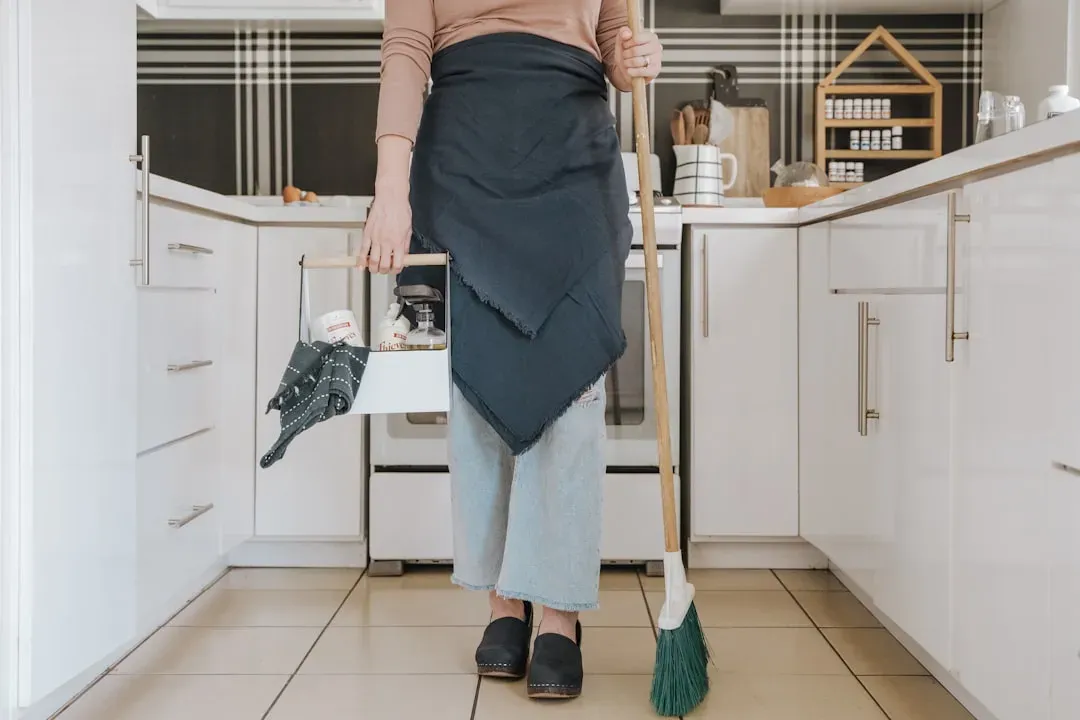
People who keep strong habits usually set up their environment to make good behaviors easy and bad ones hard. Environmental cues trigger automatic responses through the cue-routine-reward loop. In households with strong values, cleanliness and order aren’t imposed through rules – they’re absorbed as a quiet standard. Kids watch a parent wipe down the stovetop before bed and, eventually, they do the same.
The family is the first place we learn about the world, including our relationship with our habits of consumption. The values and behaviors established within a family unit often last a lifetime. Tidying up automatically isn’t about perfectionism. It’s about respect – for the shared space, for the people you live with, and for the effort that goes into maintaining a home.
4. Owning Mistakes Directly

Values are strong beliefs and feelings about what is good and important. They are among the most stable traits across the lifespan. Honesty and accountability, when modeled consistently in childhood, become deeply ingrained. People raised in homes where adults admitted their own mistakes – without excuses or deflection – tend to do the same as adults, often before anyone even asks.
Kids learn from watching the adults around them, so behavior matters more than instruction. If honesty is held as a family value, children notice immediately when actions don’t match it. The habit of owning a mistake, saying “I got that wrong” and moving on cleanly, comes naturally to people for whom accountability was just a normal part of home life. It doesn’t feel heroic. It feels obvious.
5. Keeping Shared Spaces Respectful
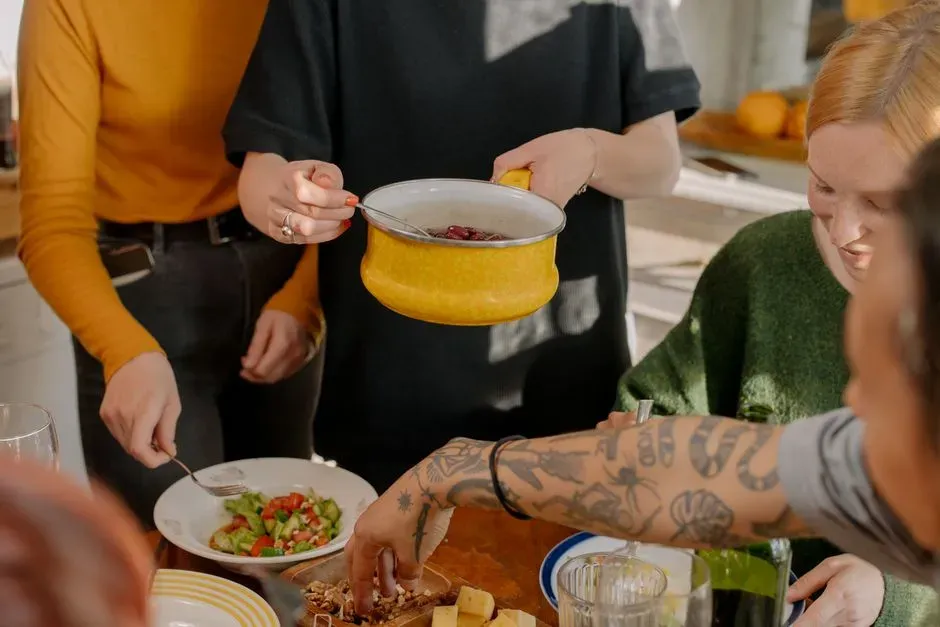
Strong family values are the foundation of a happy and loving household. These shared ideals shape a family’s morals, priorities, structures, and traditions. One of the most visible expressions of those shared ideals is how people treat communal areas – the kitchen, the bathroom, the living room. People raised with strong values tend to leave shared spaces in at least as good a condition as they found them, often better.
A values-driven family culture describes a domestic environment where shared ethical beliefs and core principles guide daily behaviors, decision-making, and resource allocation across all members. That kind of environment means no one expects someone else to clean up their mess. Consideration for others isn’t a rule anyone enforces – it’s just the ambient standard of the house.
6. Involving Everyone in Household Responsibilities

Research shows children involved in meal preparation eat significantly more vegetables and develop better food preferences. Creating shared responsibilities around meal planning teaches healthy behaviors while building teamwork. The same principle extends far beyond cooking. In homes where contributions were expected from everyone – regardless of age – children grow into adults who instinctively pitch in.
Family meals offer countless opportunities to teach practical life skills, from cooking to table manners. Parents can involve children in meal preparation, teaching them how to chop, sauté, or bake, while simultaneously imparting lessons on responsibility, patience, and teamwork. Adults raised in this kind of household don’t wait to be assigned a task when guests are over or when someone needs help. They just start doing something useful.
7. Maintaining Consistent Routines

Establishing daily routines, particularly bedtime routines, has been associated with improved sleep patterns and fewer sleep issues in children, even those with chronic health conditions. Consistent routines in childhood do more than keep a schedule tidy. They teach children that life has a dependable structure – that certain things happen at certain times because they matter. Family routines correlate with fewer behavior problems in children and reduced emotional difficulties in adolescents facing cumulative risk factors.
Frequent family meals may also serve as a family routine and ritual. A long-standing body of evidence suggests that family routines and rituals are associated with better health and wellbeing for all family members, as well as feelings of parenting competence and marital satisfaction. Adults who internalized this in childhood tend to build structure into their own homes naturally – not out of rigidity, but because the rhythm of routine genuinely feels grounding.
8. Modeling Respectful Disagreement

Research has found a strong correlation between living in accordance with one’s values and psychological wellbeing. This alignment, often called value congruence, is associated with greater life satisfaction, self-esteem, and positive affect. Part of living by strong values is navigating conflict without abandoning them. In homes where respectful disagreement was the norm, children learned that you can hold your position and still treat the other person with dignity.
Values give families a shared language for talking, listening, and solving problems like a team. People raised in environments where conflict was handled calmly and directly carry that skill into their adult relationships – with partners, colleagues, and neighbors. They raise their voice less. They listen more. Not because they practiced it, but because it was always just what people in their house did.
9. Checking In on Others Without Prompting

The Harvard Study of Adult Development, spanning more than 85 years of research, shows that people’s level of satisfaction with their relationships at age 50 was a better predictor of physical health than their cholesterol levels, and that relationships are better predictors of long and happy lives than social class, IQ, or even genes. People raised in genuinely caring homes absorb this truth early, even if they’d never frame it that way. Checking in on others – a quick message, a visit, a phone call – becomes second nature.
Some people show care by listening to others’ stories and paying them regular visits. Others show it by providing support and being present in tangible ways. For people raised with strong values, this kind of outreach isn’t a calculated act of networking or social obligation. It’s just what you do when you care about someone. The habit runs so deep it rarely registers as a habit at all.
What’s striking about all nine of these behaviors is how unremarkable they feel to the people who practice them. There’s no fanfare, no conscious effort, no sense of virtue. Habits involve low cognitive effort and are often triggered by context cues – and when those cues were laid down in childhood by people who genuinely lived their values, the habits that follow tend to be remarkably durable. The home someone grew up in doesn’t just shape who they are. In quiet, daily ways, it keeps showing up in who they become.





Leave a Reply