
Most people think of home as the safest place on earth. And in many ways, it is. Still, hidden threats lurk in the most ordinary corners of our houses – sitting quietly in kitchen cabinets, garage shelves, and bathroom drawers, waiting to cause real harm.
The honest truth? Scientists have realized that chemicals found in a wide variety of the goods we use every day may be more toxic than previously thought. Some of these items you probably walked past this morning. Others have been sitting in your home for years, almost invisibly dangerous. Let’s dive in.
1. Expired Medications Lurking in Your Medicine Cabinet
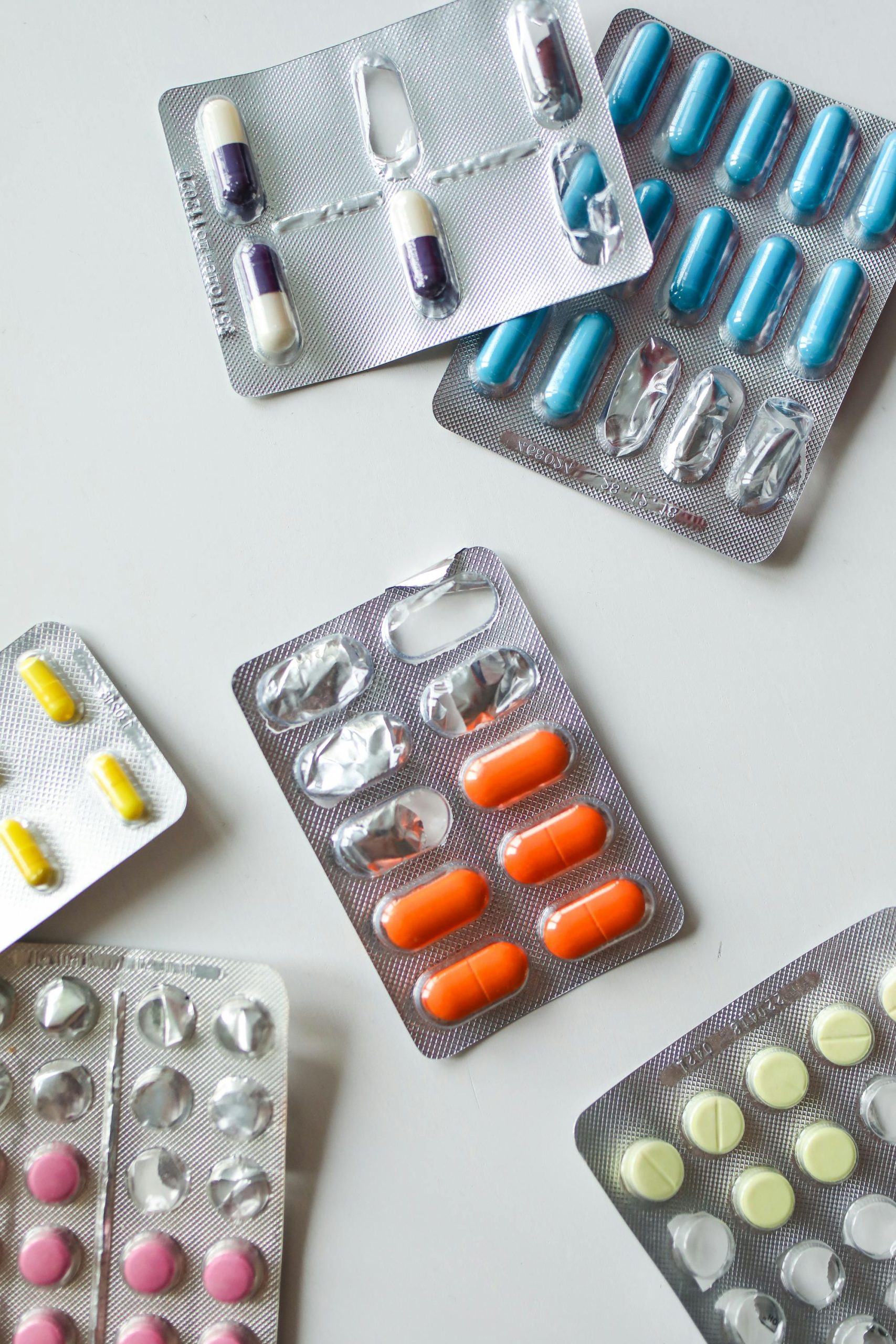
Here’s the thing – nearly all of us have done it. We stuff an old prescription into the back of the medicine cabinet and forget about it for years. Approximately nearly half of respondents in a recent study reported having unused medicines stored at home, with painkillers and antibiotics being the most common types. That sounds harmless enough, right? Not really.
The Food and Drug Administration warns against taking any expired medicine because it may not work as intended or may even be harmful to your health. Some expired medications are at risk of bacterial growth, which can cause infection, irritation and other potentially harmful side effects. Antibiotics are a particular concern. Sub-potent antibiotics can fail to treat infections, leading to more serious illnesses and antibiotic resistance.
Failing to safely dispose of old medications, especially opioids, all too often leads to dangerous drugs ending up in the wrong hands and can injure children and pets if taken by mistake. The CDC reports that in 2020, there were an estimated 36,564 emergency department visits among children aged five years and under for unsupervised medication exposures. Think about that for a second. That’s a sobering number tied directly to something sitting in millions of family bathrooms.
Many people store medicine in their bathroom cabinet, but this is actually one of the worst places to keep it, as high temperatures and humidity can affect the chemical composition of a drug and reduce potency. The fix is straightforward: use drug take-back programs and clear out your cabinet regularly.
2. Scratched or Damaged Nonstick Pans
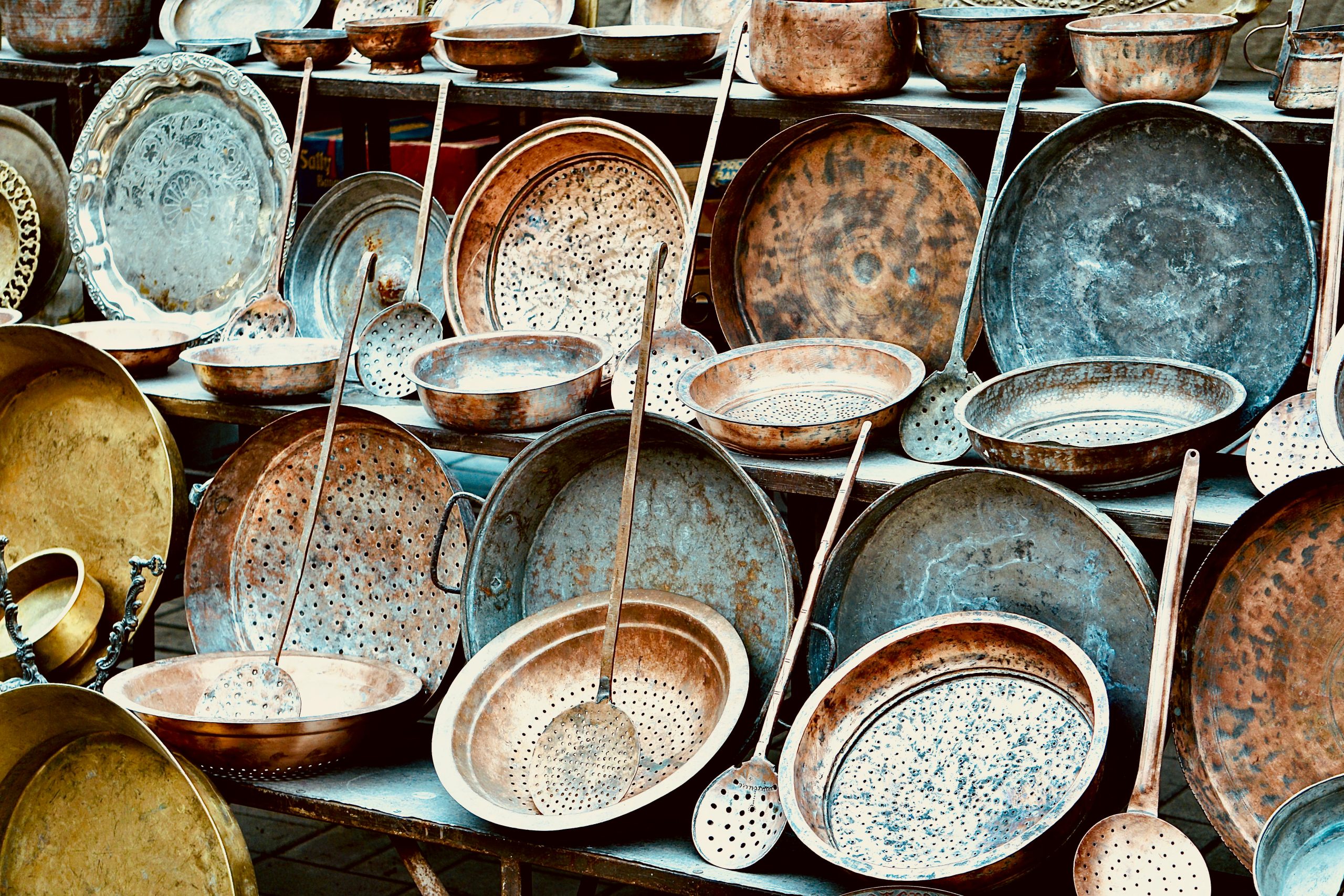
Let’s be real – that old scratched-up frying pan sitting on your stove is probably something you’ve been meaning to replace for two years. PFAS, or per- and polyfluoroalkyl substances, are a class of more than 14,000 identified synthetic compounds linked to cancer, reproductive harm and hormone disruption. They’re the chemicals behind the slick coating on most nonstick pans.
PFAS in nonstick cookware may release into food if you scratch it or use high temperatures. The stakes are real. Associated health risks from PFAS exposure include lower birth weights, elevated cholesterol levels, increased risk of thyroid disease, reduced immune response to vaccines, and higher risk of testicular and kidney cancers.
As of January 1, 2025, Minnesota became the first state to ban the sale of nonstick cookware coated with PFAS. Meanwhile, Vermont, Connecticut, Rhode Island and Colorado are moving ahead with bans or restrictions on cookware containing intentionally added PFAS, with enforcement dates ranging from 2026 to 2028. The regulatory world is responding fast. Your kitchen should too.
Properly maintained scratch-free PFAS cookware is generally considered safe to use, but you should discontinue the use of any nonstick cookware that is peeling, chipping, or showing signs of pitting, as this can cause PFAS chemicals to release from the pan and attach to foods. Replace it with cast iron, stainless steel, or certified ceramic alternatives.
3. Leftover Paint Cans in the Garage
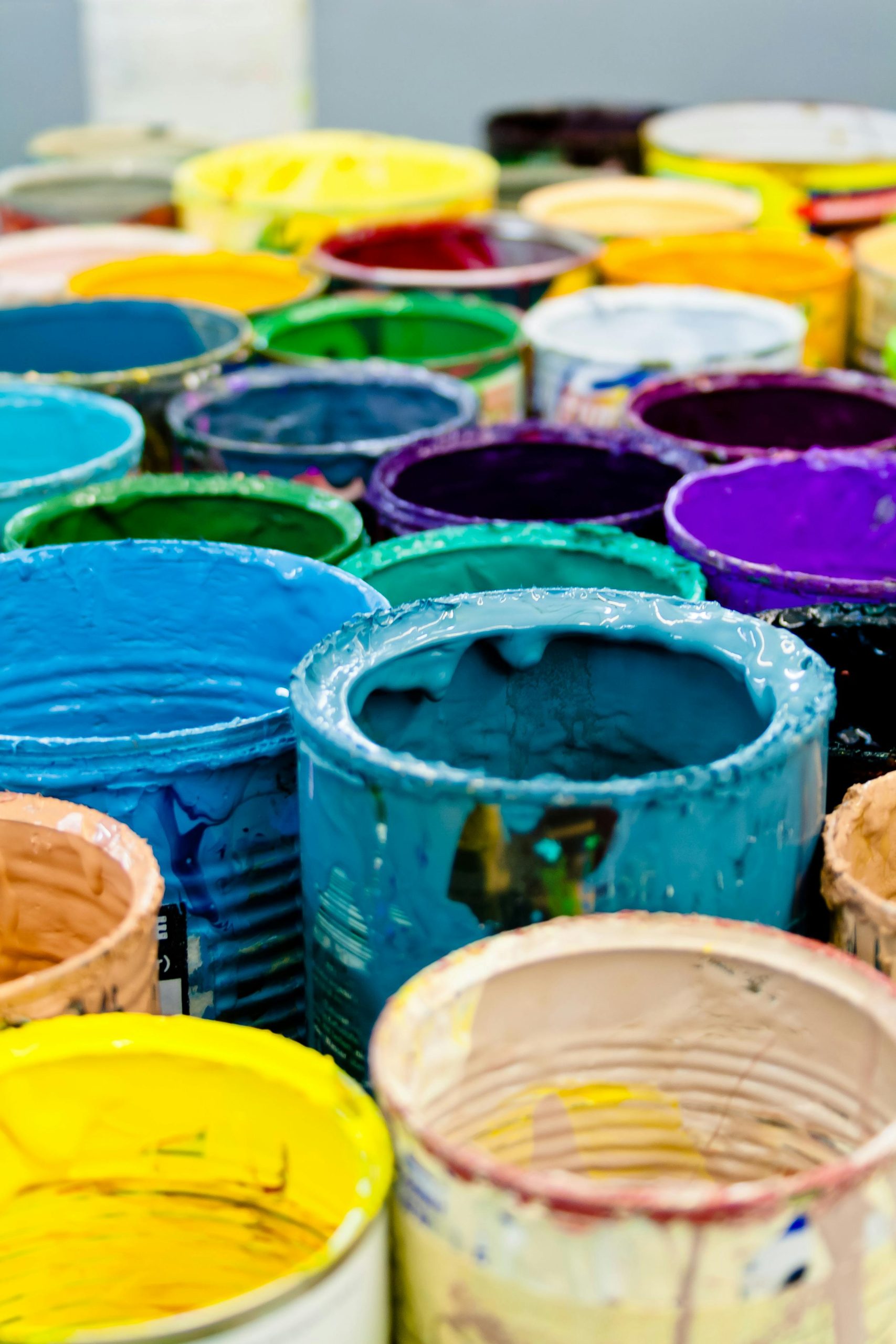
Check your garage. There’s probably at least one dusty, half-empty paint can sitting on a shelf from some home project that happened years ago. Many garages and basements hold half-empty paint cans, paint thinners, or varnishes left over from past projects. These are classic examples of household hazardous waste because they often contain volatile organic compounds, or VOCs. If dumped improperly, VOCs can evaporate into the air or leach into groundwater, posing long-term risks to both people and the planet.
Paint thinners are especially dangerous because they’re highly flammable. Storing them incorrectly can lead to fire hazards in your own home. Think of it like keeping a lit match near curtains, just with a much longer fuse. The EPA considers some leftover household products that can catch fire, react, or explode under certain circumstances, or that are corrosive or toxic, as household hazardous waste.
Improper disposal of household hazardous waste can include pouring them down the drain, on the ground, into storm sewers, or putting them out with the regular trash. The dangers of such disposal methods might not be immediately obvious, but improper disposal of these wastes can pollute the environment and pose a threat to human health. Take old paint to a local hazardous waste collection event instead.
4. Old Electronics and E-Waste Piling Up
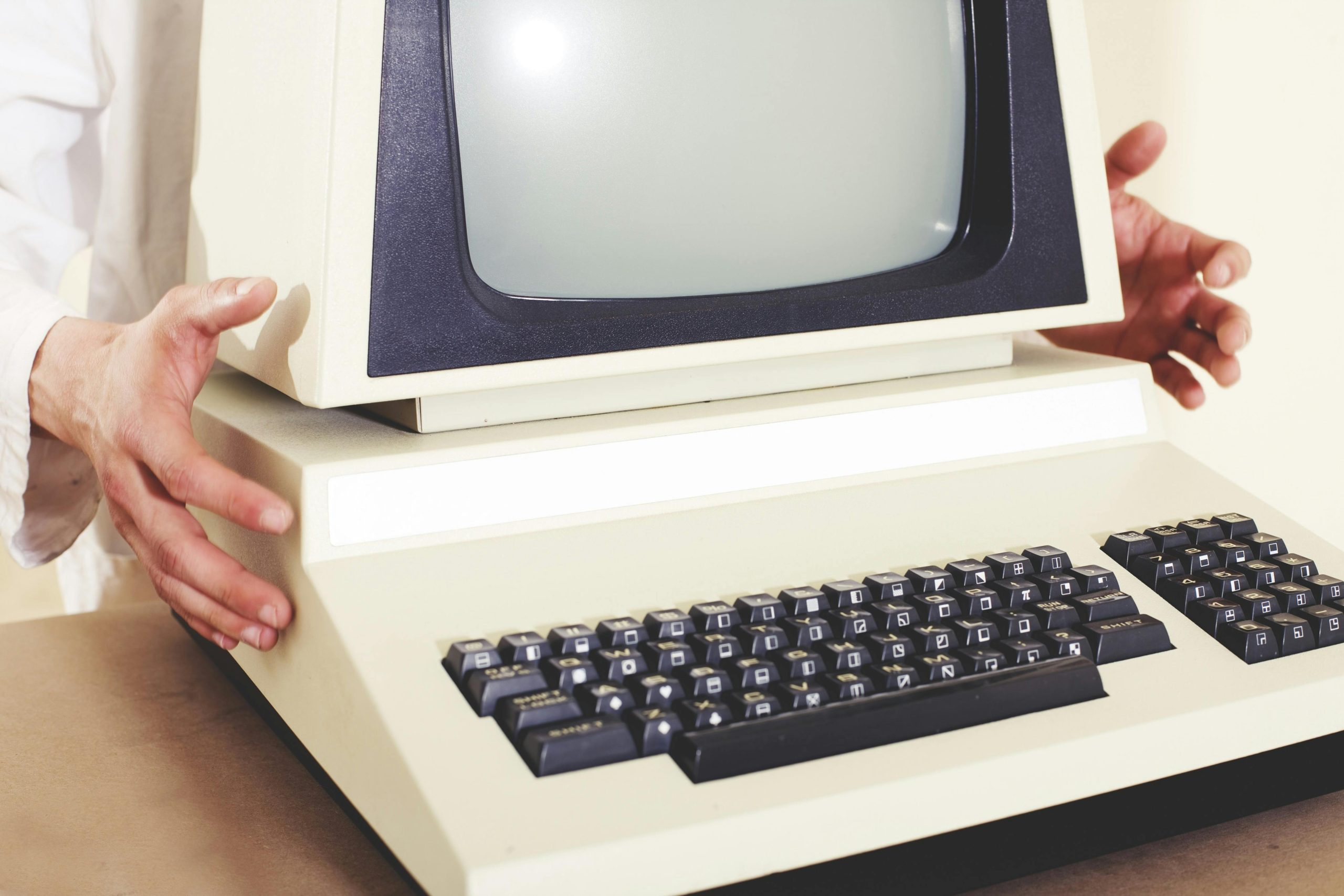
That pile of outdated phones, dead laptops, and tangled chargers in the corner of your closet? It’s not just clutter. Old phones, laptops, TVs, and gaming systems often get stashed away in closets until they’re eventually tossed in the trash. The problem is that electronic waste contains genuinely toxic materials.
The EPA considers products such as paints, cleaners, oils, batteries, and pesticides that can catch fire, react, or explode, or that are corrosive or toxic, as household hazardous waste requiring special care when you dispose of them. Old electronics contain heavy metals like lead, mercury, and cadmium. These don’t just disappear when you throw them away.
Chemicals can seep into soil and water supplies, cause fires in landfills, and release fumes into the air. Once toxic substances spread, cleanup becomes costly and sometimes impossible. E-waste recycling programs exist in most communities specifically for this reason. Use them.
5. Household Cleaning Products Stored Under the Sink
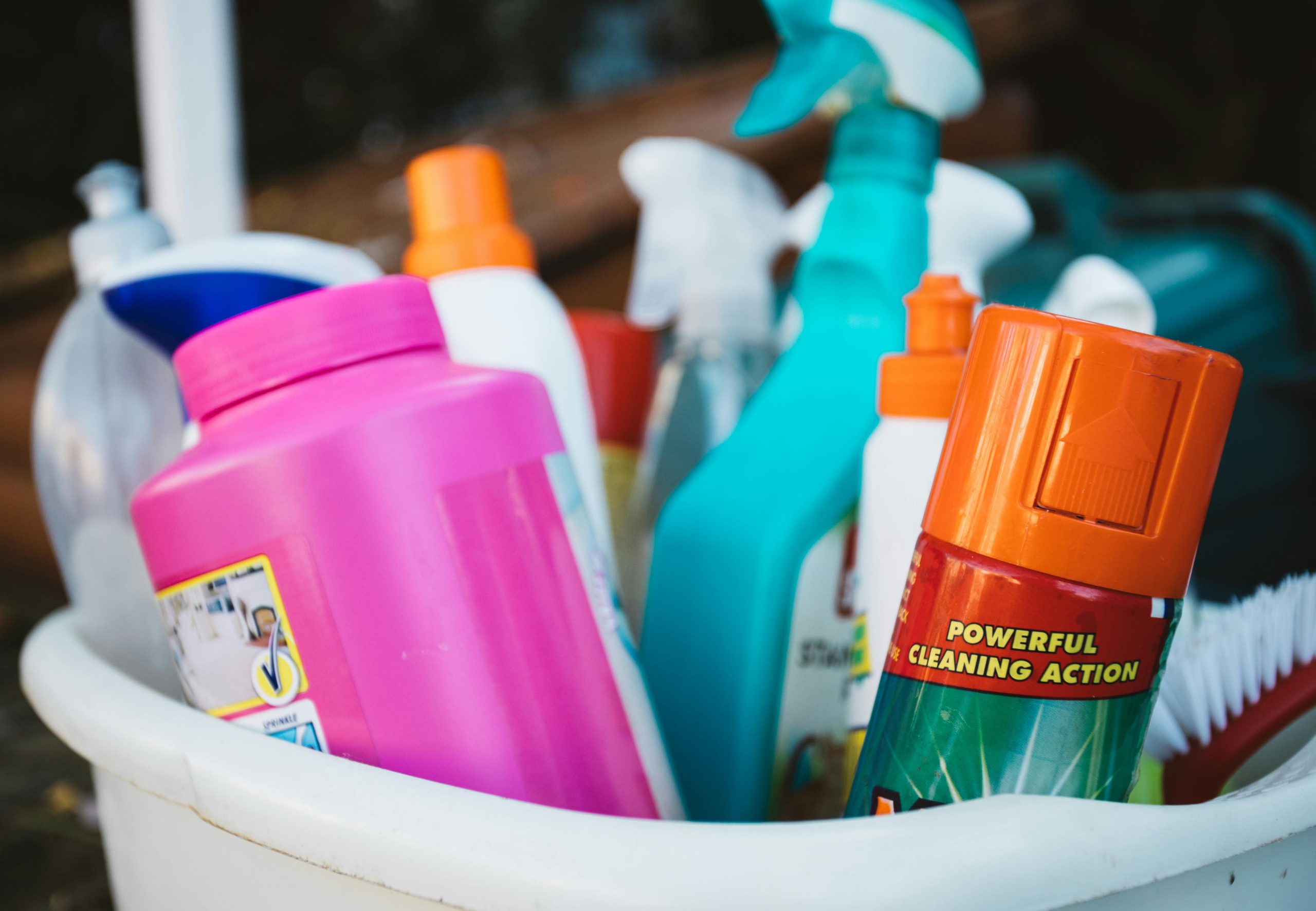
Cleaning products feel perfectly ordinary to keep at home – and of course, in many cases they are. The danger is in where and how they’re stored. Household cleaning products, like bleach, oven sprays, and drain openers, are widely used but rarely recognized as toxic household items. Stored carelessly, they become a genuine risk, especially with children around.
Young children have the greatest risk for accidental poisoning because they’re naturally curious and will put much of what they can reach into their mouths. That sounds obvious, but household detergents and cleaning products should be stored in cabinets above the level of the kitchen counter, not under the sink. Most families do the exact opposite.
Never mix products containing bleach and ammonia. This combination produces chloramine gas, which can cause serious respiratory damage – it’s the kind of accident that happens easily when someone grabs the wrong bottle in a hurry. There were over two million poisoning incidents reported to poison control centers nationwide in 2020, and several household items present poisoning hazards, including cleaning and home maintenance supplies.
6. Mercury Thermometers
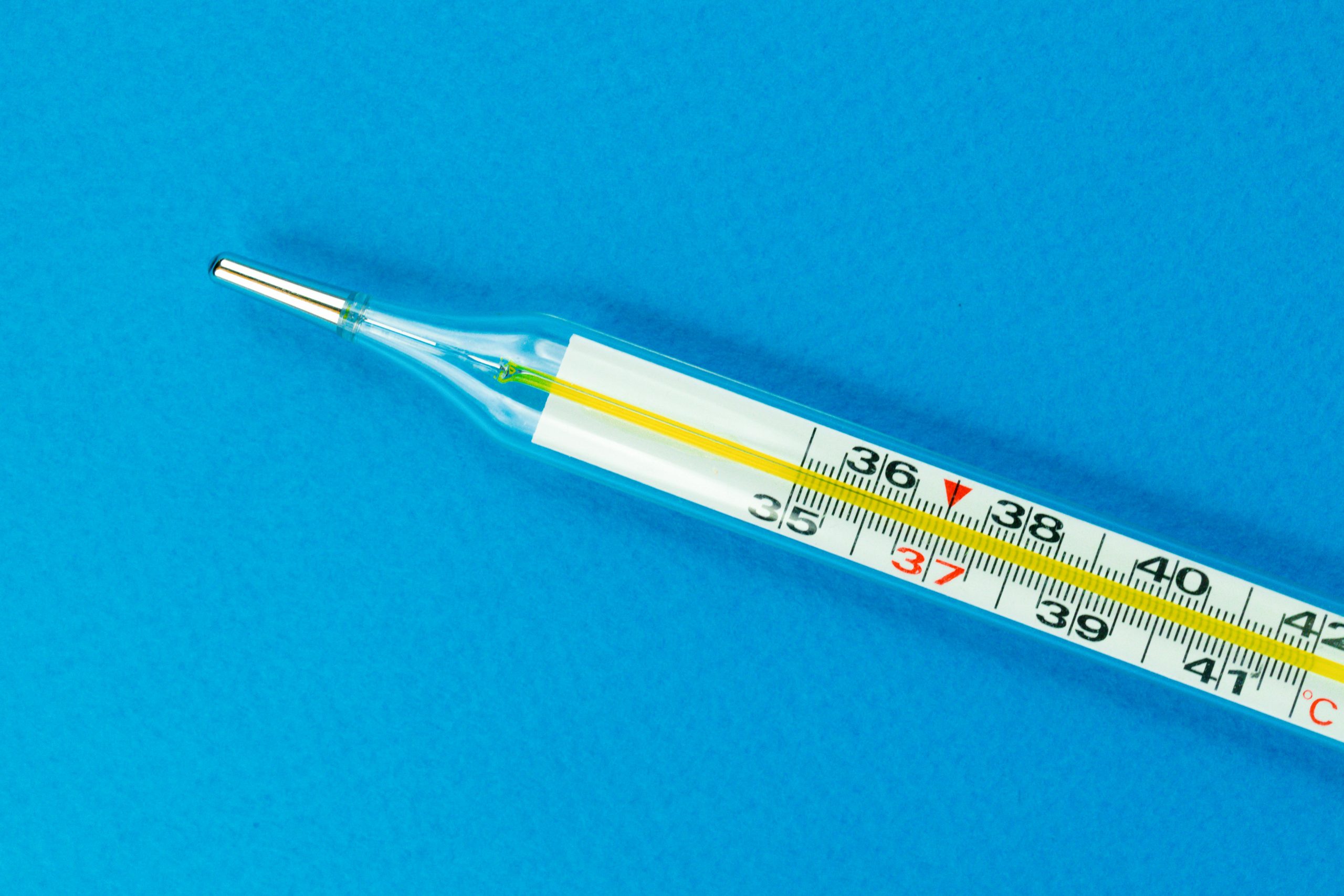
If you grew up before the 1990s, there’s a decent chance one of these is still sitting in a drawer somewhere in your home. If a mercury thermometer broke, the tiny silvery beads inside released invisible toxic vapors that could pose serious health risks, especially to children. Mercury exposure is linked to neurological and environmental harm, making even a small spill a significant danger.
Mercury, present in thermostats, thermometers, and fluorescent lights, is another hidden danger. Exposure can cause kidney damage and nervous system disorders. The risks aren’t limited to a breakage event either – improper disposal of mercury-containing items can contaminate local ecosystems for decades.
Safer digital alternatives have been widely available for years. Thankfully, safer alternatives have replaced these hazardous household tools in modern medicine cabinets. If you find an old mercury thermometer, don’t simply trash it. Contact your local hazardous waste program for proper disposal instructions.
7. Loose Prescription Opioids and Controlled Medications
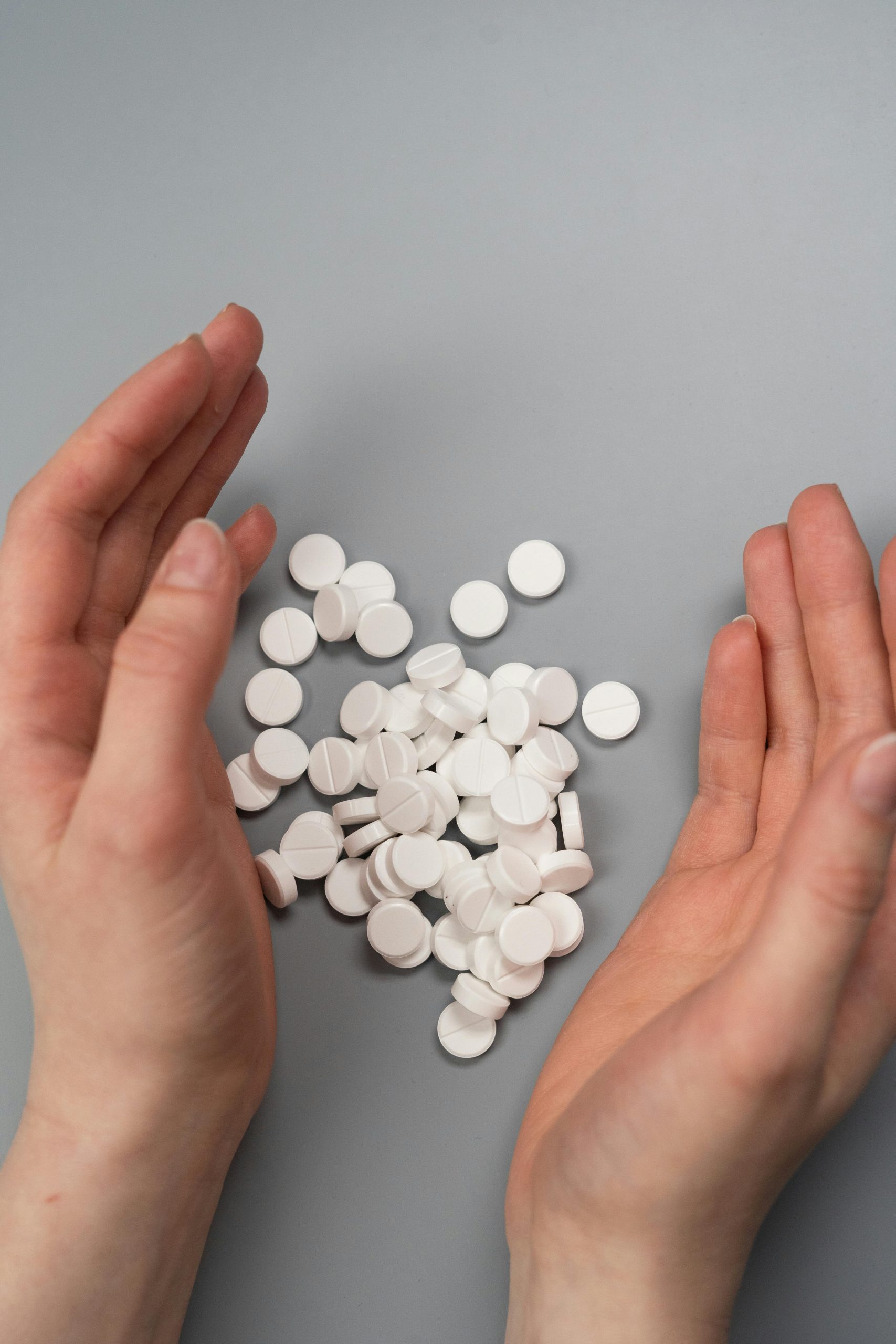
This one makes a lot of people uncomfortable. The painkillers in your medicine cabinet can be risky. There’s a chance you or someone in your family can get addicted or have an overdose. Honestly, this is a topic many families prefer not to think about – but that preference doesn’t make the risk go away.
Unused opioids, benzodiazepines, and stimulants are major sources of misuse and diversion. They don’t just pose a risk to the person they were prescribed to. They’re accessible to anyone in the household – teenagers, visiting family members, or guests. Prescription drugs are the second most misused category of drugs in the United States.
Prescription and over-the-counter medications can be found in virtually every household in the United States. Frequently, a portion of the medication goes unused for various reasons. Regardless of the cause, the presence of accumulated medications in the home creates numerous risks. The DEA runs regular national take-back events with thousands of drop-off locations. Use them whenever possible.
8. Lead-Based Paint in Older Homes
If your home was built before 1978, this one might already be sitting inside your walls right now, and many homeowners don’t even know it. Until the late 1970s, lead-based paint was a staple in home décor, valued for its durability and rich color. Yet, as the paint aged and chipped, it released toxic dust and flakes into the air. Children were especially vulnerable – ingesting or inhaling lead particles could cause lead poisoning, resulting in irreversible developmental delays and behavioral issues.
Even low concentrations of lead can cause problems with your central nervous system, brain, blood cells and kidneys. It’s not something that only affects children, either. Paint chips containing lead can taste sweet, tempting children to ingest them, which can result in cognitive impairment and developmental delays. Adults are not safe either – exposure can cause memory loss and high blood pressure.
Federal law requires property owners to disclose the presence of known lead-based paint and lead hazards to potential home buyers and renters in homes built before 1978. Yet research has found that many home buyers reported that their awareness of lead did not affect their purchasing decision, and nearly four out of five could not confirm that their homes were tested for lead. That is a striking gap between awareness and action.
9. Candles Left Burning Unattended
Candles are lovely. Unattended, they’re a serious fire hazard. It sounds almost too basic to mention, but the statistics tell a different story. Never leave unattended candles or use them near loose cloth like drapes or blankets. Also, make sure this fire hazard stays out of reach of children and that pets cannot knock them over. Many house fires start from exactly this scenario.
Scented candles also release particulate matter and soot into the air when burned. The U.S. Environmental Protection Agency has concluded that indoor air may be more polluted than outdoor air. Candles, especially heavily scented ones, contribute to that problem every time they’re lit in a poorly ventilated room.
The solution isn’t to never use candles. It’s to use them mindfully: keep them away from flammable materials, never leave the room while one is burning, and use flameless LED alternatives in rooms with children or pets. Simple habits save lives.




Leave a Reply