
Most washers don’t die suddenly. They wear down a little with every cycle, and the way we load, dose and maintain them decides how fast. One repair source puts the average washing machine’s life at about 10 to 12 years.
Plenty of early failures trace back to routine behavior rather than a factory fault. Many common problems come from everyday habits that put unnecessary strain on the machine’s components. Here are nine habits that repair professionals keep pointing to.
Regularly Overloading the Drum

Squeezing in one more towel feels efficient. A packed drum stops clothes from moving freely, so water and detergent circulate poorly and the motor, bearings and suspension take extra strain. It’s the habit technicians mention first.
One Burbank repair company says it sees machines fail years earlier than they should, only because of repeated overloading. Heavy clumps of laundry make the drum wobble, and that vibration can damage nearby parts too. Check your manual’s load capacity, and leave some room in the drum.
Using Too Much Detergent
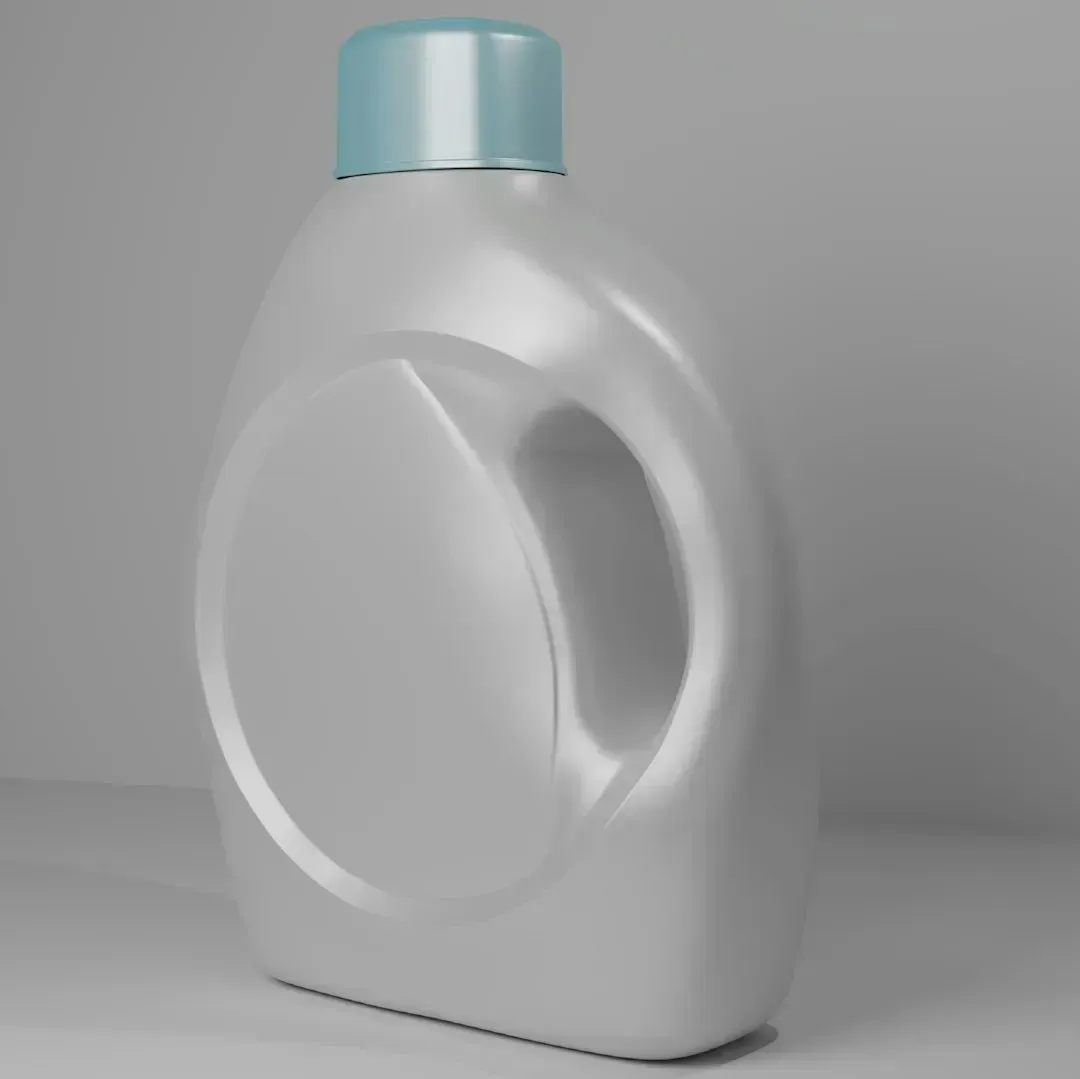
More soap doesn’t mean cleaner clothes. Too much can leave residue inside the drum, the detergent drawer and the pipework. Over time that buildup can cause odors and weaker washing performance.
Excess suds also make the machine work harder. The motor and pump have to labor more to rinse clothes, which adds strain. Measure with the cap, and use less for small or lightly soiled loads.
Choosing the Wrong Type of Detergent

Washers are designed around particular detergents. If you own an HE machine, you should use detergent marked for HE systems. Regular formulas can produce more suds than these machines are built to handle.
Repair advice also warns against mixing products. Use HE detergent if your washer requires it, follow the recommended amount, and avoid mixing different detergent types. It’s a small check that costs nothing.
Ignoring the Drain Filter
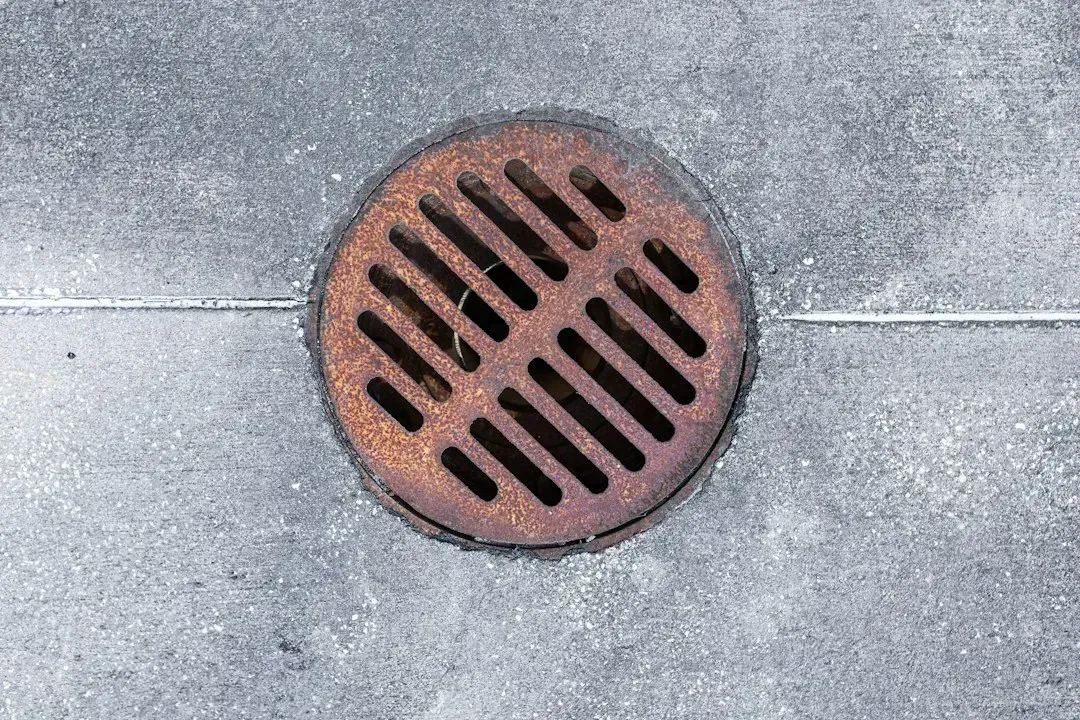
The drain filter is easy to forget because you can’t see it. A clogged one is a common cause of poor performance, since lint, coins, hair and residue restrict water flow and strain the drain pump. Many front loaders hide it behind a small panel near the bottom.
One service guide suggests cleaning it every one to two months. Rinse it under warm water and reinstall it securely. Water pooling at the end of a cycle is often the first hint it’s overdue.
Leaving Wet Laundry Sitting Inside
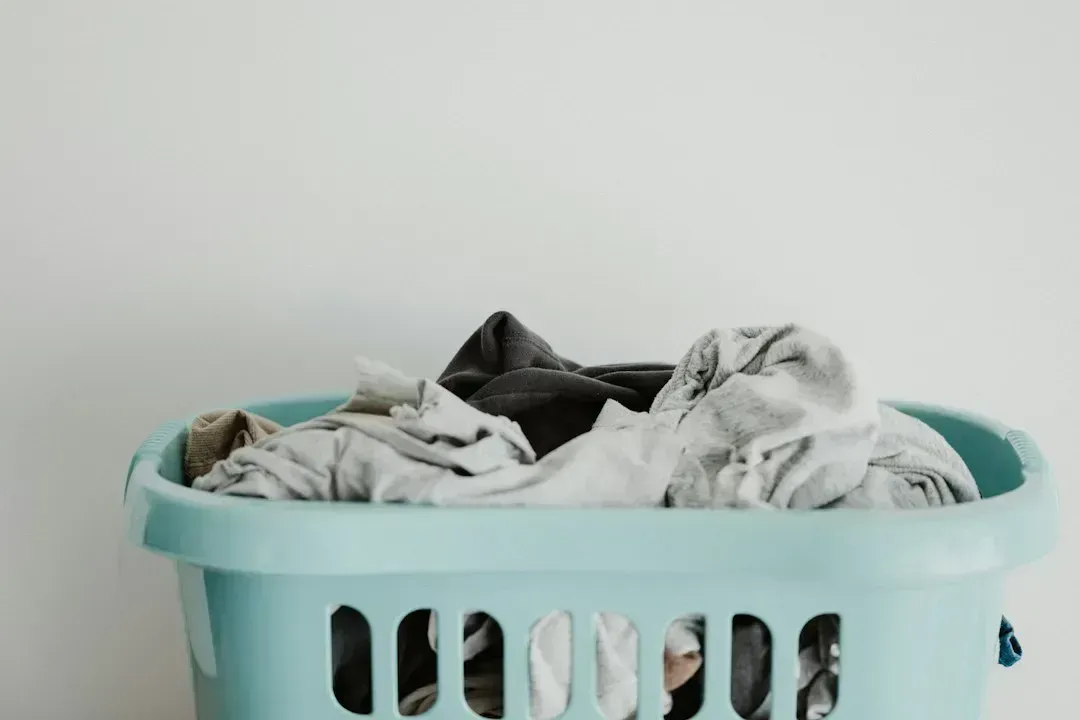
Forgotten loads create a damp, closed environment. Mildew grows quickly in that setting, and the smell can settle into the drum and door seal. Repair guides commonly list not leaving wet clothes in the washer among basic care steps.
Persistent odor is also one of the signs technicians say points to a problem. Unpleasant smells often come from trapped moisture and detergent residue together. Unload promptly, and leave the door ajar so the drum can dry out.
Forgetting to Check Pockets
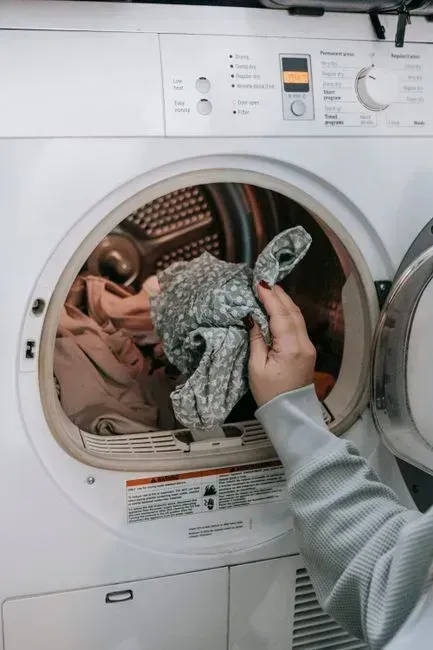
Coins, keys, pens and hair ties turn up in drains more often than people expect. Items like coins and hair can restrict water flow and put extra strain on the drain pump. Sharp objects can also scratch or damage the drum.
Emptying pockets is on the usual maintenance checklist from retailers and repair shops, including a check before each load. It takes seconds. A stray screw going through a pump can mean a repair bill that’s far larger than the effort of a quick pat down.
Running the Washer Off Level

A machine that rocks on the floor is vibrating more than it should. Unbalanced loads make the drum wobble. A washer that isn’t level makes that problem worse, especially during fast spin cycles.
Technicians often list making sure the washer is level as a basic care step, and intense vibration is one of the warning signs of trouble. Adjust the feet with a spirit level, and tighten the lock nuts. Recheck after moving the machine.
Neglecting the Water Hoses
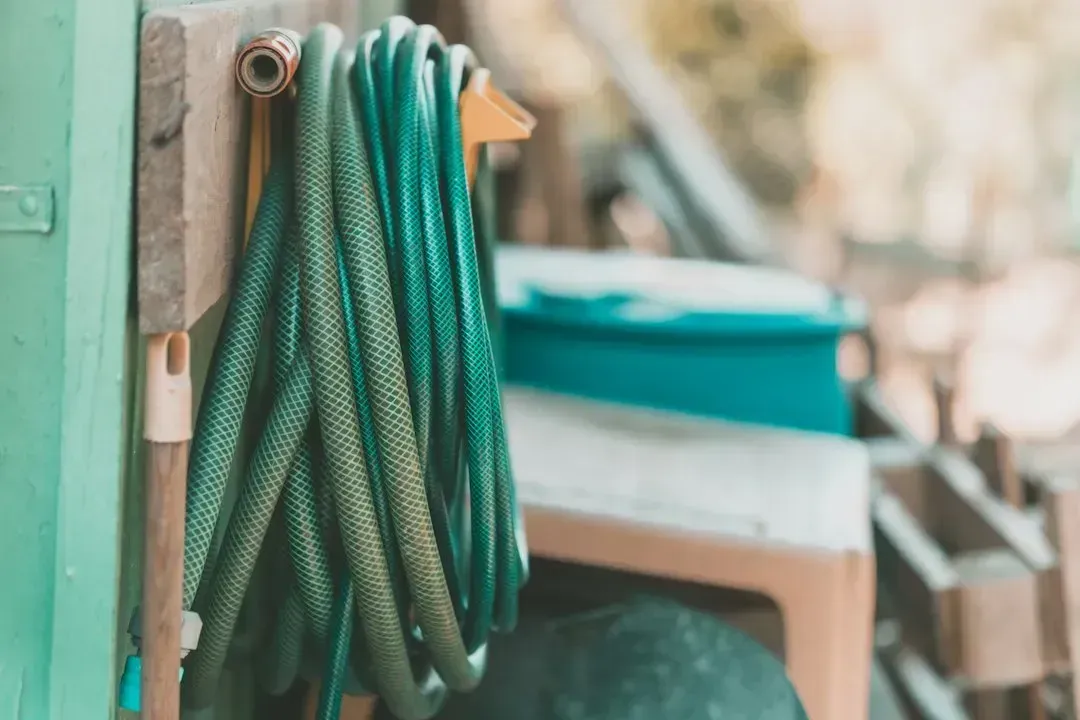
Supply hoses sit under constant pressure, and they’re easy to overlook behind the machine. Cracks, bulges or rust at the fittings can lead to leaks or a burst hose. Repair guides routinely advise regularly inspecting and replacing hoses.
A quick look every few months is usually enough. Check the connections for moisture, and make sure the hoses aren’t kinked against the wall. Replacing worn ones is far cheaper than dealing with water damage.
Leaving a Running Washer Unattended
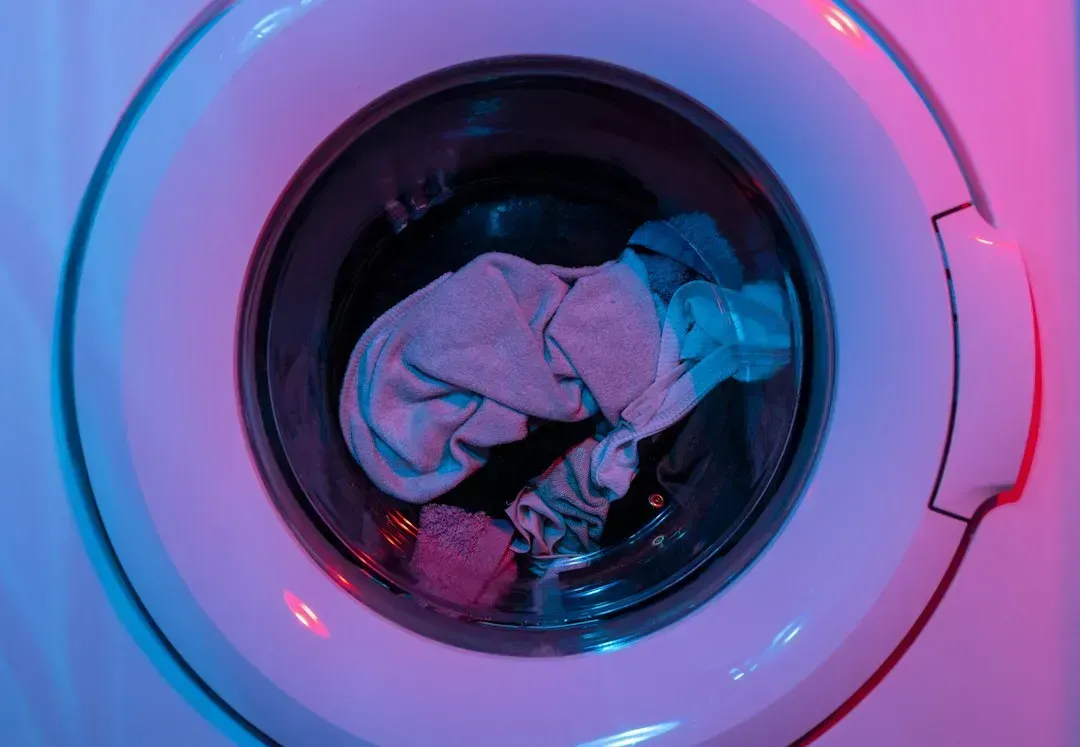
It’s tempting to start a cycle and leave the house. One repair company calls leaving a machine unsupervised possibly the worst mistake you can make, because an unwatched machine can overflow and cause water damage.
The same source notes that in rare cases, failing components or excess friction can lead to a fire. Fires are uncommon, but a leak can go unnoticed for hours. Running cycles while you’re home lets you catch odd noises, drips or error codes early.





Leave a Reply