
There’s a quiet gap between what restaurant menus promise and what actually lands on your plate. Most diners never notice it, partly because the food still tastes good, and partly because the gap is deliberately designed to be invisible. Descriptive language, premium-sounding adjectives, and beautifully presented dishes all work together to create an impression that may have little to do with what’s actually in the kitchen.
The problem runs deeper than a few sloppy kitchen shortcuts. Many menu descriptions aren’t fully regulated in restaurants, and may not always mean a better product. Many USDA terms used to describe official food grades for manufacturers are also used freely by restaurants, and terms like prime, choice, premium, and deluxe are commonly used to imply dishes are made with higher-quality ingredients, allowing restaurants to charge more. These nine items are the ones that keep coming up when chefs talk honestly about the distance between menu claim and kitchen reality.
1. “Wild-Caught” Salmon
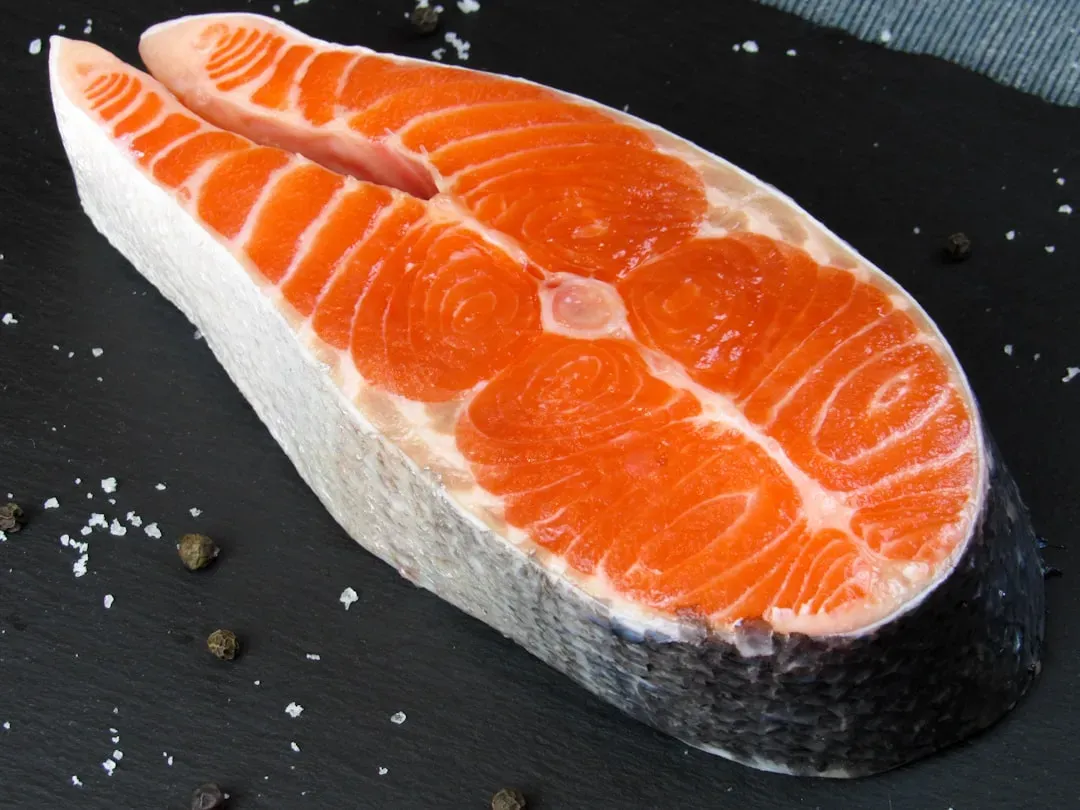
The phrase “wild-caught” carries significant weight on any menu, implying a product that swam freely in cold Pacific waters before it arrived on your plate. In reality, research published in late 2024 tells a different story. A study conducted in Seattle found that roughly one in five salmon samples from both grocery stores and sushi restaurants were mislabeled, and while most samples were acquired during the fall months when wild salmon is actually in season, researchers still observed a high mislabeling rate. Seattle sushi restaurants, in particular, often sold farmed salmon mislabeled as wild salmon.
Substitutions of vendor-claimed wild salmon with farmed salmon occurred in nearly a third of sushi restaurant samples tested. The mislabeling isn’t always the restaurant’s fault directly, since supply chains are long and complex. Fish fraud could be accidental, but in some cases the mislabeling is suspected to be very much intentional, though it’s hard to know where in the supply chain it begins.
2. Truffle Oil Dishes
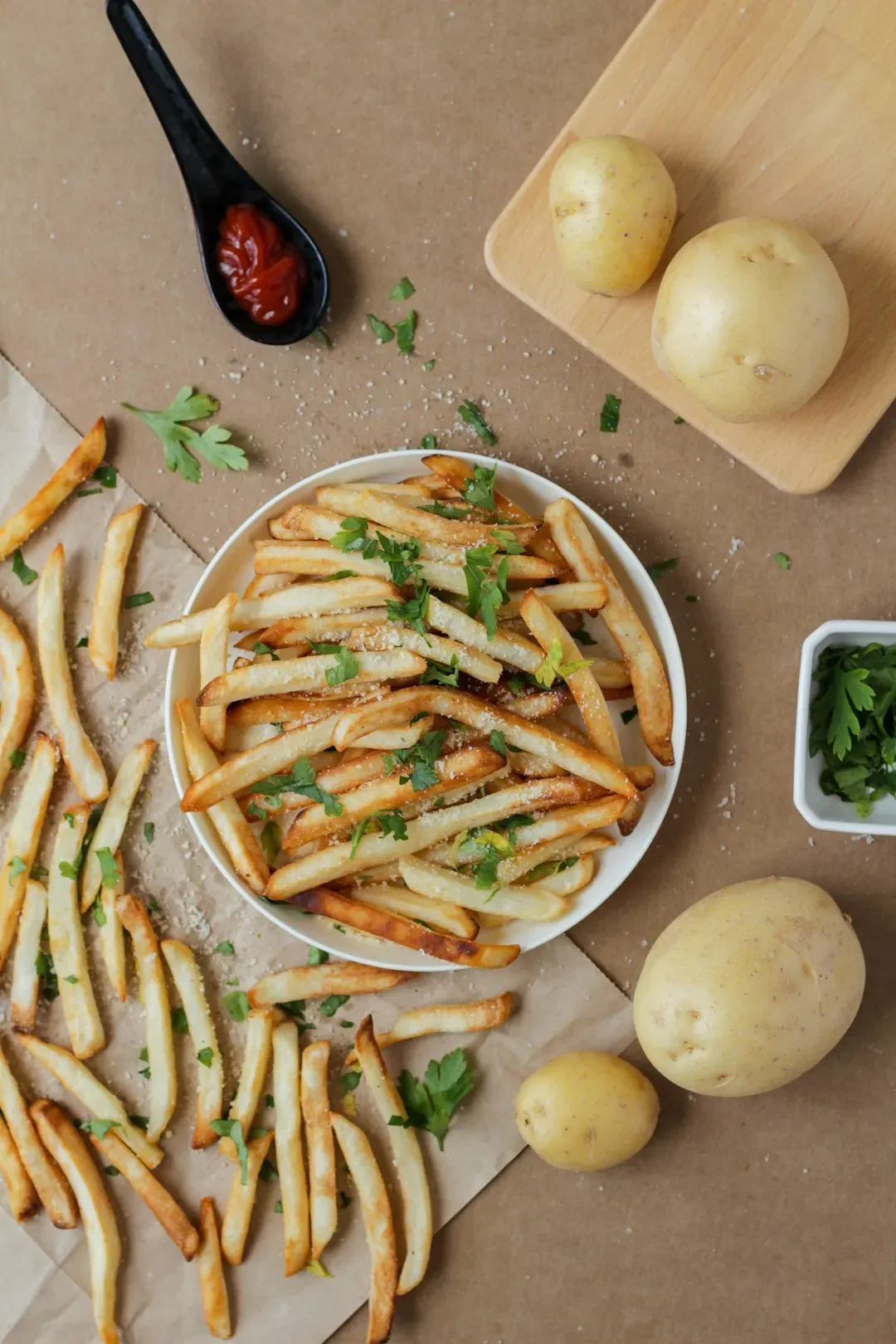
Truffle oil has become a kind of shorthand for luxury on casual and upscale menus alike. Truffle fries, truffle pasta, truffle aioli – the word turns up everywhere. The inconvenient truth is that these days, truffle oil contains no truffle at all; instead, it is made of synthetic ingredients completely devoid of the earthy flavors of the real ingredient, with the most commonly used compound being 2,4-dithiapentane, a type of formaldehyde.
Nearly all truffle oil is produced from one synthetic flavor compound and may lack the complex flavors and aromas of fresh truffles. Synthetic truffle oil hits one note loudly and consistently, and when heated, the artificial compounds can degrade into unpleasant, rubbery, or metallic odors. The pricing on the menu rarely reflects this reality. Truffle fries can sell for twelve dollars at a local restaurant when the genuine fungi can cost up to two hundred dollars an ounce.
3. “Kobe” Beef
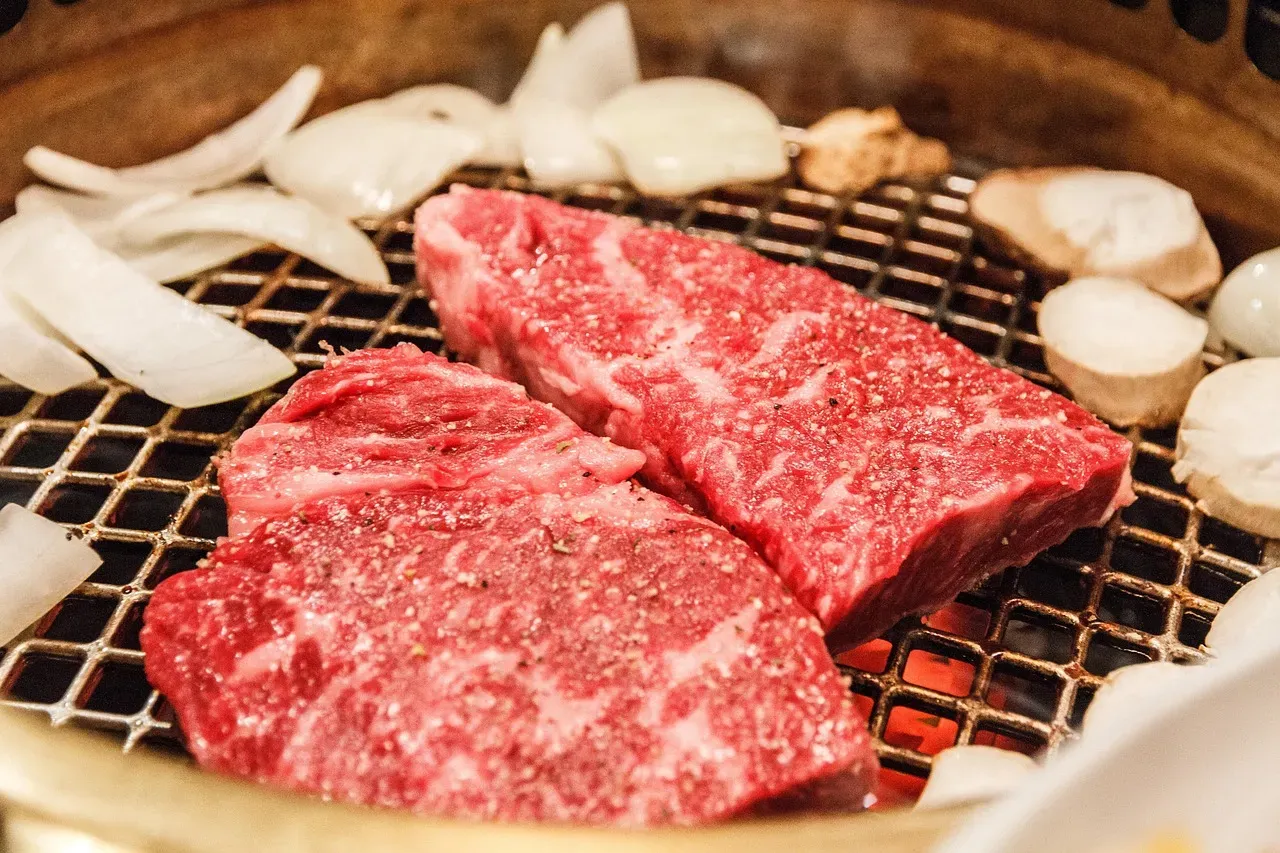
Few words on a menu command more immediate respect and a higher price tag than “Kobe.” Kobe beef is a real and distinct product, but unless you’re dining in Japan, the beef you’re eating is almost certainly not true Kobe. It comes from one specific breed of Japanese cattle called Kuroge Washu, which is one of four types of cattle that fall under the Wagyu umbrella. The global supply is simply not large enough to fill the menus of American steakhouses.
There are only about 3,000 head of certified Kobe beef cattle in the world, and they live in Japan. That supply is nowhere near enough to stock the countless steakhouses across the country that boldly list “Kobe” on their menus. If you order Kobe or Wagyu beef outside of Japan, asking to see the certificate of authenticity that accompanies every true shipment is reasonable – if the restaurant cannot produce one, you’re paying a luxury price for a very ordinary steak with a very glamorous name.
4. “Red Snapper” and Other Premium Fish
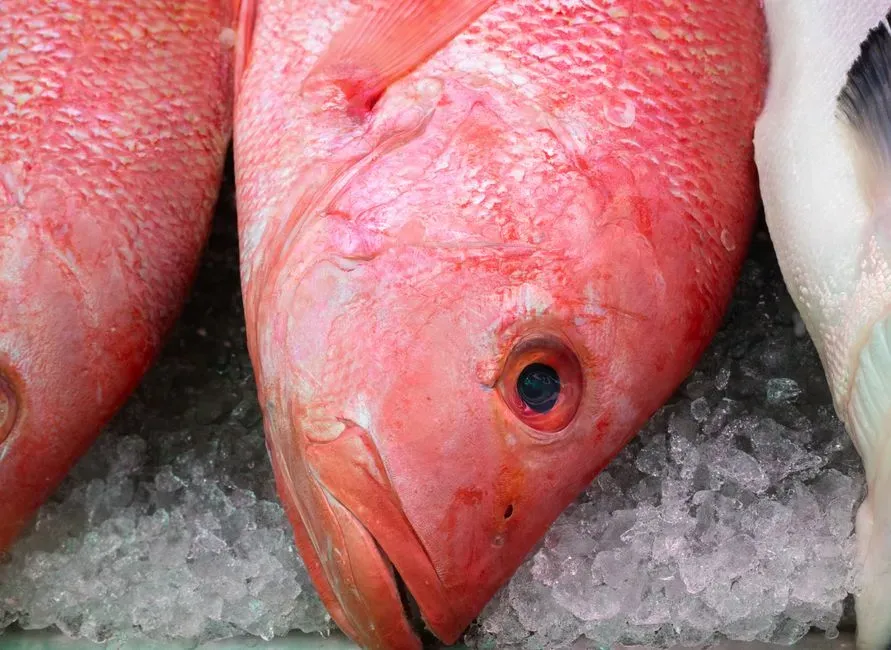
Red snapper carries a premium price on menus, and that premium attracts fraud. Seafood was more frequently mislabeled at restaurants than at larger chain grocery stores, and of the species tested in one major study, sea bass and snapper had the highest rates of mislabeling at roughly half of all samples. DNA testing has repeatedly confirmed the gap between what’s listed and what’s served.
In a practice known as species substitution, a restaurant will claim to be offering an expensive fish such as red snapper, which can cost well over twenty dollars per pound, then serve a different and less expensive fish instead, pocketing the difference. Although this type of fraud is committed at the grocery store as well, it’s easier to get away with at restaurants. A notable consequence involves escolar, which is sometimes mislabeled as “white tuna” in seafood restaurants even though it’s not tuna and can cause gastrointestinal issues for some people.
5. Wasabi
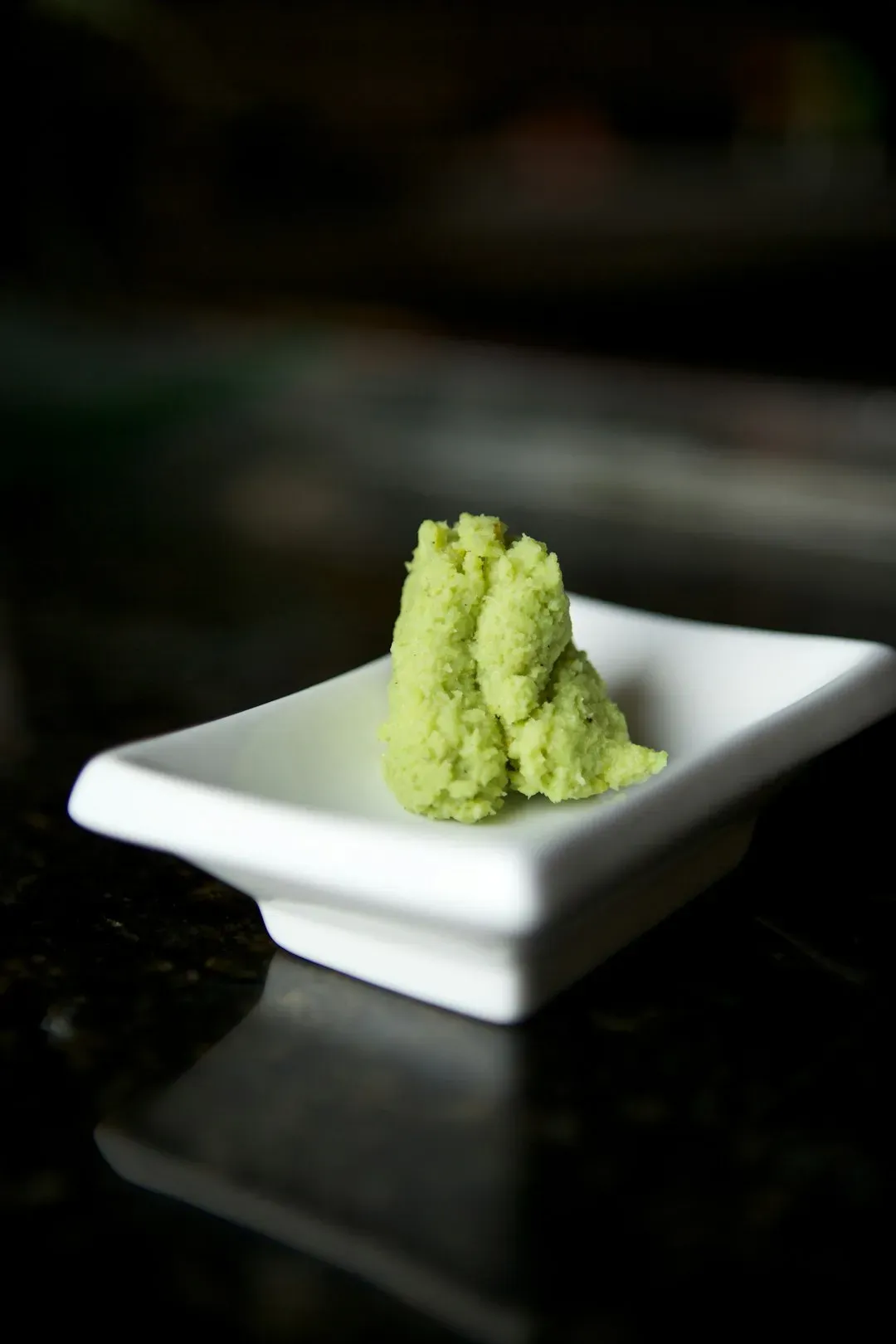
That small green mound served alongside your sushi almost certainly isn’t what the menu implies. Real wasabi is derived from the plant Wasabia japonica, is notoriously difficult to grow due to requiring very precise conditions, and can take years to mature. Once prepared, it loses its flavor within minutes. Those traits make it fundamentally incompatible with mass restaurant service.
Over 99 percent of the wasabi served in U.S. restaurants is fake, which isn’t an overstatement but the reality of a massive and widespread food fraud. Most likely what arrives on the plate is a combination of horseradish, mustard, and food coloring, with only a very small amount of real wasabi mixed in, in the most unlikely cases. Real wasabi has a subtle, sweet heat that fades quickly, as opposed to the sharp, sinus-burning hit associated with horseradish.
6. “Angus” or “Prime” Beef
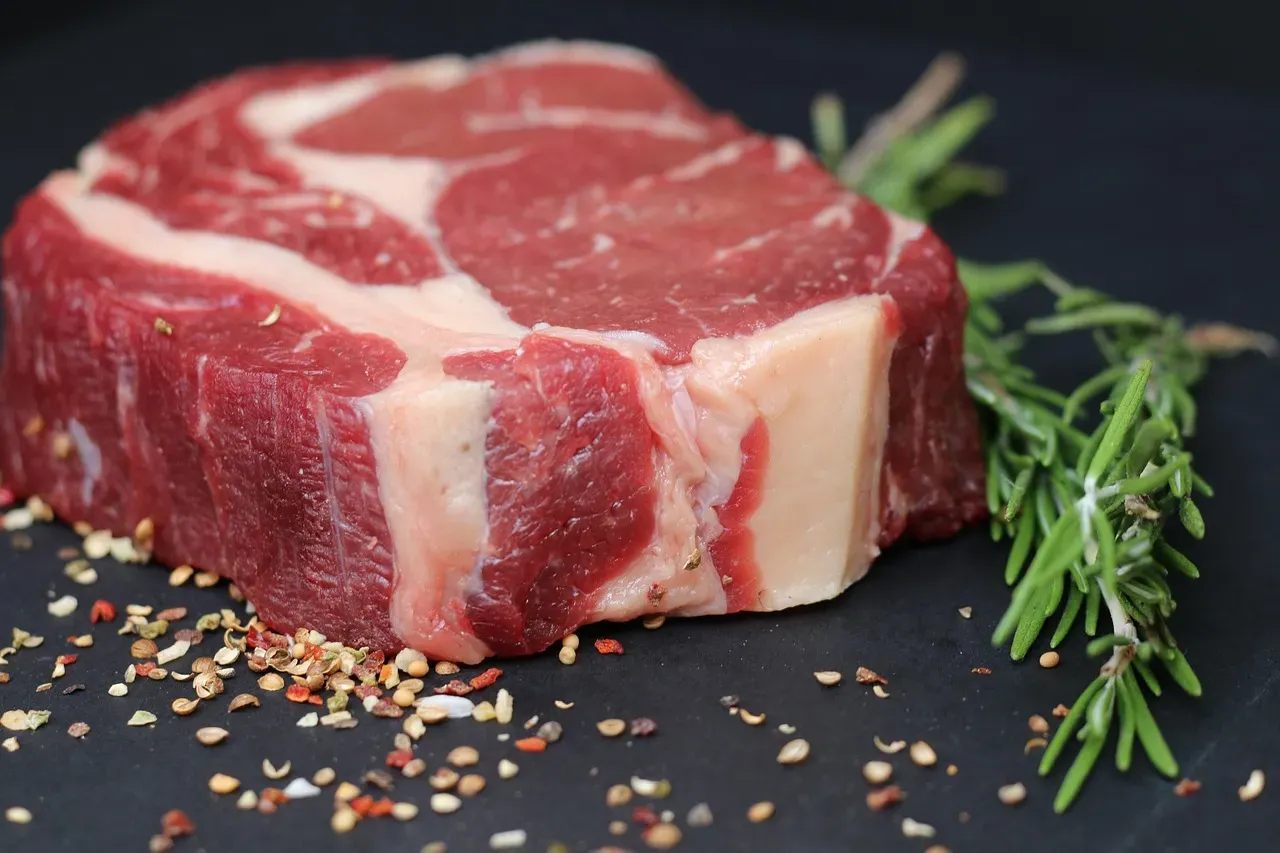
Walk into almost any mid-range burger restaurant or casual steakhouse and you’ll spot “Angus” on the menu. The word signals quality to most diners, who associate it with a superior breed of cattle. The USDA’s actual definition of Angus is beef coming from any cattle that is 50.01 percent or more black. That’s a notably loose bar to clear.
Many USDA terms used to describe official food grades for manufacturers are also used freely by restaurants, even though the USDA doesn’t oversee restaurant grading for upmarket meats. Terms like prime, choice, premium, and deluxe are commonly used to imply that restaurant dishes are made with higher-quality ingredients, allowing restaurants to charge more. Unlike grocery stores and manufacturers, restaurants are considered retailers and are exempt from these grading rules, which creates a labeling loophole that allows restaurants to use meat that is often intentionally mislabeled on their menus.
7. “Parmigiano-Reggiano” or “Freshly Grated Parmesan”
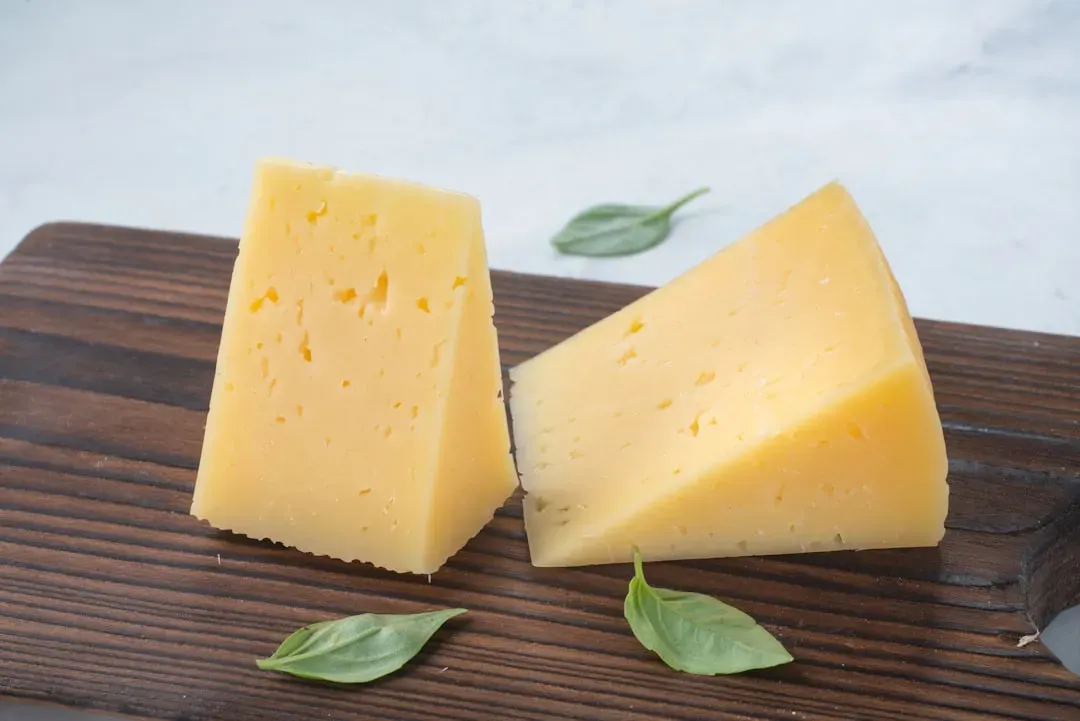
Parmesan is sprinkled over pastas and salads at restaurants across every price point, and menus often lean on the genuine Italian name to signal authenticity. The reality inside those shakers and pre-portioned ramekins is frequently more complicated. Pre-grated Parmesan often contains cellulose, a plant-based fiber derived from wood pulp, which is used to prevent the cheese from clumping. While small amounts are considered safe, testing has revealed that some products contain higher-than-expected levels of cellulose, indicating that producers use it as a filler rather than just an anti-caking agent.
The FDA found that several brands labeled as “100% Parmesan” contained no Parmesan at all, but rather cheaper cheeses like cheddar mixed with cellulose. In the United States, “Parmesan” is a generic term that any cheese company can apply to almost anything. The only reliably protected product is Parmigiano-Reggiano with its stamped rind and official DOP seal, and that’s rarely what ends up dusted over a restaurant dish.
8. “Extra Virgin” Olive Oil
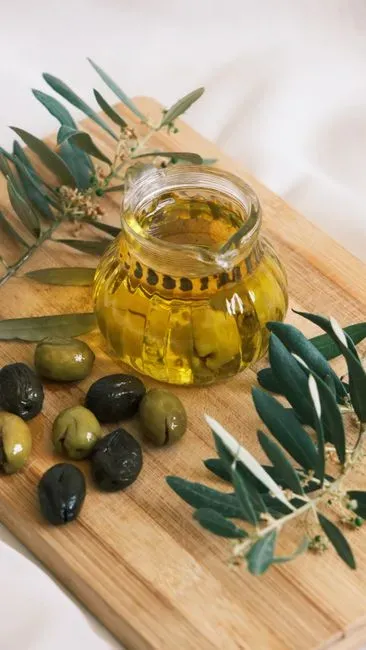
Extra virgin olive oil appears on menus as a mark of quality, used to dress salads, finish pastas, and drizzle over bread plates. To earn the label, an oil must meet strict production standards. It should be mechanically pressed, free from defects, and rich in natural flavor. The problem is that enforcement of this criteria is quite limited, and since demand is so high while authentic production is costly, some producers cut corners – blending true olive oil with lower-grade oils or mixing in cheaper alternatives like soybean or canola oil.
Most fakes involve cheaper substitutes including seed oils, corn syrup in related products, and filler, or simply mislabeling a cheaper grade as a premium one. When this oil arrives at a restaurant and gets labeled or described on the menu as “extra virgin,” the misrepresentation travels intact. Real extra virgin olive oil tastes peppery with a back-of-throat burn from oleocanthal – if it tastes like nothing, it’s nothing.
9. “Sushi-Grade” Fish
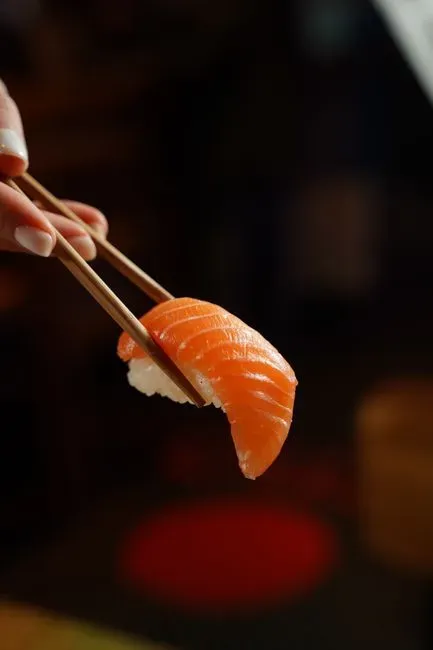
The term “sushi-grade” sounds official, implying a certified, inspected standard that separates fish safe for raw consumption from the rest. In practice, it’s largely a marketing label with no legal regulatory definition behind it. This creates room for wide variation between what restaurants suggest and what diners actually receive. A published study in the journal Food Control found a significant drop in mislabeling rates among restaurants participating in a Los Angeles seafood monitoring project, alongside a notable dip in the average rate of mislabeled sushi samples collected across Los Angeles over a ten-year period. That improvement is encouraging, but it also confirms how widespread the prior problem was.
In broader testing, roughly one in every five fish samples tested were mislabeled, and one out of every three establishments visited sold mislabeled seafood. Seafood substitutes identified in studies include imported seafood sold as regional favorites and vulnerable species sold as more sustainable catch. The phrase “sushi-grade” on a menu is a genuine signal of restaurant intent, but diners should know it’s a promise, not a regulated guarantee.
The gap between menu language and kitchen reality isn’t always driven by deliberate deception. Supply chains are long, regulations are uneven, and the restaurant industry operates under real margin pressure. Still, knowing which items carry the greatest risk of misrepresentation gives diners a useful tool: ask questions, watch for suspiciously low prices on premium ingredients, and treat certain luxury menu labels with a healthy dose of skepticism. The food itself may still be good. It just might not be what it claims.




Leave a Reply