
Ask a guest who has been to a few weddings lately what’s missing, and the answers tend to sound alike. The reception games, the matching outfits and the scripted rituals that once filled every timeline are showing up less often. Wedding platforms have been tracking the shift for several years.
The data comes mostly from The Knot and Zola, two large U.S. wedding companies that survey thousands of couples. Their samples skew toward people who plan online, so they don’t speak for every wedding. Still, the direction of travel is consistent across their reports from 2024 through 2026.
The Bouquet Toss
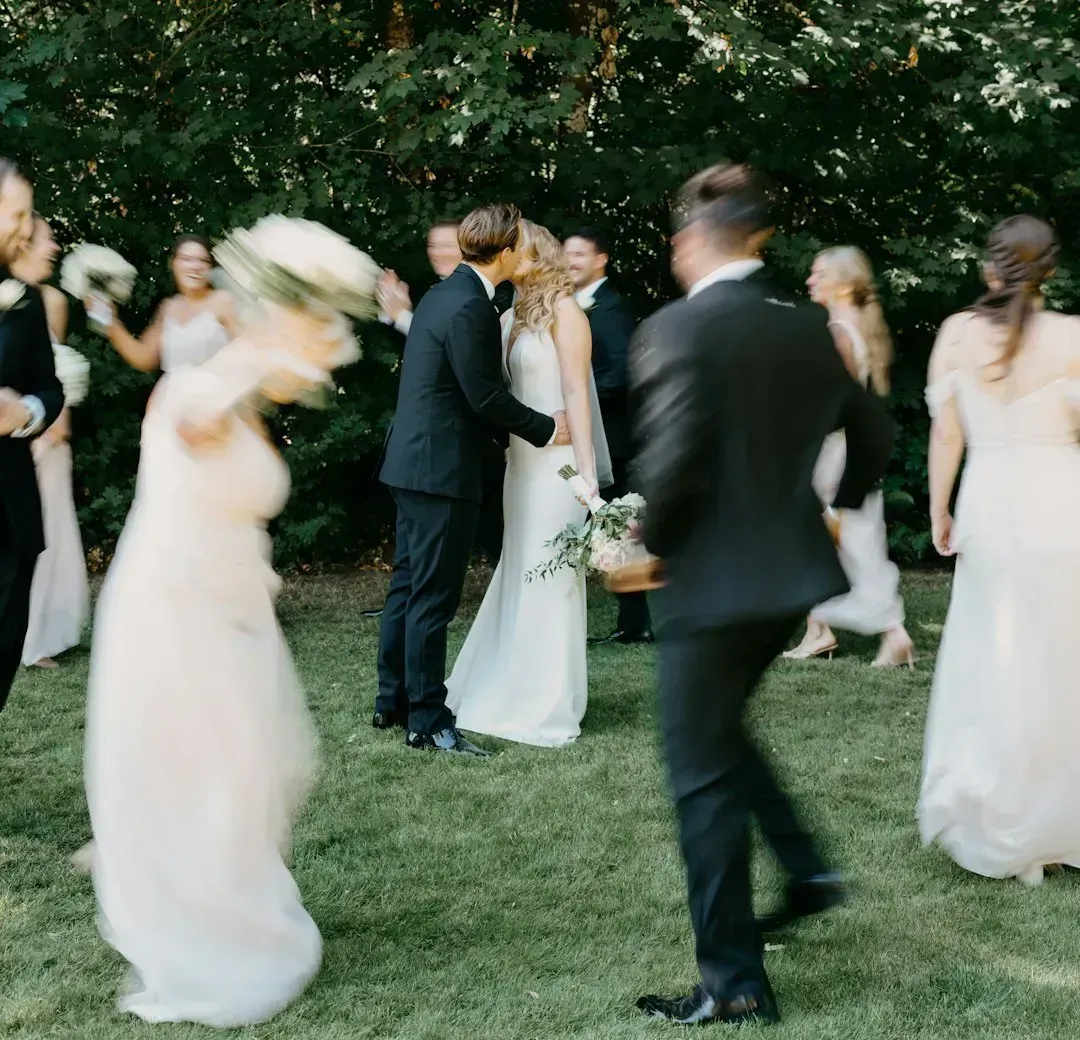
For decades, single women gathered on the dance floor while the bride threw her flowers over her shoulder. That moment is fading. Sixty-seven percent of engaged couples told The Knot they think this reception mainstay will drop off in 2026, though that figure covers the bouquet and garter toss together.
The slide has been gradual. The Knot’s 2025 Wedding Trends to Watch Report put the bouquet toss’s decline at 22 percent over the previous seven years. By 2023, only about 31 percent of newlyweds in The Knot’s Real Weddings Study had done one. Some couples now swap it for a gentler gesture, such as presenting the bouquet to a couple they know is engaged, as a wish of good luck.
The Garter Toss

If the bouquet toss is slipping, the garter toss has fallen faster. Commentators point out that the groom removing lingerie from under the bride’s dress can easily feel tacky or uncomfortable for the bride and guests. The same Knot report that flagged the bouquet toss grouped the two customs together as the most likely to be dropped.
The Knot’s 2026 Real Weddings Study coverage also notes that some traditions, the garter toss among them, get left out altogether when they don’t fit the couple’s style. One bridal retailer says wearing a garter without tossing it is now the mainstream choice, with an anniversary dance as the most common replacement.
Matching Wedding Party Outfits
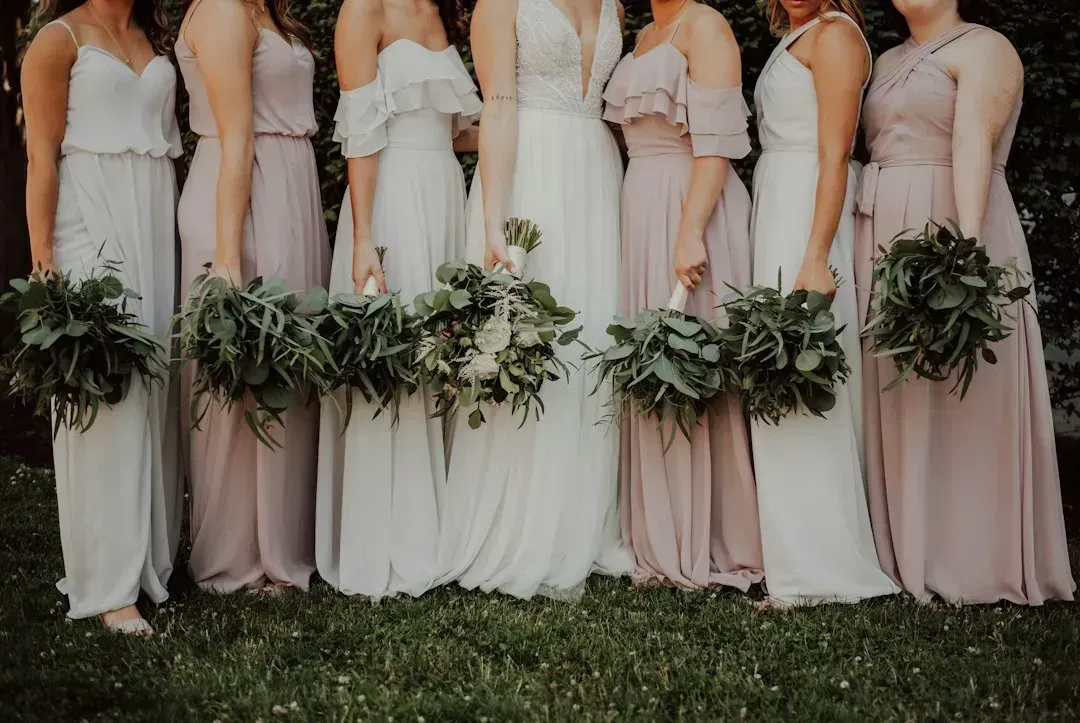
Identical bridesmaid dresses used to be close to a rule. Reporting on The Knot’s 2023 Real Weddings Study says matching wedding party attire is down 20 percent since 2018. That’s a secondhand summary, so treat the exact figure with some care.
The direction is easy to see in how people describe the change. Identical bridesmaid dresses are being replaced by more flexible, personalized color coordination. Letting each person pick a cut that suits them is cheaper for some and more comfortable for most.
Custom Wedding Hashtags
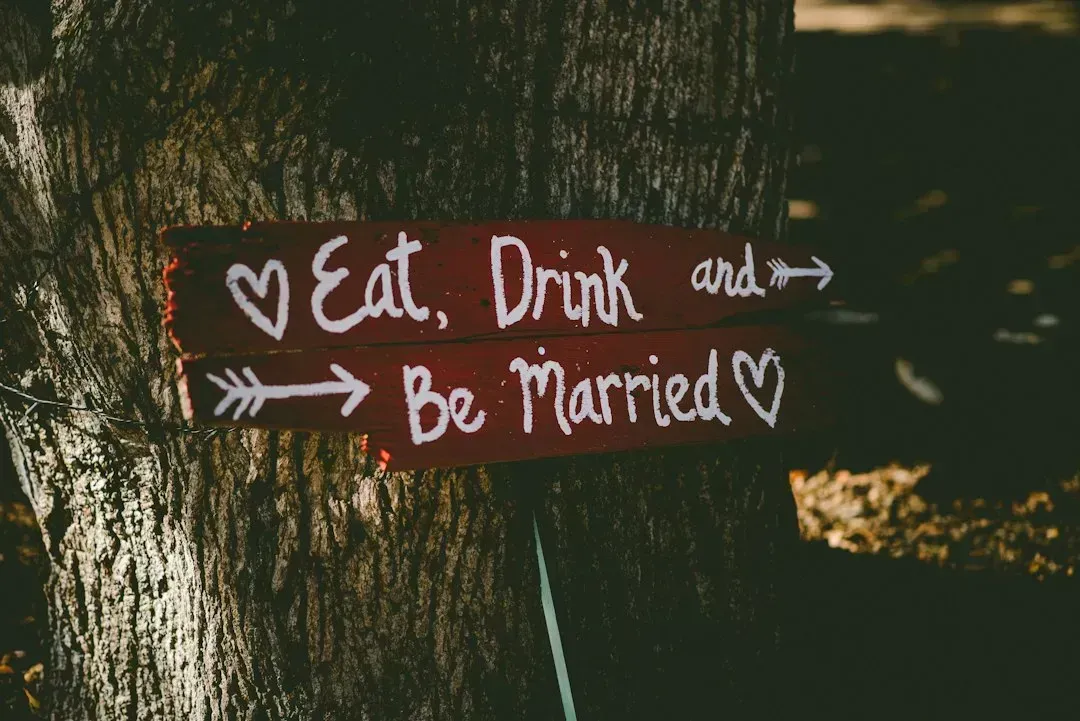
A branded hashtag once felt essential, printed on signs and napkins so guests could pool their photos. Data from The Knot’s Real Weddings Study, as summarized by one outlet, shows a 23 percent drop in wedding hashtag use over five years.
This fits a wider pattern in the 2026 Trends to Watch report. Engaged couples said social media stunts, meaning anything designed specifically to go viral, are out. Many now collect photos through shared albums or simply ask guests to stay present.
Standard Vows Read From a Script
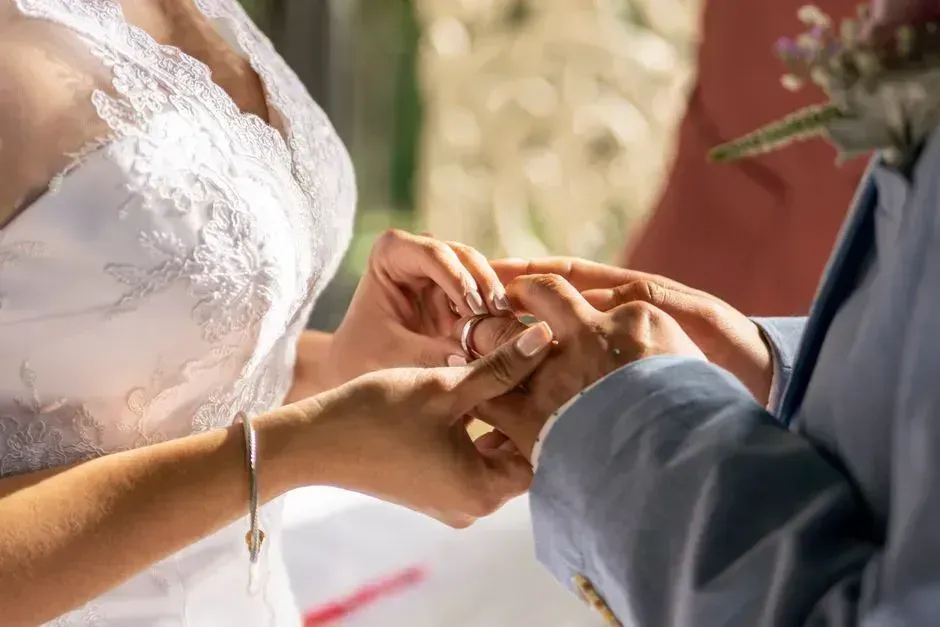
Repeating the same traditional vows after an officiant has become less typical. Coverage of The Knot’s 2026 Real Weddings Study says a majority of couples chose to write their own vows instead of using standard ones.
Technology is entering the picture too. In Zola’s 2025 survey, 51 percent of couples said they were fine with using AI to help craft vows, while 49 percent were not. That near even split suggests couples are still working out where personal ends and polished begins.
Something Old, New, Borrowed and Blue
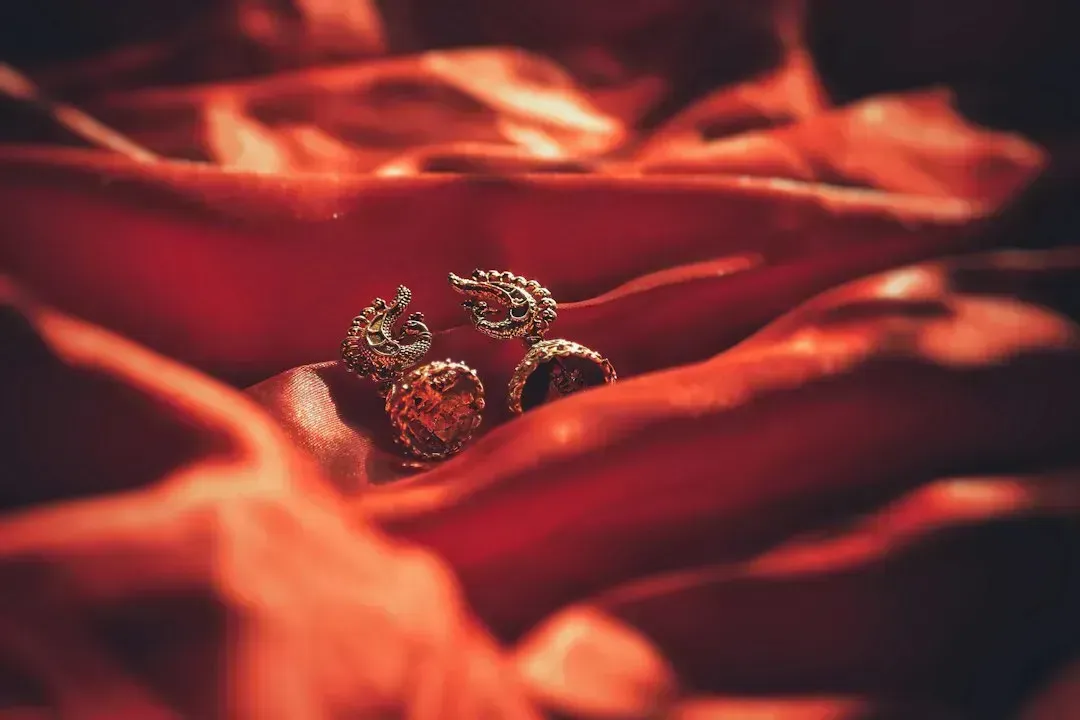
This old rhyme about good luck once guided what a bride carried or wore. Zola’s earlier First Look Report, based on over 3,000 couples planning 2022 weddings, grouped it with traditions that were out. Zola said those traditions can cause embarrassment or be a struggle to do, such as the garter toss or the checklist.
That survey is a few years old, so it shows a trend rather than a current count. Meaning still matters to many people. One wedding guide notes that the custom becomes genuinely moving when the borrowed item is a grandmother’s ring. The checklist is fading, but individual heirlooms are not.
Stacked Unity Rituals
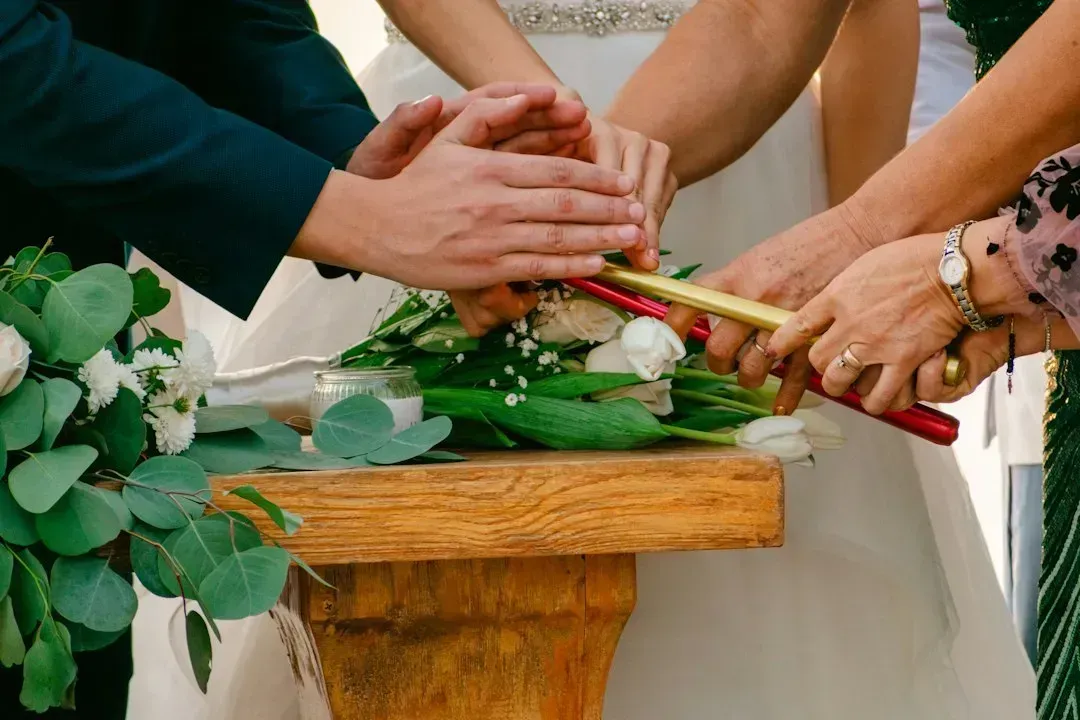
Lighting a unity candle, pouring colored sand into one vase or braiding rope became ceremony staples. Guides on 2026 etiquette say these customs are declining significantly, along with receiving lines and identical bridesmaid dresses. I couldn’t find a firm national percentage for them, so the evidence here is more qualitative.
One critique is about quantity rather than meaning. Each ritual can be meaningful alone, but stacking three or four in a single ceremony can feel like a symbolism buffet. A single chosen ritual, or none at all, keeps the ceremony shorter.
The Entirely White Wedding Dress
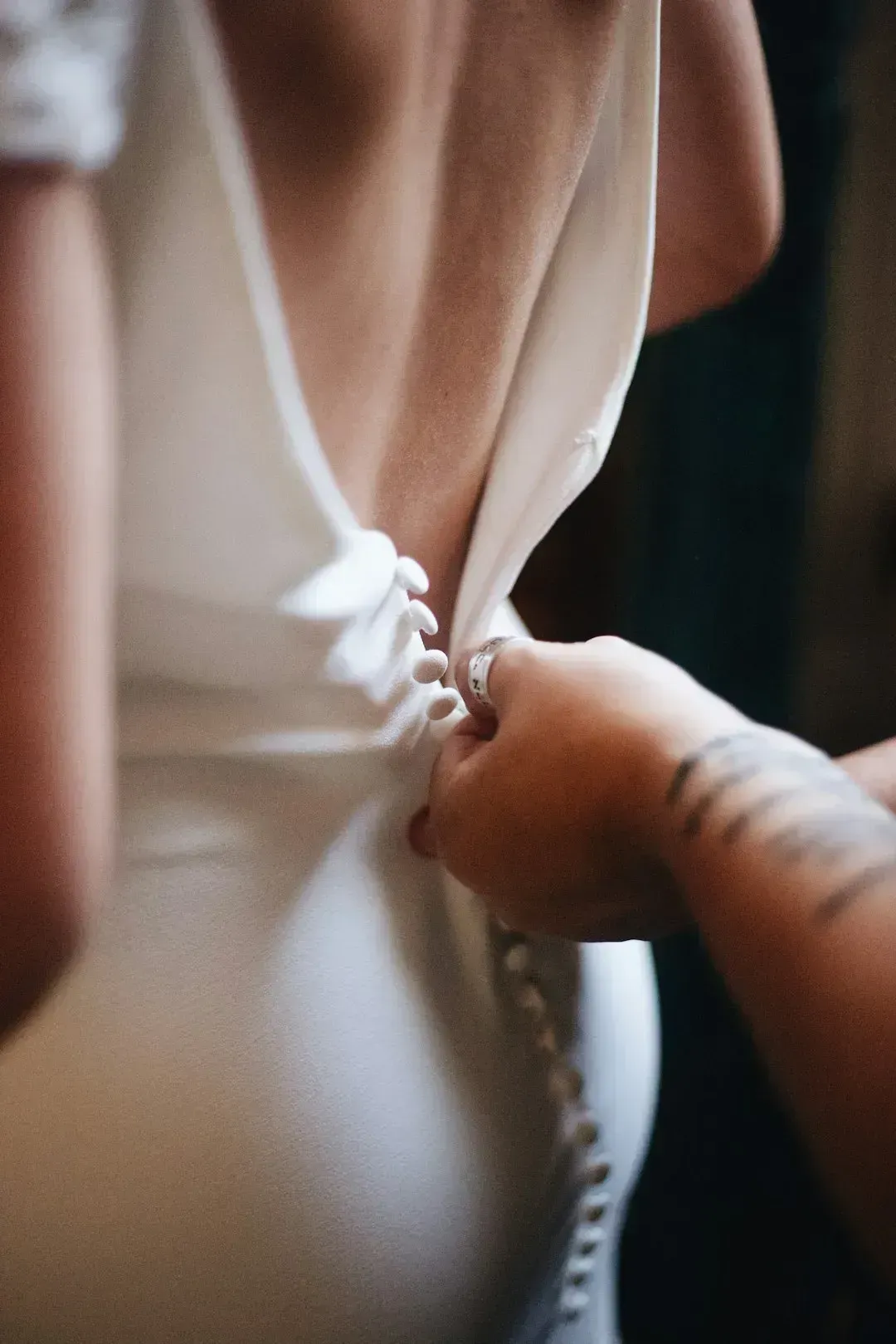
The white gown is still everywhere, yet its grip on younger people is looser. In the 2026 Trends to Watch report, single or dating Gen Zers ranked all white wedding dresses first among passé wedding elements, at 27 percent.
This is a view from people who aren’t engaged yet, so it signals taste rather than behavior. Couples already planning are more likely to talk about personalization. The Knot’s study found an emphasis on authenticity and personalization for 90 percent of engaged couples. Color, ivory tones and non traditional silhouettes fit that goal.
Being Given Away by a Parent
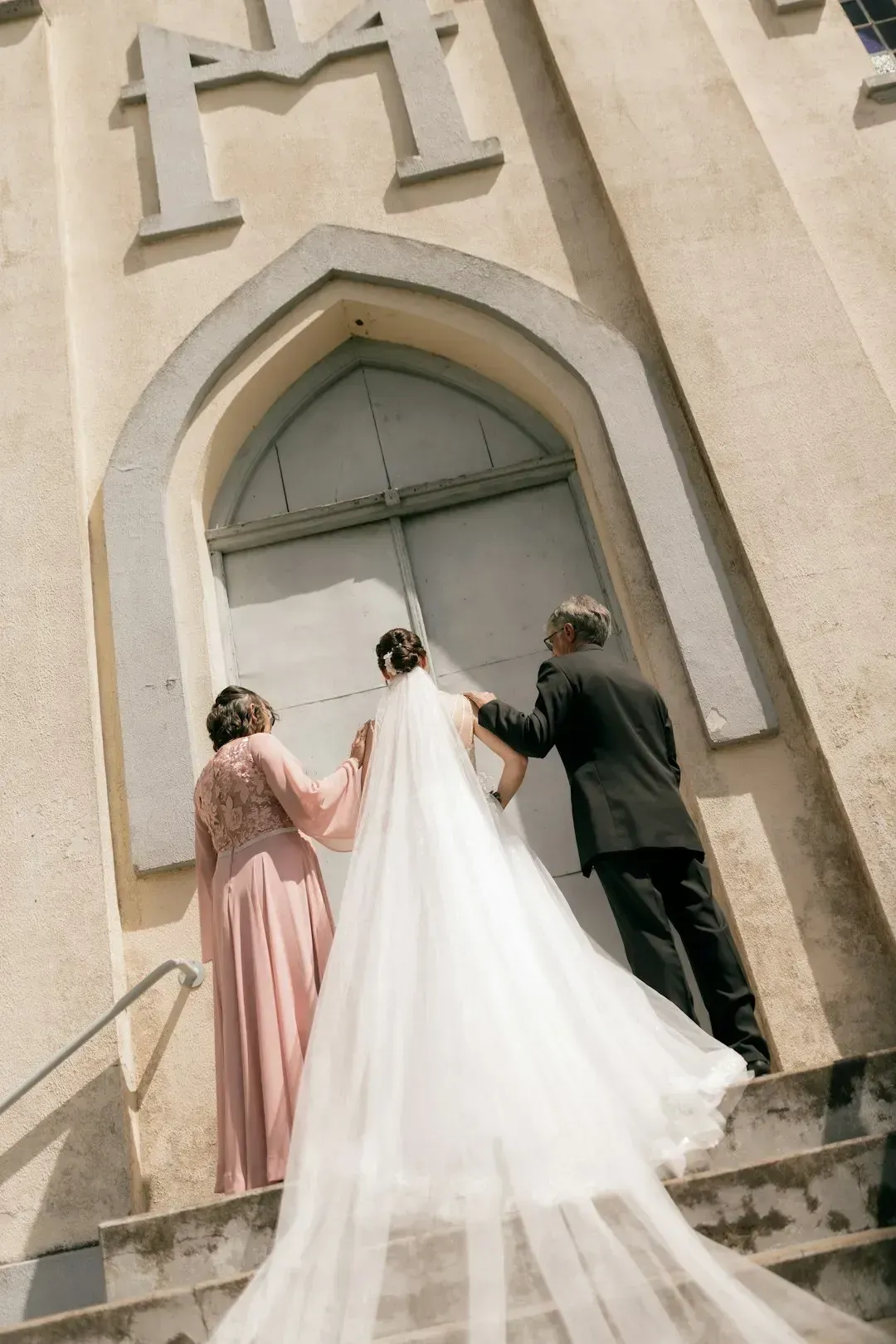
Walking down the aisle on a parent’s arm is still common, but the phrase “giving away” is under scrutiny. One wedding guide on outdated customs explains that the practice literally meant transferring legal ownership of a woman from her father to her husband. That history is a big reason some couples reconsider it.
No major survey I found gives a precise national figure for how many couples skip it. What’s visible is the variety of alternatives, such as both partners walking in together or both sets of parents escorting them. Zola’s 2025 data supports the broader mindset, with 97 percent of couples wanting both partners to have an equal say in the wedding vision.

Leave a Reply