
Ask anyone who spent their childhood summers at a bunkhouse or lakeside cabin in the 1980s, and the food memories come flooding back almost as fast as the mosquito bites. Camp cafeterias weren’t exactly known for culinary excellence, but there was something about those meals, served on plastic trays under fluorescent lights, that stuck with people for decades.
These weren’t gourmet dishes by any stretch. They were budget-friendly, kid-approved staples that fed hundreds of hungry campers at once, and somehow they became the stuff of nostalgia. Here are nine foods that defined summer camp dining in the 1980s and still spark a grin from anyone who lived through it.
1. Bug juice
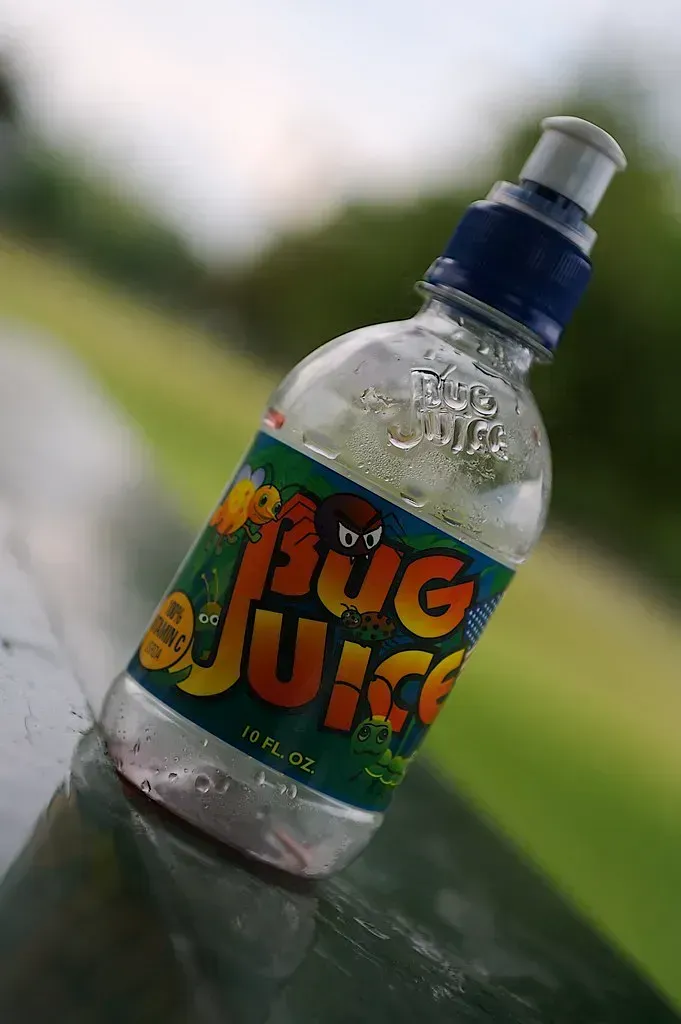
No camp food list would be complete without bug juice, the mysterious, brightly colored drink that had nothing to do with actual insects. It was usually a powdered drink mix like Kool-Aid or a generic knockoff, watered down and served from massive metal pitchers or plastic dispensers. The color rarely matched the supposed flavor, and nobody really questioned why grape juice sometimes came out looking suspiciously orange.
Kids drank it by the gallon anyway, mostly because it was the only alternative to lukewarm tap water on a hot afternoon. The name itself became camp folklore, passed down from older campers to younger ones as a rite of passage. Even now, the mere mention of bug juice brings an instant flashback for anyone who spent a summer away from home in that era.
2. Sloppy joes
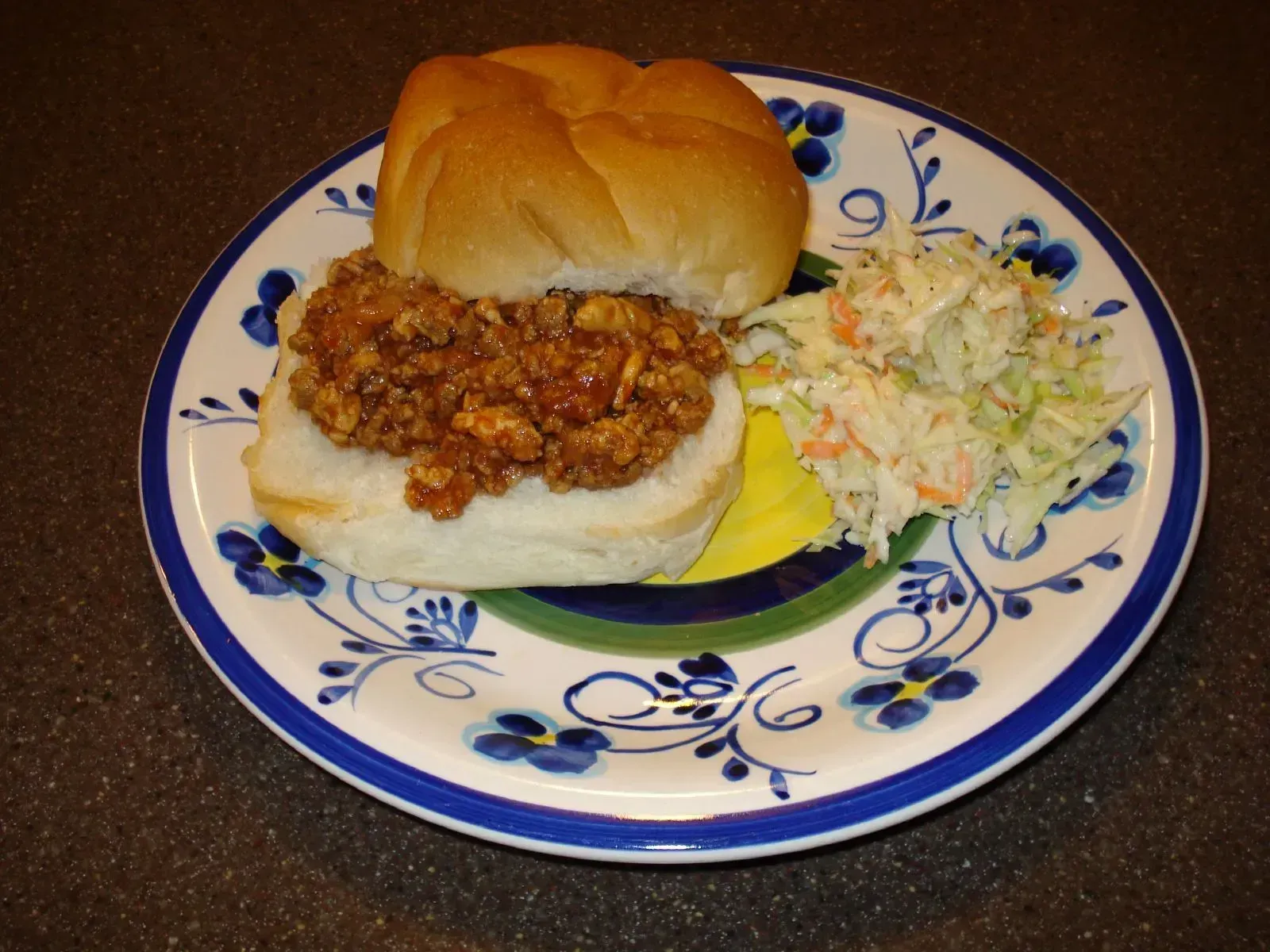
Sloppy joes were a cafeteria classic for a reason: they were cheap, easy to make in bulk, and messy in the exact way kids loved. Ground beef simmered in a tangy, slightly sweet tomato sauce, ladled onto a soft hamburger bun, checked every box for a satisfying camp lunch. The dish had been a staple of American school and camp cafeterias since the mid-20th century, and the 1980s version leaned heavily on canned sauce mixes like Manwich for convenience.
Half the fun was watching the sauce drip everywhere, turning napkins into a necessity rather than an afterthought. Camps often served sloppy joes alongside a side of canned corn or tater tots, rounding out a meal that felt indulgent compared to the usual fare. It’s one of those dishes that instantly transports former campers back to a picnic table under a pavilion roof.
3. Grilled cheese and tomato soup
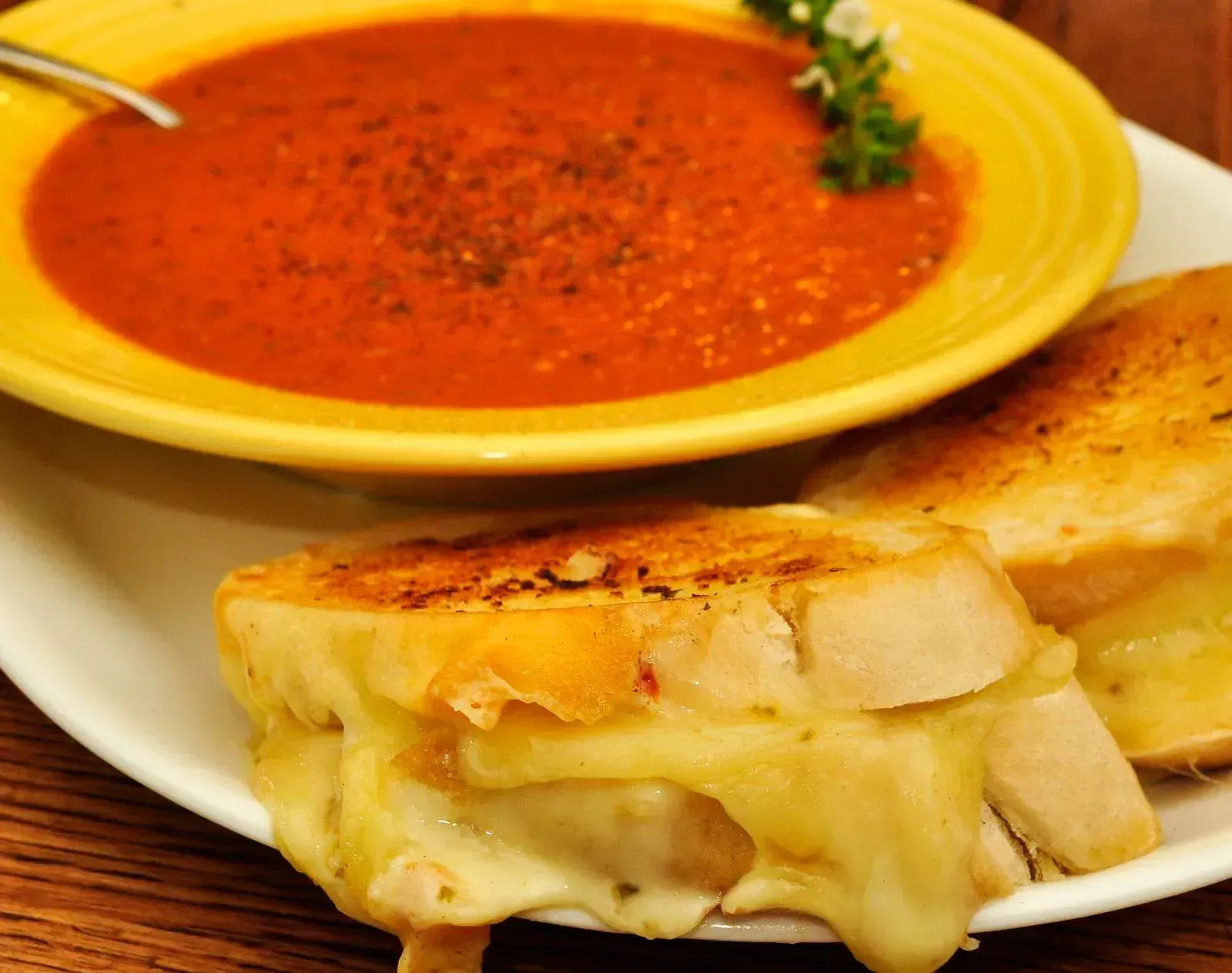
On rainy days or cooler evenings, grilled cheese and tomato soup was the go-to comfort meal at many camps. The sandwiches were often made with plain white bread and a slice or two of American cheese, griddled until golden and slightly crisp on the outside. Paired with a bowl of canned tomato soup, sometimes made from concentrate and thinned with milk or water, it was a simple combination that felt warm and familiar even in an unfamiliar setting.
This pairing worked because it required minimal kitchen equipment and could be made in large batches quickly. Camp cooks relied on it as a reliable fallback when the weather turned or when a lighter meal was needed after a big lunch. For many former campers, the smell of buttered bread on a griddle still triggers memories of steamy dining halls and damp raincoats hanging by the door.
4. Jell-O with fruit cocktail
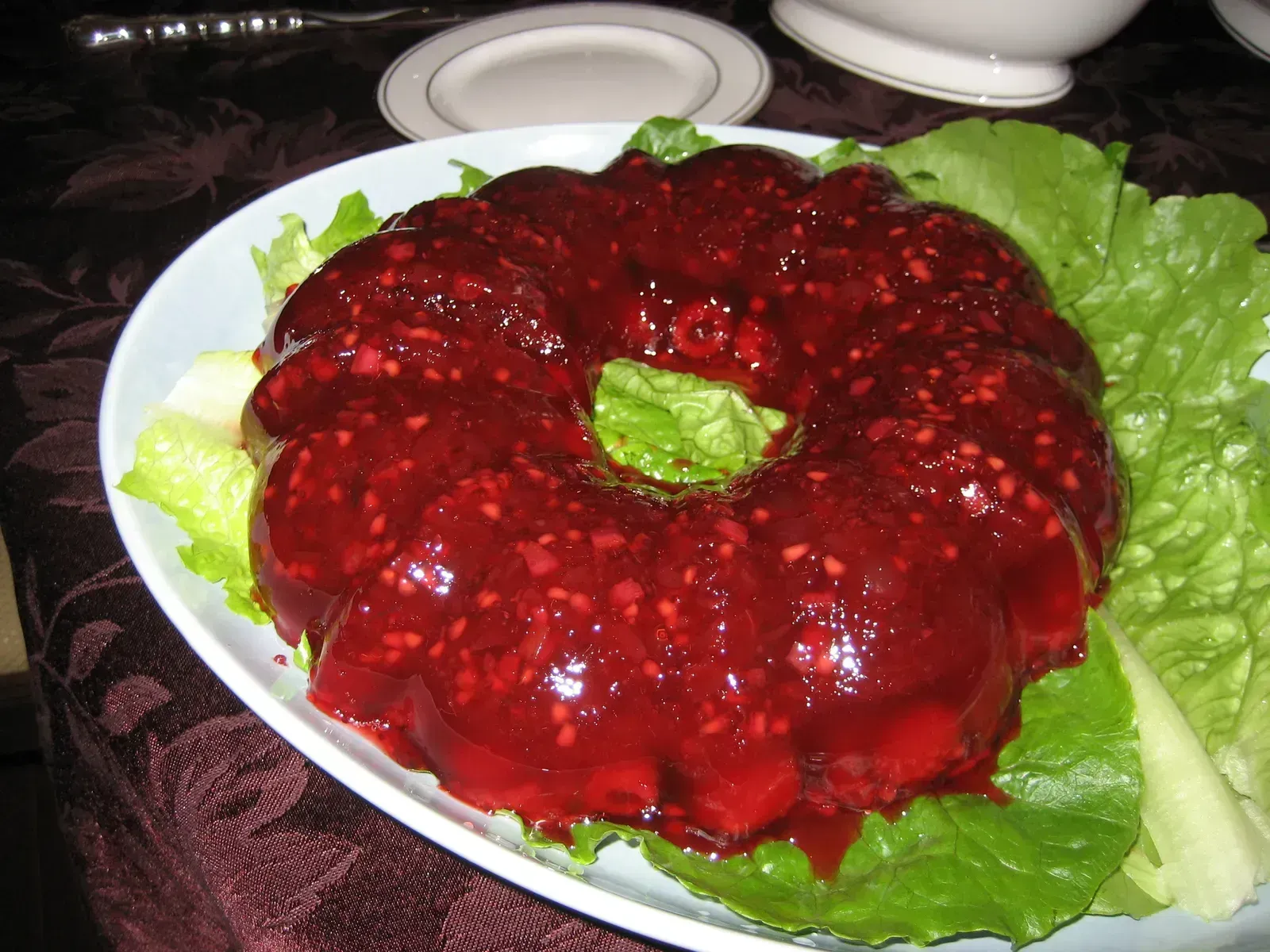
Jell-O was practically a dessert requirement at camps throughout the 1980s, and the version with canned fruit cocktail suspended inside it was especially common. The wobbly texture, the bright artificial colors, and the surprise of biting into a soft chunk of canned peach or grape made it a memorable end to dinner. It was inexpensive to prepare, could be made well ahead of time, and held up fine sitting out during a busy mess hall service.
Fruit cocktail itself became a symbol of that decade’s approach to convenience food, often canned in heavy syrup and mixed with cherries dyed an unnaturally vivid red. Campers either loved picking out the cherries first or saved them for last, and either way it sparked plenty of debate at the dinner table. Decades later, that particular wobble and sweetness remain instantly recognizable to anyone who grew up eating it.
5. Tater tot casserole
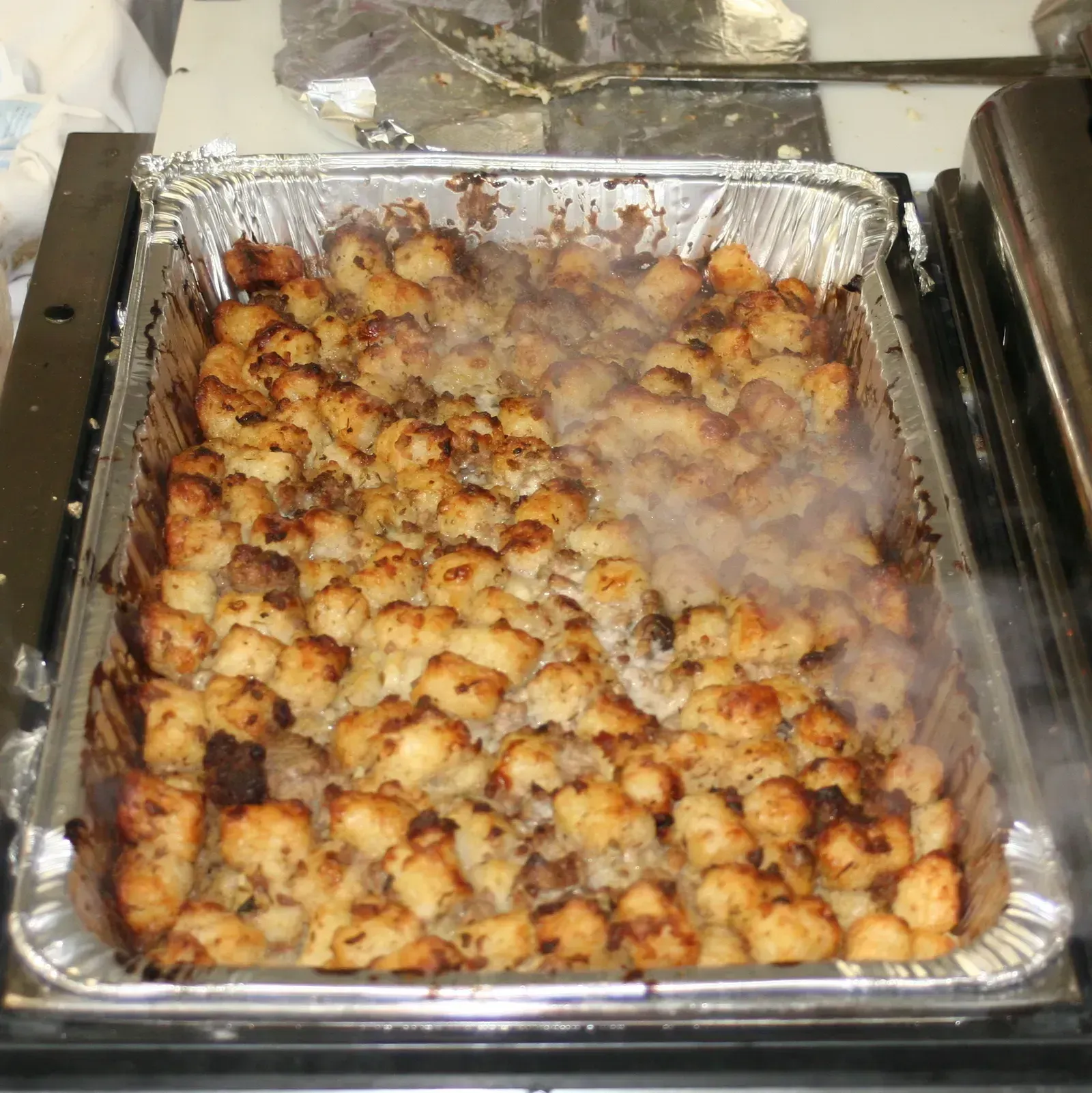
Tater tot casserole, sometimes called hot dish depending on where campers were from, showed up regularly on camp menus because it was hearty, filling, and stretched a modest amount of ground beef across a large group. The basic formula combined ground beef, canned vegetables, a creamy soup base, and a generous topping of tater tots baked until crispy on top. It was the kind of dish that felt like a home-cooked meal even though it was mass-produced in industrial ovens.
Camp cooks appreciated it because the ingredients were shelf-stable and cheap, while campers appreciated the crunchy potato topping that gave way to a warm, savory filling underneath. It wasn’t fancy, but it delivered exactly what a hungry kid wanted after a full day of swimming and hiking. Many people still associate the smell of that casserole baking with the specific feeling of camp dining halls in the evening.
6. S’mores
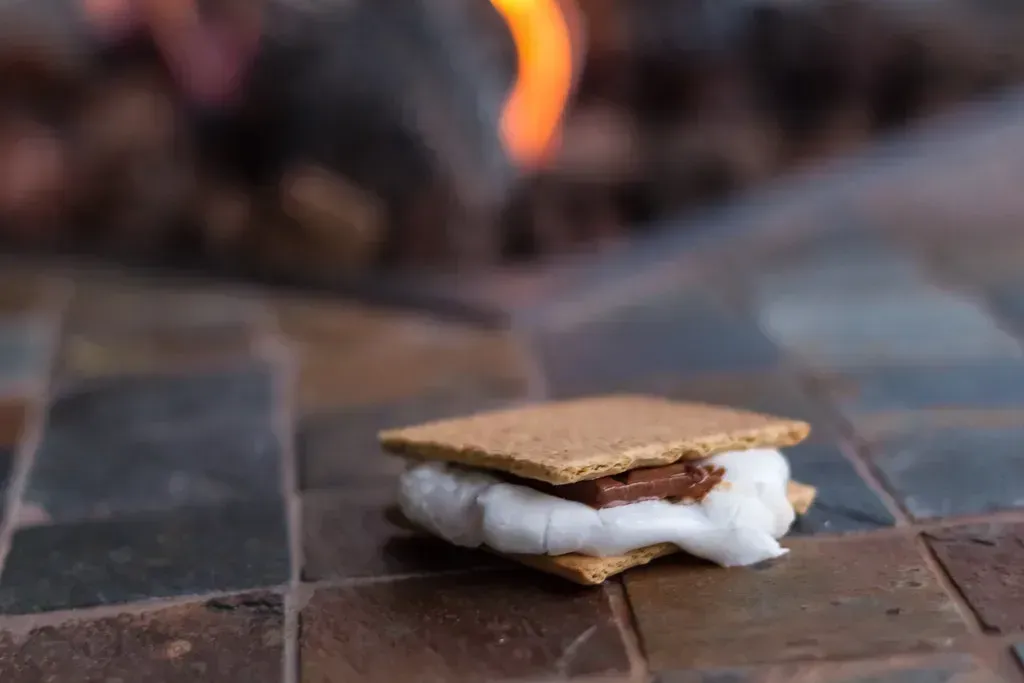
No summer camp experience from the 1980s was complete without s’mores gathered around a campfire, and this treat has remained essentially unchanged for generations. Graham crackers, a square of Hershey’s chocolate, and a toasted marshmallow squeezed together created a gooey, slightly charred dessert that felt like an event rather than just a snack. The ritual of roasting marshmallows over open flames, sometimes catching one on fire by accident, was as much a part of the tradition as the taste itself.
Hershey’s has actively promoted the s’mores recipe on its own packaging since the mid-20th century, cementing its place as an official camp classic. For many campers, it wasn’t really about the dessert itself but about the shared experience of sitting around a fire with friends after a long day. That combination of nostalgia, sugar, and firelight is likely why s’mores remain one of the most enduring camp food memories from that decade.
7. Peanut butter and jelly sandwiches
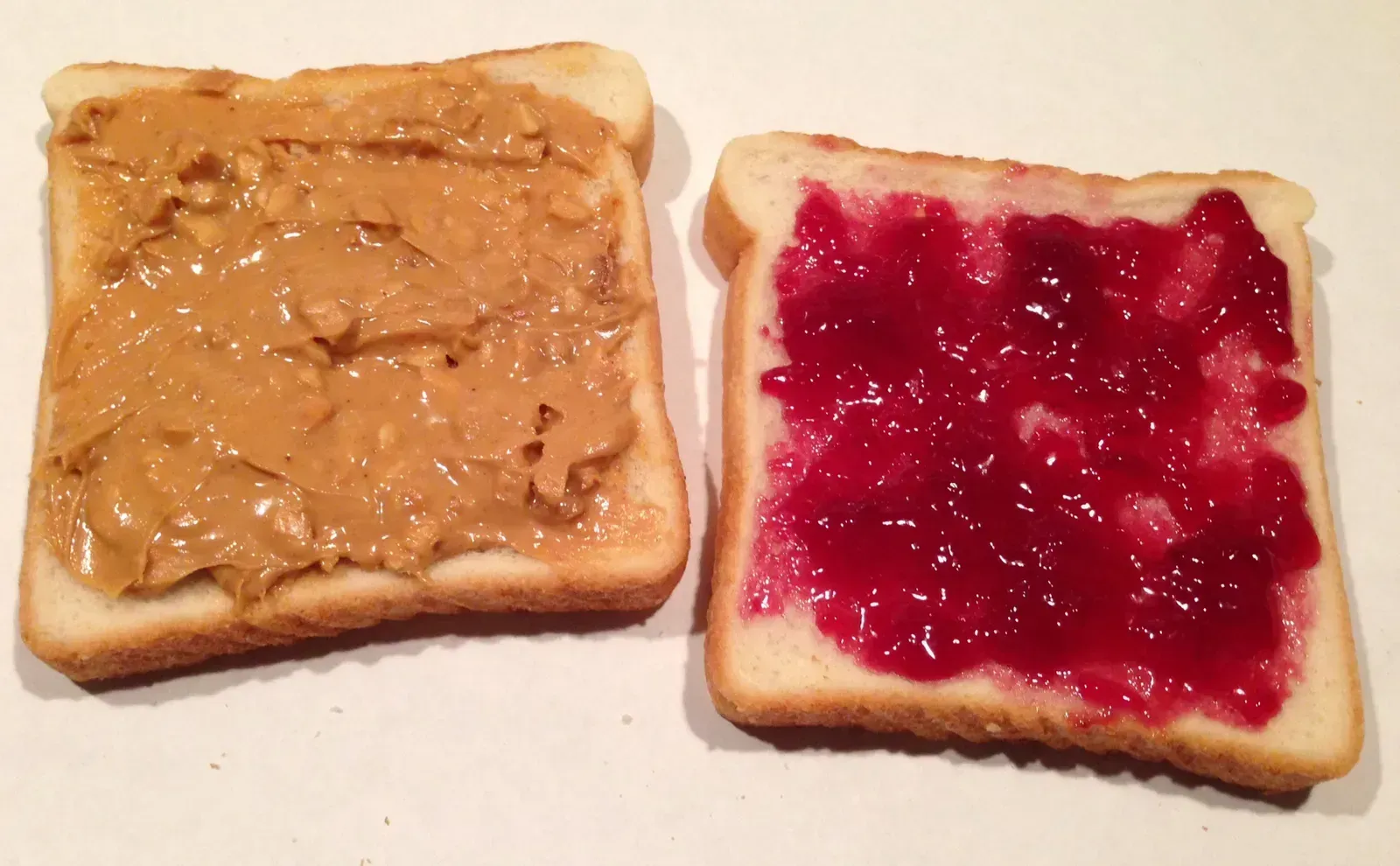
Peanut butter and jelly sandwiches were the reliable backup option at nearly every 1980s summer camp, often available at every meal for kids who weren’t fans of the main dish. They required no cooking, no refrigeration for short periods, and almost universal kid approval, making them a practical staple for busy kitchen staff. Grape jelly was the most common pairing, though strawberry showed up plenty as well, spread thick on white bread that had usually gone a little stale by midweek.
For picky eaters or homesick kids, PB&J became a comfort food that felt safe and predictable in an environment full of new experiences. Camps often set out bread, peanut butter, and jelly on a side table so kids could make their own sandwiches whenever the main course didn’t appeal to them. That self-serve setup gave campers a small sense of independence, something many people still remember fondly decades later.
8. Hot dogs and hamburgers on cookout night
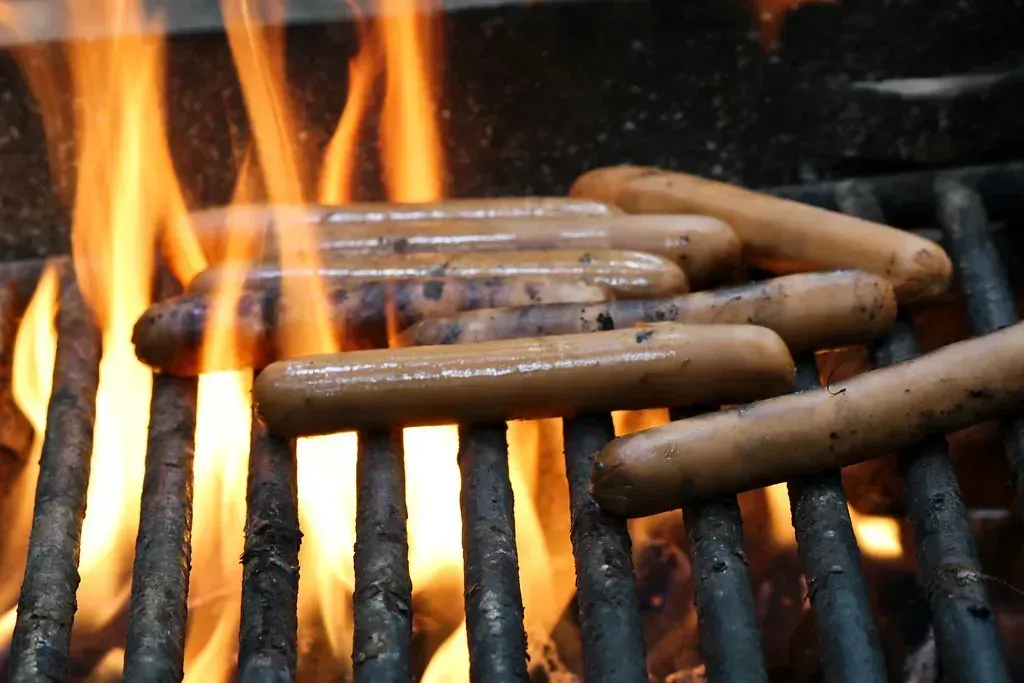
Cookout night was often the highlight of the week, when camp staff fired up grills outdoors and served hot dogs and hamburgers instead of the usual cafeteria fare. The smoky smell drifting across the campgrounds signaled something different was happening, and campers lined up eagerly with paper plates in hand. Ketchup, mustard, and relish were typically laid out on a folding table, letting kids customize their own burger or dog exactly how they liked it.
These cookouts frequently included sides like potato chips, baked beans, or watermelon slices, turning dinner into something closer to a backyard barbecue. The informal, outdoor setting made the meal feel like a break from routine, even if the food itself was fairly basic. For many former campers, that specific combination of grilled meat and evening air remains one of the more vivid food memories from their time away at camp.
9. Canned peaches and pears
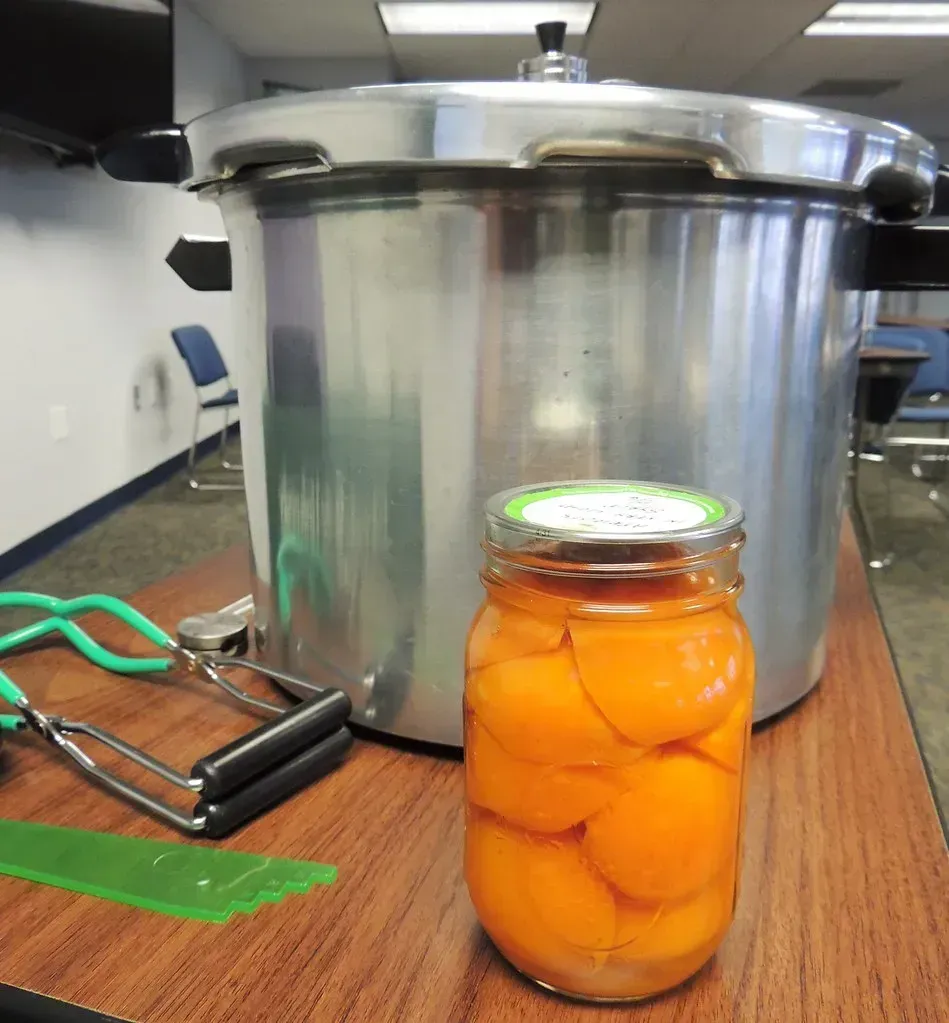
Canned peaches and pears, served chilled in their own syrup, were a near-constant presence on camp dining hall trays throughout the 1980s. They were inexpensive, shelf-stable for long periods, and required zero preparation beyond opening the can and scooping out portions. The syrupy sweetness and slightly metallic aftertaste became so familiar that many former campers can still recall the exact texture and flavor decades later.
Canned fruit was a practical solution for camps trying to offer something resembling fresh produce without dealing with spoilage in kitchens that often lacked reliable refrigeration. It showed up alongside almost every meal, whether as a side dish at lunch or a light dessert after dinner. That humble bowl of canned peaches or pears has become an unexpectedly persistent symbol of what eating at camp actually felt like back then.
These nine foods weren’t gourmet, and nobody at the time thought they were particularly special. Yet decades later, they remain some of the most vividly remembered parts of the summer camp experience, proof that simple, unpretentious meals can leave a lasting impression long after the campfires have burned out.




Leave a Reply