
There’s a particular kind of memory that only surfaces when you’re talking to someone who was there. Not a broad, Wikipedia-level recollection, but the specific texture of a Friday night at the video store, or the low-grade anxiety of the phone ringing when you were expecting a call. These weren’t dramatic moments. They were just life before the internet rearranged everything.
Growing up in the 1980s and early 1990s meant navigating a world that was modern enough to feel exciting, but slow enough that things still required patience. Kids were right on the cusp of major technological breakthroughs, but before the internet and smartphones had taken over everyday life. For anyone who was actually there, these nine experiences won’t need much explanation.
1. The Friday Night Video Store Ritual
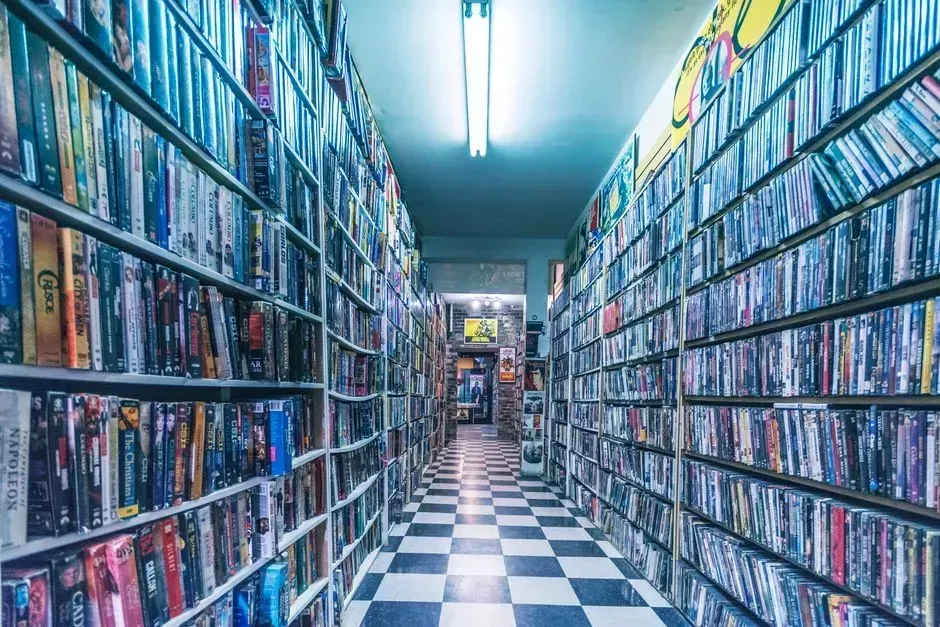
Before the era of instant streaming and on-demand entertainment, video stores provided a tactile, immersive experience that combined the joy of discovery with the excitement of anticipation. Walking into a video store felt like entering a treasure trove of possibilities, each aisle promising a new journey into the realms of action, comedy, romance, or horror. That feeling is almost impossible to explain to someone who grew up with streaming queues.
Many stores had special sections dedicated to new releases, where you could rent the latest Hollywood blockbuster, though you often had to act fast before all the copies were rented out. Choosing a film involved reading the synopsis on the back of a VHS case, looking at the cover, and sometimes relying on the recommendations of the store worker – often a movie buff who was more than happy to guide you through the vast collection. That human element, an actual person with opinions, is something no algorithm has quite replaced.
2. Rewinding the Tape (or Forgetting To)
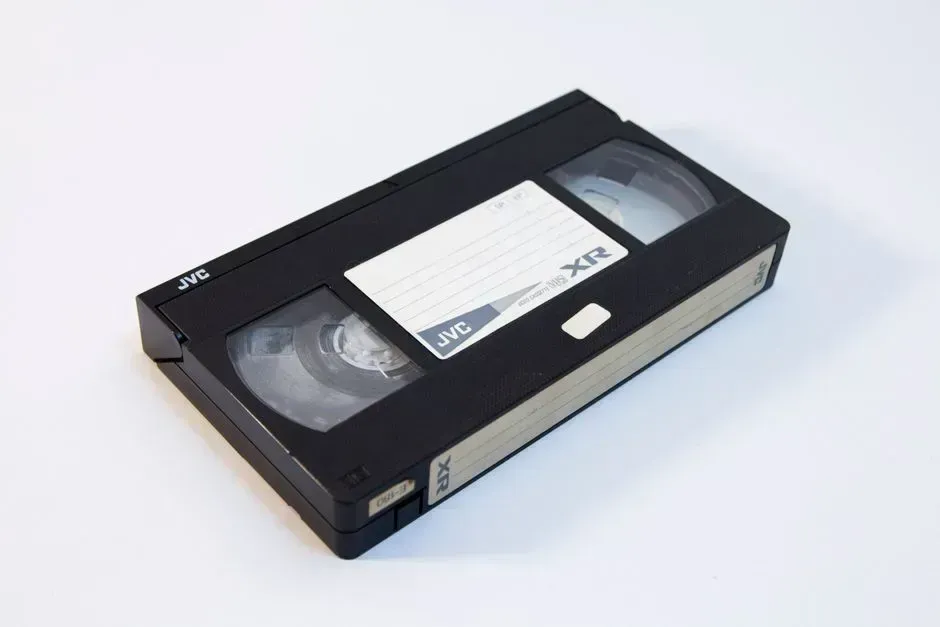
Few things felt more frustrating about VCRs than putting in a movie only to discover the person before had failed to rewind it. As a preemptive measure, video stores placed stickers on each tape that read “Be Kind, Rewind,” and many would even fine you if you returned a video that was not rewound. It sounds almost absurdly quaint now. A fee for not being courteous enough to rewind a tape.
By the late 1980s, external rewinders came into existence to speed things up, and some of these took fanciful shapes that suggested speed, such as racecars and wildcats. The worst part was waiting, listening to the whirring magnetic tape as it spun round and round. There was something strangely meditative about it, though nobody would have called it that at the time.
3. The Dial-Up Modem Sound
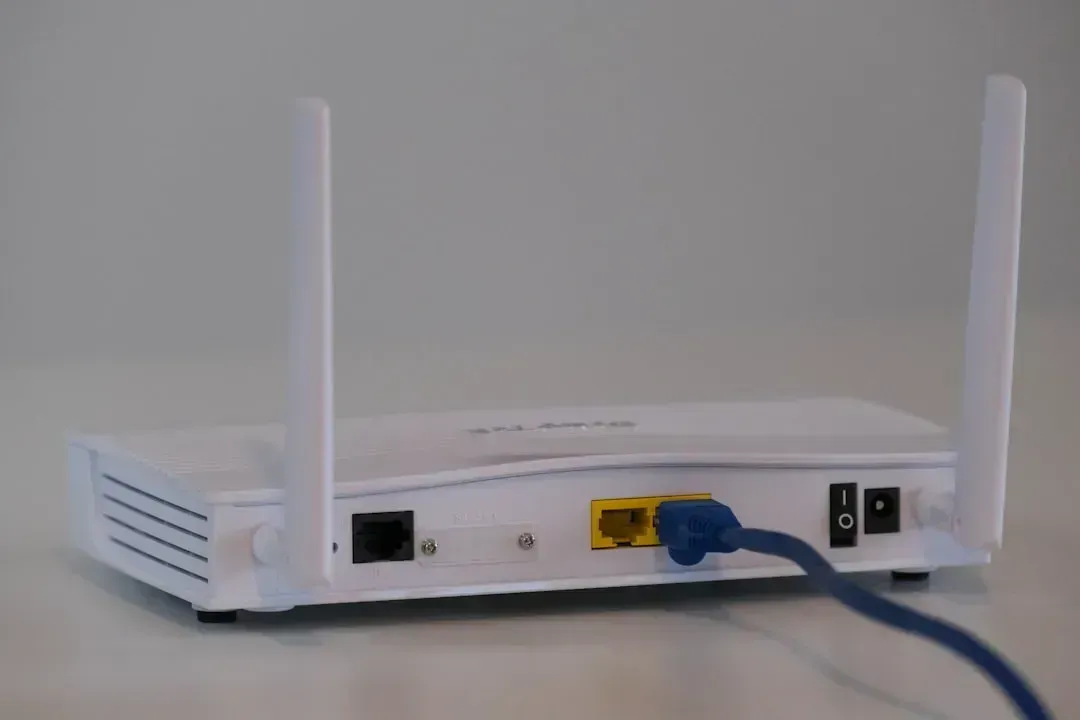
It was the soundtrack of the early internet: when AOL dial-up users wanted to go online in the 1990s, they heard the instantly recognizable sequence of beeps and buzzes. That noise was not a flaw or an inconvenience anyone complained about. It was simply what going online sounded like, and it meant something was actually happening.
The reason that screech became a source of nostalgia is because it represented a process, a tangible transition from the offline world to the online one. Today, the internet is like air; it’s everywhere and nowhere, accessible with a silent tap. Back then, you had to do something to get there. The dial-up sequence was the price of admission, and it made the prize feel earned. There was no such thing as being passively connected. You chose to go online, and you knew the exact moment it happened.
4. Sharing One Phone Line With the Whole House
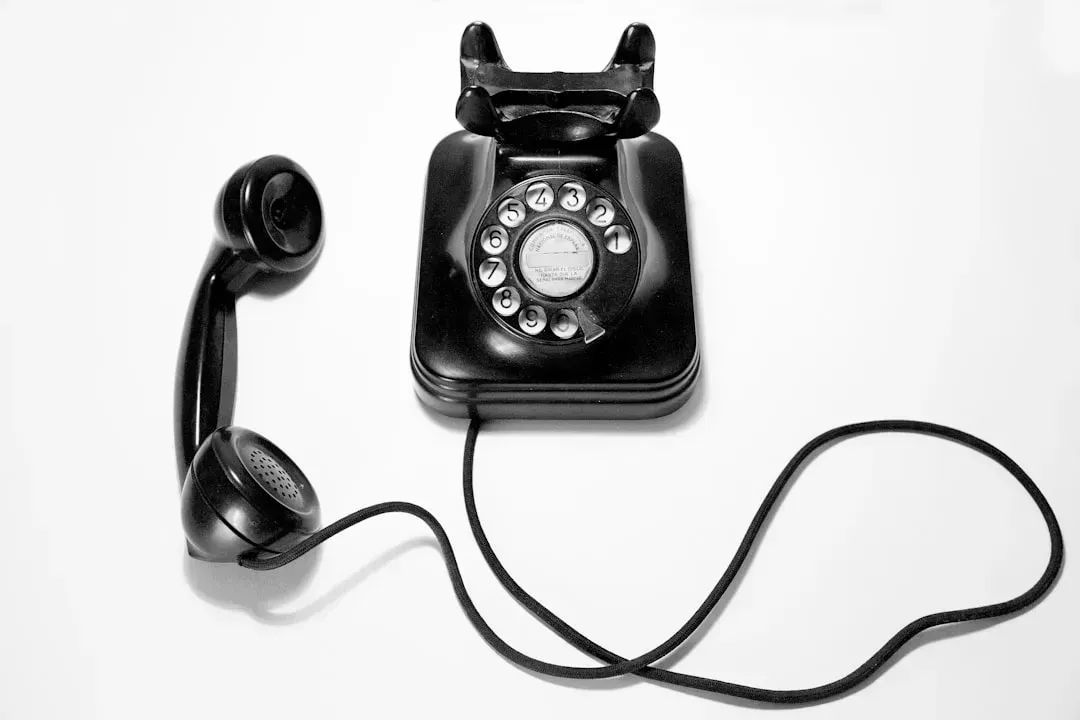
When you called someone there was a very real chance their dad would answer and you would have to ask him to speak to his daughter. That could be terrifying. There was no ability to just text or call directly. Every phone call carried a small but genuine social risk: the wrong family member picking up, or someone picking up the extension in the middle of a conversation.
Eventually some of the more talkative teens would get their own landline because the parents would miss calls because she was always on the phone. The idea of tying up the household phone line for hours was a completely normal source of family conflict. Today, the whole scenario sounds almost theatrical. Back then, it was just Tuesday.
5. Doing Homework Without Google
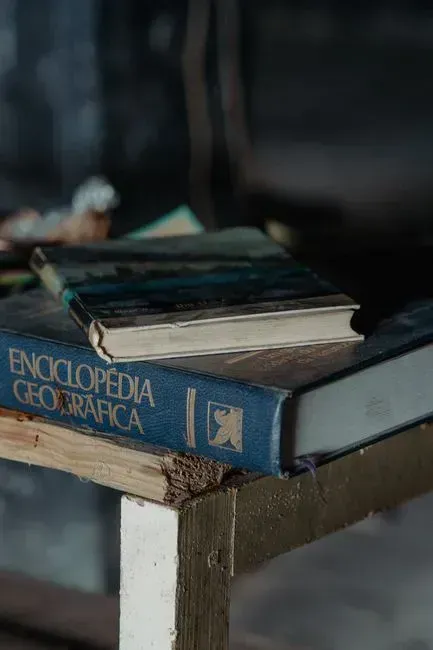
When kids needed to do research for school, they went to the library and looked up information in books, encyclopedias, and periodicals. There was no shortcut, no instant answer, and no ability to fact-check in thirty seconds. You either knew the material, found a book that covered it, or handed in something incomplete.
The volumes could be found at the library, or, if your parents fell for the door-to-door sales pitch and had the means, you had your own set of Encyclopedia Britannica on the bookshelves of your home. A complete set of these giant hardbacks were so expensive that they would stay in families for a very long time, perhaps longer than their useful life. If you had a 1956 set that had been passed down, the world’s countries weren’t necessarily the same by the time you were trying to do your geography report in 1983. History had changed political boundaries and country names. You had to read carefully and decide whether to trust the date on the spine.
6. Waiting an Entire Week for the Next Episode

Imagine being on the edge of your seat, waiting for your favorite show to come on. You had the TV guide in hand, mentally preparing for the next episode of a beloved series. There was no binge-watching or streaming. If you missed an episode, you either had to wait for a rerun or hope it would be available on VHS someday. The anticipation built across days, not across a brief loading screen.
That weekly cadence shaped how kids related to television differently. Storylines were discussed at school the following morning, and if you missed the broadcast, you genuinely missed out. There was none of the constant distraction of social media or the pressure to always be connected and available. A Tuesday night cliffhanger had an entire week to marinate in your imagination.
7. Getting Lost and Actually Figuring It Out
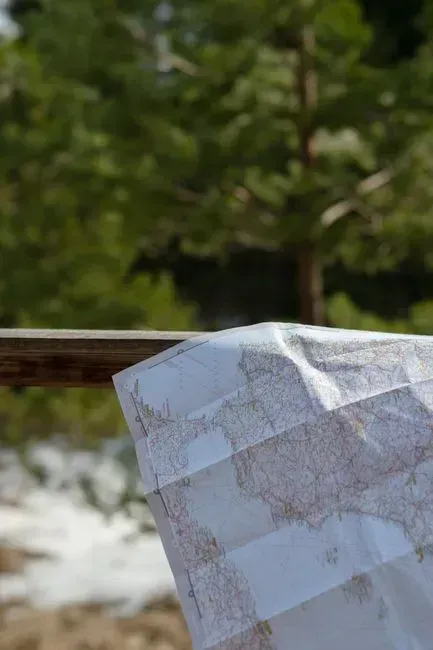
Kids and adults alike relied on maps for directions and used payphones to make calls when they were out and about. There was no GPS narrating every turn, no live traffic overlay, and no way to instantly recalculate if you took a wrong exit. Paper maps required actual spatial reasoning, and asking strangers for directions was a normal, functional part of life.
Telling your parents you were going to a friend’s house meant checking in after a couple of hours, either by physically coming home or calling from the friend’s landline. Depending on the time of day, it could also mean “come home when the streetlights come on.” Children navigated neighborhoods, parks, and entire afternoons without any tracking, any device, and often without any adults watching. It required a kind of casual self-reliance that felt entirely ordinary at the time.
8. Making Mixtapes as a Genuine Art Form
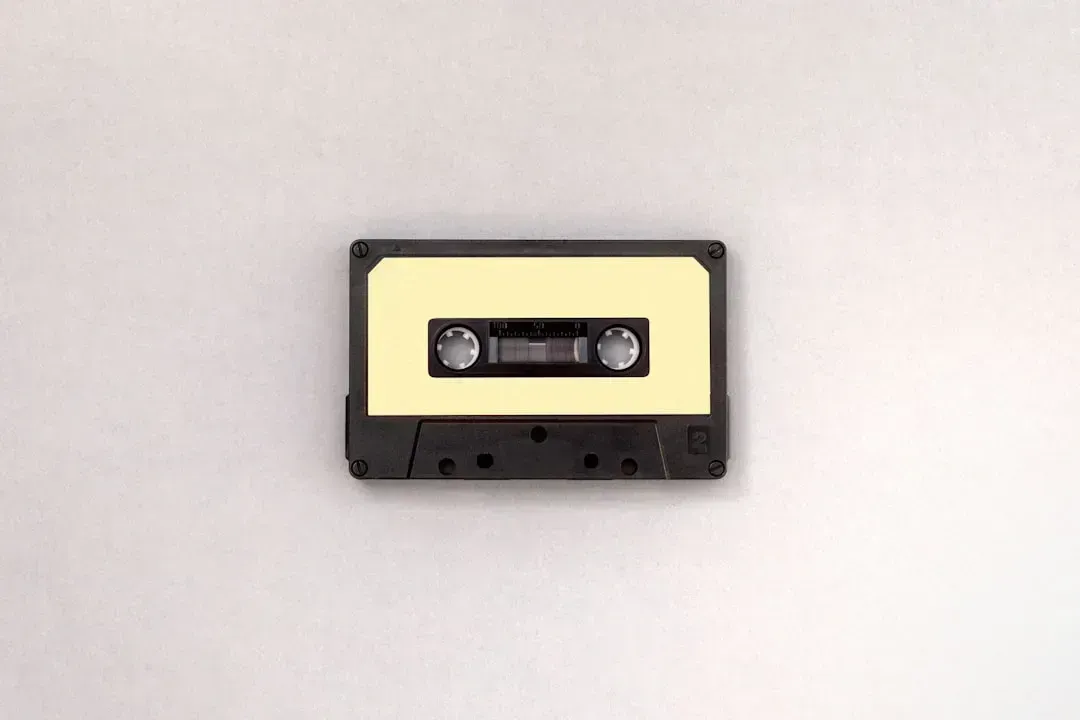
Creating a mixtape was an art form. You’d spend hours carefully selecting songs from the radio, waiting for the perfect moment to hit “record.” Each tape was a labor of love, a soundtrack to life’s moments, whether it was a crush or a heartbreak. The patience involved was real. You might sit through an entire hour of radio just to catch one song cleanly, without the DJ talking over the intro.
Watching cartoons after school, making mixtapes off the radio, blowing into video game cartridges like it was a sacred ritual – these were the rituals that structured an afternoon. Today’s playlists can’t quite capture that same level of effort and thoughtfulness. There was something special about the pause-and-play dance with favorite tracks. The physical effort made the finished tape mean something, in a way that a shared Spotify playlist simply doesn’t.
9. Living Comfortably With Not Knowing Things
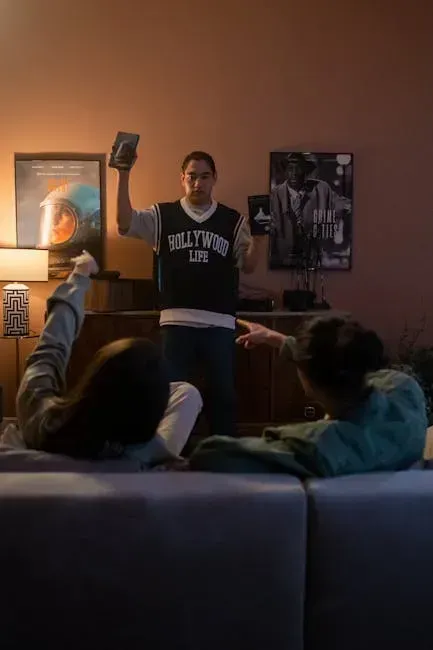
Back then, if you didn’t know something, you just didn’t know it. Mystery. Wonder. A reason to start a weird rumor on the playground. That sounds like a disadvantage now. In practice, it meant that arguments about movie trivia, historical facts, or sports scores could last for days, and nobody was wrong until someone found a book.
There was no constant fear of missing out, or fear of not knowing, that really didn’t exist in the 1990s. Dial-up nostalgia, as people now call it, is less about a desire for slow technology and more a reflection on how that era’s digital boundaries, intentionality, and sense of discovery contrast with today’s always-on internet culture. Living without instant answers didn’t feel like deprivation. It felt like the normal condition of being alive – curious, a little uncertain, and mostly fine with it.
What connects all nine of these experiences isn’t inconvenience or hardship. It’s the pace. Things took time, required effort, or simply couldn’t be resolved until the right moment arrived. That structure wasn’t something anyone consciously appreciated while living inside it. It only becomes clear in contrast to a world where everything, always, is one tap away.

Leave a Reply