
1. United Arab Emirates
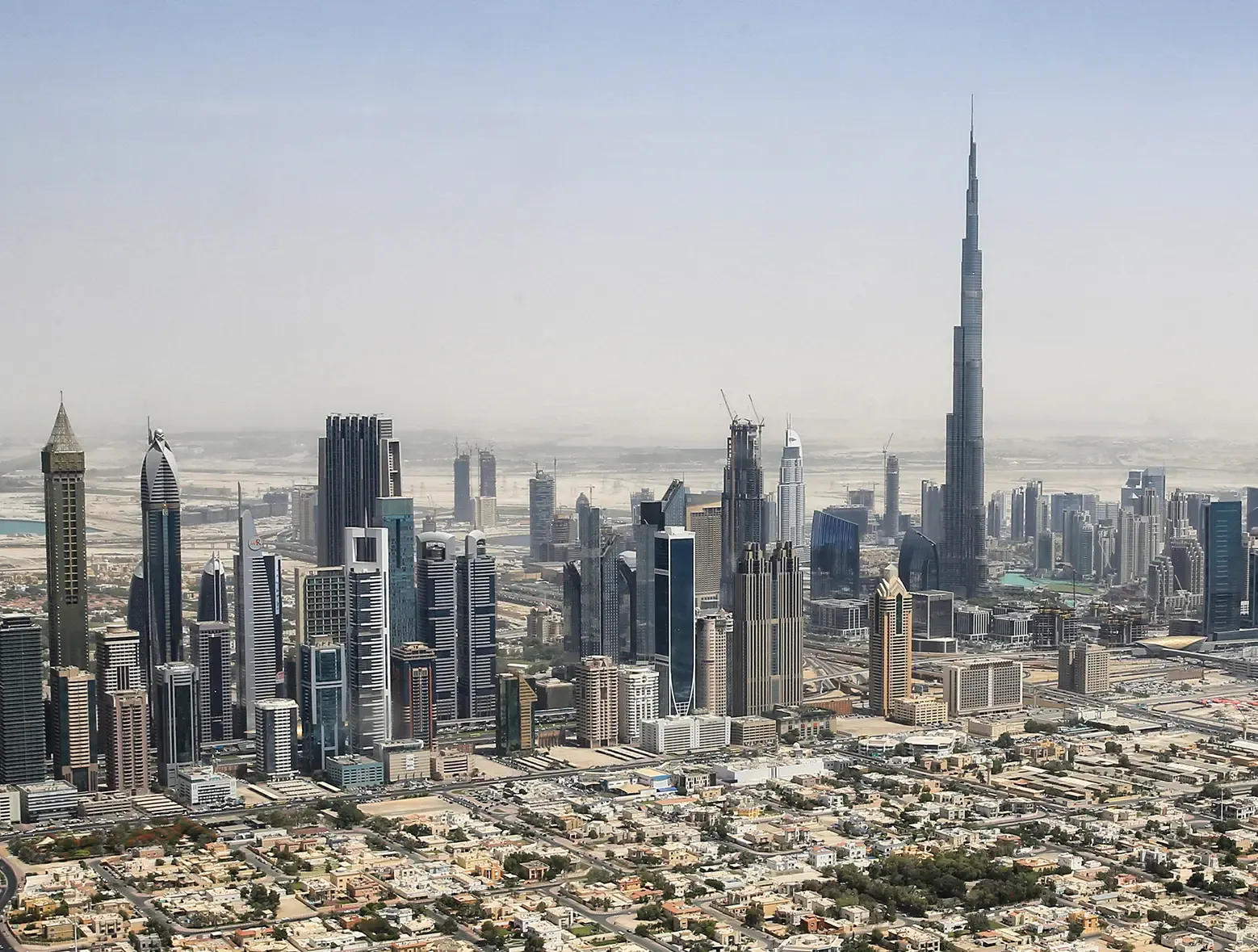
The UAE routinely lands near the very top of global safety indexes, and the 2025 data backs that up in a big way. The UAE has been ranked the second safest country in the world, achieving an impressive safety index score of 84.5, according to the 2025 Safety Index by Numbeo, with Andorra claiming the top spot. That’s not a fluke result either, since the same dataset places it near the very bottom for crime.
What makes this genuinely surprising is how little the UAE’s international image tracks with these numbers. The UAE also ranked as the country with the second-lowest crime rate in the 2025 Crime Index by Numbeo, further reinforcing its reputation as one of the safest nations worldwide. Strict enforcement, heavy surveillance infrastructure, and severe penalties for even minor offenses all play a role in keeping street crime rare across Dubai and Abu Dhabi alike.
2. Qatar

Qatar tends to get attention for its wealth and its skyline rather than its safety record, yet the crime figures are hard to ignore. According to the 2025 Safety Index by Numbeo, the 20 safest countries in the world place Qatar in third position with a score of 84.2, just behind the UAE. That puts it ahead of nearly every country in Europe and North America on the same measure.
Part of the explanation lies in Qatar’s small, tightly governed population and its reliance on strict legal codes that leave little room for petty theft or violent offenses to take hold. Visitors often remark on how ordinary it feels to walk through Doha’s markets at night without a second thought. The country’s rapid development since hosting the World Cup has only reinforced heavy investment in public order and infrastructure, which shows up directly in the safety numbers.
3. Slovenia

Slovenia is a country of about two million people tucked between Italy, Austria, and Croatia, and it rarely gets mentioned in the same breath as its more famous neighbors. Yet it consistently ranks among the safest nations on earth. By focusing on development and good governance, Slovenia has become one of the safest countries in both Europe and the world, demonstrating that even a nation of 2 million can achieve top-tier safety.
The country also scores strongly on more granular crime measures rather than just broad peace indexes. Slovenia posted a safety index score of 76.2 in the 2025 Numbeo rankings, placing it among the top 15 safest countries worldwide. Low population density, strong social trust, and a judicial system that moves relatively quickly on minor offenses all contribute to why Slovenia rarely shows up in crime headlines.
4. Armenia
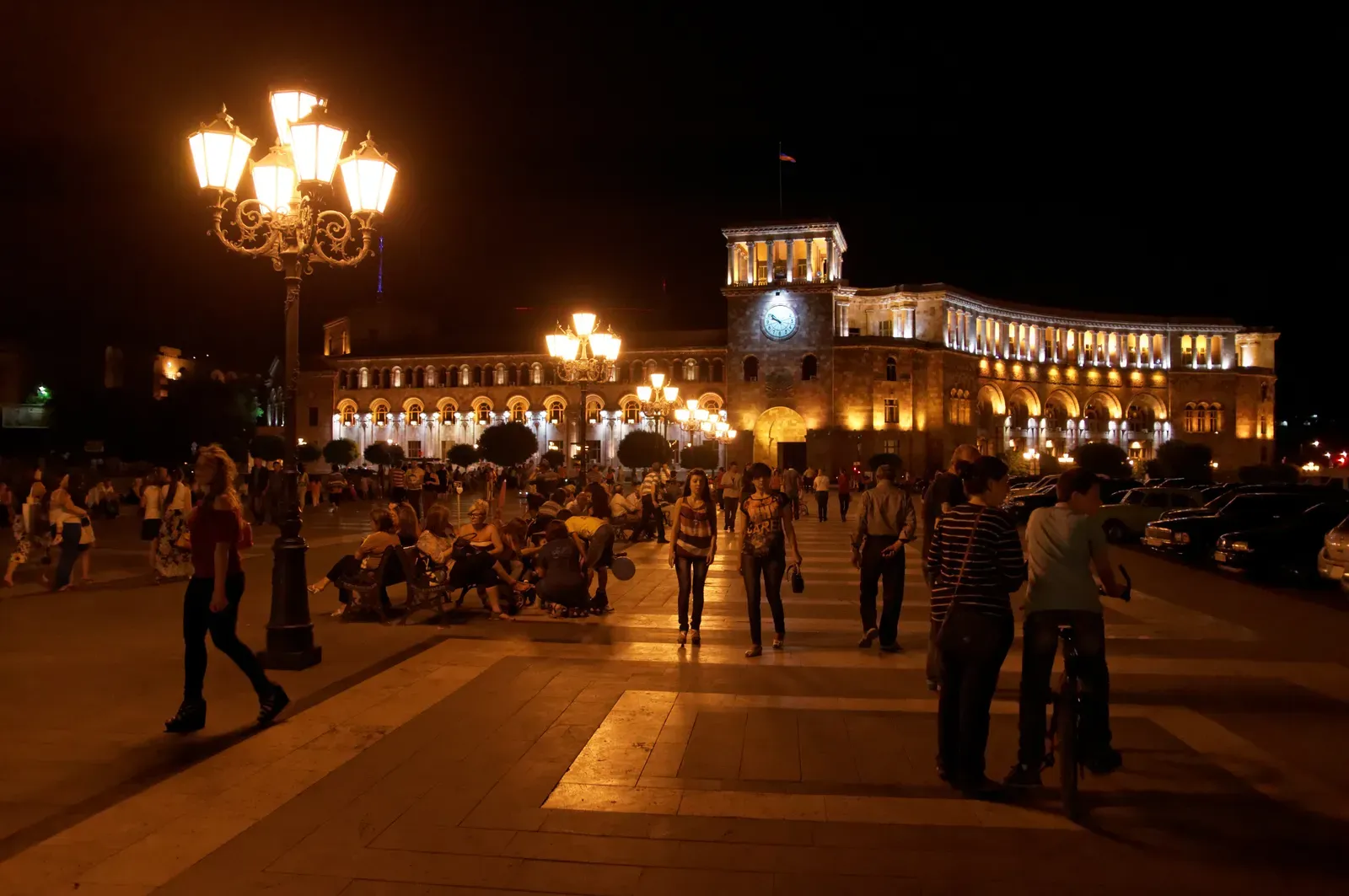
Armenia sits in a region often associated with instability, given its history and its tense border with Azerbaijan, so its safety ranking tends to catch people off guard. According to Numbeo’s 2025 Crime and Safety Index, Armenia is ranked as the 8th safest country in the world, earning a safety score of 77.9. That places it above most Western European nations on the same list.
The official crime data reinforces this picture rather than contradicting it. Armenia is generally safe and relatively free of random acts of violent crime, and the overall crime rate throughout the country is lower than those of the United States and many Western European countries. Yerevan in particular has built a reputation for late-night café culture and streets that stay lively and calm well past midnight, a detail that surprises a lot of first-time visitors.
5. Rwanda

Few countries carry a heavier historical shadow than Rwanda, given the genocide that swept the country in 1994. Three decades later, the crime statistics tell a story of genuine transformation. According to Numbeo’s 2025 data, Rwanda has a low crime index of 26.9, making it the country with the lowest crime rate in Africa that year.
Perceptions of safety on the ground back up the raw numbers too. Rwanda also scored 78% for safety at night in the Gallup Global Safety Report 2025, scoring higher than the U.K. at 76%, France at 73%, and the U.S. at 71%, with 78% of residents feeling safe walking alone after dark. Kigali’s clean streets and visible police presence are frequently cited by visitors as evidence of just how far the country has come.
6. Oman
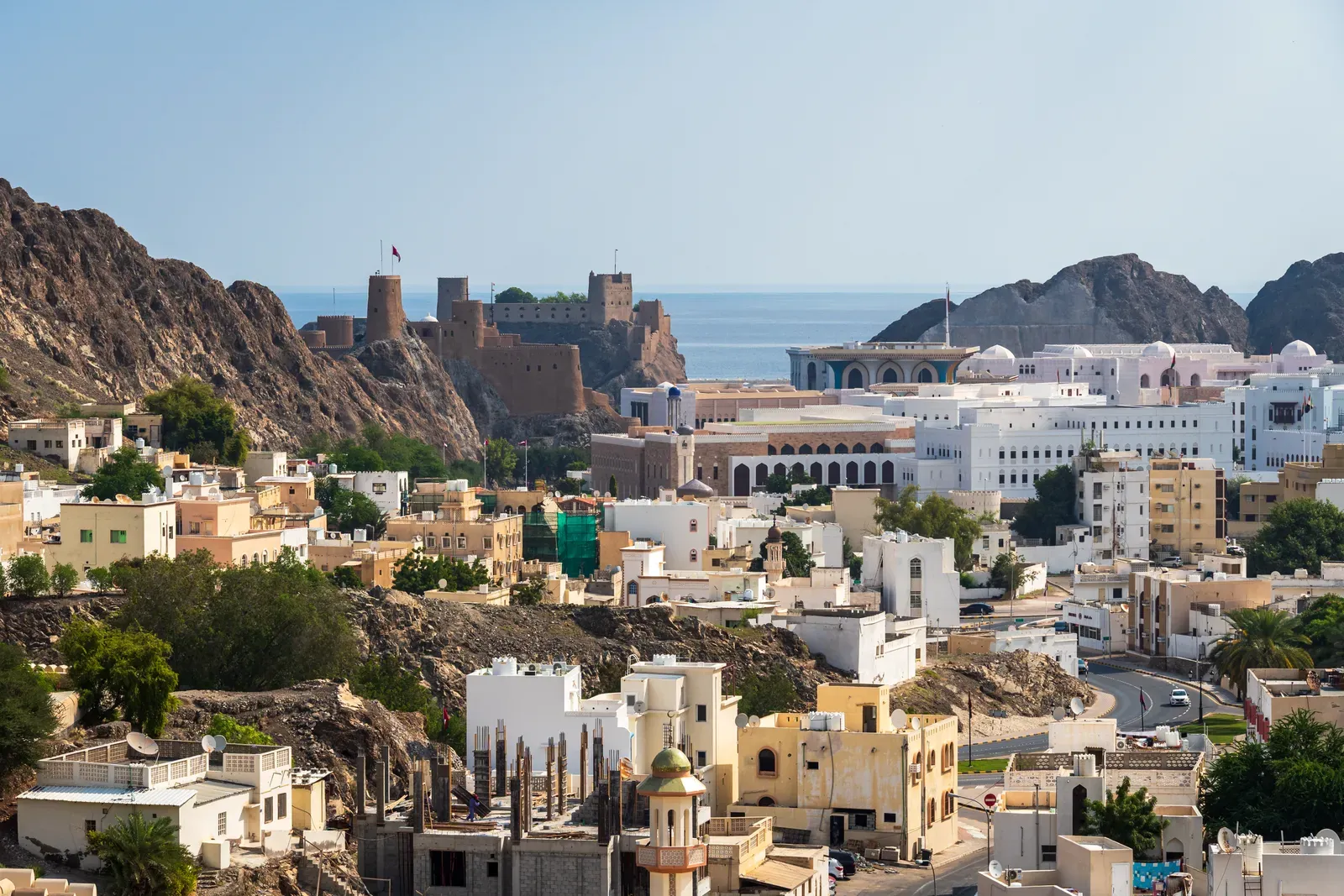
Oman rarely gets the tourism spotlight that neighboring UAE or Qatar receive, which makes its safety ranking one of the more genuinely surprising entries on this list. Oman placed fifth in the 2025 Safety Index by Numbeo with a score of 81.7, just behind Taiwan. That’s a remarkable showing for a country that many travelers still associate primarily with desert landscapes rather than urban safety metrics.
Oman’s low crime environment stems from a combination of small population size, strong social cohesion, and consistent government investment in public services. Muscat, the capital, is often described by residents and expats as one of the calmest capital cities in the Gulf region. The country’s legal framework and cultural emphasis on hospitality also help explain why violent crime remains exceptionally rare.
7. Taiwan

Taiwan’s political situation tends to dominate any conversation about the island, often overshadowing the fact that it is also one of the safest places to live in Asia. Taiwan ranked fourth in the 2025 Safety Index by Numbeo with a score of 82.9, ahead of Oman and just behind Qatar.
Locals frequently point to the near total absence of violent street crime as one of daily life’s quiet advantages. Taipei’s late-night convenience store culture and packed night markets operate with a level of casual trust that would feel unusual in many larger cities elsewhere. Strict gun laws, a strong social safety net, and community-oriented policing all contribute to why Taiwan’s crime figures rarely make international news, simply because there is so little to report.
Taken together, these seven countries share a pattern worth noting. Safety doesn’t always correlate with wealth, fame, or a spotless international reputation. Sometimes it comes down to smaller populations, tight-knit communities, or governments that have quietly invested in order rather than image. The numbers from 2025 and 2026 suggest that if travelers or would-be residents look past the familiar names, there’s a longer list of genuinely safe places than most people assume.
Leave a Reply