
Saudi Arabia

Saudi Arabia currently sits at the very top of global affordability rankings. Saudi Arabia and the UAE have the lowest home price-to-income ratios in the dataset at 3.0. That figure comes from a comparison of median home prices against median household income across more than 180 countries, and a ratio that low means the average home costs roughly three years of income rather than the eight, ten, or even fifteen years seen elsewhere.
Part of the explanation lies in policy rather than pure market forces. In Gulf countries, relatively high incomes and government-backed housing initiatives help keep homeownership within reach for many citizens. Riyadh has poured resources into national housing programs over the past decade, subsidizing mortgages and land allocation for citizens, which has kept the price-to-income math far more favorable than in most Western economies.
United Arab Emirates

The UAE shares that same rock-bottom price-to-income ratio with its neighbor. Saudi Arabia and the UAE have the lowest home price-to-income ratios in the dataset at 3.0. That places the country well ahead of far wealthier nations on paper, since affordability depends less on overall national wealth than on how closely local wages track local property prices.
Dubai’s skyline might suggest luxury pricing across the board, but the broader UAE housing market tells a different story once income is factored in. Affordability depends on how closely home prices track local incomes, not simply on a country’s overall wealth. Strong salaries in the public and energy sectors, combined with tax-free income for many residents, help offset what would otherwise be a pricier market.
Qatar
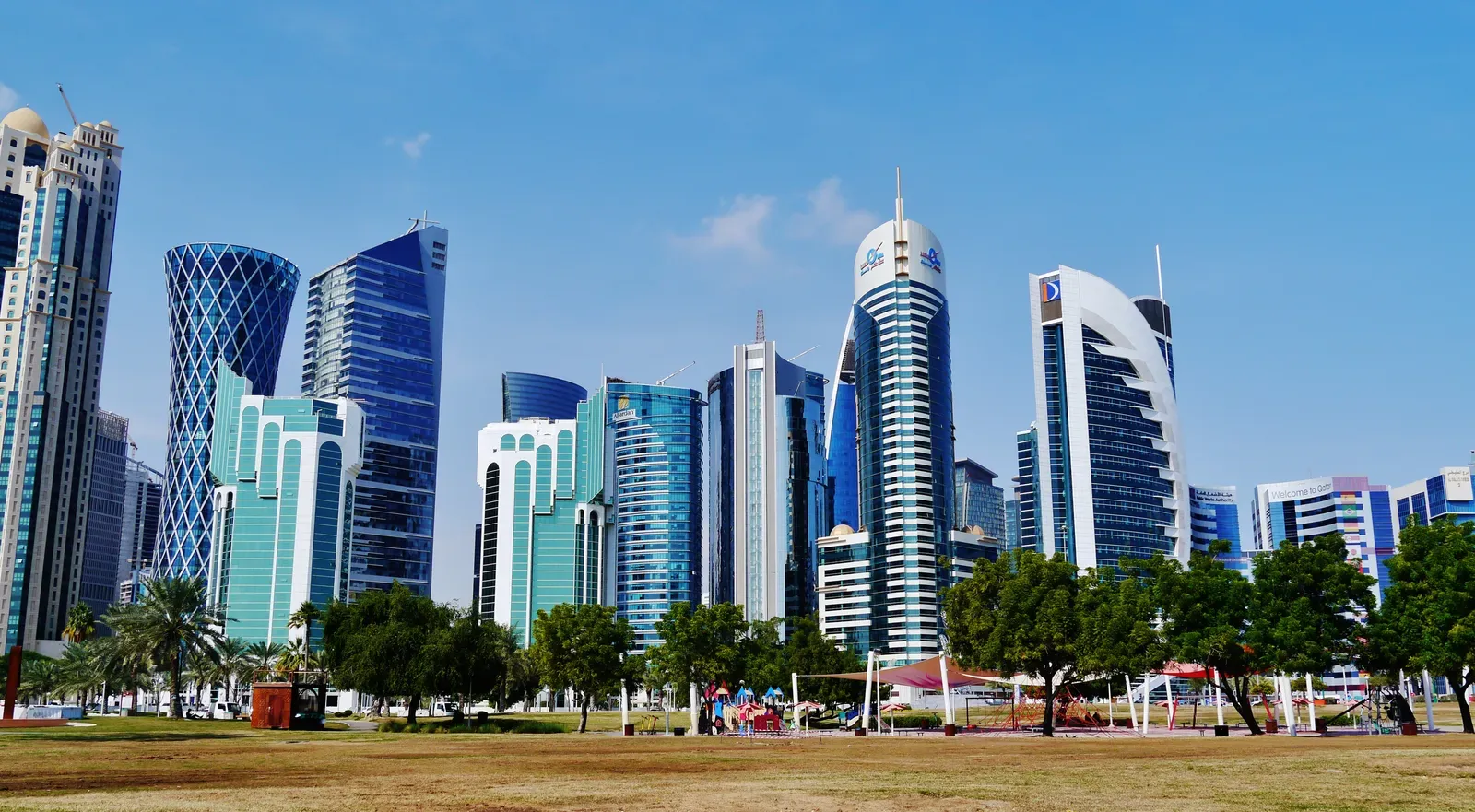
Qatar consistently appears near the top of global affordability lists compiled from housing cost and income data. Such countries include Qatar, Puerto Rico, United States, South Africa, Saudi Arabia, and Oman. That grouping reflects a combination of manageable mortgage burdens and favorable price-to-income ratios relative to many other developed and developing economies.
Doha’s property market has matured considerably since the 2022 World Cup construction boom, and prices have settled into a more predictable range. High per-capita income in Qatar continues to soften the impact of property costs, which is a big part of why it lands in these affordability comparisons year after year.
Oman

Oman rounds out the list of countries where the numbers work in the buyer’s favor. Such countries include Qatar, Puerto Rico, United States, South Africa, Saudi Arabia, and Oman. The country’s smaller population and steady oil-linked income base have kept residential prices from spiraling the way they have in more crowded, higher-demand markets.
Muscat’s real estate scene remains comparatively modest in scale, without the speculative pressure seen in nearby Gulf capitals. For residents with stable local salaries, that translates into a housing market that hasn’t detached itself from what an average household can realistically afford.
South Africa

South Africa is a bit of an outlier on this list, since it sits outside the Gulf’s high-income bracket yet still ranks among the more affordable housing markets globally. Such countries include Qatar, Puerto Rico, United States, South Africa, Saudi Arabia, and Oman. This suggests that home prices there haven’t climbed at the same aggressive pace seen in many other emerging economies.
Cities like Johannesburg and Cape Town do have pricier pockets, particularly near the coast, but the national average tells a more modest story. A weaker currency relative to major global ones has also kept nominal home prices low for anyone earning in dollars, euros, or pounds and buying locally.
United States
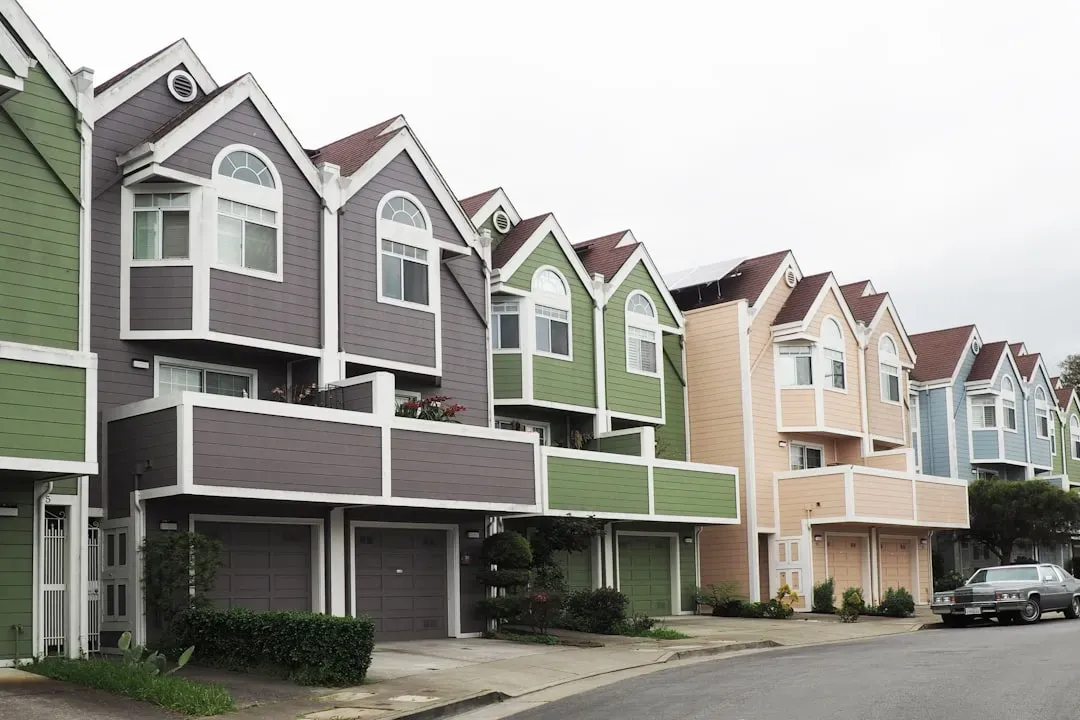
Despite constant headlines about unaffordable American housing, the country actually performs better than most people assume on a global scale. The U.S. ranks seventh-lowest at 4.5, below Canada (9.4), Australia (7.5), and the UK (8.3). That means the typical American home costs about four and a half years of median household income, a stretch, certainly, but nowhere near the burden faced in Canada, Australia, or Britain.
There’s real regional variation within the US that matters here. According to Amanda Pendleton, Zillow’s resident home trends expert, 24 large metro areas are actually more affordable than the national average, with typical monthly mortgage payments well below $3,000. Markets in the Midwest and parts of the East Coast, including cities in Ohio, New York, Alabama, and Michigan, tend to keep mortgage burdens comfortably under the widely used 30 percent of income benchmark.
Turkey

Turkey has built a reputation as one of the most accessible property markets for both locals and foreign buyers. Turkey is often named as the cheapest country to buy a house in 2026, with small apartments in many cities costing under $100,000. That’s a striking figure for a country with beach towns, historic cities, and a modern urban center in Istanbul.
Coastal regions add another layer of appeal. Antalya has beach homes at lower prices than many parts of Europe. Meanwhile, Istanbul costs more, but it also has high demand and strong rent income, with many owners earning money from short stays and long-term renters. Deloitte’s own property research places Turkey at the very top of Europe’s cheapest housing markets, ahead of even Bosnia and Herzegovina, Albania, and Romania.
Bosnia and Herzegovina
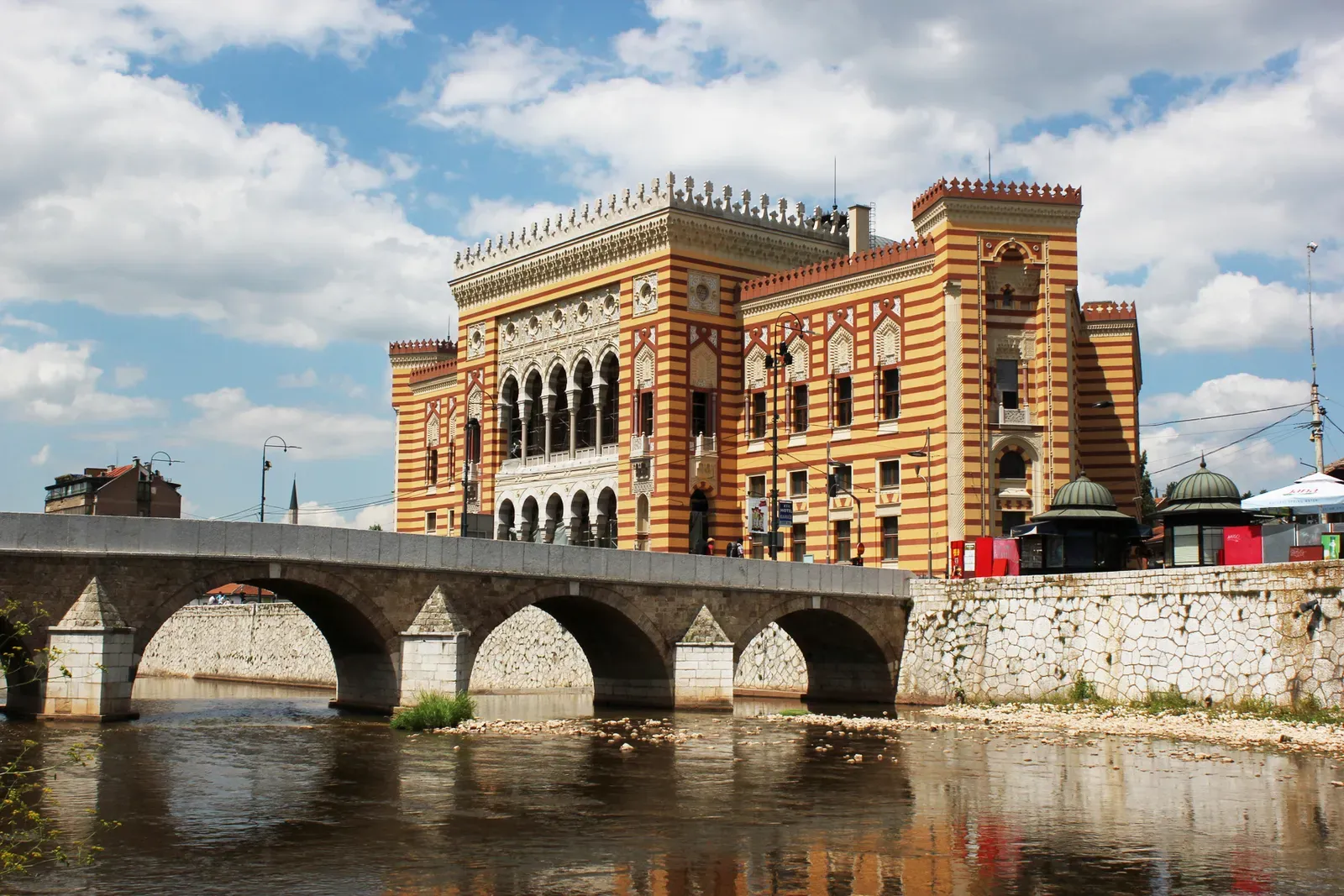
Bosnia and Herzegovina has quietly become one of Europe’s most budget-friendly places to buy a home. According to Deloitte’s Property Index research covering major cities across 28 countries, Romania ranks fourth in the top of the European countries with the cheapest housing, after Turkey, Bosnia and Herzegovina and Albania, which places Bosnia and Herzegovina firmly in second position on that same continental ranking.
Sarajevo and Mostar both offer historic architecture and mountain scenery at prices that would be unthinkable in Western European capitals. The country’s slower pace of foreign investment, compared to more established EU markets, has kept a lid on speculative price growth, leaving room for buyers who want value without sacrificing charm.
Albania
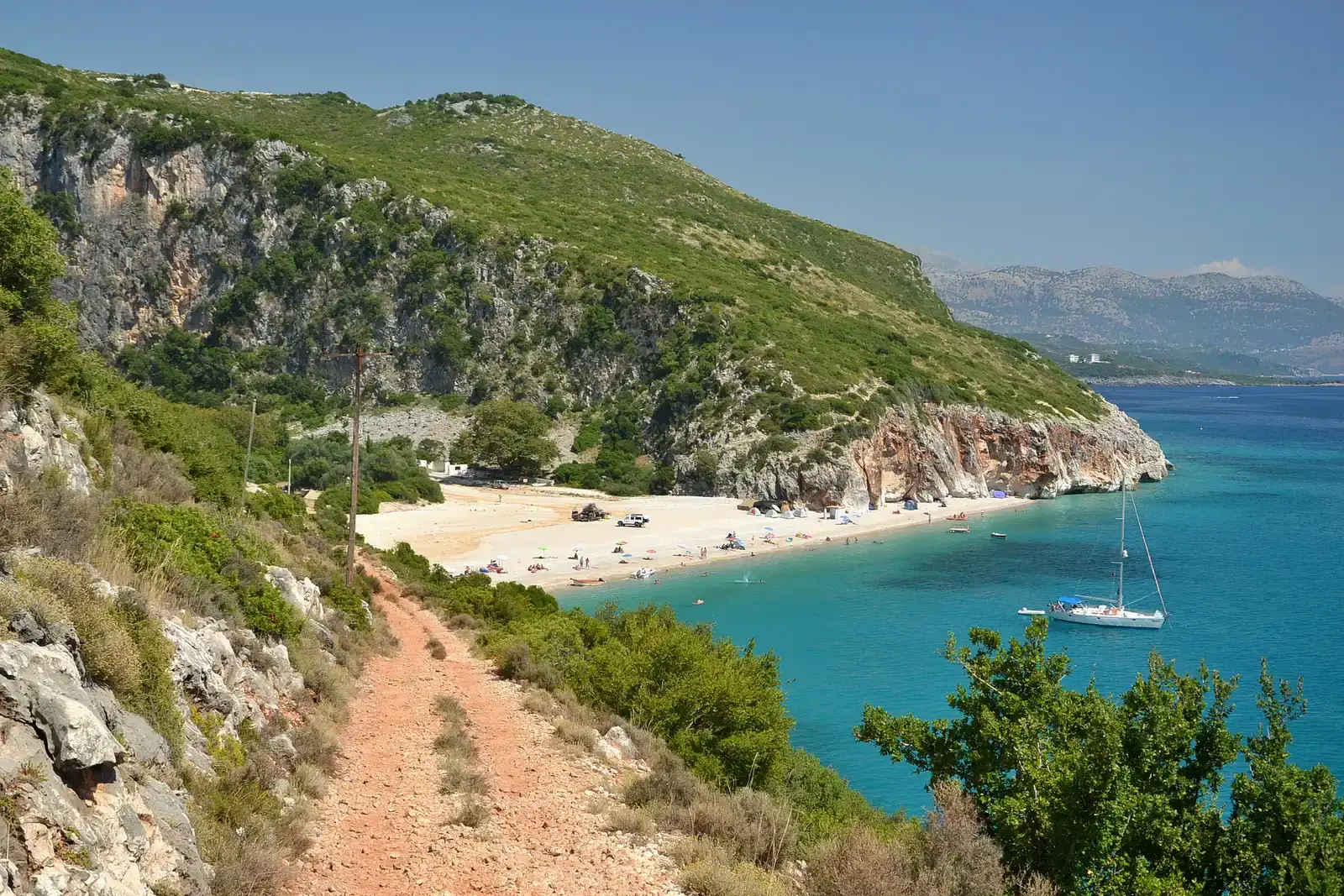
Albania sits just behind Bosnia and Herzegovina in that same Deloitte comparison of European housing costs. Romania ranks fourth in the top of the European countries with the cheapest housing, after Turkey, Bosnia and Herzegovina and Albania, confirming Albania’s spot as one of the continent’s three cheapest markets tracked in the study.
The Albanian Riviera has drawn growing attention from international buyers chasing coastal property at a fraction of Mediterranean prices elsewhere. Tirana’s urban market remains modest by European capital standards too, and the country’s EU candidacy status has done little so far to push prices toward the levels seen in neighboring Greece or Italy.
Romania

Romania holds a firm spot among Europe’s most affordable housing markets, according to recent industry data. Romania ranks fourth in the top of the European countries with the cheapest housing, after Turkey, Bosnia and Herzegovina and Albania, with an average price of 1,676 EUR/sqm in 2024, up 11.5% from 1,504 EUR/sqm in 2023, according to that Deloitte study.
That growth rate is worth noting since it shows prices are climbing, not standing still. Even so, the gap between Romania and pricier European markets remains wide, especially when compared with Luxembourg, the most expensive country in the study at an average of 8,760 EUR/sqm in 2024. Bucharest, Cluj-Napoca, and Brasov each offer distinct pricing tiers, giving buyers flexibility depending on lifestyle and budget.
Bulgaria

Bulgaria continues to attract buyers looking for European Union membership benefits without EU-level prices. Bulgaria is also an option for the cheapest country to buy a house in Europe, and it is part of the European Union, which makes it more secure for many buyers. That legal security matters for anyone worried about property rights or resale complications down the line.
Black Sea coastal towns like Sunny Beach and Varna offer apartments at price points well below comparable Western European seaside resorts. Sofia’s city center has seen some upward movement in recent years, but outlying regions still deliver considerable value for buyers on a modest budget.
Egypt
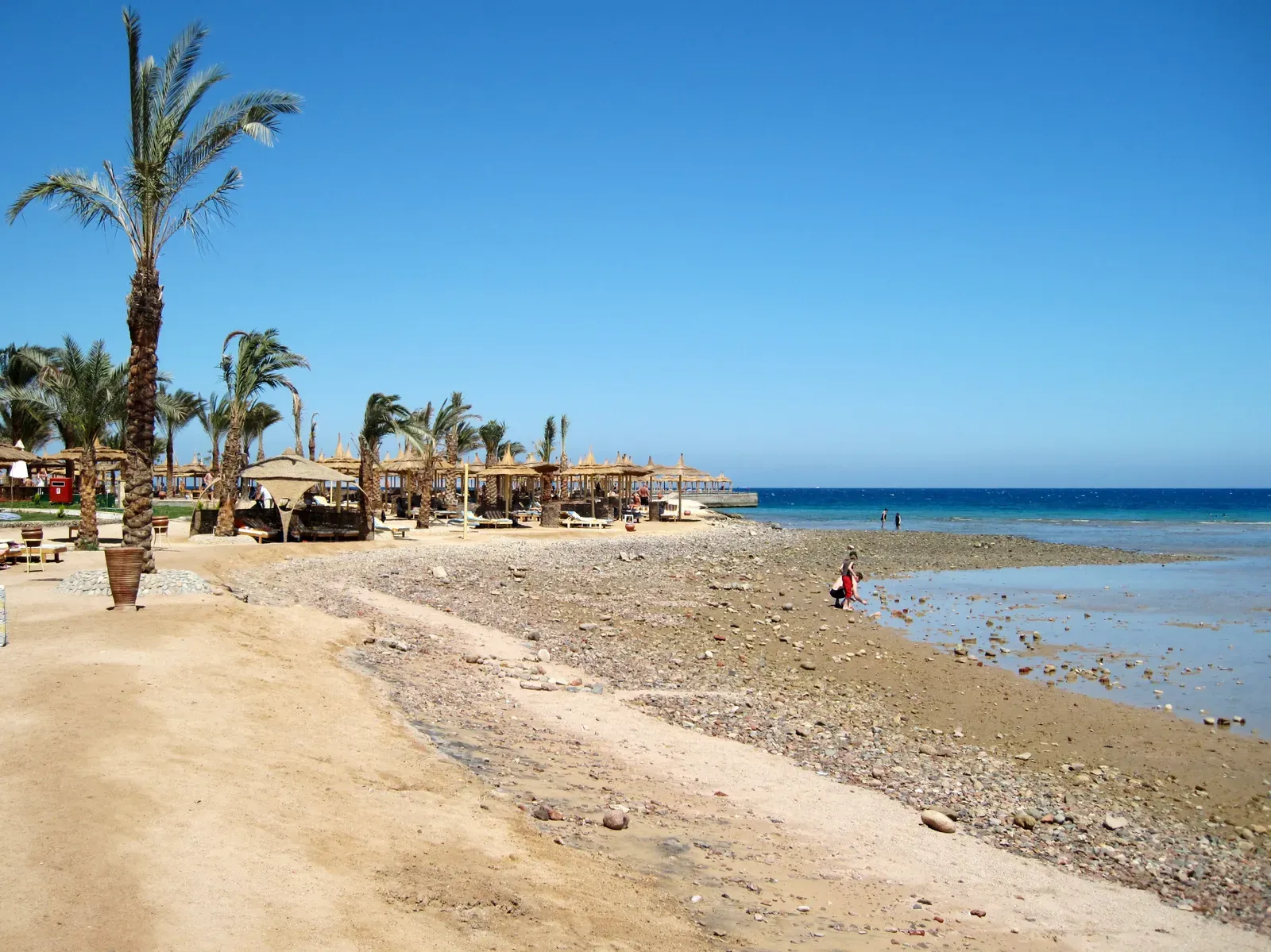
Egypt has carved out a niche as one of the most compelling low-cost property destinations, particularly along its Red Sea coast. Rental yields in Egypt’s Hurghada reached up to 10% in 2025, compared to an average of 3–4% in major Western European cities, according to Global Property Guide figures cited in recent market reporting. That yield gap makes Egyptian coastal property appealing not just to homebuyers but to anyone eyeing rental income potential.
Hurghada in particular has built a reputation around this combination of low entry price and beachfront appeal. Hurghada on the Red Sea coast offers great beachfront living at a truly low cost, in fact, it is the most affordable place by far for beachfront living. Cairo’s property market, while more expensive on a relative basis, still remains far cheaper than most comparable capital cities in Europe or North America.
Affordability, of course, is never a fixed state. Currency swings, interest rate shifts, and local policy changes can all move these rankings within a year or two, so anyone seriously considering a purchase abroad should treat these figures as a starting point rather than a guarantee. Still, the pattern across these twelve countries is consistent: strong local incomes, restrained price growth, or simply lower absolute costs can keep homeownership realistic even as headlines elsewhere suggest the opposite.




Leave a Reply