
Walk into most American homes on Thanksgiving or Christmas today and the menu looks pretty familiar: roast turkey or ham, mashed potatoes, green bean casserole, maybe a pumpkin pie waiting on the counter. But flip through a cookbook from the 1950s, or even one from the 1920s, and the table looks like it belongs to a different holiday entirely.
Dishes that once anchored the season, some tied to old-world traditions, others born from postwar convenience culture, have simply faded away. Not banned, not forgotten completely, just quietly phased out as tastes, budgets, and kitchen habits changed. Here’s a look at nine once-beloved holiday dishes that used to be nonnegotiable and now barely make an appearance.
1. Oyster stuffing
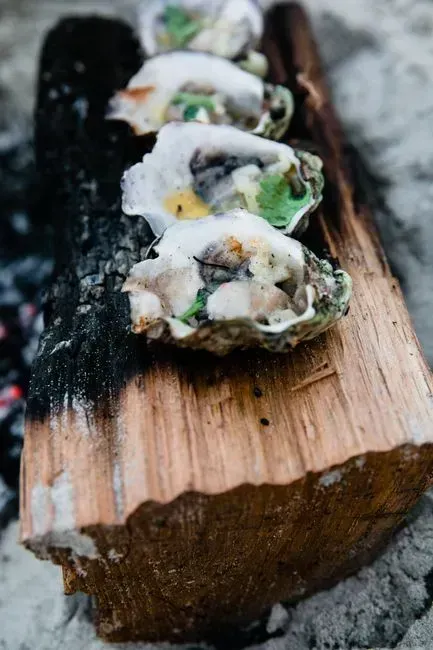
For much of the 1800s and into the early 1900s, oyster stuffing wasn’t a regional curiosity, it was close to the default. In the 18th and 19th centuries, oysters were so abundant on the East Coast that they were considered food for common people, sold by street vendors in New York, Philadelphia, and Boston for pennies, and adding them to stuffing was a natural choice because they were cheap, plentiful, and added moisture and flavor. Recipes for the dish go back further than most people realize, too. Recipes for oyster stuffing appear in some of the earliest American cookbooks, including Amelia Simmons’ American Cookery from 1796.
The decline traces back to the oysters themselves running out. As industry increased in New York at the beginning of the 20th century, the waters that were once filled with oysters became polluted, and by 1927 New York’s last commercial oyster bed had shut down, which made oysters suddenly more expensive and no longer an easy stuffing add-in. As oyster populations declined in the 20th century and prices rose, oyster stuffing gradually shifted from an everyday dish to a special-occasion tradition, and today it’s considered more of a regional delicacy. A handful of families along the coasts still make it every year, but for most of the country it’s a footnote rather than a fixture.
2. Tomato aspic and jellied salads
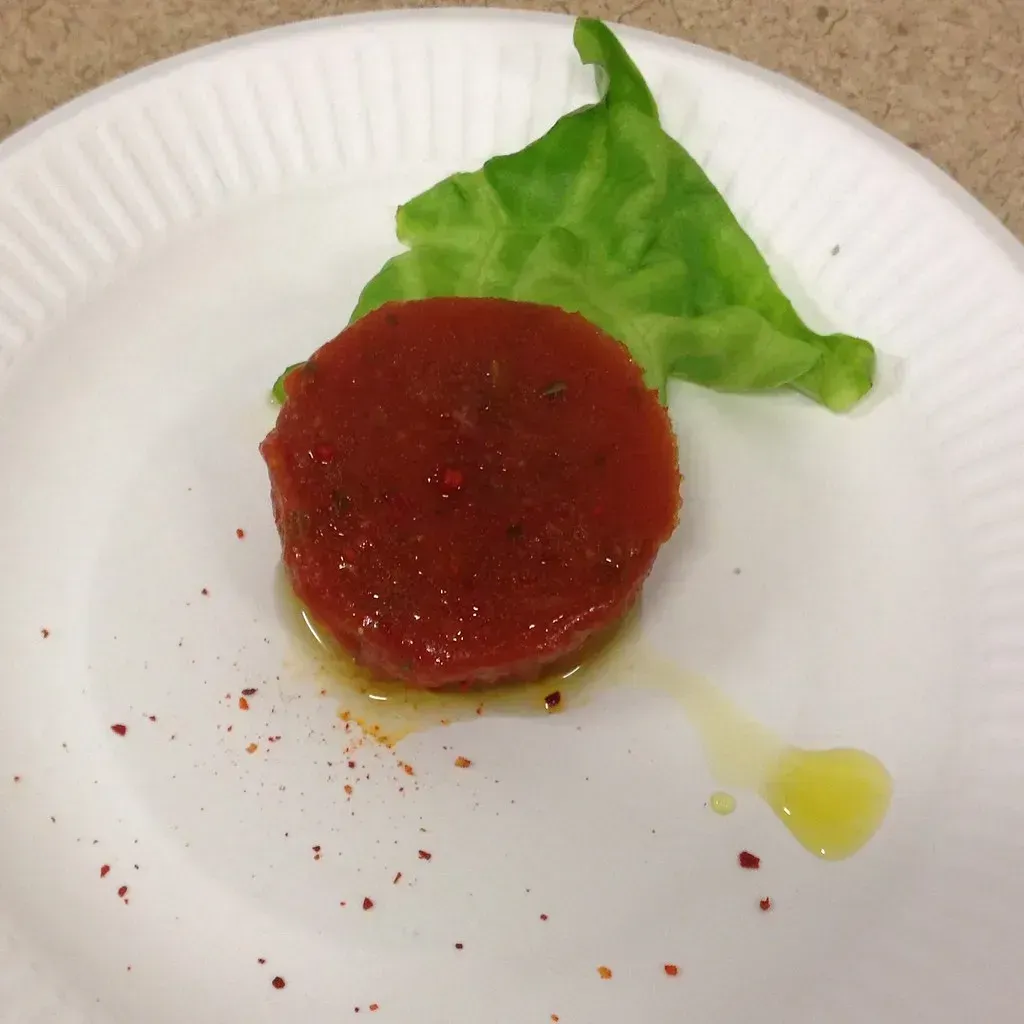
Few dishes capture mid-century American entertaining quite like a wobbling tomato aspic unmolded onto a lettuce leaf. Made from tomato juice, gelatin, and seasonings like Worcestershire sauce, vinegar, and celery salt, and often studded with olives, chopped vegetables, or even shrimp, it was served cold as a salad or side dish at luncheons, potlucks, and ladies’ club meetings. Tomato aspic reached peak popularity in the years after World War II, a future-focused era when molded foods symbolized American technology and domestic expertise was expected at home, and for housewives it was a dish you could make ahead that also showed off culinary skill.
Its holiday presence was real and specific. Tomato aspic was popular at Southern funerals, country club luncheons, and in airline catering, where its lightness and gilded shape was considered quite classy. But the format simply lost its cultural footing. As tastes shifted and fresh, simpler salads took over, tomato aspic quietly slid out of fashion, along with many other foods from the ’50s that aren’t around anymore. There are small pockets of revival on food blogs and social media, but it never returned to the holiday table in any real numbers.
3. Ambrosia salad
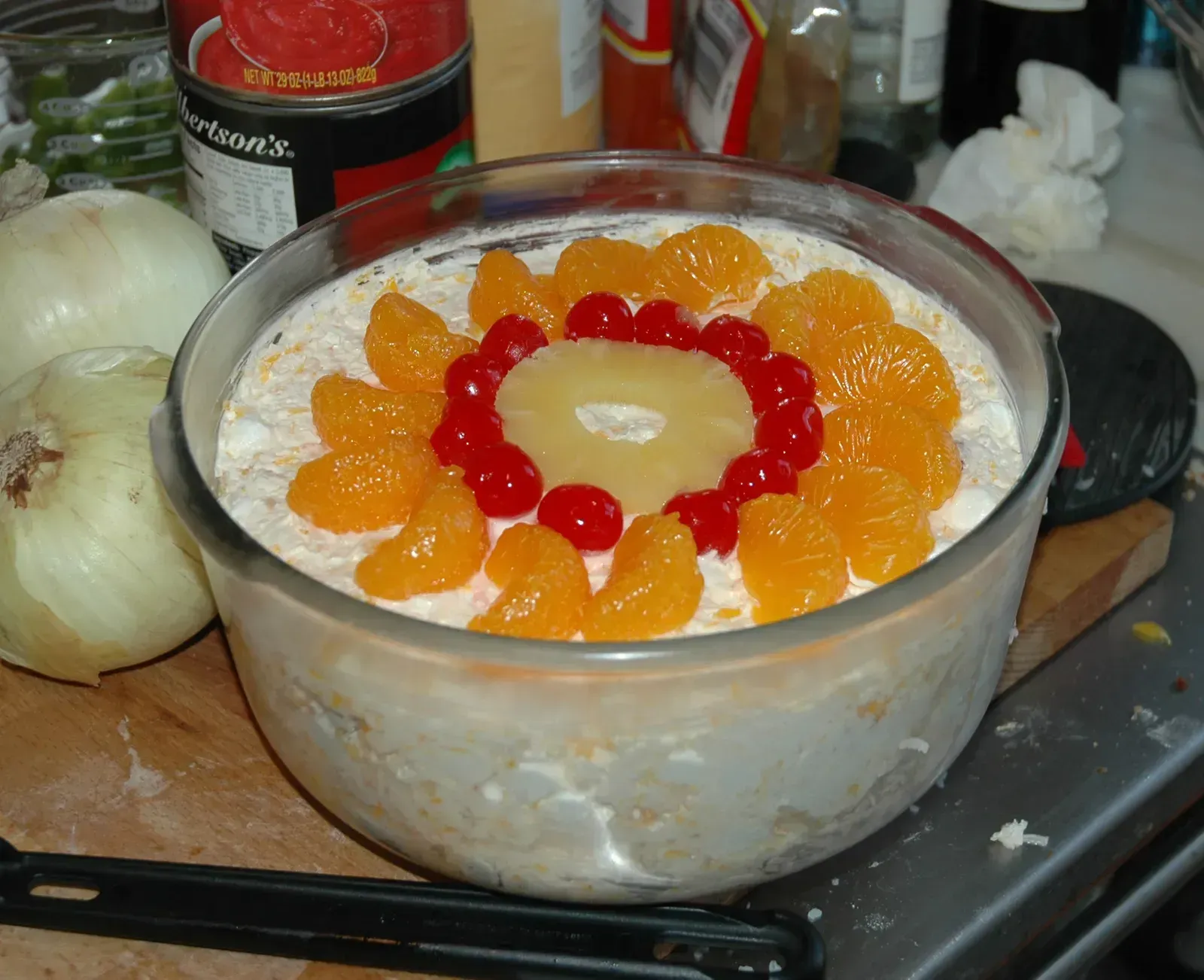
Ambrosia is one of those dishes that swung from prestige to punchline over the course of a century. Often made with canned pineapple, mandarin oranges, marshmallows and whipped topping, ambrosia salad was once considered a symbol of luxury on Thanksgiving tables in the 1800s and early 1900s. The name itself borrowed from mythology on purpose. Named for the preferred food of the Greek gods, the most divisive dish of the holiday season was a mixture of mini marshmallows, canned or sometimes fresh fruit, mayonnaise, Cool Whip, or sour cream, and coconut.
The appeal came from access to fruit that was once seasonal and expensive suddenly becoming available year round through canning. As that novelty wore off and fresher produce became normal, the dish read less as a treat and more as an odd relic. Though it has since fallen out of fashion, it remains a nostalgic Southern favorite, showing up at family gatherings more out of tradition than genuine craving. It’s rarely the dish anyone requests, but it’s also rarely the one that gets thrown out without a fight from at least one relative.
4. Mincemeat pie
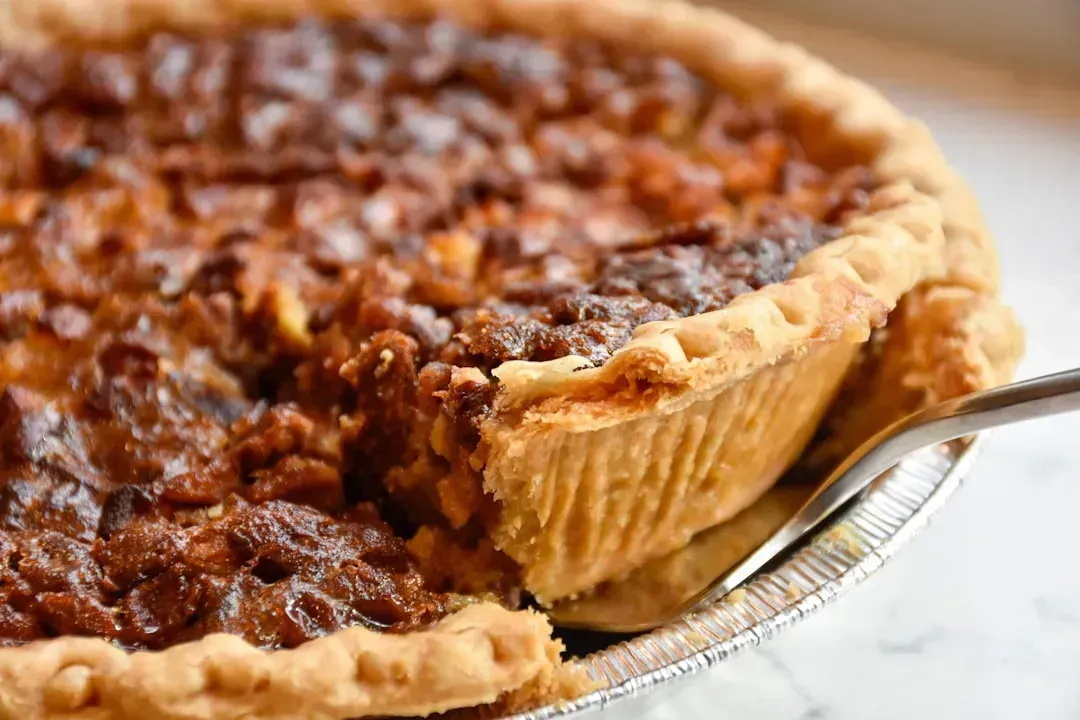
Mincemeat pie has one of the longest, strangest histories of anything on a holiday table, and its American decline is really the tail end of a much older story. Mincemeat developed as a way of preserving meat without salting or smoking some 500 years ago in England, and this pie is a remnant of a medieval tradition of spiced meat dishes that survived because of its association with Christmas. It carried enough symbolic weight that entire governments took issue with it. The Puritans viewed mincemeat pie as idolatrie in a crust, so in 1659, when they imposed a ban on Christmas in Massachusetts, mince pie went with it.
By the time it reached mainstream American kitchens, it had already shed most of its meat content. The name is a carryover from 15th century England when mincemeat did indeed have meat in the mix, since the whole point of mincemeat was to preserve meat with sugar and alcohol, and mincemeat pies became a status symbol because meat and fruit were expensive. Wartime sugar rationing hit dessert pies hard in general, and mincemeat, already an acquired taste for many Americans compared to pumpkin or apple, never fully recovered its footing once lighter, fruitier pies took over as the default. Today it survives mostly in jarred, meatless versions and in the memories of people whose grandparents insisted on it.
5. Creamed pearl onions
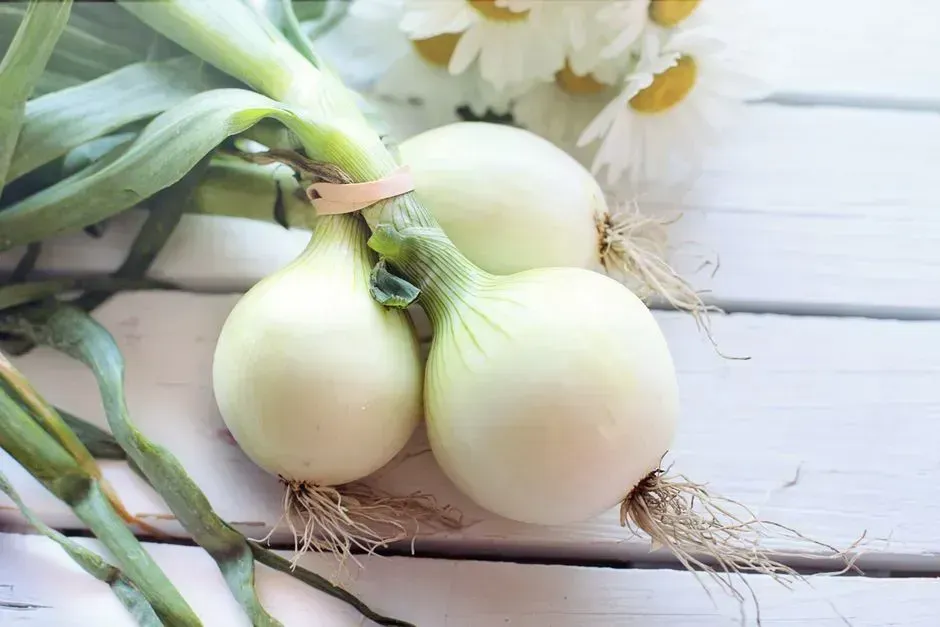
Creamed onions used to be as automatic a holiday side as mashed potatoes are now. Once a staple of Christmas dinners across the Northeast and Midwest, creamed onions were traditionally served alongside roast beef or ham as a rich, celebratory side, along with their close cousin, creamed celery. The preparation itself was simple in concept but fussy in practice, involving small onions simmered until tender and finished in a nutmeg-scented cream sauce.
What killed it off wasn’t taste so much as effort and shifting preferences. The dish fell out of favor because peeling pearl onions is labor-intensive and American tastes leaned away from boiled vegetables. Pearl onions are notoriously difficult to peel given their small size, and since the early 2000s, people have leaned toward roasted vegetables that add more color and flavor to the plate, with cooked carrots and roasted asparagus much more likely to be found in their place. It still comes up in nostalgic conversations online, but almost nobody is making it from scratch anymore.
6. Waldorf salad
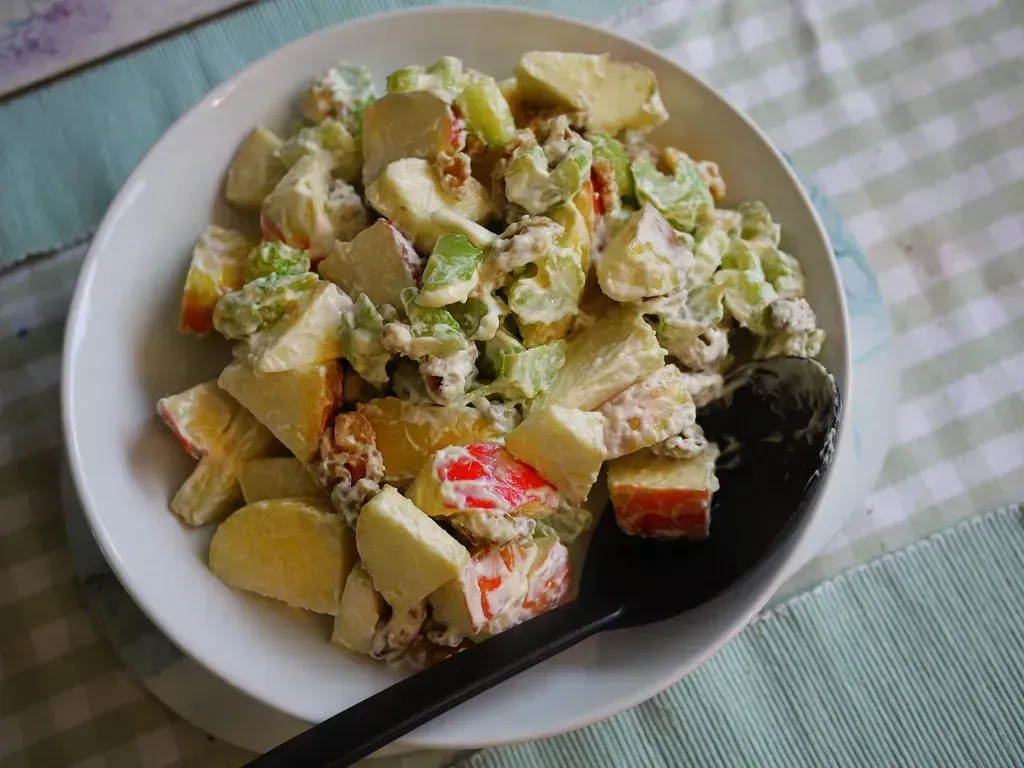
Waldorf salad had a genuine moment as a symbol of refined entertaining, born out of a famous New York hotel and adopted quickly into home kitchens for holiday spreads. Waldorf salad had apples, celery, walnuts, maybe a few grapes, all held together with a mayo dressing. Its simplicity was the whole point, a light, crunchy contrast to heavier holiday mains, and it fit neatly onto buffet tables from Thanksgiving through New Year’s Eve parties.
Its slow disappearance tracks closely with the broader retreat from mayonnaise-based salads in general. As lighter vinaigrettes, mixed greens, and fresher produce combinations became the norm at holiday gatherings, the mayonnaise-and-fruit combination that defined Waldorf salad started to feel dated rather than elegant. It still turns up occasionally in retro recipe roundups and the odd Southern potluck, but it’s no longer assumed to be on the table the way it once was.
7. Divinity candy

Divinity was a fixture of Southern Christmas candy plates for generations, sitting alongside fudge, peanut brittle, and pralines as one of the dishes that signaled the holidays had officially arrived. Made from whipped egg whites, sugar, and corn syrup beaten into a light, almost cloud-like texture, it required real skill and, notoriously, the right weather. Humid days would keep it from setting properly, which turned it into something of a kitchen gamble every December.
As home cooking shifted toward convenience and fewer families had the time or patience for finicky stovetop candy, divinity slowly lost ground to easier options like fudge or store-bought treats. It never disappeared entirely from the South, where older cooks still make it out of loyalty to family recipes, but it rarely shows up on a younger household’s dessert table. For most Americans outside certain regions, it’s a candy they’ve heard of rather than one they’ve actually tasted.
8. Fruitcake
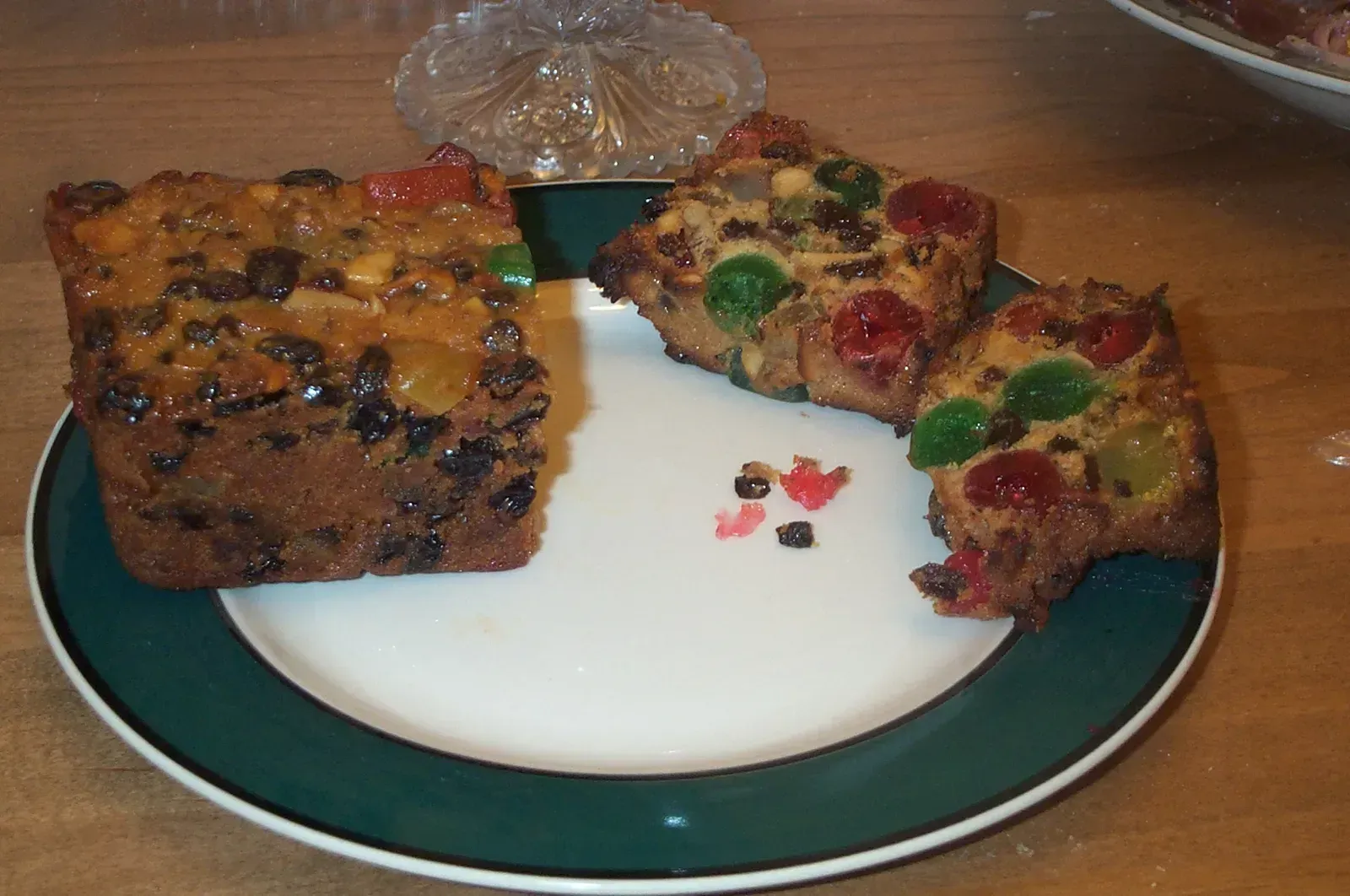
Fruitcake’s arc from prized gift to holiday joke is one of the more dramatic reputation collapses in American food history. A cake with candied fruits and nuts usually soaked in a spirit like brandy, fruitcake has ancient roots, but fell into deep disfavor in the U.S. around the 1980s and eventually became a sort of joke, emblematic of the worst holiday gift. For decades before that, it had been treated as a serious, labor-intensive dessert, often started weeks or even months ahead of Christmas and periodically soaked in alcohol to age.
The turn against it came from a mix of mass-produced versions that were dense, overly sweet, and forgettable, combined with a growing cultural narrative that painted it as the gift nobody wanted. Without any fans to give or receive it, the fruitcake has faded into relative obscurity stateside, though it’s still common in some other countries. It hasn’t vanished completely, some bakers keep serious, high-quality versions alive, but as a mainstream American holiday dessert, it’s mostly remembered through jokes rather than recipes.
9. Plum pudding
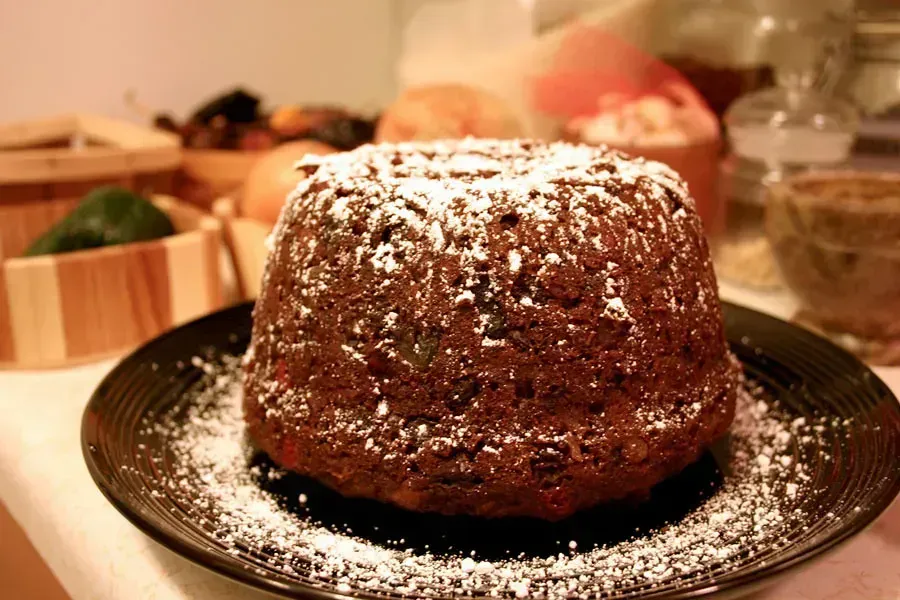
Plum pudding, the dense, steamed, brandy-soaked dessert associated with English Christmas dinners, once crossed the Atlantic alongside mince pies as an essential part of holiday meals in early America. Mince pies are still considered an essential accompaniment to holiday dinners just like the traditional plum pudding in England, and for a long stretch, American households with British roots treated the two as a package deal at Christmas.
Unlike mincemeat pie, which at least survives in jarred, meatless form, plum pudding largely stayed tied to its English identity and never fully assimilated into mainstream American holiday cooking the way pumpkin pie or fruitcake did. It required steaming for hours, careful storage, and often a theatrical flaming brandy topping, all of which made it a poor fit for households looking for simpler, faster desserts as the 20th century wore on. Today it’s mostly seen in households with direct English heritage or in specialty bakeries around the holidays, rather than as a broadly recognized American tradition.
What ties all nine of these dishes together isn’t just changing taste, it’s changing circumstance. Oysters got scarce, sugar got rationed, pearl onions stayed stubbornly hard to peel, and convenience foods offered an easier path forward for busy households. None of these dishes were pushed out by any single decision. They simply stopped being worth the effort once something simpler came along, and the holiday table quietly rearranged itself around what remained.




Leave a Reply