
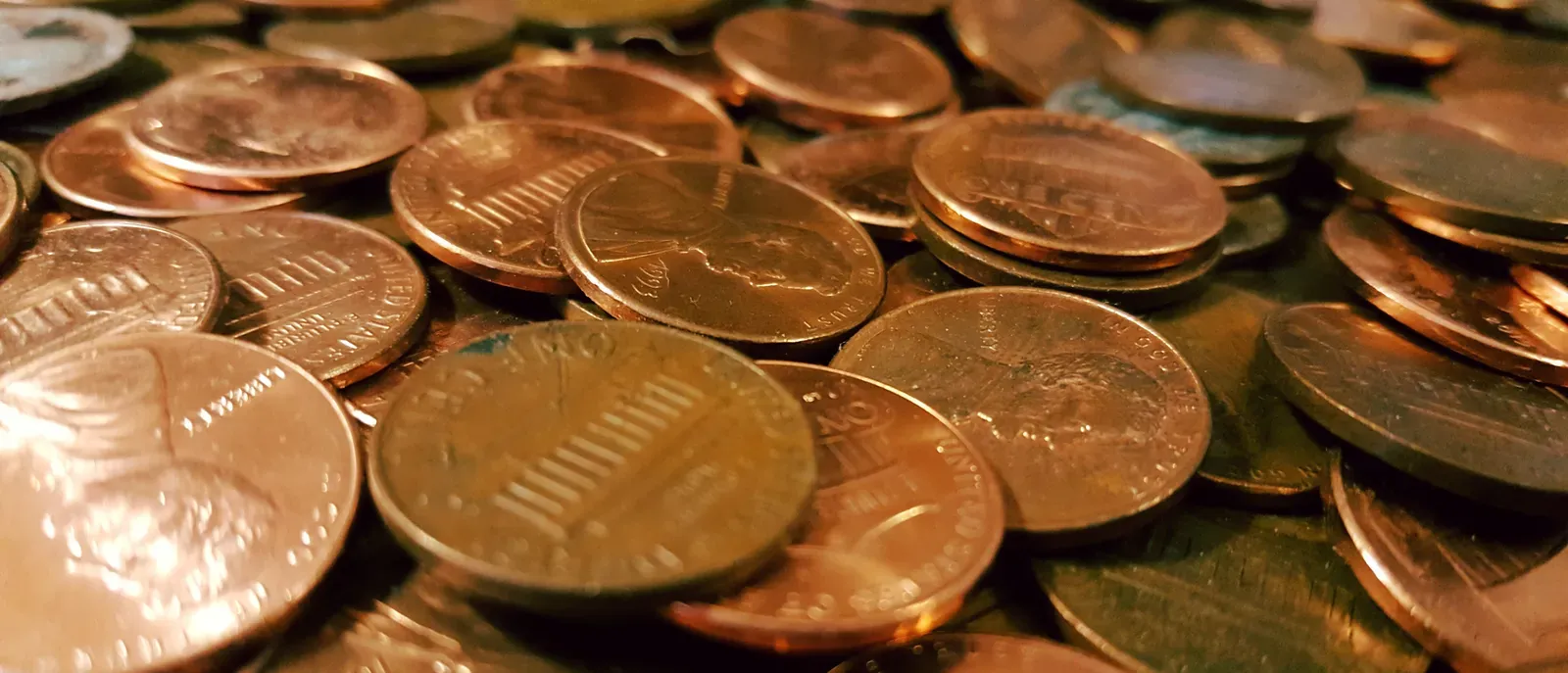
The penny jar on the dresser suddenly feels different. For more than two centuries, that little copper colored coin was such a fixture of American life that most people never gave it a second thought. Now that the U.S. Mint has stopped producing them, plenty of folks are staring at old mason jars and forgotten coffee cans full of pennies, wondering what to actually do with them.
The good news is that pennies are not vanishing overnight, and they are not becoming worthless. What is changing is how they fit into everyday transactions, and that opens up some practical, and occasionally fun, options for anyone sitting on a stash.
Understand why this is happening in the first place
The shift did not come out of nowhere. The Treasury Department’s pledge to stop minting new pennies by early 2026 comes after President Donald Trump directed Secretary Scott Bessent in a February Truth Social post to stop his agency’s production of the coins, saying they cost more to make than they’re worth. The economics were hard to ignore.
According to the U.S. Mint in its 2024 Annual Report, it costs close to four cents to produce a single one-cent coin. The U.S. Mint reported losing $85.3 million from producing pennies at more than they’re worth in the 2024 fiscal year. After a 230-year run, the U.S. minted its very last penny on November 12, 2025, officially bringing the production of the one-cent coin to an end.
- Final circulating penny struck: November 12, 2025, in Philadelphia, marking the official end of the penny’s 232-year production run as a circulating coin.
- Cost to produce one cent: the Mint’s per-penny cost has climbed from 1.42 cents to 3.69 cents over the past decade.
- Projected annual savings: ending production is expected to save roughly $56 million in reduced material costs each year.
Know that your pennies still spend just fine
This is the part that trips people up most. Pennies will continue to be legal tender and retain their nominal value in perpetuity. Nobody is asking you to trade them in for something else or worrying that they will become collector novelty items with no purchasing power.
You can continue to use your pennies for everyday cash purchases, and most businesses are likely to accept them. While no new pennies will be made, existing ones will remain legal tender and can still be used for purchases. So there is no rush, no deadline, and no reason to panic about coins losing their worth.
Take them to your bank rather than let them sit
If you have been avoiding the bank because the coin counting machine felt like a hassle, now is a reasonable time to reconsider. Businesses may continue to deposit pennies at their financial institutions. Banks are not treating pennies as some kind of problem asset; they are simply part of the normal cash cycle, at least for now.
Banks will continue to accept pennies for deposits, and existing pennies will not be taken out of circulation and will still be accepted by banks and businesses for an indefinite period. Rolling coins yourself or using a coin counting kiosk are both still perfectly normal ways to convert that jar into spendable cash or a deposit slip.
- Pennies still in circulation: an estimated 114 billion pennies still in circulation – about 700 for every American, so there’s no shortage on the horizon.
Spend them down before rounding becomes the norm
There is a practical window here worth paying attention to. The U.S. government is expected to stop producing new pennies for circulation by early 2026. As existing coins slowly drain out of registers and wallets, cash transactions are expected to shift toward rounding rather than exact change.
The main change consumers will notice is the rounding of cash transactions to the nearest nickel, and as the supply of pennies dwindles over time, retailers will eventually transition to rounding. Using up your pennies now, while businesses still count out exact change, is one of the simplest and most low key ways to put them to work before that habit fades.
How cash rounding typically works
| Final Digit of Total | Rounded To |
|---|---|
| 1 or 2 | Down to 0 |
| 3 or 4 | Up to 5 |
| 6 or 7 | Down to 5 |
| 8 or 9 | Up to 0 |
This nickel-rounding formula, already used north of the border, only applies to cash purchases – cheques, credit and debit cards will continue to be settled to the cent, so card and digital payments won’t be affected at all.
Check for the coins that are actually worth more than face value
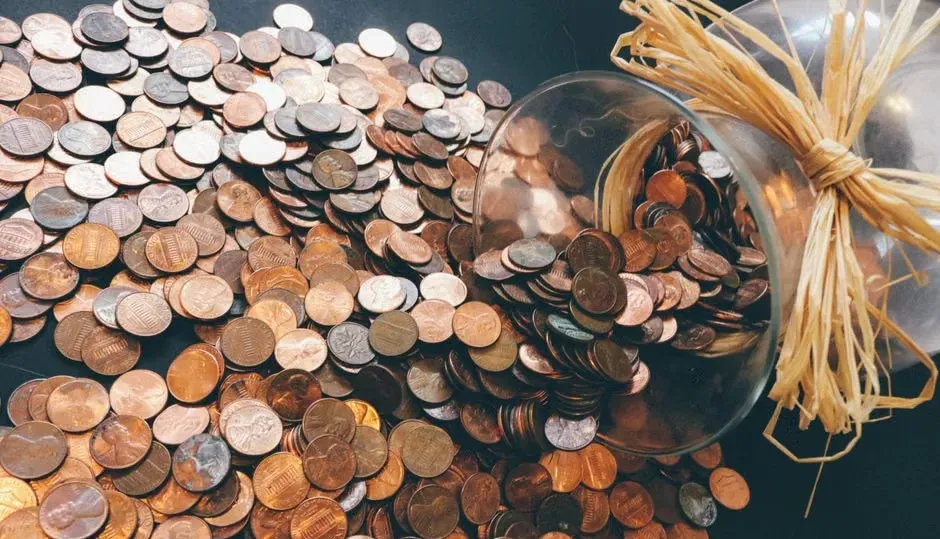
Before you dump every penny into a coin sorter, it is worth a quick sort by eye. Pennies made before 1982 are mostly copper and might be worth more than their face value. The metal composition changed as copper prices rose, so older coins can carry a bit of a premium among collectors and metal buyers.
There are also genuine rarities worth knowing about. Other more valuable pennies are the 1943 Lincoln Wheat pennies, which were produced during World War II, when the Treasury Department ordered the Mint to produce pennies made of zinc-coated steel to save copper for the military, and in 1943 a small number of leftover bronze planchets got accidentally mixed in with the steel planchets and struck as 1943 Bronze Wheat Pennies. Finding one of those in an old jar would be a genuine stroke of luck, though the odds are admittedly slim.
- Pre-1982 pennies: struck mostly in copper, these older coins can be worth more than one cent to collectors and scrap buyers alike.
- 1943 bronze error cent: the rarest known example, from the Denver Mint, sold at auction for $1.7 million in 2010.
- Odds of finding one: only a handful of genuine 1943 bronze cents are confirmed to exist across all three mints, so a lucky find is rare but not unheard of.
Set a few aside as a small piece of history
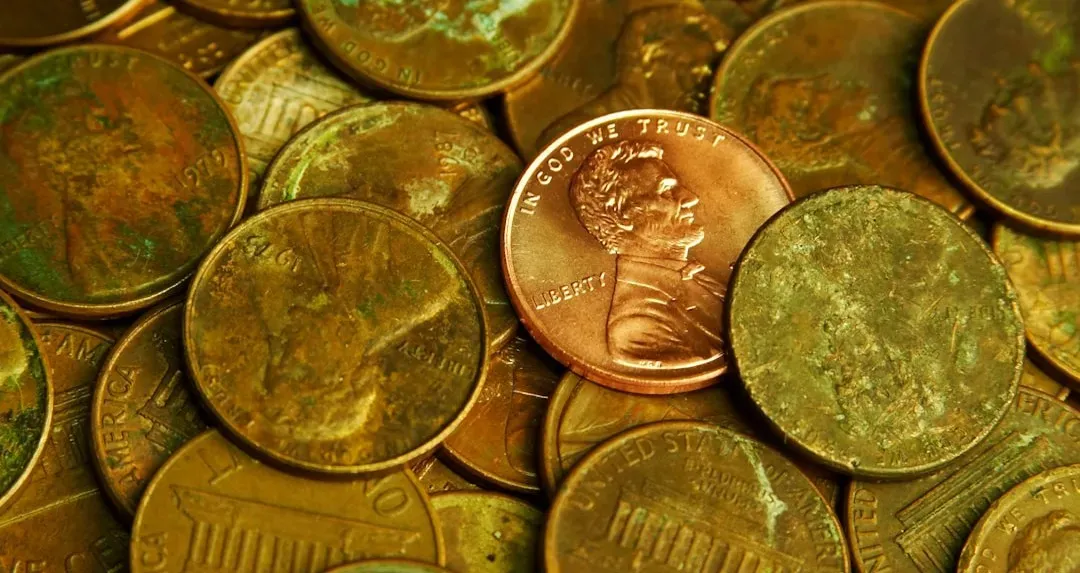
There is nothing wrong with keeping a handful for sentimental reasons rather than spending or banking every last one. Keeping some as keepsakes is one option, since saving a few pennies helps remember this historic transition. It is a low effort way to hold onto a physical marker of a currency shift that people will likely talk about for years.
The Lincoln penny itself carries more symbolism than most people realize. Many symbols have appeared on the penny throughout its lifetime, including Lady Liberty and the Lincoln Memorial, but the current design depicts President Abraham Lincoln and the Union Shield, which represents Lincoln’s preservation of the United States as one country. A jar of pennies is, in a small way, a jar of that design history.
- 2026 collector’s edition: to mark the nation’s 250th birthday, the Mint has issued a special “dual-date” penny…exclusively for the semiquincentennial, though it won’t be sent to banks and is sold only as a collectible.
Expect rounding rules to vary by business for a while
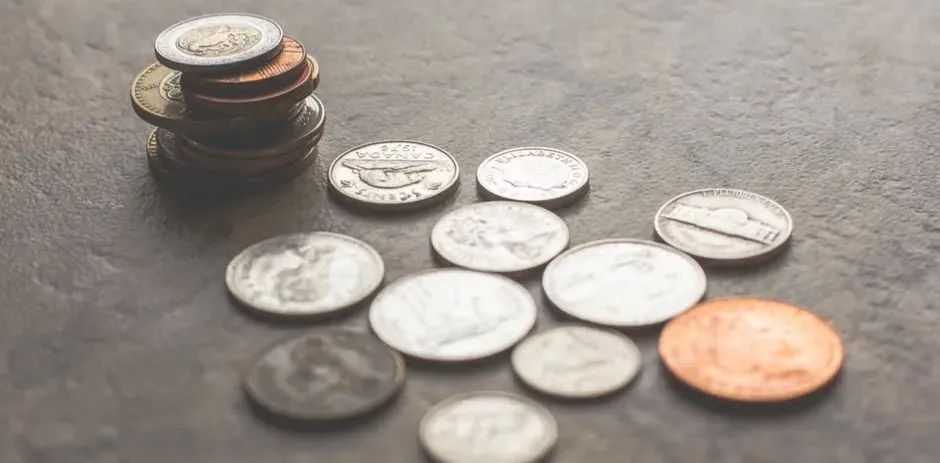
Do not assume every store will handle this identically once pennies run short. Until federal or state guidelines are issued, rounding policies may vary among businesses and institutions. Some chains are already ahead of the curve on this.
Businesses like Kwik Trip, a Midwest chain of convenience stores, have already changed their pricing by rounding down all cash purchases to the nearest nickel. Others will likely wait until their own coin supplies actually run low before changing anything, so patience and a bit of flexibility at the register will help during the transition.
- Kwik Trip: already rounds cash purchases down to the nearest nickel chain-wide.
- Precedent from Canada: when that country phased out its penny, many merchants simply do the rounding manually rather than reprogram their registers – a pattern U.S. retailers may lean on too.
Consider donating your spare pennies to charity
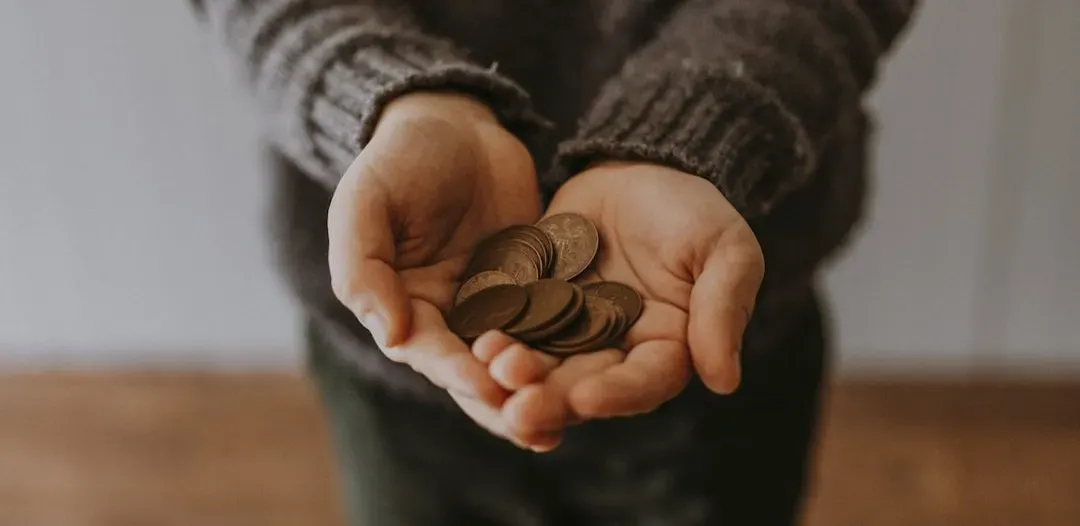
If sorting, rolling, or spending down a jar of pennies feels like more trouble than it’s worth, donating them is a perfectly reasonable alternative. When Canada phased out its own penny, charities leaned into the moment, and one Toronto-based campaign alone collected 70m pennies in a nationwide drive. That kind of penny drive turns loose change gathering dust into something with real impact, especially for causes tied to clean water, education, or local schools. It is a fitting way to say goodbye to a coin that spent over two centuries changing hands in small, everyday acts of commerce.
In the United States, similar options already exist without much extra effort. Coin-counting kiosks at grocery stores often let you skip the cash-back fee entirely by routing your change straight to a partner charity, and organizations have long run coin-collection boxes at airports, schools, and libraries. Local food banks and youth programs also frequently welcome loose-change drives, especially now that pennies are becoming more of a novelty than a daily necessity. Clearing out a jar this way turns forgotten coins into something that outlasts the penny itself.
Look at how other countries already made this shift
The United States is hardly the first country to walk away from its smallest coin. Canada eliminated its penny back in 2013, and research from that transition found that rounding tends to even out over time rather than costing consumers extra. Beyond North America, Australia discontinued its 1-cent and 2-cent coins in 1992, while New Zealand had already dropped its smallest coins even earlier. Several European countries have gone the same route with their smallest euro-cent coins in recent years.
These international examples offer a useful preview of what may lie ahead for American shoppers and retailers. In most cases, the changeover caused only minor short-term confusion, with prices and receipts settling into the new rounding norms within months. Studies out of these markets consistently found little measurable effect on overall inflation, easing one of the biggest concerns critics raise about dropping small coins. It is a reminder that the end of the penny is less an experiment and more a well-tested transition other economies have already completed.
| Country | Coin Phased Out | Year |
|---|---|---|
| New Zealand | 1 & 2 cent | 1990 |
| Australia | 1 & 2 cent | 1992 |
| New Zealand | 5 cent | 2006 |
| Canada | 1 cent (penny) | 2013 |





Leave a Reply